
Welded Hydraulic Cylinders Manufacturer
Machined to ±0.02mm precision and tested at 1.5x working pressure before shipment.
MOQ starts from only 1 piece.
Upload your specs or drawings today for a engineering review and quote.
Brands We Serve in Hydraulic Industry









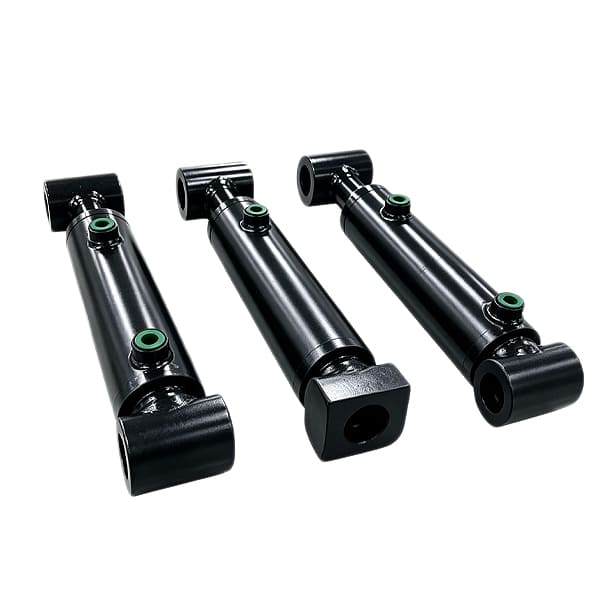
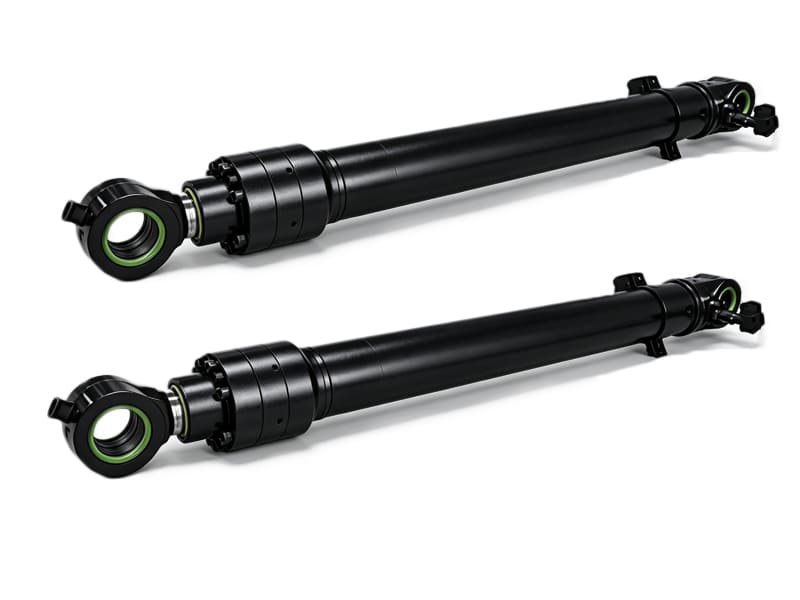
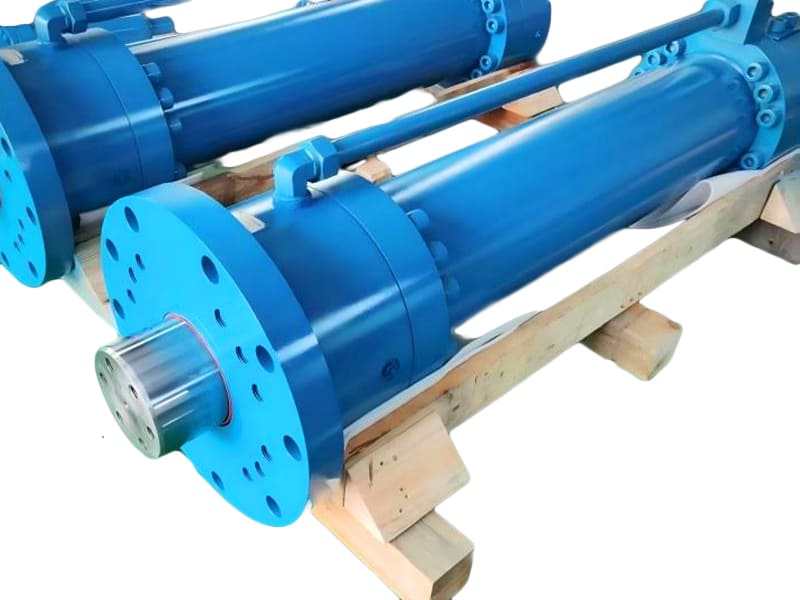
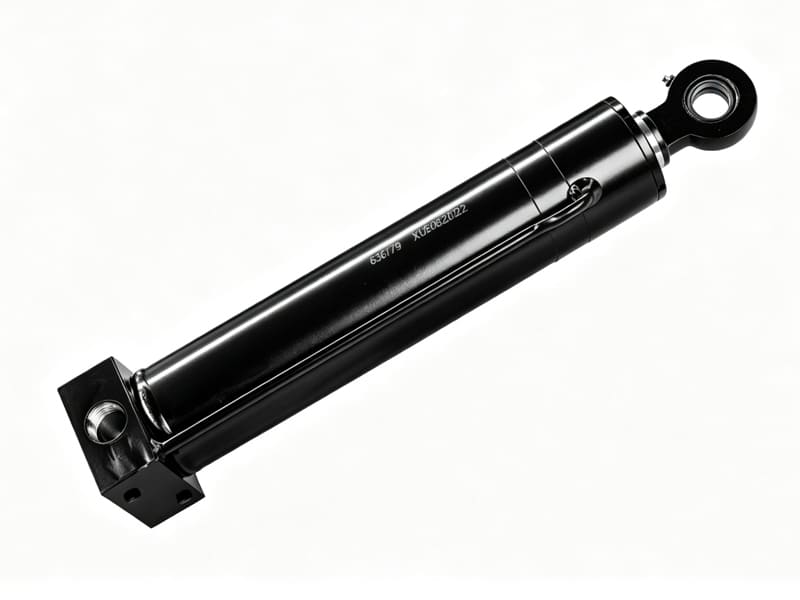
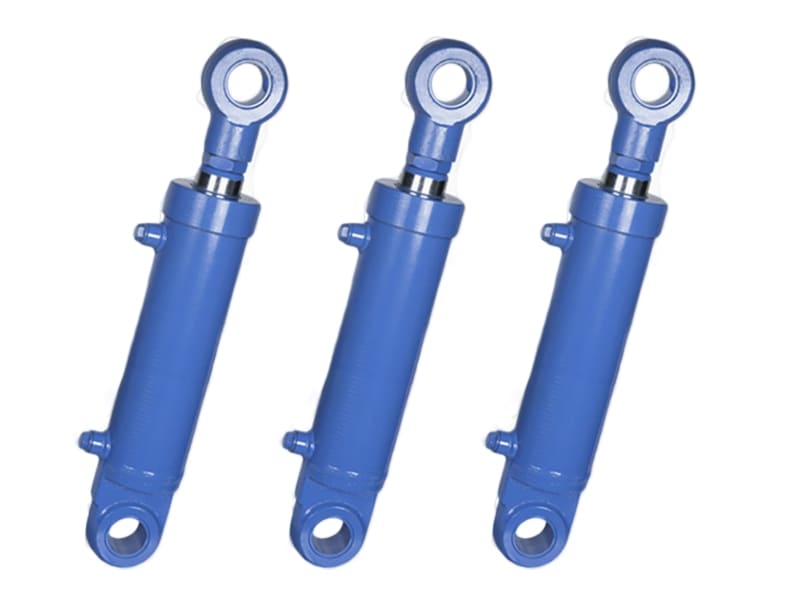
Welded Hydraulic Cylinders
Your Reliable Supplier of Welded Hydraulic Cylinders
At Hydroforce, we are determined to provide excellent service. Rather than competing on price, we distinguish ourselves through superior customized manufacturing and in-depth related capabilities.
Hydraulic cylinders are supposed to carry prolonged heavy work loads under high pressure in limited space. Our design philosophy directly addresses the dual challenges of achieving compact dimensions while ensuring an extended fatigue life.
We offer high-precision 3D CAD models for full assembly verification in support of integration process. We also provide flexible customization for many complicated customized end mountings(for example: ear rings and spherical bearings).
Bulky tie-rod designs are removed by our structural approach. We make sure every cylinder is leak-free and crack free under severe conditions (high-frequency,high-impact) through strict material tempering and precision robotic wielding.
Welded Hydraulic Cylinders
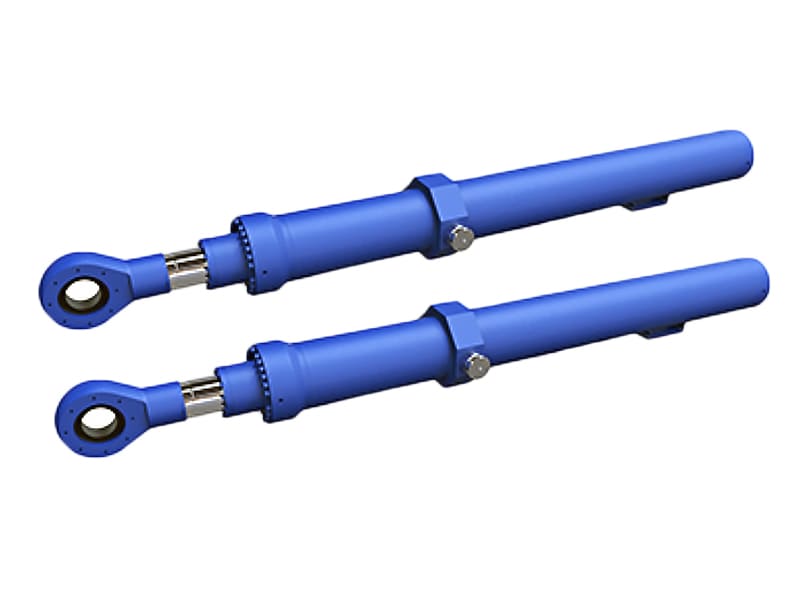
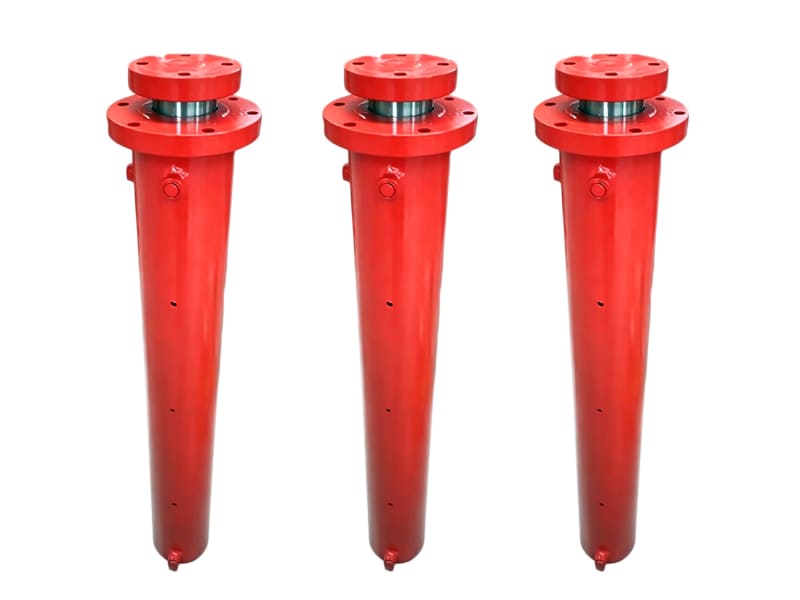
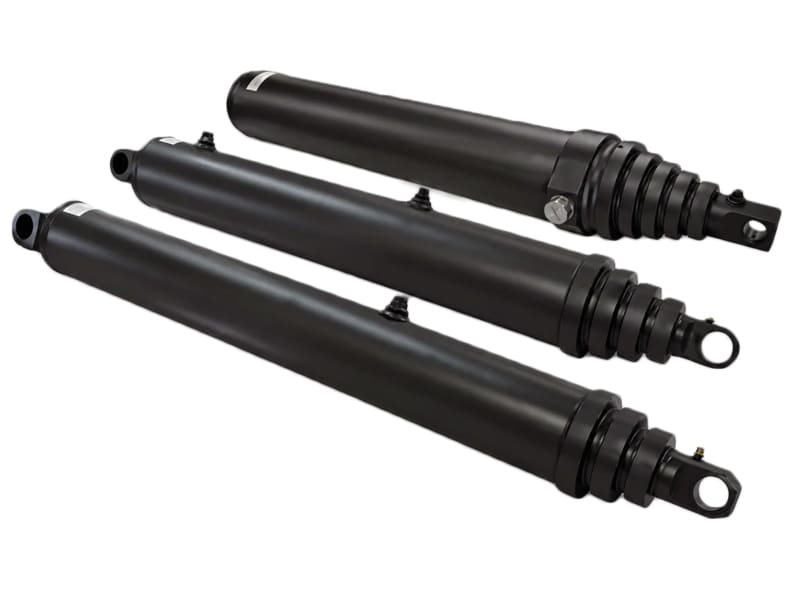
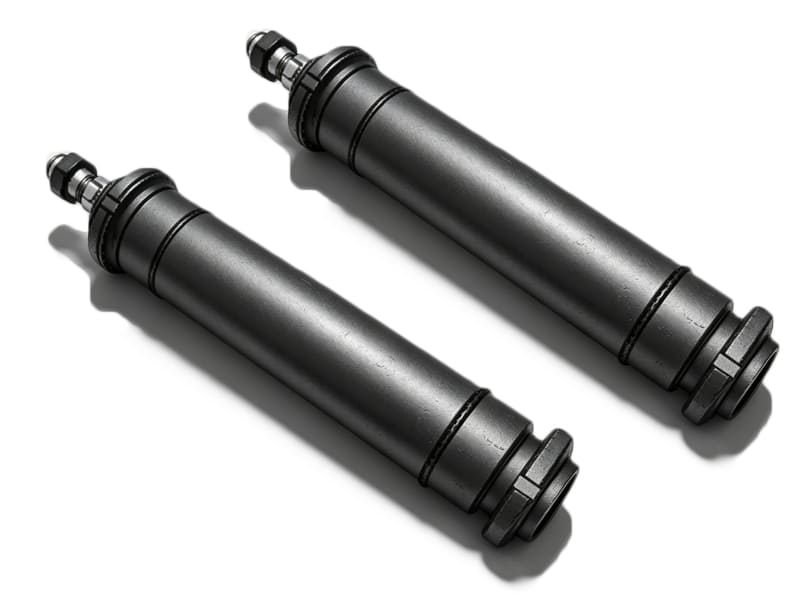
Applications of Welded Hydraulic cylinders
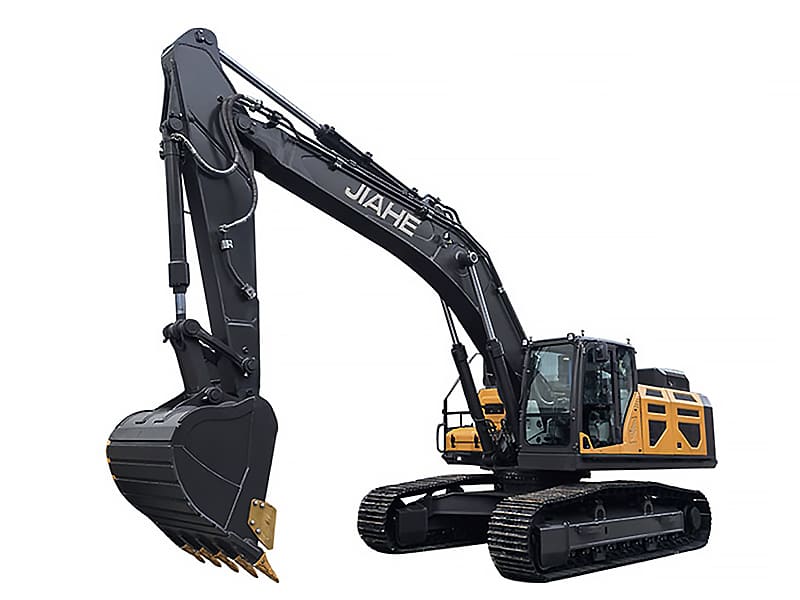
Construction and Engineering Machinery
Welded cylinders are the dominant choice in this field and can be located in the outrigger extension of truck cranes, the blade lifting of bulldozers, rotary drilling rigs, and aerial work platforms.Our welded hydraulic cylinders are suited for limited and complex installation spaces which are commonly found in construction equipment for their wide variety of mounting options. We can also cope with the 25-35MPa pressure requirement and severe impact loads.
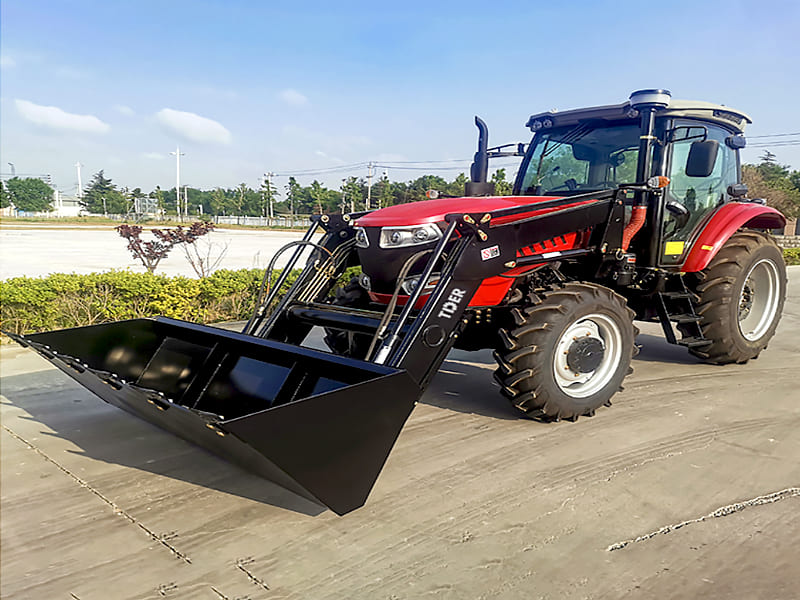
Agricultural and Operational Machinery
Hydraulic welded cylinders are widely used in applications such as tractor front loaders and combine harvester header lifts, as well as in three‑point linkage systems, reversible ploughs, and balers. Our cylinders are designed with upgraded wiper seals to prevent internal seal damage. The piston rod plating meets strict quality standards—we offer double‑layer chrome or special coatings that pass 96‑hour salt spray tests, tailored for coastal or high‑humidity farm environments, to resist both corrosion and dust ingress.
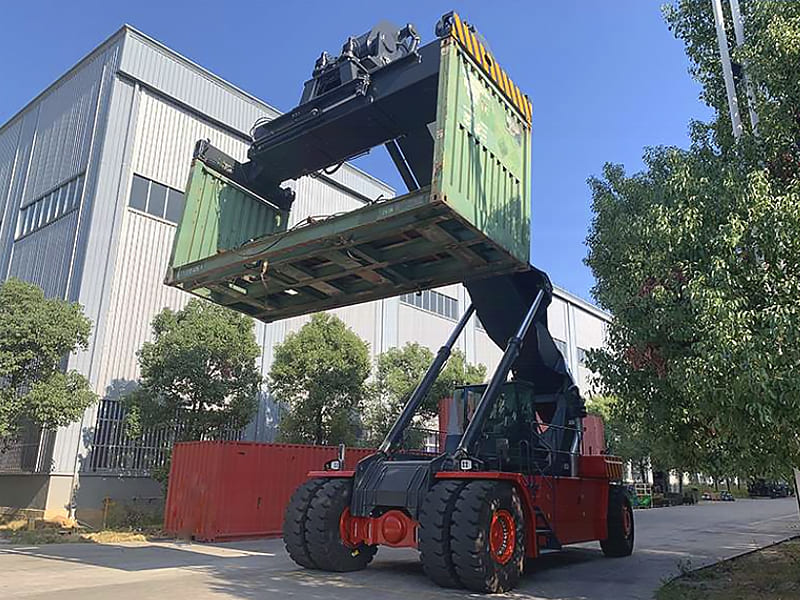
Material Handling and Lifting Equipment
Welded hydraulic body cylinders are active components in applications such as crane loaders, aerial work platforms. These applications demand the highest levels of safety and compactness. We machine the cylinder bore with extreme precision using a boring and roller burnishing process to meet this challenge, achieving a very high surface finish. We also use imported zero‑leakage composite seals to eliminate internal leakage. When the lifting equipment’s long piston rod fully extended, it is prone to bending or buckling.
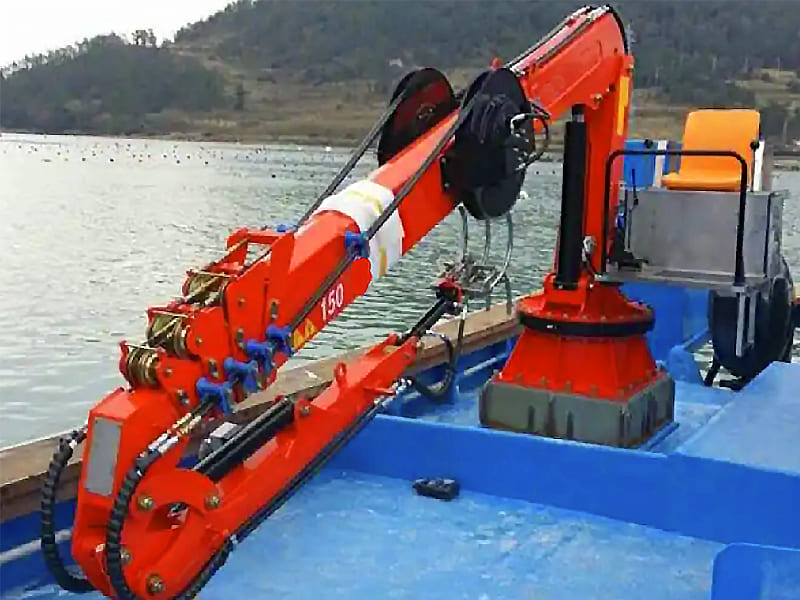
Marine and Port Hoisting Equipment
Welded hydraulic cylinders are widely used in port grab cranes and ship lifts. These applications expose the cylinders to salt spray, humidity, and seawater. Advanced coatings such as HVOF ceramic or laser clad nickel alloys are applied for these marine-grade cylinders instead of standard chrome. Thus, they can obtain over 1000 hours of salt spray resistance. All joints are sealed against leakage, and the exterior paint system follows the ISO 12944 C5‑M marine standard with epoxy and polyurethane layers.
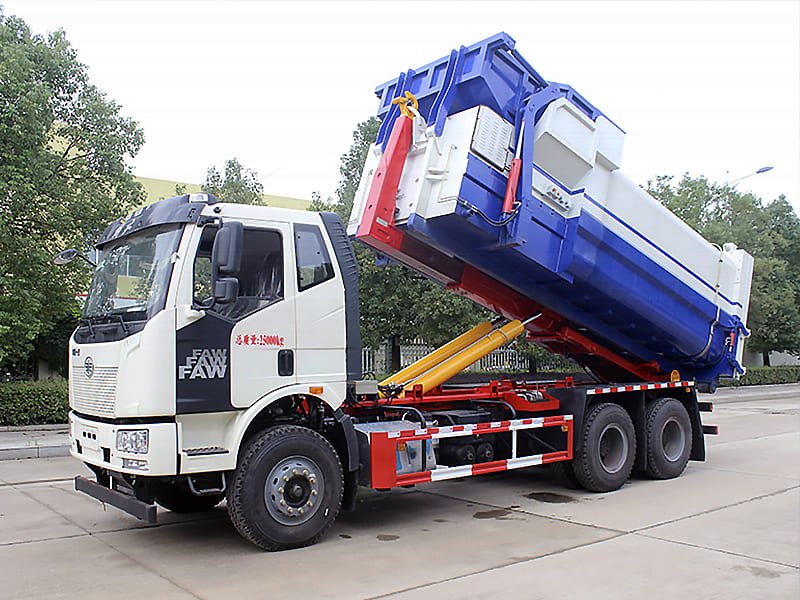
Environmental Sanitation and Waste Collection Vehicles
Welded hydraulic cylinders are used on vehicles such as hook-lift trucks and bin lifters. They charge the scraper and compactor plates, the ejector mechanisms, and the hoisting of the body. Strong corrosive liquids and complex mix of debris are challenging for these cylinders under this specific condition. We apply a high‑grade anti‑corrosion paint system to our sanitation cylinders—using an epoxy zinc‑rich primer followed by a polyurethane topcoat to cope with this issue. The design of the wiper seal is key here. It prevents acidic liquids and fine particles from being drawn into the cylinder and damaging the internal seals. We pay due attention to it.
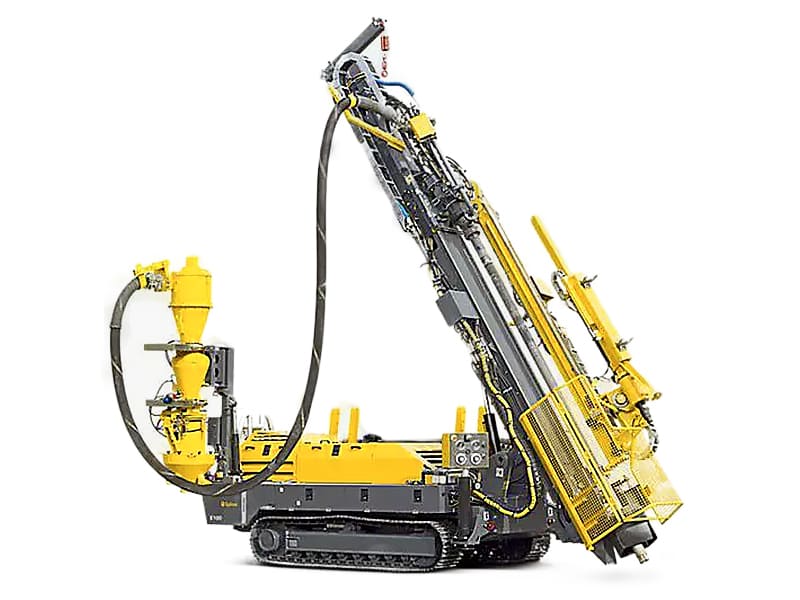
Oil and Gas Drilling
Welded cylinders are used in drilling rigs for applications such as pipe handling, and large compensation systems on offshore platforms. They also control the raising and lowering of derricks and the clamping of chucks. Our priority for designing these cylinders is considering the material’s low-temperature impact toughness. We make sure the steel does not become brittle even at -40°C. We typically use nickel‑chromium double‑layer plating on the piston rod, or even solid stainless steel combined with laser‑clad special alloys for this difficult condition. These treatments can ensure the cylinders’ fine resistance of hundred to thousand hours.
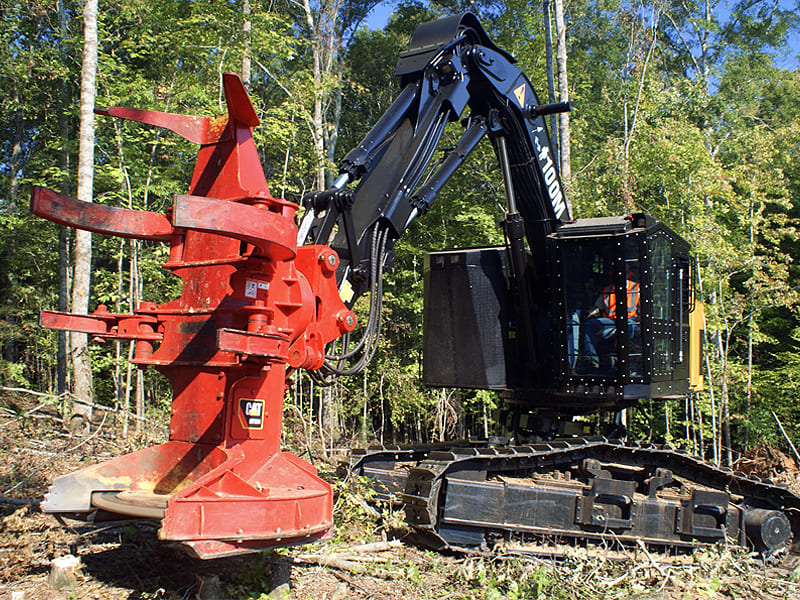
Forestry and Logging Machinery
Welded hydraulic cylinders are used in forestry equipments. They power the cutting, gripping and sawing operations—all of which involve heavy, continuous work. Our forestry cylinders are made of seamless steel tubes with thick walls to fit above conditions. Reinforcing ribs or protective shields are welded on the body to guard them from falling trees or other things. Cutting operations requires very strong lateral forces. In order to prevent the piston rod from worn unevenly or bending under stress, we make the internal guide bearing longer and apply high load wear resistant support rings.
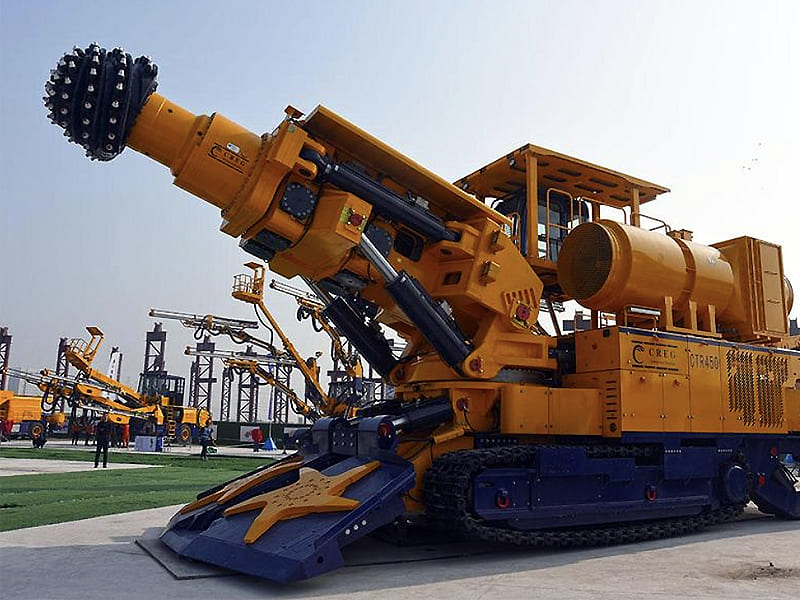
Mining & Rock Drilling Machinery
Welding Fatigue & Cracking on Hydraulic Cylinders
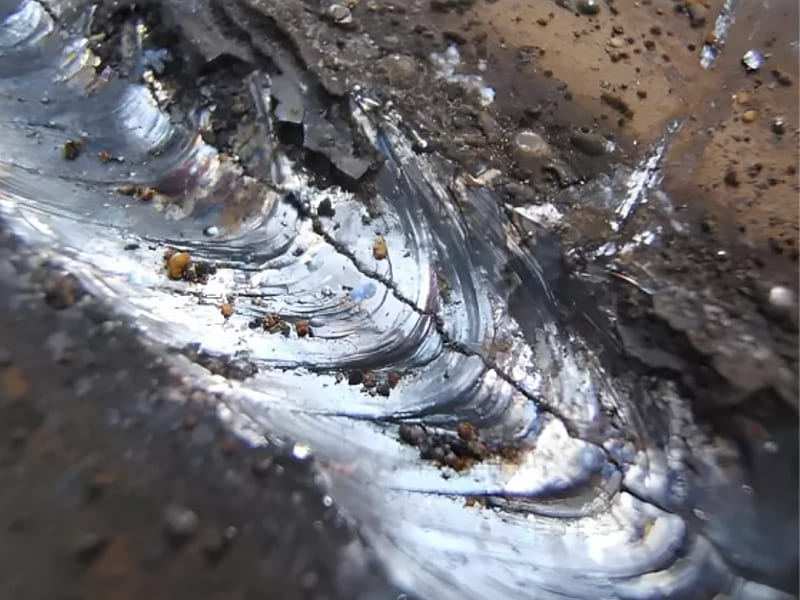
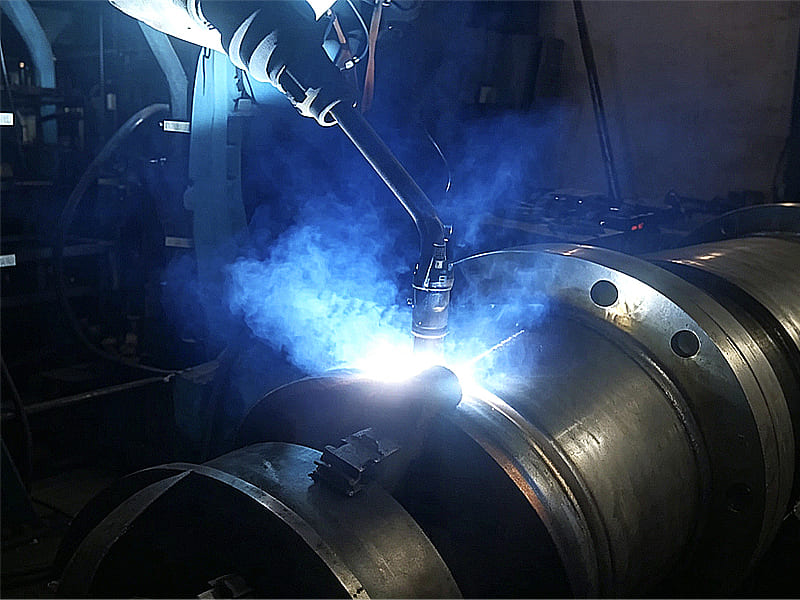
Welded Cylinder Thermal Distortion & Piston Binding
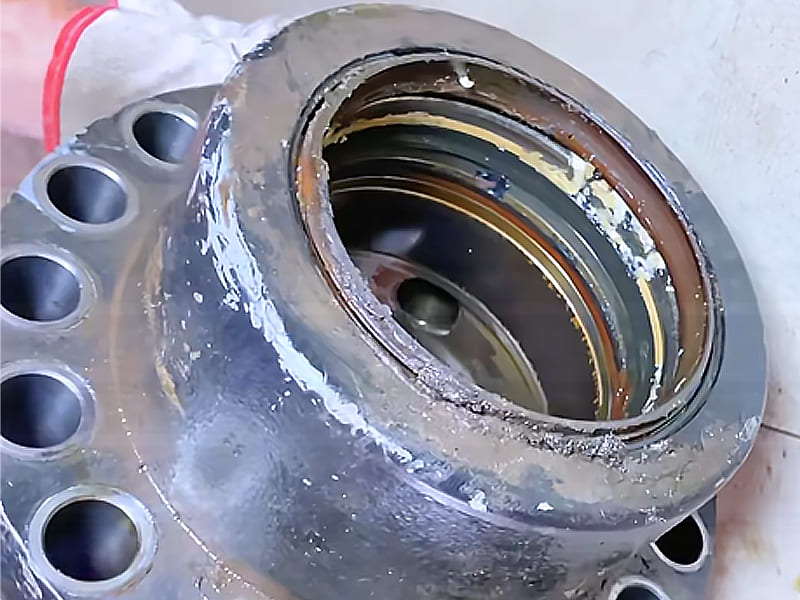
Welding Slag Damaging Seals on Cylinder
Certifications
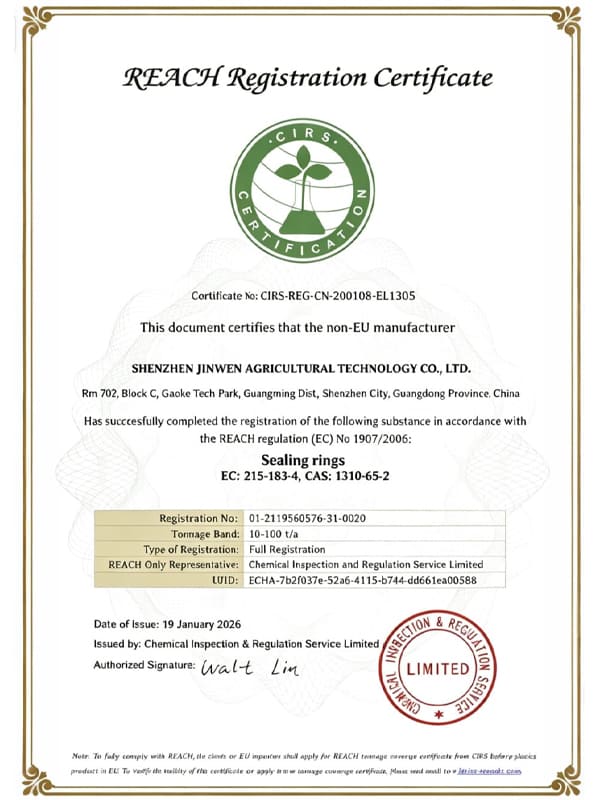
REACH Certificate
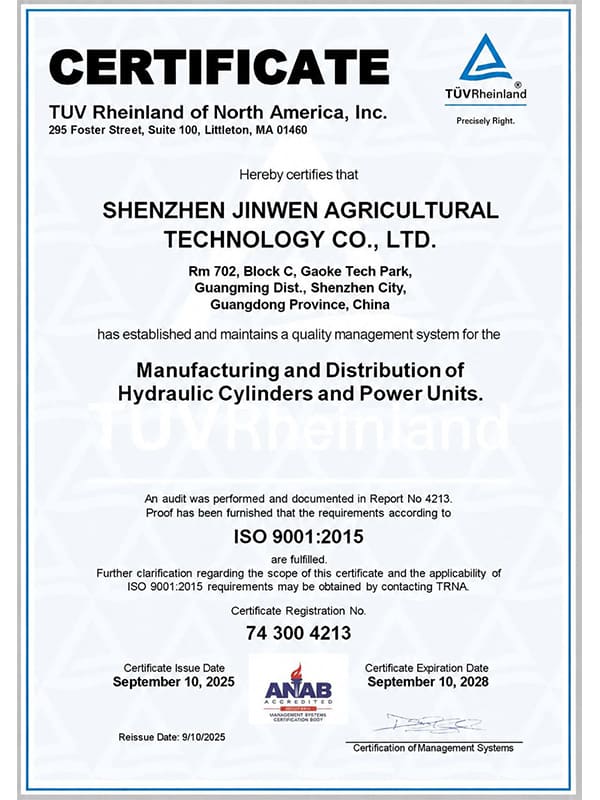
ISO 9001 Certificate
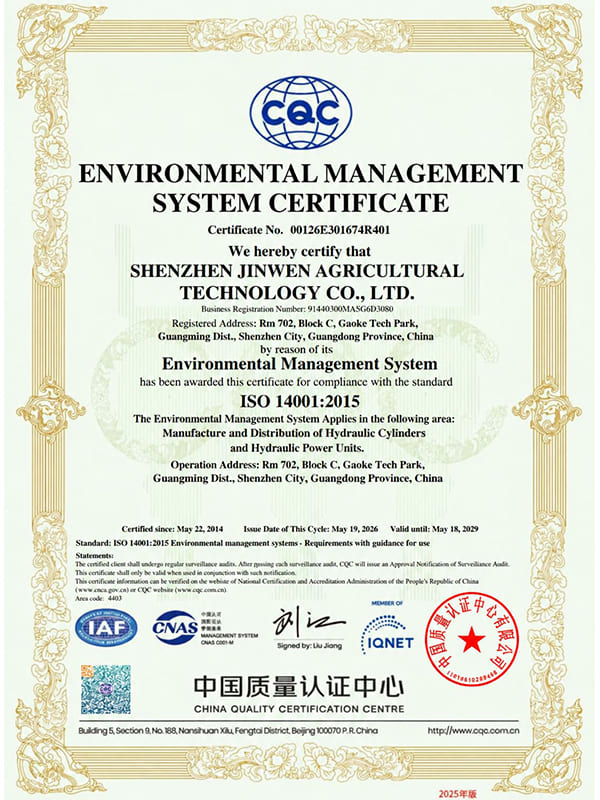
ISO 14001 Certificate
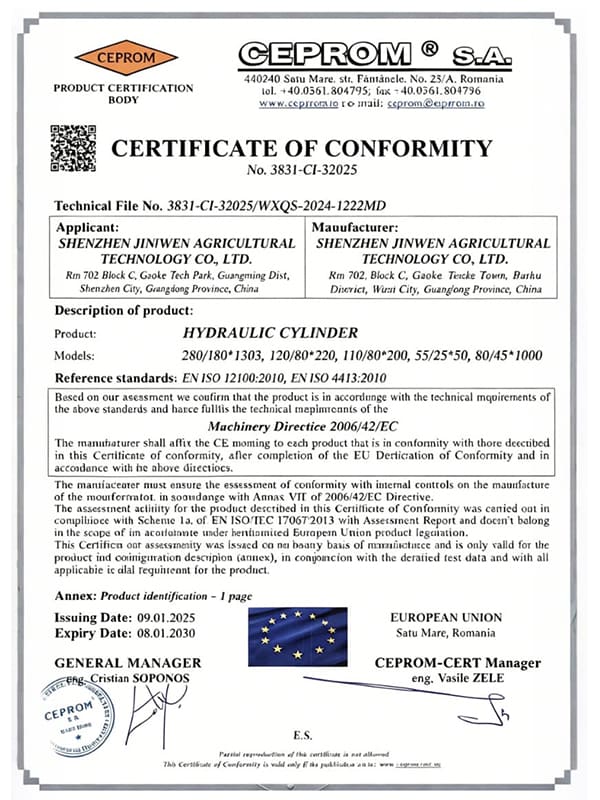
Certificate of Conformity
Why Choose Us
Collaborative Design
We support all kinds of complex tail customization. High precision 3D CAD models are provided for engineers to download for instant fit validation.
Zero Contamination
Our welded cylinders make sure to eliminate all heat‑induced deformation and ovality, ensuring roundness throughout the barrel.
Optimization Based on conditions
We analyze your equipment’s real-world environment and proactively suggest improvements to make your cylinder life longer.
Seamless OEM Replacement
Our customized welded cylinders are made to ensure direct drop-in replacement.
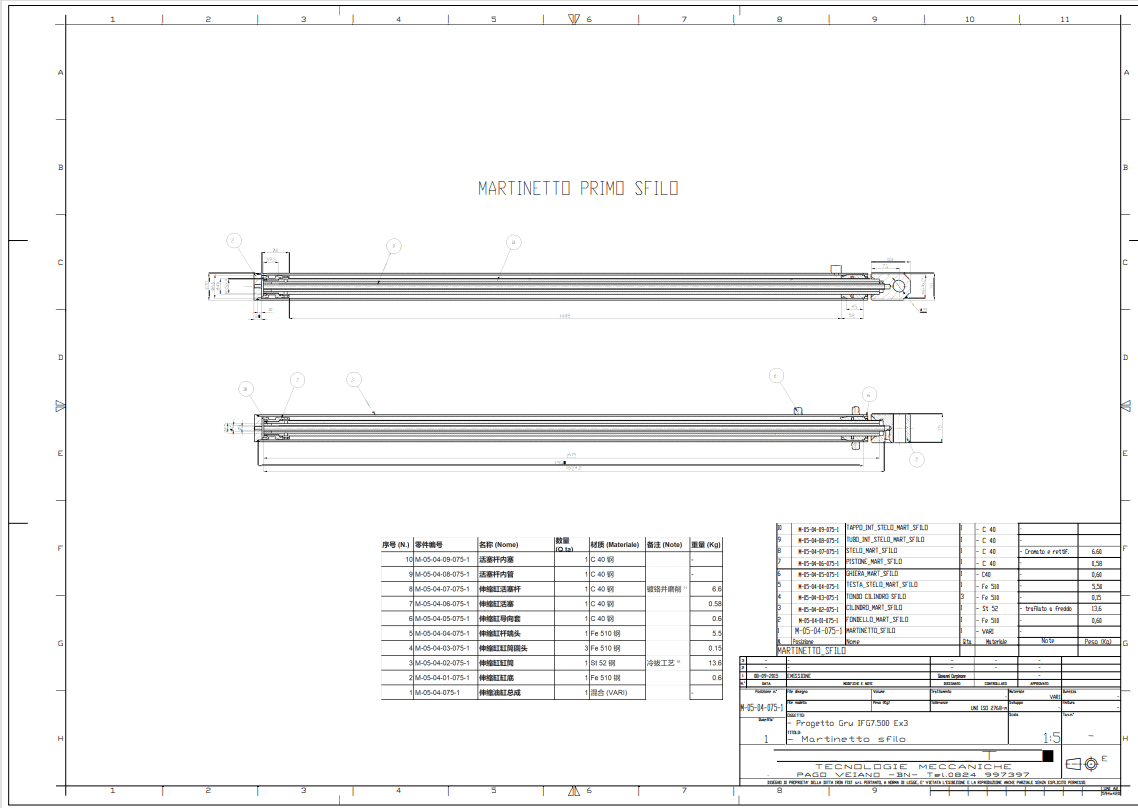
How Do We Customize Welded Hydraulic Cylinders
For custom welded body hydraulic cylinders, you need to provide drawings or key parameters such as cylinder bore, rod diameter, stroke, installation form, working pressure and peak pressure. We will confirm specific connection types such as flange, banjo or SAE port to ensure cylinders perfectly match your equipment. External operating temperature and specific working conditions are also required. With this basic information, we can turn your drawing into real products.
After receiving your drawings, our technical team will review them for manufacturing feasibility. For welded structures, we will evaluate weld groove design and penetration requirements to ensure durability. For sealing and tolerance fits, we will provide process improvements if the required tolerances may cause excessive seal squeeze or premature seal wear. We help our customers make the cylinder more durable under hash working conditions and easier to install.
Production Procedure
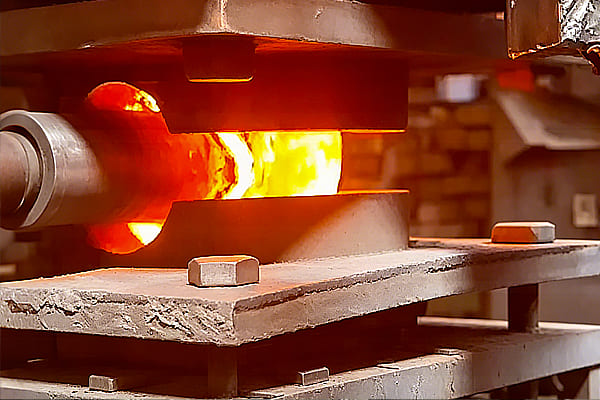
Integral forging
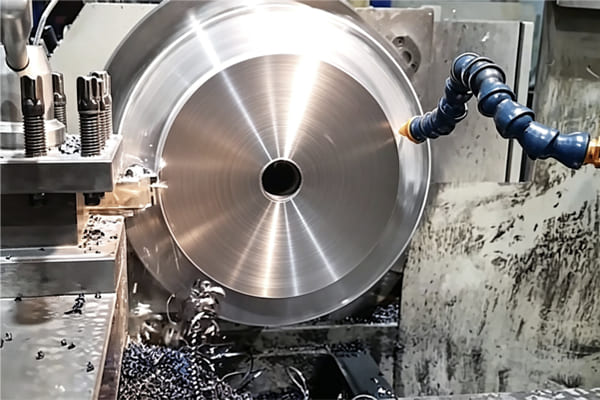
Turning
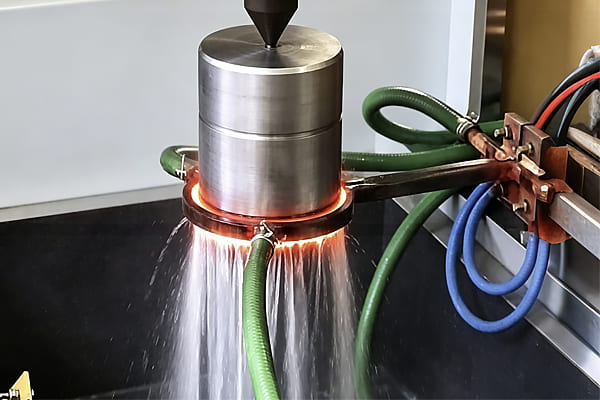
Induction hardening
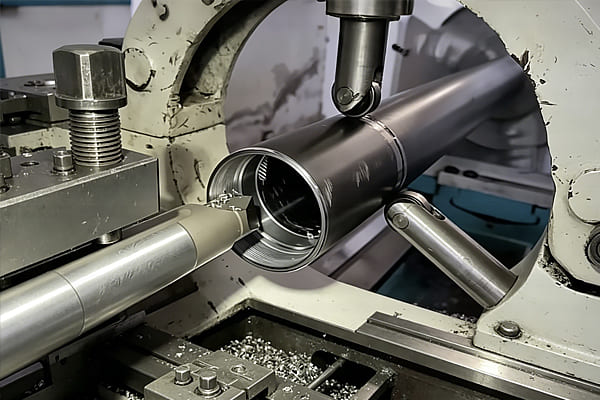
Cylinder barrel turning
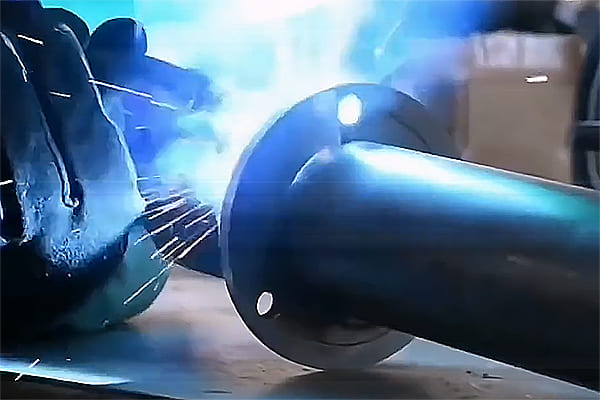
Welding
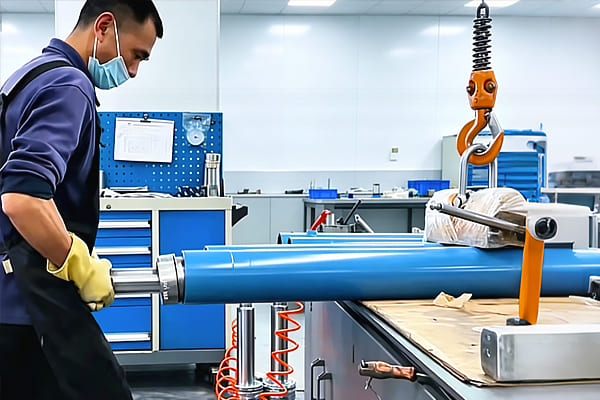
Assembly
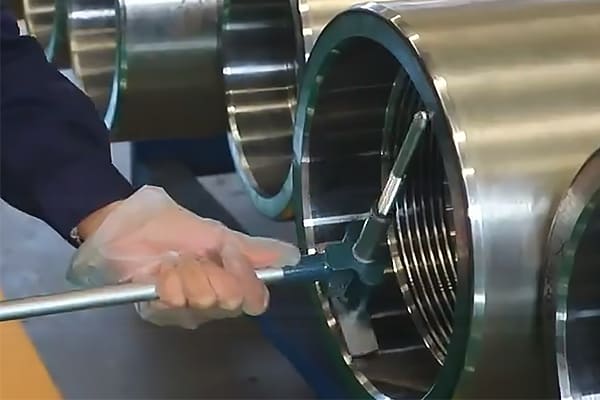
Dimensional measurement
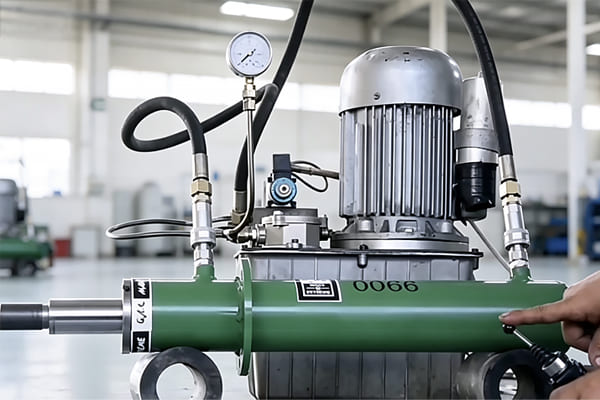
Pressure test