
Hydraulic Cylinder Material Cutting
Cutting is the second step of the whole process after incoming inspection and it’s also the first production step.
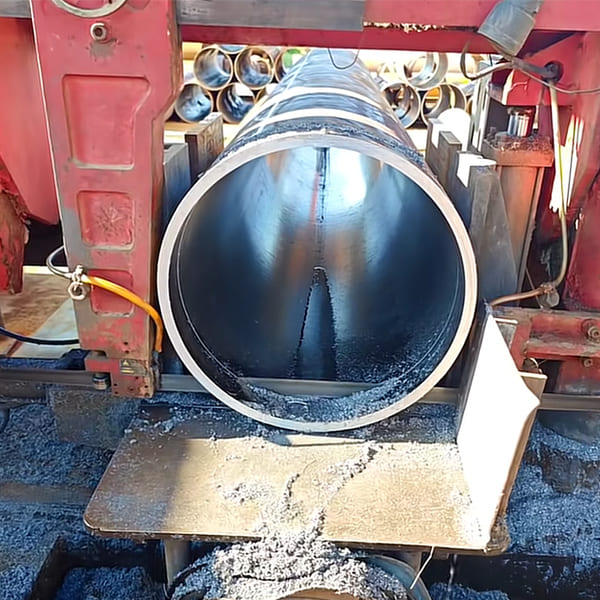
1. Cylinder Tube Cutting
Most of the components including cylinder tube, piston rod, cylinder bottom, end cap, flange, lug and piston blanks needs to be cut for the next processes.
First, let’s see how we cut cylinder tubes. We prefer seamless steel tubes dedicated to hydraulic cylinders, such as 27SiMn, 30CrMo and 45# steel. Before cutting, we check the steel grade, heat and batch numbers, and run ultrasonic testing to spot hidden internal cracks in the tube. When all checks pass, we cut the tube at room temperature with horizontal band saws or CNC circular saws. We leave 3-5 mm of allowance on both tube ends, beyond the cylinder length required according to the drawings. This allowance is for facing later to flatten the cut surfaces.
While cutting, we secure the tube with V-shaped support brackets and soft fixtures. This keeps the tube from getting crushed and avoids scratches on the inner bore. After cutting, we remove burrs from the cut edges and protect those sharp edges, then apply anti-rust treatment to the inner bore.
2. Piston Rod Cutting
For piston rod stock cutting, we use round bars or forged bar stock such as 45#, 40Cr, 42CrMo, 2Cr13 and stainless steel.
After confirming the material, we leave 3-5 mm of length allowance on both bar ends, beyond the piston rod dimensions required according to the drawings. This allowance is for later turning to flatten the bar ends.
We also leave 2-4 mm of allowance on the outside-diameter surface of the bar, to remove surface defects and fine cracks from steel mill rolling. Once cutting dimensions are confirmed, we cut the bar at room temperature with band saws or circular saws.
After cutting, we remove burrs from the cut edges and smooth those sharp edges.
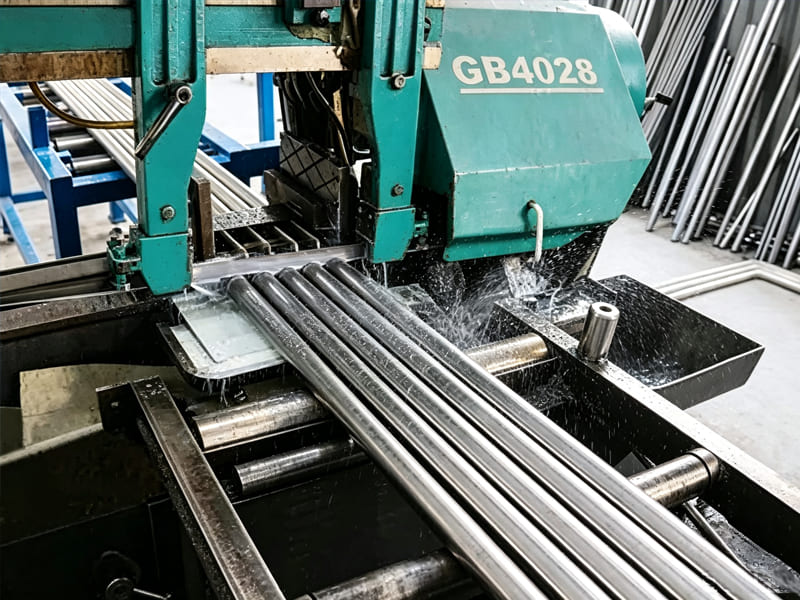
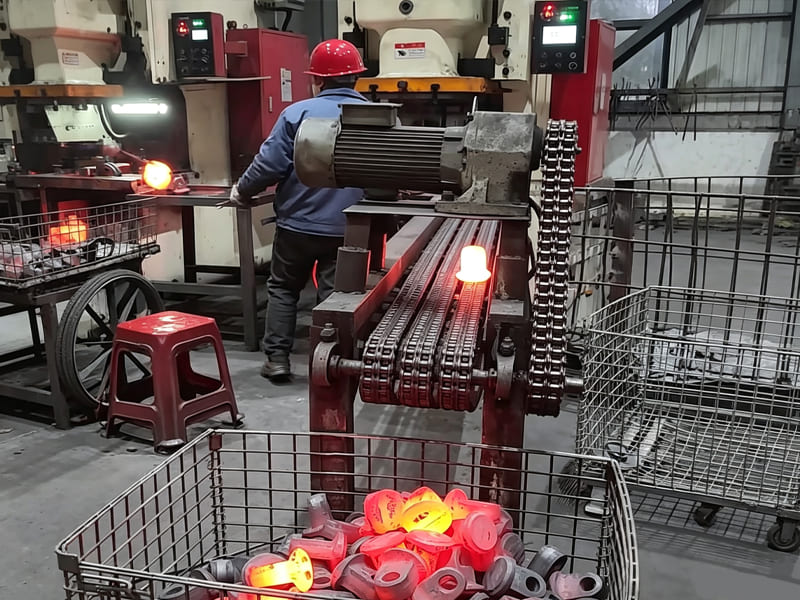
3. Processing of Other Parts
Leveraging our full in‑house manufacturing capacity, we are ready to develop custom hydraulic cylinder solutions for your project. Please get in touch with us today.
Contact Us