
Snowplow Hydraulic Cylinders Manufacturer
Bore sizes from 20 mm to 320 mm.
MOQ starts from only 1 piece.
Send us your drawings or specs for an engineering review and quote.
Brands We Serve in Hydraulic Industry















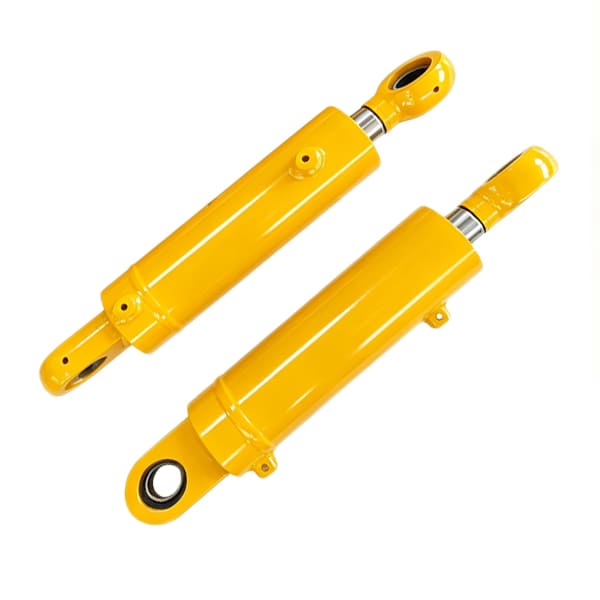
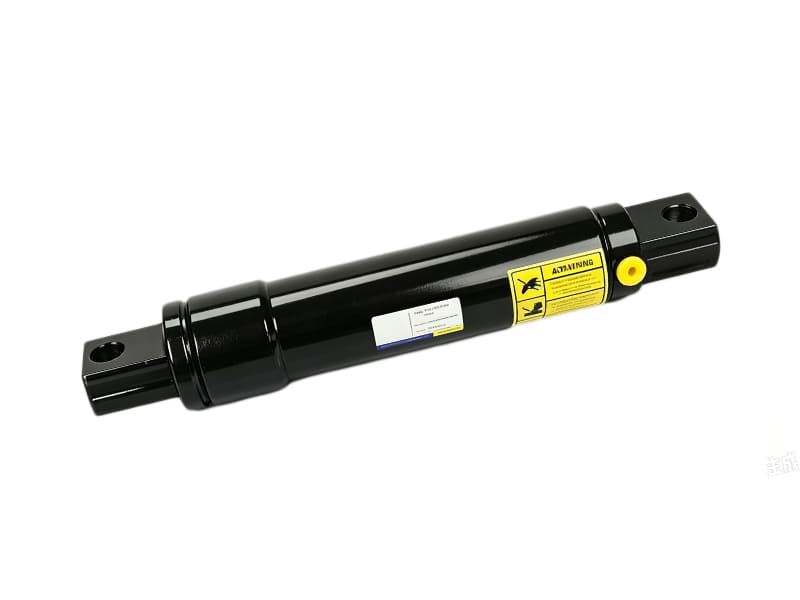
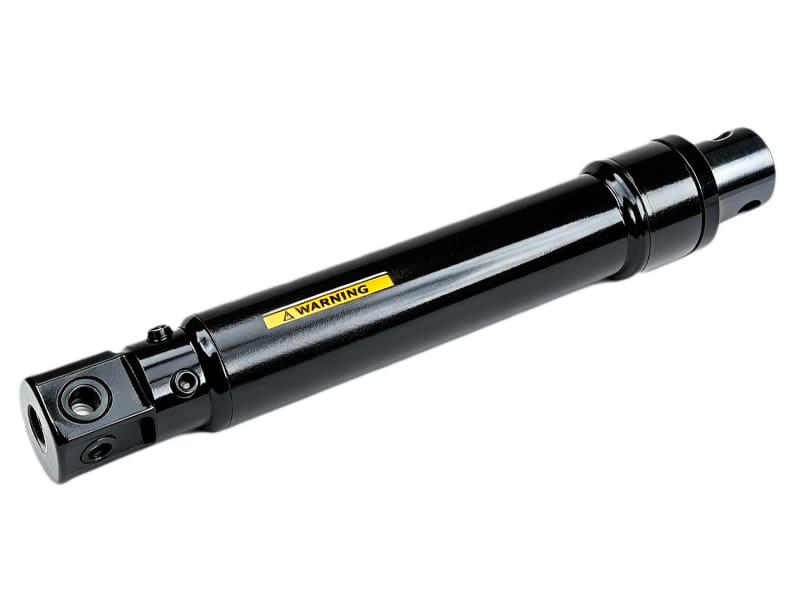
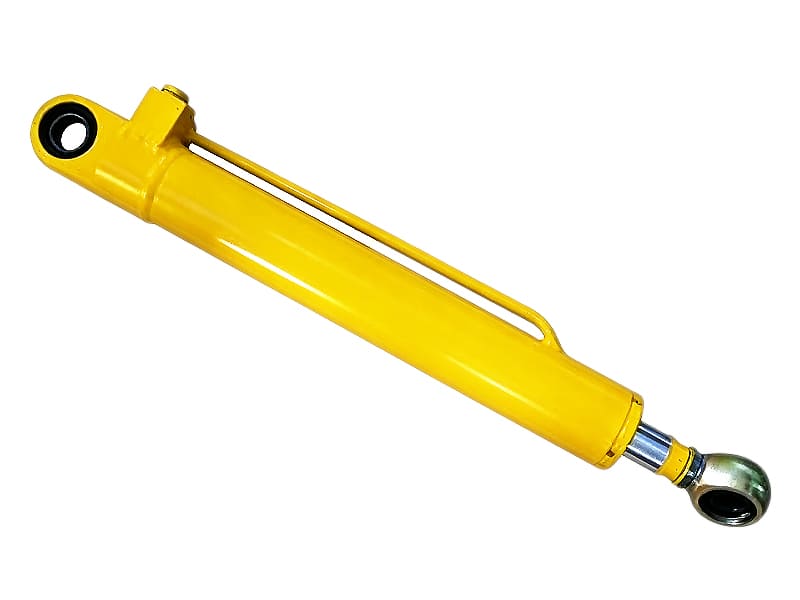
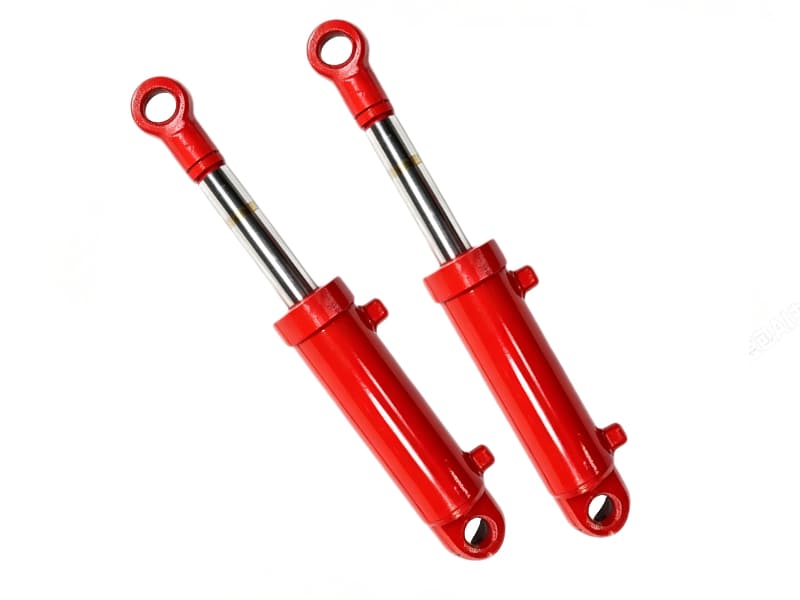
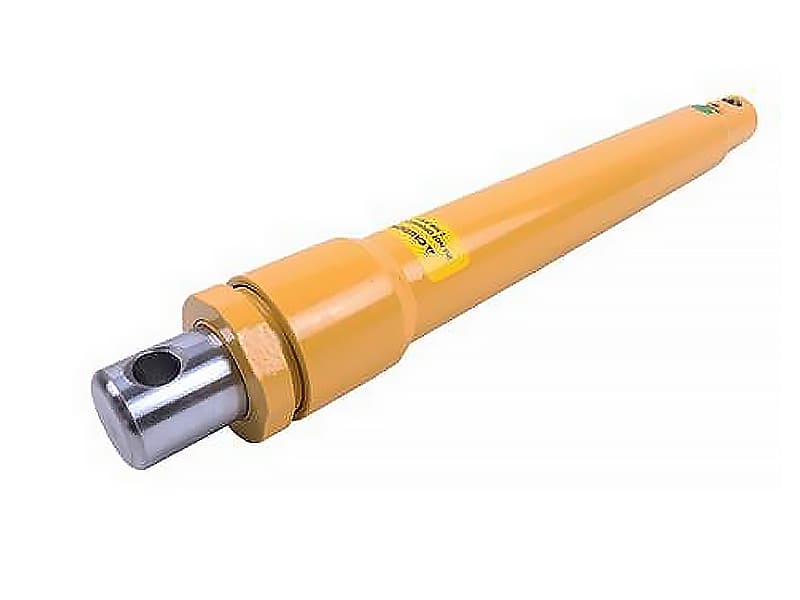
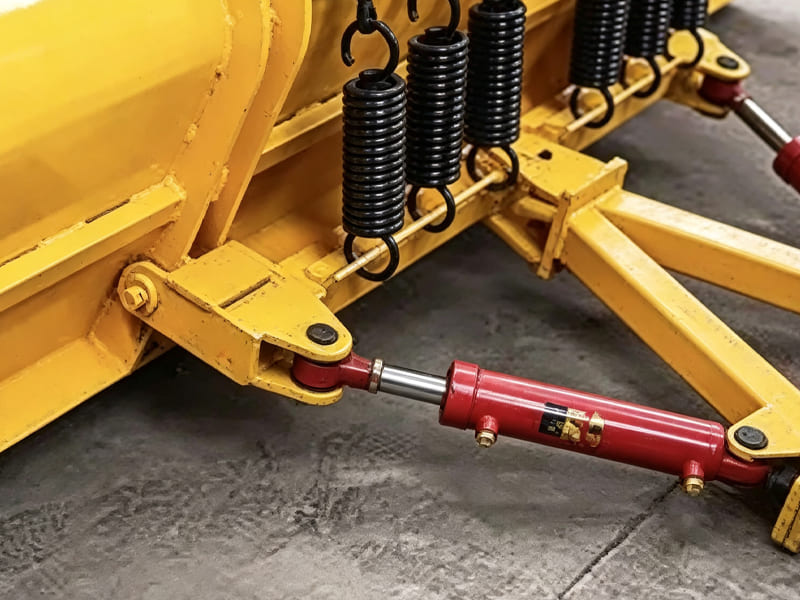
Snowplow Hydraulic Cylinders
Snowplow hydraulic cylinders are cylinders that mount on snow plows and power snow-removal blades to perform movements such as lifting and angle adjustment. They work at 16-25 MPa and suit working conditions such as municipal-road snow removal.
We normally use 1045 steel for piston rods, and we can change the material to meet customers' needs. Our piston rods go through quenching-and-tempering treatment before hard chrome plating. The chrome layer is typically 25-50 μm thick with hardness over HV900, which stands up to corrosion from de-icing agents and abrasion from ice particles, reducing rust pits, dents and scratches on the surface.
We machine cylinder tube bores through rough boring then fine honing and can build complete custom cylinders per your drawings or specifications.
Your Reliable Supplier of Snowplow Hydraulic Cylinders
With over ten years of experience in snowplow hydraulic cylinder manufacturing, we typically use low-temperature polyurethane seals, which pass one-million-cycle reciprocating durability tests at -35 ℃ low-temperature conditions. Besides, we perform fine boring and burnishing on cylinder tube bores to achieve a surface roughness of Ra 0.4 μm and H8 bore tolerance, reducing localized wear on sealing rings.
We offer highly flexible custom solutions for snowplow hydraulic cylinders with adjustable materials, processes and mounting styles.
Snowplow Hydraulic Cylinders
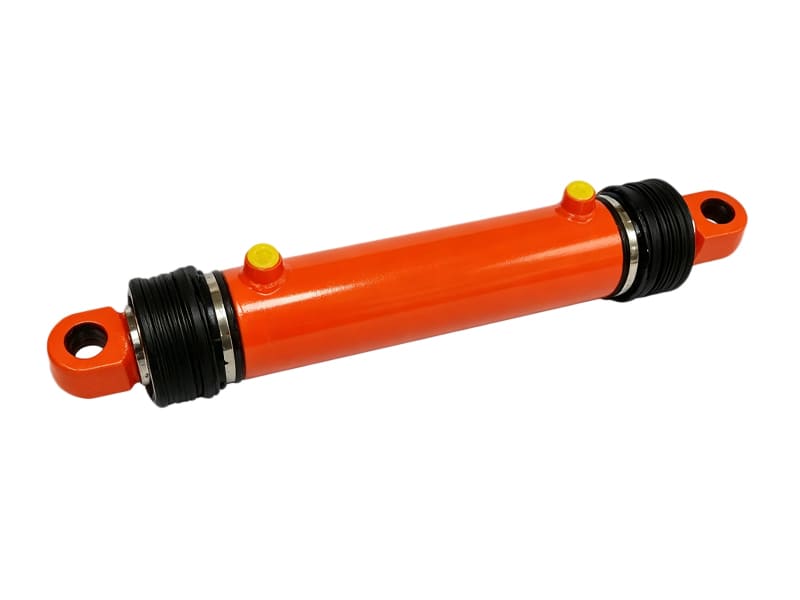
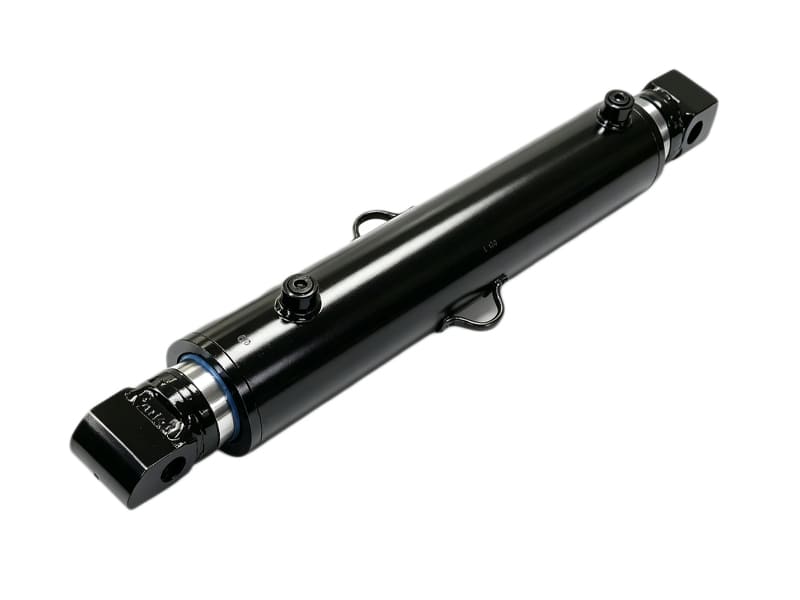
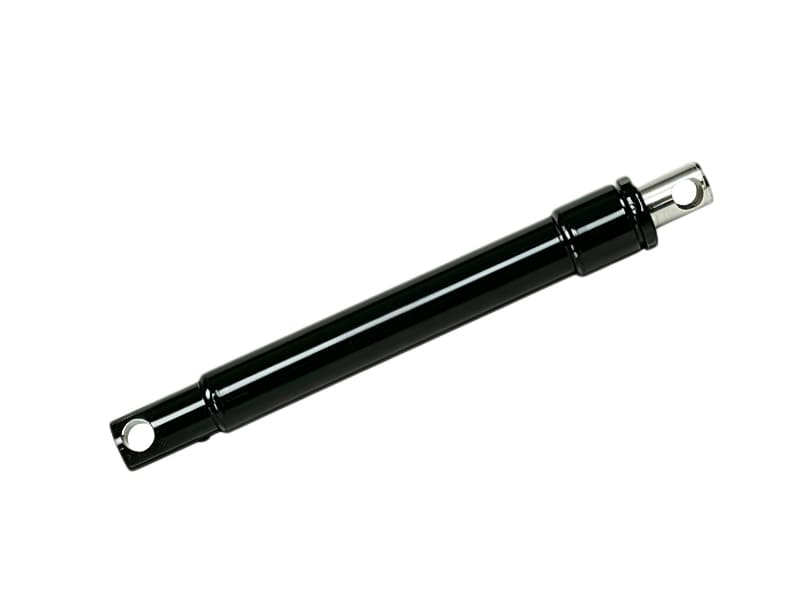
Applications of Snowplow Hydraulic Cylinders
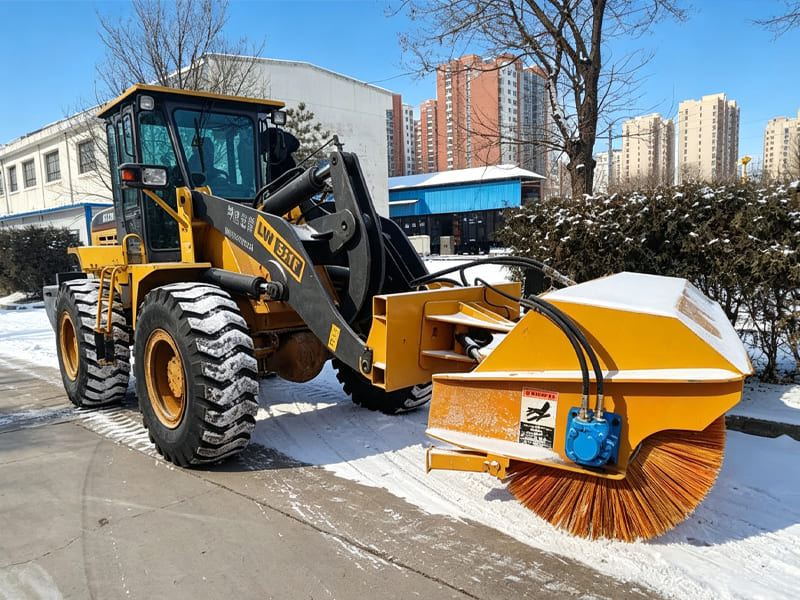
Main Lift & Transport Lock
Snowplow lift cylinders power snow-removal blades to perform lifting movements. Such applications demand high thrust margins from cylinders. Our snowplow hydraulic cylinders work at 17.2 MPa. Take the 63-mm-bore lift cylinder as an example; at this pressure, it delivers roughly 5.3-ton thrust, which is far higher than the 0.5-1.2-ton total weight of standard snow-removal blade assemblies, offering ample thrust margin. It keeps cylinders from overload damage even under sudden pulling shocks caused by heavy road bumps during operation.
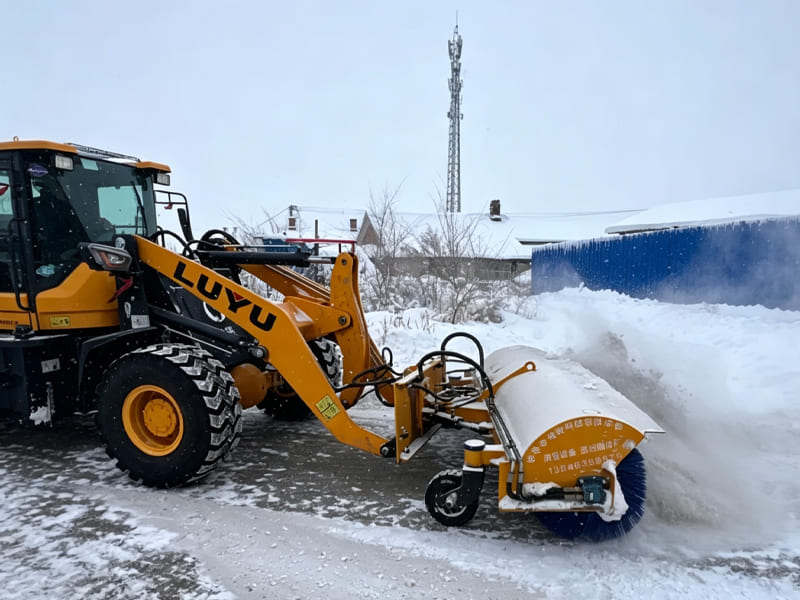
Downforce & Ice Crushing
Snowplow hydraulic cylinders power snow-removal blades to perform down-pressing and ice-breaking movements. Cylinders need to maintain working pressure throughout ice-breaking operations, so these applications demand high seal-holding performance. We closely control internal cylinder leakage. For the 80-mm-bore snowplow hydraulic cylinders, internal leakage does not exceed 0.13 ml per minute. Under a rated pressure of 17 MPa for four-hour continuous operation, total leakage reaches only around 31 ml, minimizing pressure drop during working cycles.
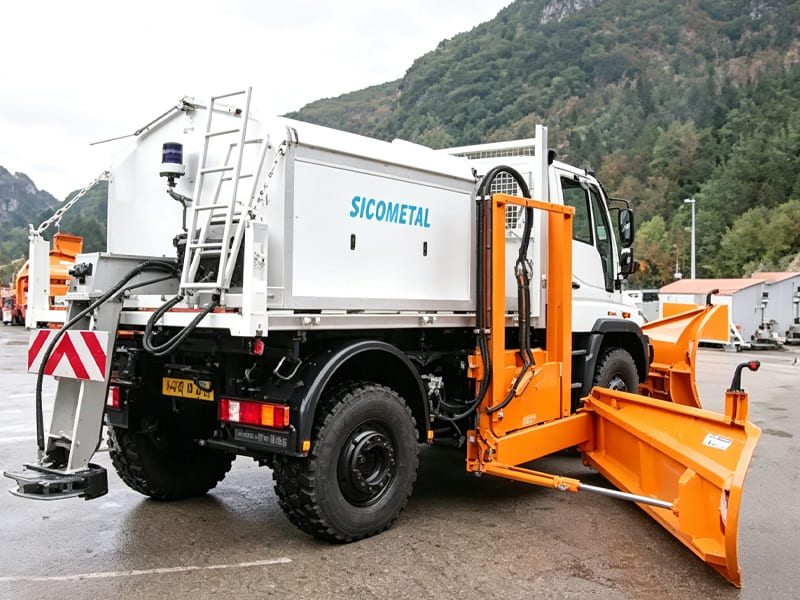
Wing Deployment & Fold
Snowplow wing-plate cylinders power side wing plates to perform movements such as extending and folding. Such applications demand strong resistance to sudden high-pressure loads. Our snowplow hydraulic cylinders feature two-stage relief valves. When wing plates jam and build-up pressure from hitting obstacles like frozen soil and ice layers, the primary valve opens above 20.7 MPa and the secondary valve activates at pressures over 24.1 MPa. This releases abnormal high pressure in stages, protecting both cylinders and wing plates from damage.
V-Plow Center Wedge Action
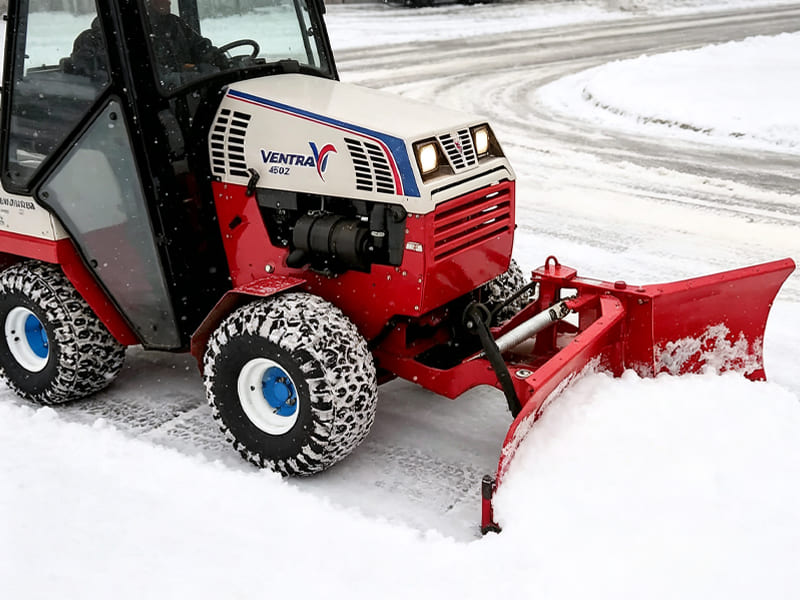
Snowplow hydraulic cylinders power the two-side blades of V-plows to perform retracting, extending and swing-angle adjustment. V-plow snow-clearing work creates uneven loading on left and right blades, exposing cylinder tubes to torsional loads. Such applications demand good torsion-resistance and fatigue strength. We make cylinder tubes from 45-steel through quenching-and-tempering then fine honing, delivering a bore roughness below Ra 0.4 μm. The piston rods feature hard-chrome plating with a minimum 20 μm layer thickness and hardness above HV 800. This withstands torsional loads and tens of thousands of shock cycles, lowering risks of fatigue cracks.
Blade Pitch/Tilt Fine-Tuning
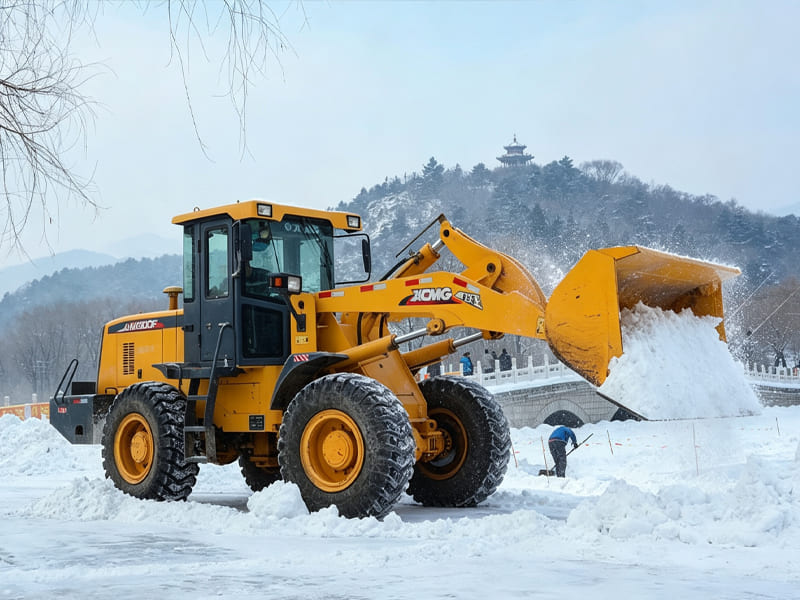
Snowplow pitch cylinders power snow-removal blades for continuous, fine pitch-angle adjustment. Such applications demand high adjustment precision from cylinders. We pair dual cylinders with limit sensors to hold static blade-angle error within ±0.5°. Meanwhile, displacement sensors monitor blade positions in real time for dynamic correction, keeping blade-to-ground error within ±2 mm. We also keep tight machining tolerances for mounting points of blades and links, limiting machining error to the 0.1-0.5-mm range. This reduces assembly-related deviation, delivering clean snow-clearing results and preventing road surface scuffing.
Emergency Dump & Gravity Return
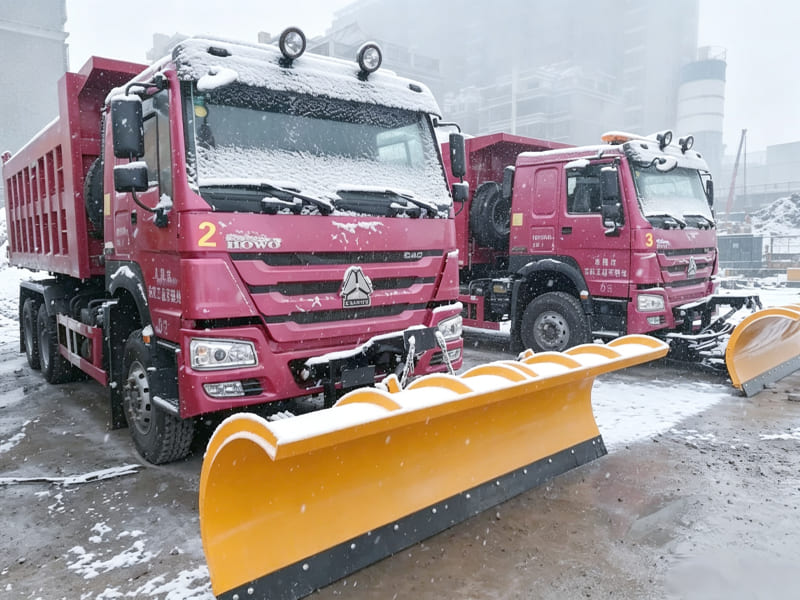
Snowplow lift cylinders power snow-removal blades for lifting. These applications need cylinders with low-resistance return-oil paths. We use single-acting cylinder designs, relying on blade weight for retraction. Back-pressure in return lines stays below 0.5 MPa, keeping internal line resistance low. This lets blade weight overcome line pressure and cylinder friction, allowing smooth blade reset even after the engine shuts down.
Chrome Pitting from Road Salt Exposure on Snowplow Hydraulic Cylinders
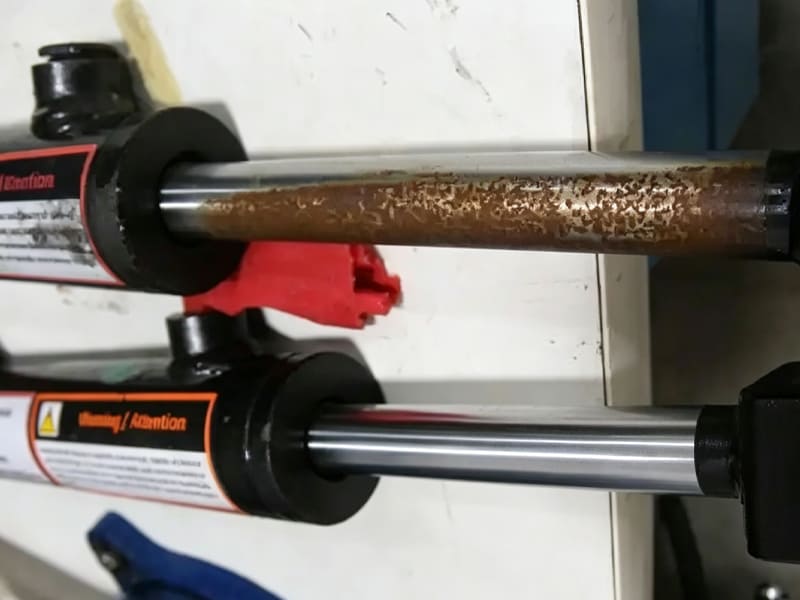
During snowplow operation, de-icing salt on roads mixes with meltwater and dirt to create salty slurry that splashes onto piston rods. The chrome plating on piston rods contains microscopic cracks. Chloride ions from this slurry penetrate these gaps, damaging the chrome layer and corroding the underlying steel substrate. Rust makes steel expand, cracking the chrome plating and leaving visible corrosion pits on the piston-rod surface.
Our piston rods adopt a two-layer plating structure: a milky-chrome base layer topped with hard-chrome surface plating. We control the milky-chrome base thickness between 20-25 μm, while the hard-chrome top layer ranges from 30-60 μm. Neutral salt-spray testing shows corrosion does not appear until after 400 hours. This far outperforms standard single-layer hard-chrome plating, which only lasts 96 hours. For working conditions with severe salt exposure, we also apply sealant to fill micro-cracks within the chrome layers. This blocks penetration paths for salt water and chloride ions, improving salt-spray resistance by an additional 30-50%.
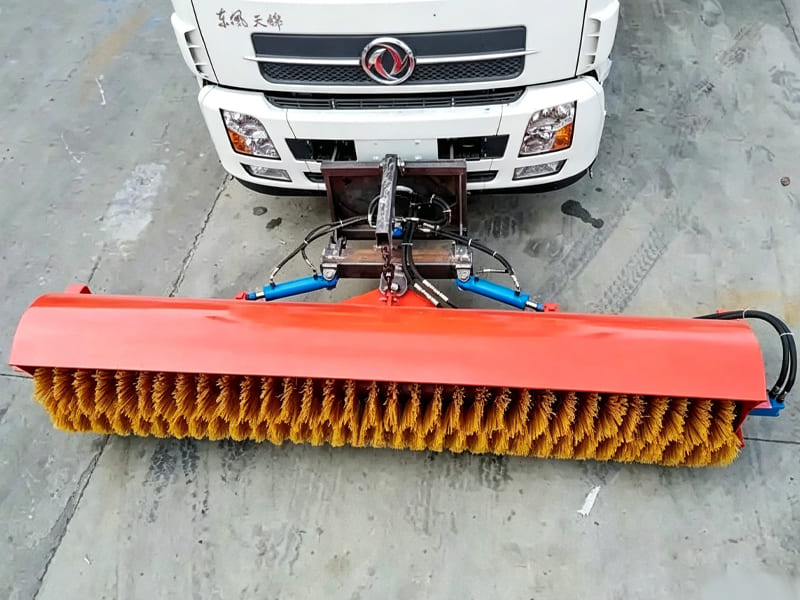
Lift Lag and Pump Cavitation at Extreme Low Temperatures on Snowplow Hydraulic Cylinders
At low temperatures, hydraulic-oil viscosity rises sharply, which hurts fluid flow. This increases suction resistance for the hydraulic pump and may trigger dry suction and cavitation, reducing the pump’s actual output flow. In cold conditions, standard polyurethane seals turn hard and brittle and lose elasticity. When combined with system-pressure fluctuations caused by cavitation, this worsens internal leakage within cylinders. As a result, cylinder lifting slows down.
We recommend customers use L-HV low-temperature anti-wear hydraulic oil or L-HS ultra-low-temperature hydraulic oil. When choosing oil, its pour point must lie at least 10 °C below the local minimum ambient temperature. For -40 °C operating conditions, for instance, the oil pour point should not exceed -50 °C. One customer ran standard 46-grade hydraulic oil for night-time work at -28 °C. The pump’s actual hours of reliable operation dropped from 3000 hours to just 400 hours. After switching to LHV32 low-temperature anti-wear hydraulic oil with a -39 °C pour point, return-line pressure across the whole system stayed steady within 0.8 MPa. The lift-and-lower cycle time for the snow brush fell by 40%.
Blade Drift from Cross-Port Leakage under Uneven Snow Loads on Snowplow Hydraulic Cylinders
When a snowplow operates, road surfaces are uneven and snow thickness keeps changing. When the blade hits hard snow banks, one side takes far more load than the other and creates offset load. This offset load transfers through the blade frame to the two lift cylinders, producing a large pressure difference between them. Pressure in the rod-less chamber on one cylinder can jump above 20 MPa, while the other side only sees a few MPa. If clearance between spool and valve body in the directional valve is too large, high-pressure oil will pass through the annular gap over to the low-pressure side. This brings cylinder pressure loss and faster blade drop, so operators must keep adjusting blade height with the control lever.
We recommend customers use zero-leak valves with spool sealing structures. These keep internal system leakage below 5 ml per minute, reducing blade drop caused by cross-flow under high pressure differential conditions. Besides, our wear rings are made of bronze-filled PTFE composite material. With a compressive strength of 30-50 MPa, these rings evenly spread side-loads caused by offset loading and improve the cylinder’s overall offset-load resistance.
Certifications
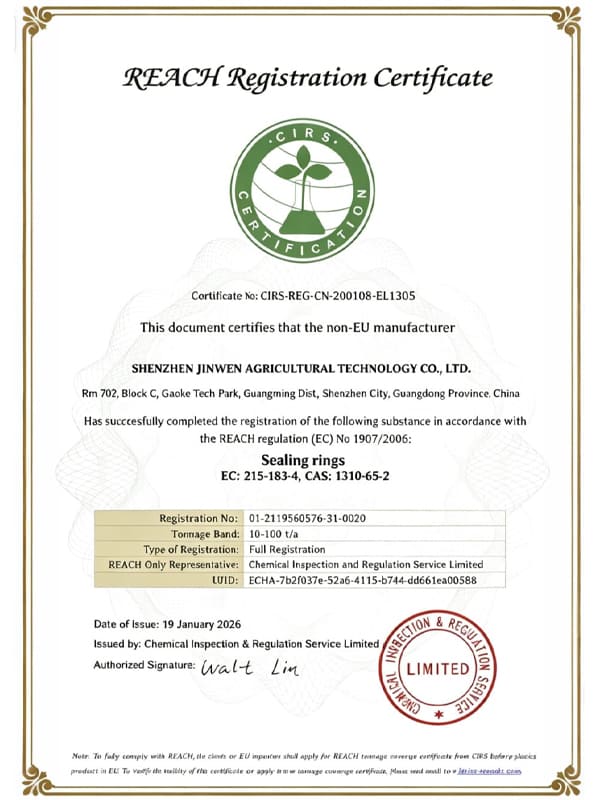
REACH Certificate
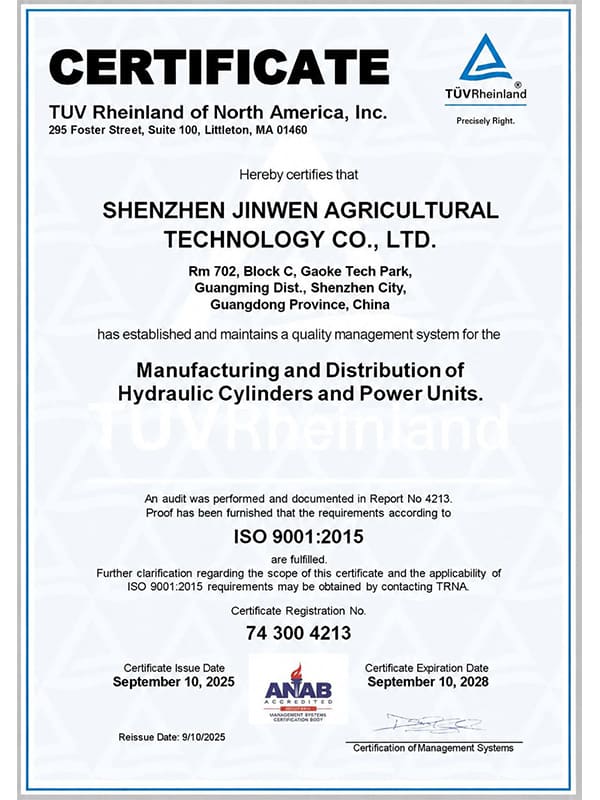
ISO 9001 Certificate
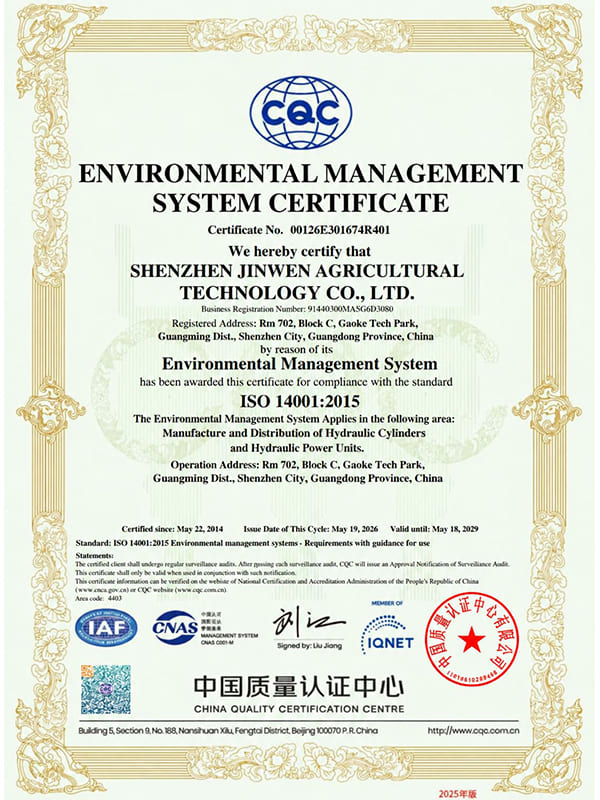
ISO 14001 Certificate
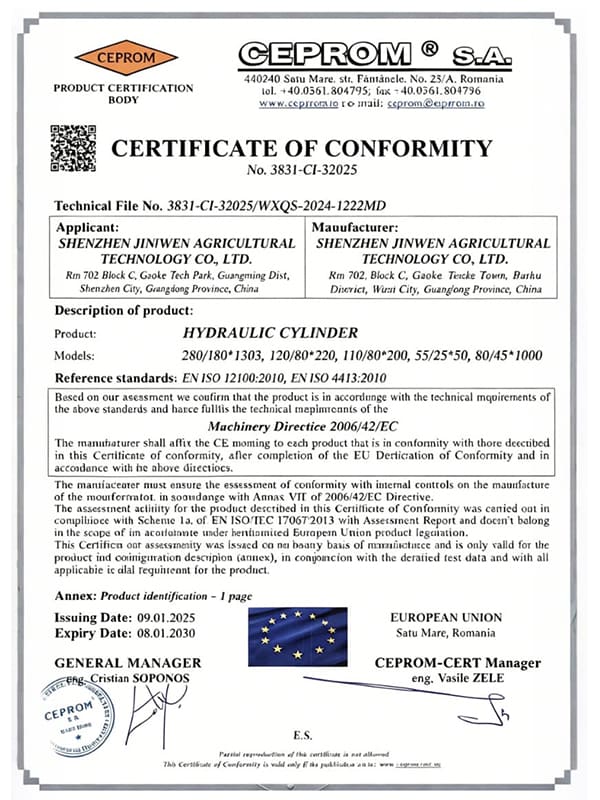
Certificate of Conformity
Why Work with Us
Piston-Rod Anti-Corrosion Engineering
Our piston rods feature a 15-20 μm aluminum oxide ceramic film on their chrome-plated layers to stand up to chloride ion corrosion from de-icing agents.
Extreme-Cold Seal Compound Formulation
We use custom low-temperature polyurethane for our sealing systems to handle extreme-cold working conditions on snow plows.
Full-Stroke Pressure-Video Documentation
We use cameras to capture pressure-gauge readings and check for oil seepage at cylinder seal positions during full-stroke pressure tests, and file them by order number so you can pull them up anytime.
Winter-Ready Rapid-Response Technical Support
We run a dedicated winter-service hotline for snow-plow hydraulic cylinder customers, and you only need to send us on-site oil-leak photos so we can quickly pinpoint faults like seal aging and piston wear.
How to Customize Your Snowplow Hydraulic Cylinders
Send Your Drawing
Provide us the detailed drawing or physical sample or critical dimensions, working pressure, mounting details.
Working Environment
Whether the cylinders works in high temperature, humidity, salt spray, dust and high frequency, pressure.
Get Quick Quote
We review all details of drawing and requirements and provide optimization suggestions with our experiences if necessary.
Production Procedure
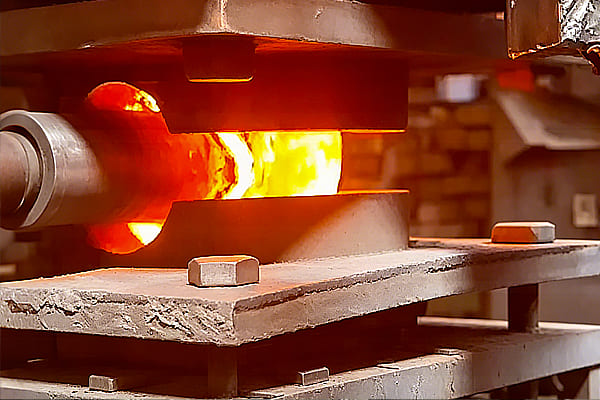
Integral forging
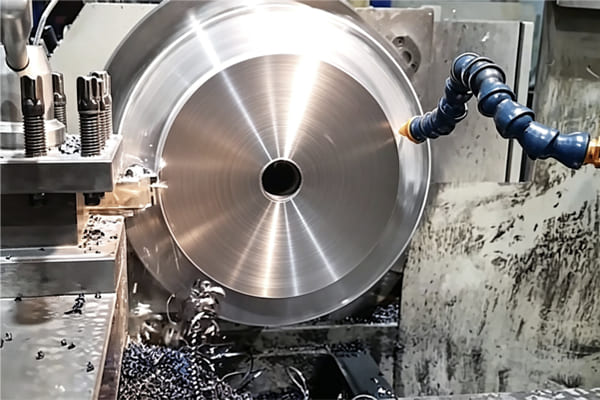
Turning
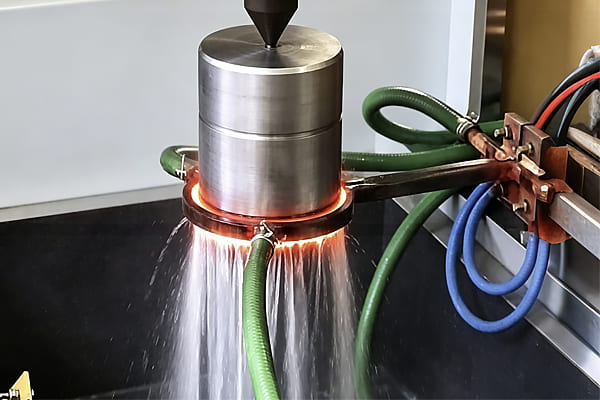
Induction hardening
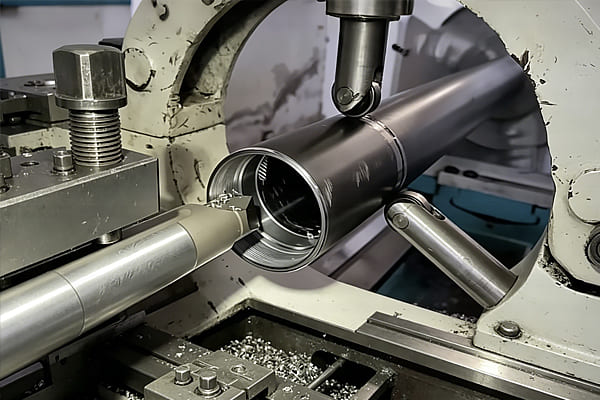
Cylinder barrel turning
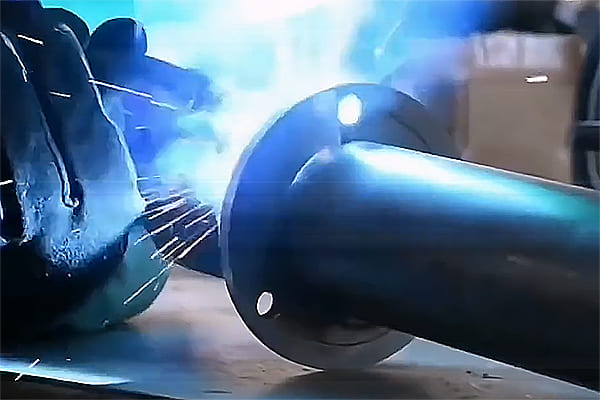
Welding
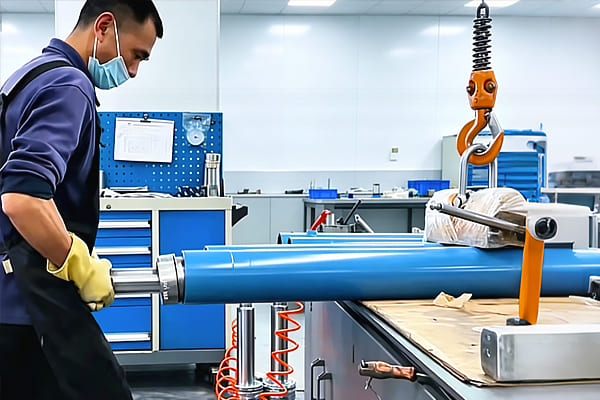
Assembly
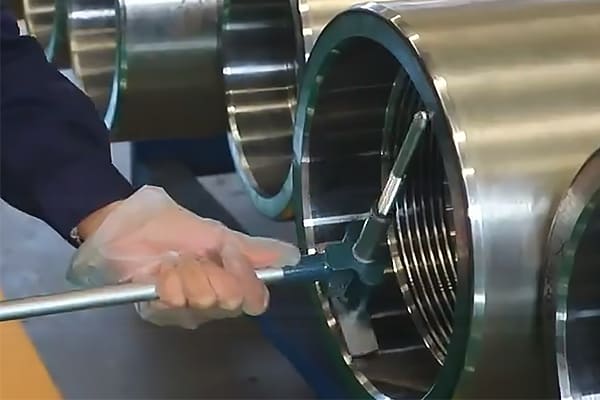
Dimensional measurement
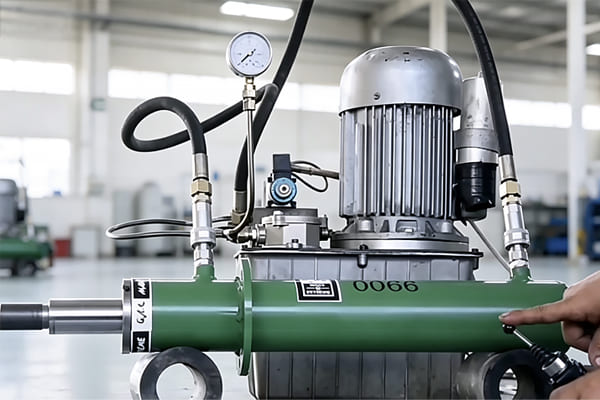
Pressure test