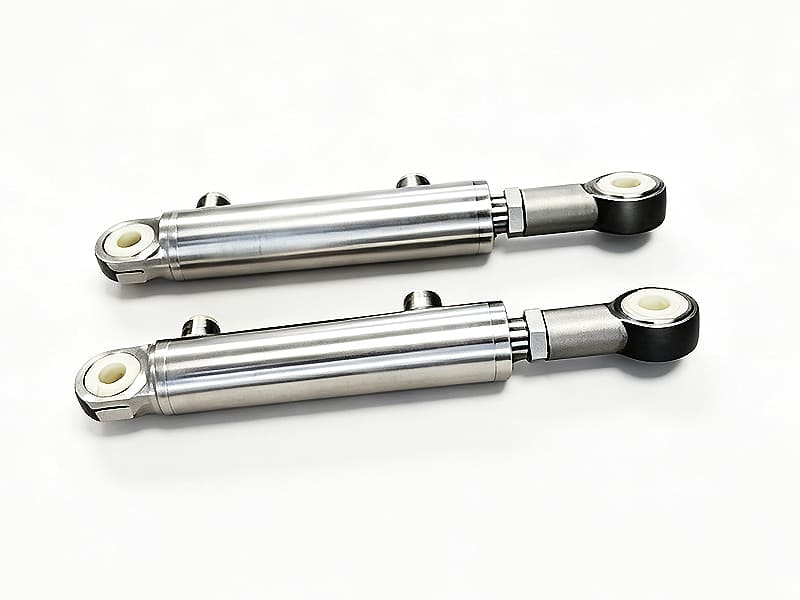
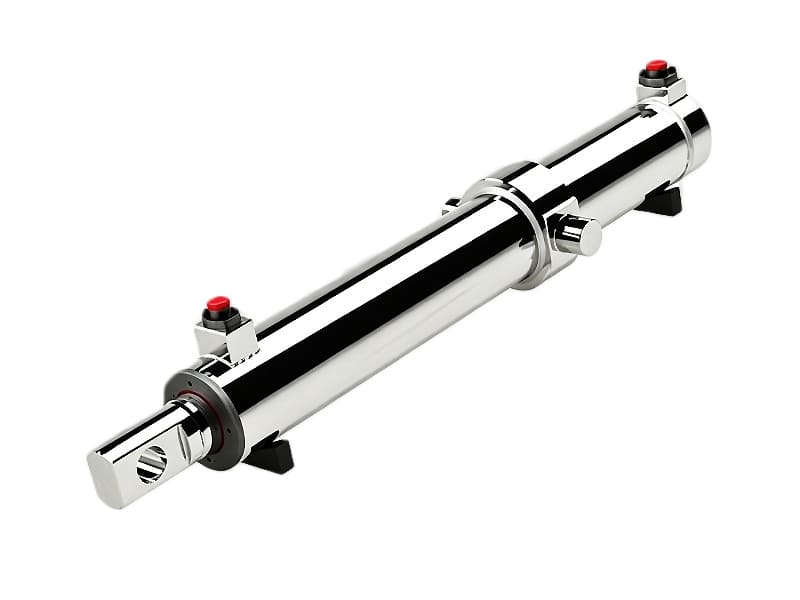
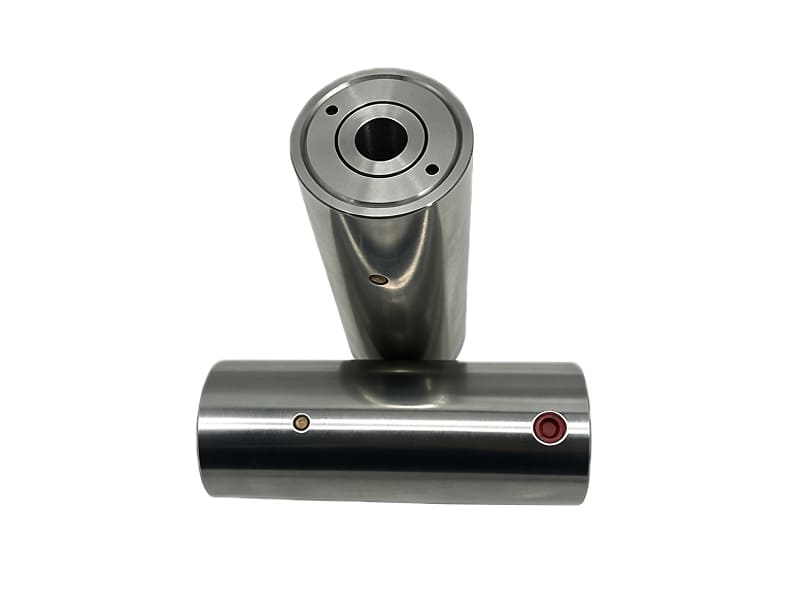
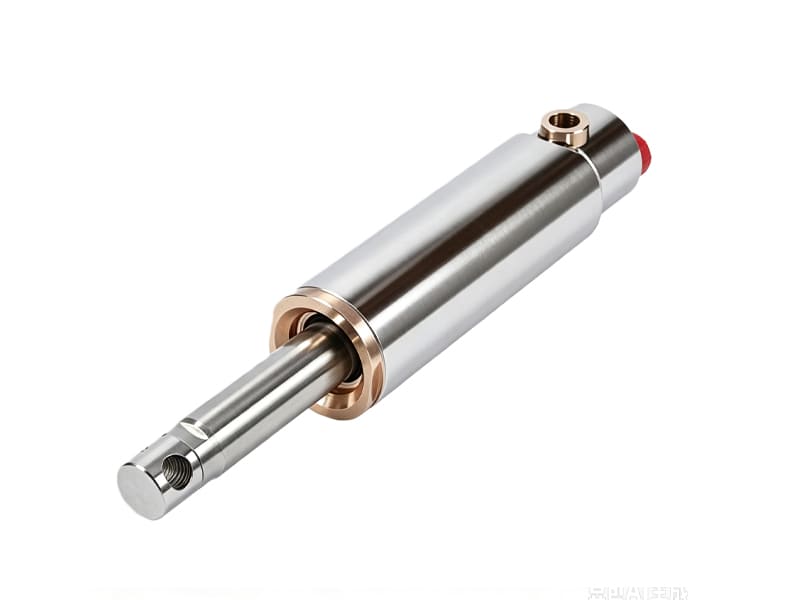
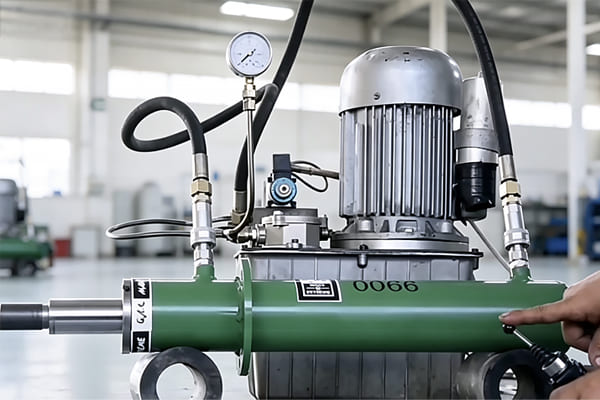
Cylinder bore surface roughness below Ra 0.3 μm. MOQ starts from only 1 piece. Send us your drawings or specs for an engineering review and quote.
Brands We Serve in Hydraulic Industry
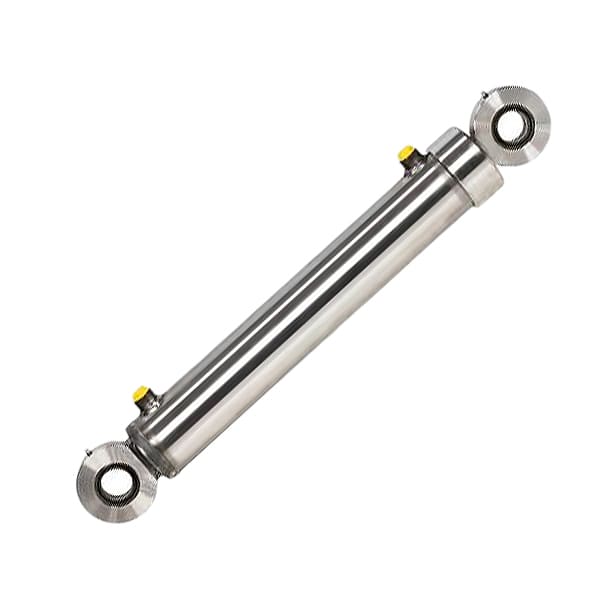
Stainless Steel Hydraulic Cylinders
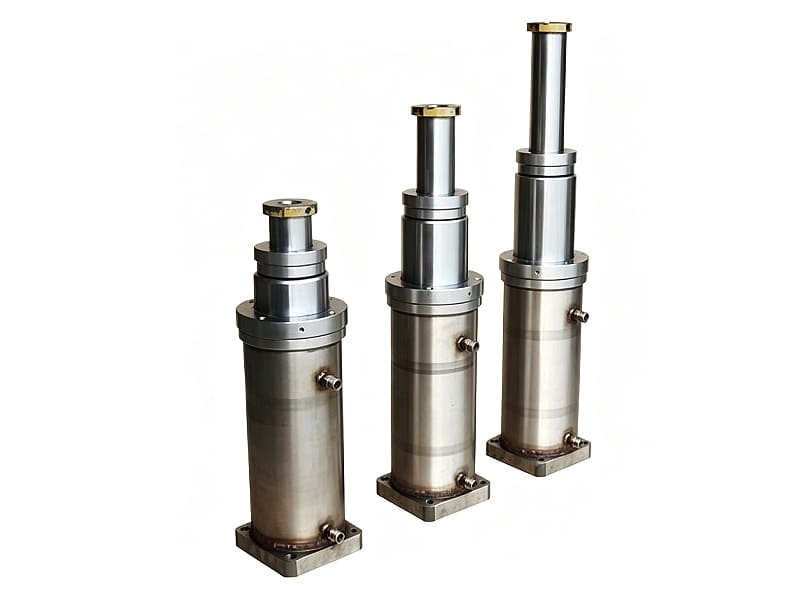
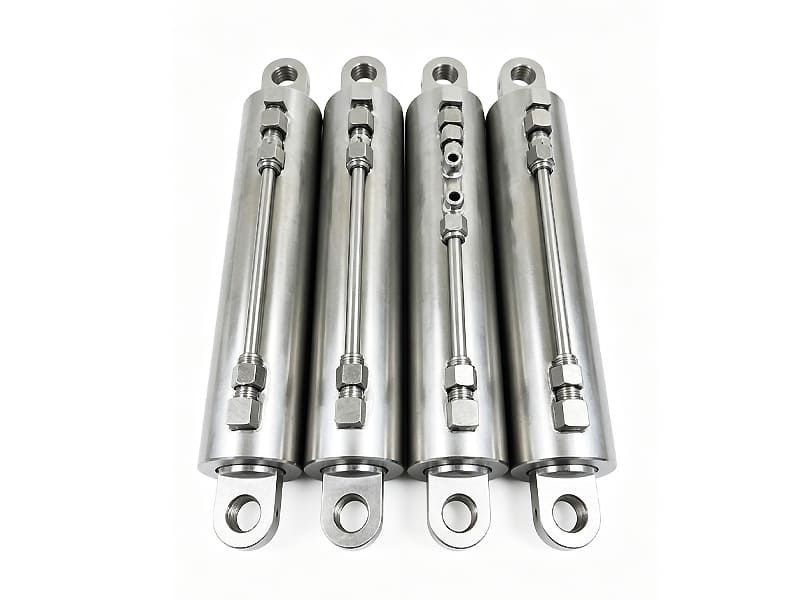
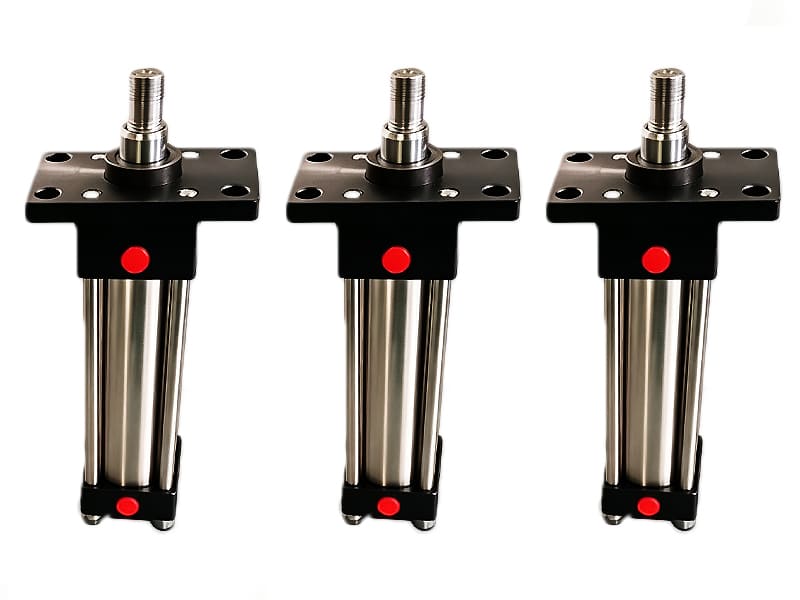
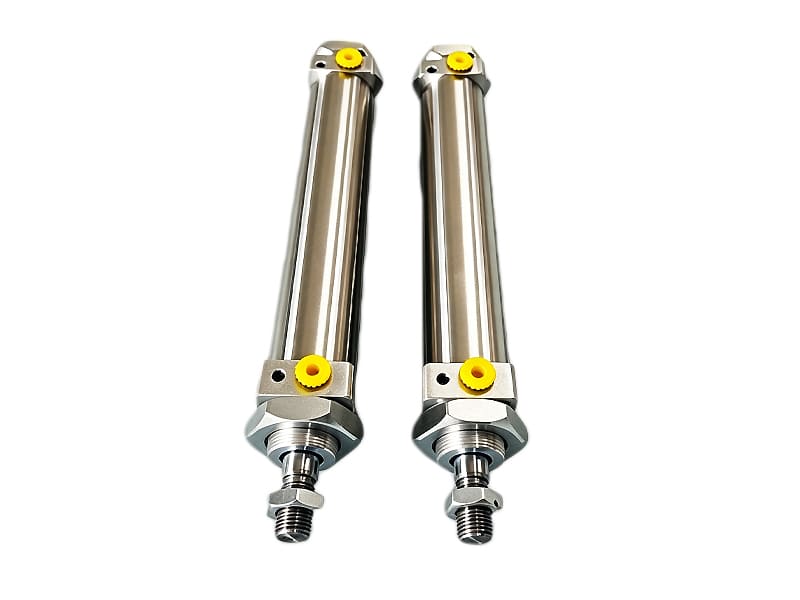
The main components of a stainless steel hydraulic cylinder, such as the cylinder tube and piston rod, are made of stainless steel. These cylinders can work at pressures up to 16 MPa. Compared with other hydraulic cylinders, stainless steel cylinders offer better corrosion resistance. In coastal salt-spray conditions, regular carbon steel gets badly rusted within 1-3 months, while stainless steel stays largely free of rust for 3-5 years. so they are widely used in coastal salt-spray, humid, and mild acid-alkali environments.
We typically use austenitic stainless steel for cylinder tubes and piston rods. The most popular grades are 304 and 316L. 304 works great for normal operating conditions. Go with 316L if your application involves high chloride-ion levels or sees constant seawater exposure.
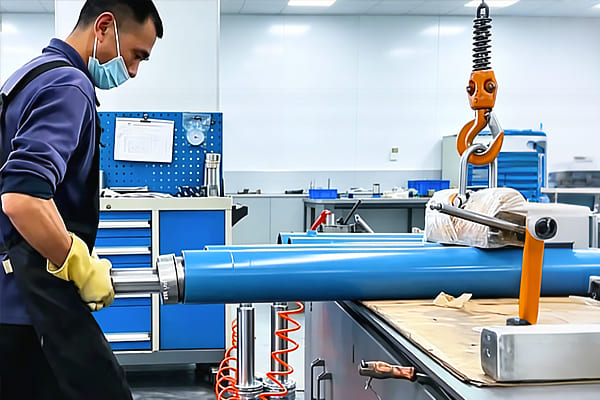
Our stainless steel hydraulic cylinders are made by machining. We can produce custom hydraulic cylinders according to your drawings or specifications.
Your Reliable Supplier of Stainless Steel Hydraulic Cylinders
Stainless steel has a hardness of 150-180 HB, lower than 220-250 HB for carbon steel, so stainless steel hydraulic cylinders are more likely to get scratched during machining compared with other cylinder types. That means stainless steel hydraulic cylinders demand higher machining precision. Stainless steel material are more used on offshore hydraulic cylinders which require very high corrosion resistance property.
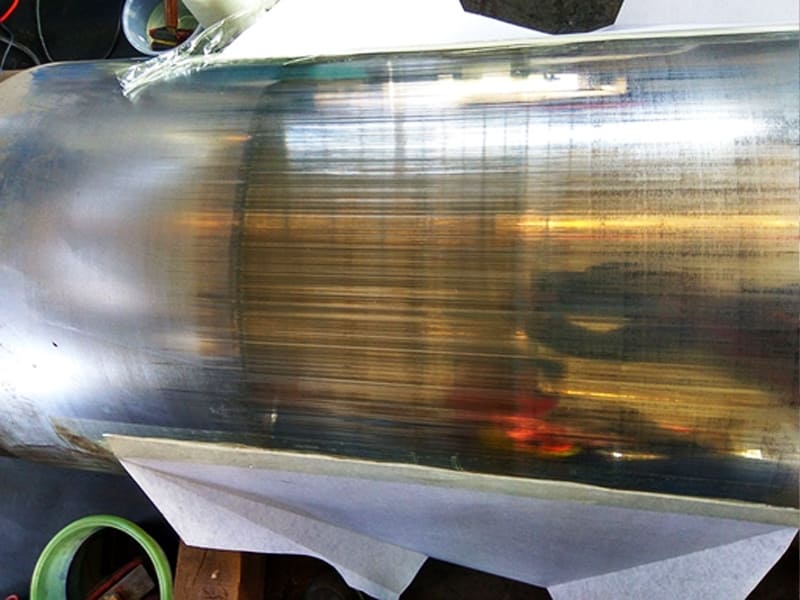
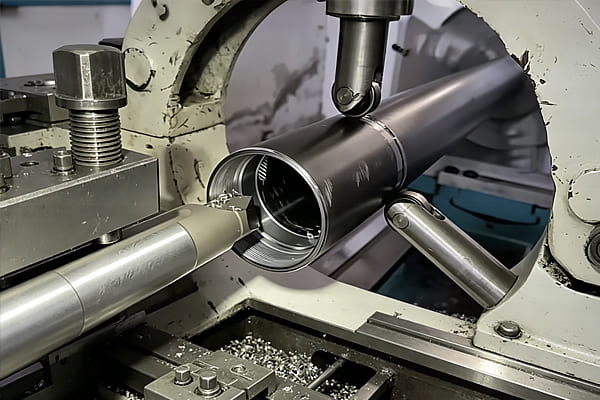
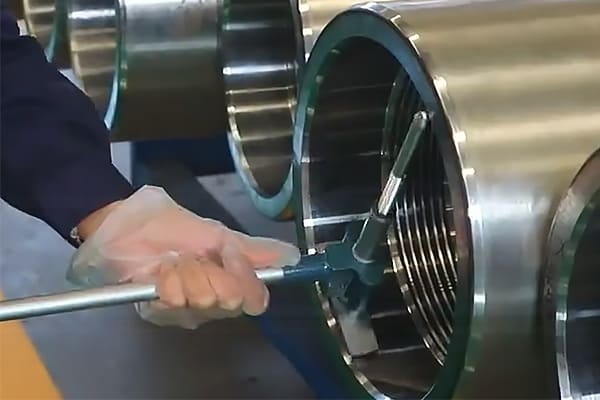
With over ten years of experience in stainless steel hydraulic cylinder manufacturing, we achieve an inner-bore surface roughness of Ra ≤ 0.3 μm for cylinder barrels. When machining cylinder bores, we start with rough boring to leave proper machining allowance. After rough-boring, the bore surface roughness is around Ra 6.3-12.5 μm. Next, we perform stress-relief treatment to get rid of internal stresses from rough boring. This avoids deformation and tiny cracks later on. We then carry out fine boring followed by roller burnishing to bring the surface roughness down to Ra ≤ 0.3 μm.
We provide highly flexible custom services for stainless steel hydraulic cylinders with adjustable materials, processes, bore sizes and mounting styles, offering alternative material and process options according to your equipment type and working conditions.
Stainless Steel Hydraulic Cylinders
Applications of Stainless Steel Hydraulic Cylinders
Chemical Equipment
Stainless steel hydraulic cylinders power various valves on chemical equipment to open, close and switch media flow. These applications demand excellent corrosion and high-temperature resistance. Stainless steel hydraulic cylinders feature a protective chromium-oxide film, which helps them resist acid, alkali and salt-spray corrosion in chemical-plant environments. Besides, stainless steel also handles high temperatures better than regular steel.
Food-Processing Machinery
Stainless steel hydraulic cylinders are widely used in food-processing machinery. They power filling machines and mould presses to move filling heads up and down and press moulds. These applications require excellent hygiene and safety for the equipment. Stainless steel materials meet food-contact regulations. They won’t leach harmful substances that would contaminate food.
Pharmaceutical-Processing Machinery
Stainless steel hydraulic cylinders are widely used in pharmaceutical-processing equipment. They power tablet presses to compress and form tablets. These applications demand great cleanability and high-temperature performance from the equipment. Stainless steel has a smooth surface, so powder does not stick easily. It can be cleaned thoroughly with simple rinsing. Besides, 316L stainless steel can handle repeated exposure to 121 °C high-temperature steam and resist surface rust well.
Semiconductor-Manufacturing Equipment
Stainless steel hydraulic cylinders power semiconductor manufacturing equipment such as wafer transfer machines and lithography machines, enabling robot-arm extension, retraction, lifting and work-table positioning. These applications demand great resistance to particle contamination and high-temperature deformation from the equipment. Smooth stainless steel bodies paired with hard-chrome-plated piston rods produce very few wear debris during operation. This keeps fine particles from contaminating wafers. Besides, stainless steel hydraulic cylinders do not deform easily even with fluctuating ambient temperatures, so lithography machines can run steadily.
Desalination Equipment
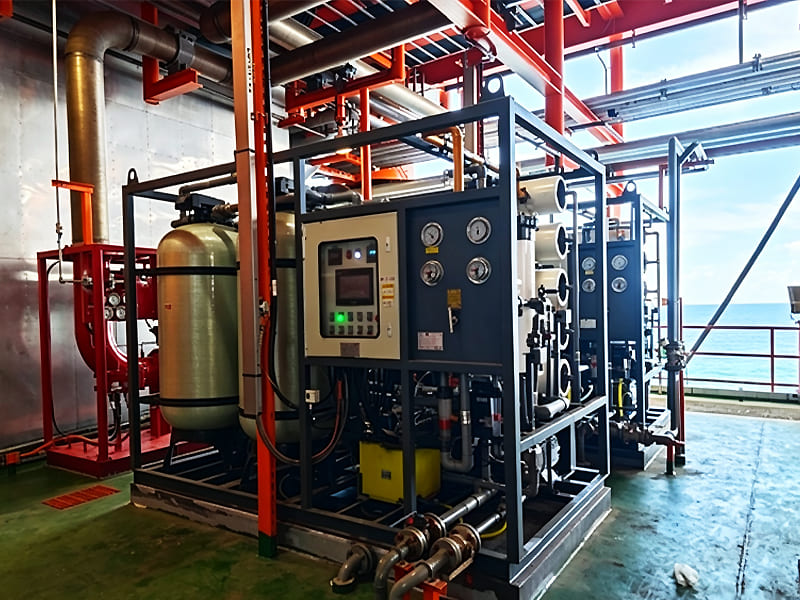
Stainless steel hydraulic cylinders are mainly used in various desalination equipment to power high-pressure valves and push or retract descaling scrapers. These applications demand strong resistance to chloride-ion corrosion. Seawater is high in chloride ions, and coastal areas see heavy salt-spray conditions. Stainless steel forms a dense, stable protective film to stand up to seawater and salt-spray corrosion.
Textile Printing and Dyeing Machinery
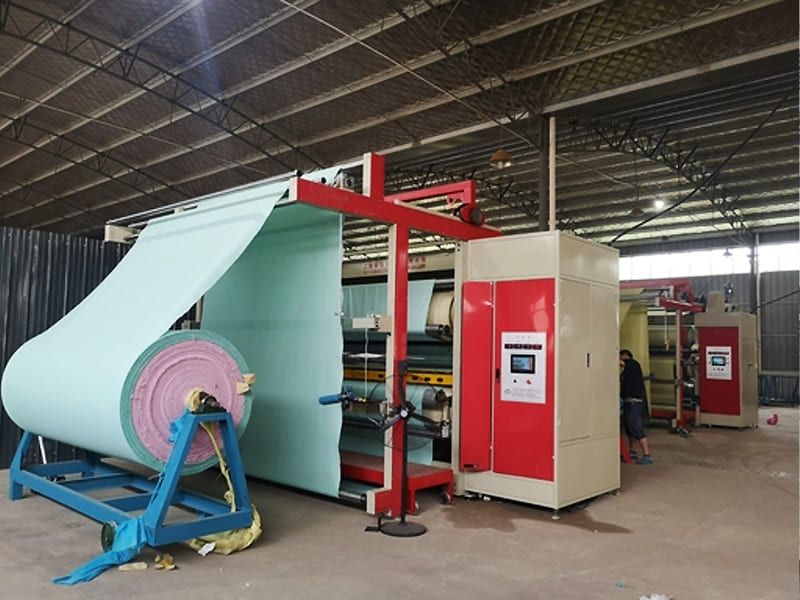
Stainless steel hydraulic cylinders power textile printing and dyeing machinery such as dyeing machines and heat-setting machines, enabling fabric lifting, swinging and fabric-width adjustment. These applications demand strong resistance to high-temperature oxidation and repeated hydraulic shock. Operating at around 200 °C, heat-setting machines make regular steel flake off and shed particles, while stainless steel produces almost no such debris, keeping contaminants off the fabric. Besides, dyeing machines shift direction very often, so cylinders face continuous hydraulic shock. Stainless steel offers good shock resistance and is less likely to crack.
Galling on Stainless Steel Hydraulic Cylinders
Stainless steel is relatively low in hardness, so its metal surfaces tend to stick to one another. When the cylinder is in service, if the lubricating oil film fails and two metal surfaces touch directly, high internal pressure can weld tiny surface peaks together and lead to galling. If the cylinder keeps sliding, these welded spots tear apart, leaving scratch grooves on component surfaces.
To solve this problem, we use copper alloys and PTFE-based composites for piston outer diameters and guide rings. This soft-hard material combination provides built-in lubrication and greatly reduces the risk of metal welding and galling. We also fit non-metallic support rings inside the guide bushing to prevent direct-metal-on-stainless-steel friction. In addition, we apply high-speed laser cladding to deposit nickel-based or cobalt-based alloy coatings on piston rods or cylinder inner bores. These coatings reach hardness above HV600, improving the material’s resistance to galling and scoring.
Stress Corrosion Cracking on Stainless Steel Hydraulic Cylinders
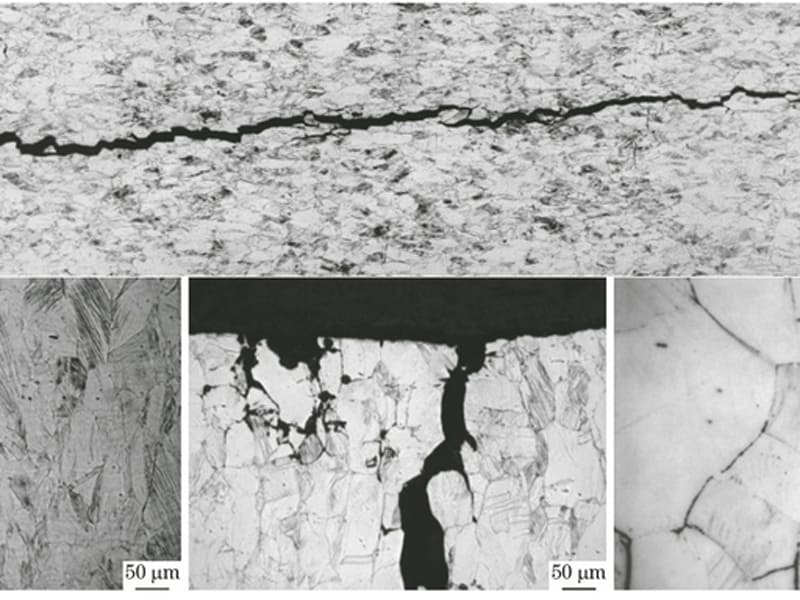
Stainless steel cylinders can get stress corrosion cracking due to several interacting factors. Austenitic stainless steels such as 304 and 316L can crack easily when exposed to chloride environments. If chloride ions exist in the working condition and the cylinder is under tensile stress from welding, machining and assembly, cracks will develop gradually and may even cause sudden fracture.
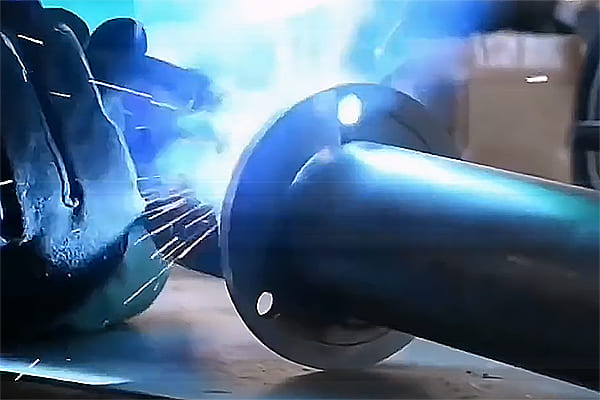
To solve this problem, we apply multi-pass welding with low current and fast travel speeds. We keep welding temperatures well controlled to limit excessive heat build-up. This cuts down internal tensile stress inside the cylinder right from the start. After welding, we carry out deep stress-relief processing. We heat the parts to 850-900 °C to fully release residual welding stress locked within the material. We also mechanically polish the weld seams, bringing surface roughness down to below Ra0.8. This removes surface stress concentrations and lowers the risk of crack formation.
Magnetic Transformation on Stainless Steel Hydraulic Cylinders
Austenitic stainless steels such as 304 and 316L are nearly non-magnetic after high-temperature heating and rapid cooling. However, during cold-working operations like grinding and honing, squeezing and cutting forces cause cold deformation in the material. Some austenitic structure transforms into martensite, creating local magnetism in components like piston rods. This can directly interfere with magnetic sensors on equipment and lead to faulty sensor signals.
To solve this problem, we closely control grinding forces during piston-rod machining. This prevents surface-layer microstructure changes, cutting magnetism right from the start. We also use high-temperature heat treatment to eliminate magnetism induced by machining. For long rods or thin-walled parts that deform easily under heat, we use lower-temperature soaking to bring down part magnetism.
Certifications
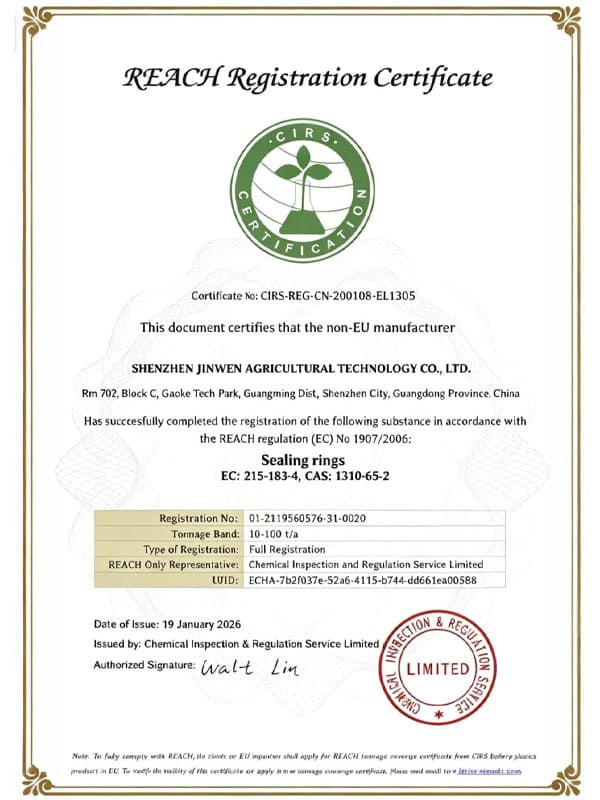
REACH Certificate
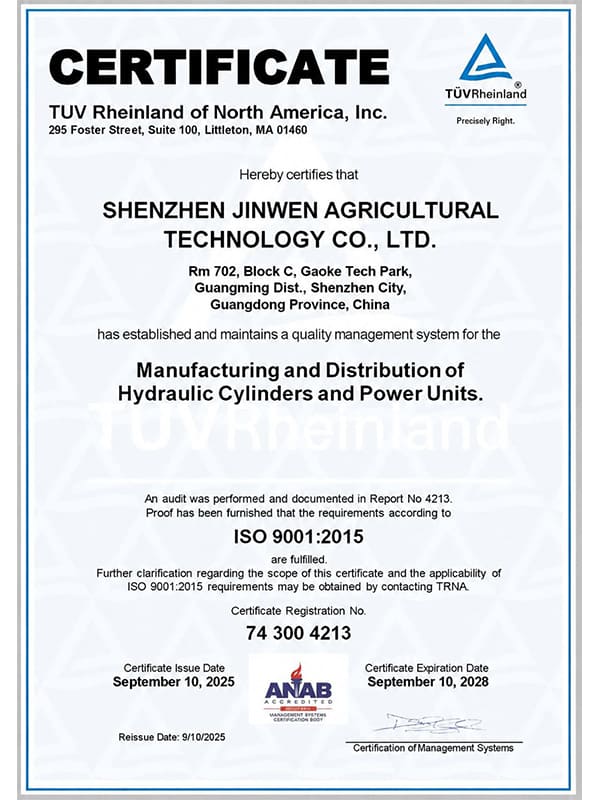
ISO 9001 Certificate
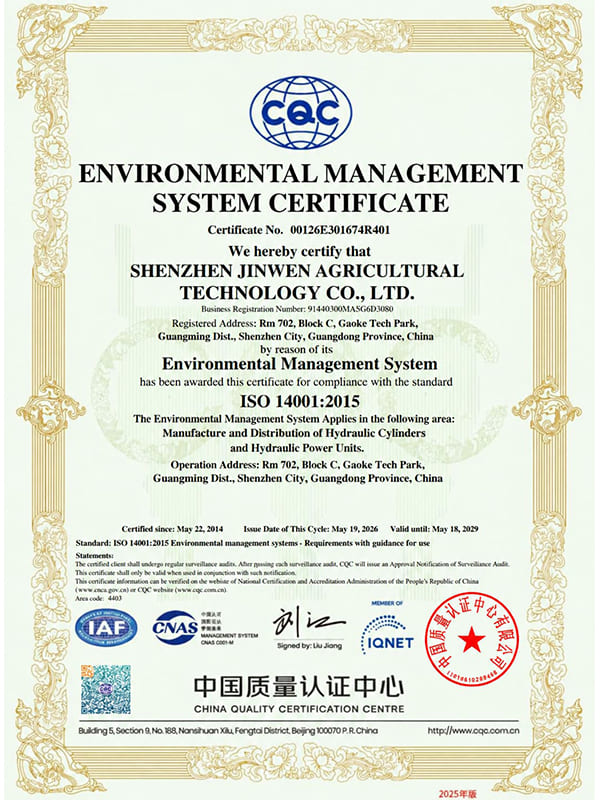
ISO 14001 Certificate
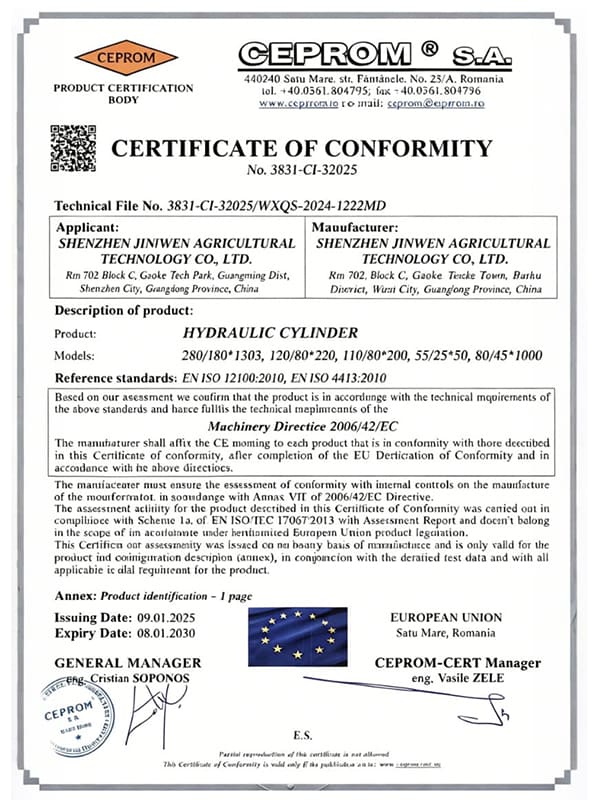
Certificate of Conformity
Why Work with Us
Condition-Driven Material Optimization
We can match the right material grades for your working conditions to fit your actual application needs.
Sensitization-Free Welding Control
We can prevent local loss of corrosion resistance around welds after stainless-steel welding.
Stable Non-Magnetic Structure Process
We can keep cylinder magnetism at a very low level, so it will not disrupt equipment sensitive to magnetic fields.
Rapid Prototyping
We can quickly produce samples according to your drawings for your on-site assembly and testing.
How to Customize Your Stainless Steel Hydraulic Cylinders
Send Your Drawing
Provide us the detailed drawing or physical sample or critical dimensions, working pressure, mounting details.
Working Environment
Whether the cylinders works in high temperature, humidity, salt spray, dust and high frequency, pressure.
Get Quick Quote
We review all details of drawing and requirements and provide optimization suggestions with our experiences if necessary.
Production Procedure
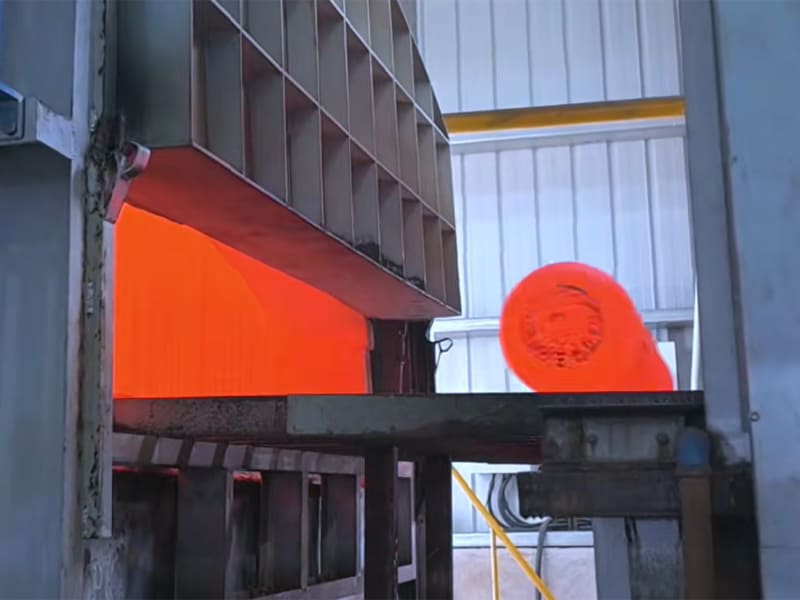
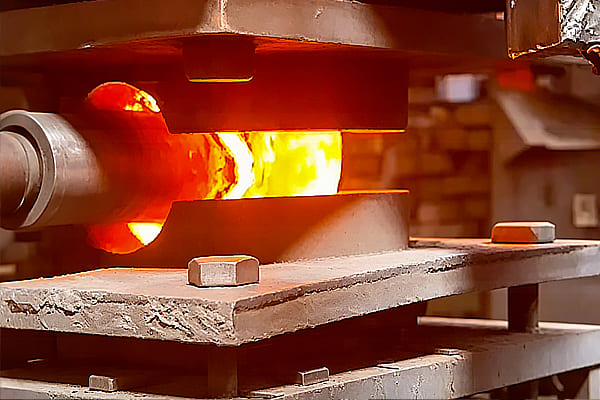
Integral forging
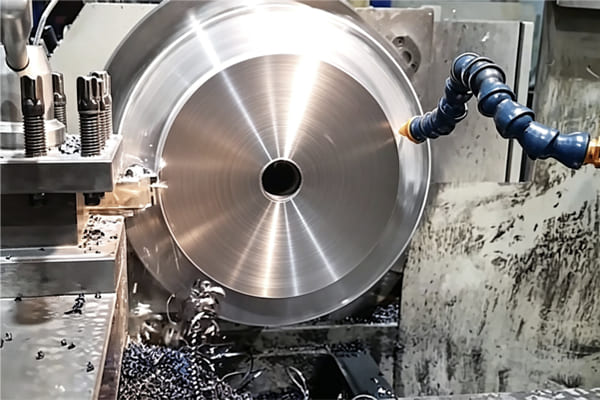
Turning
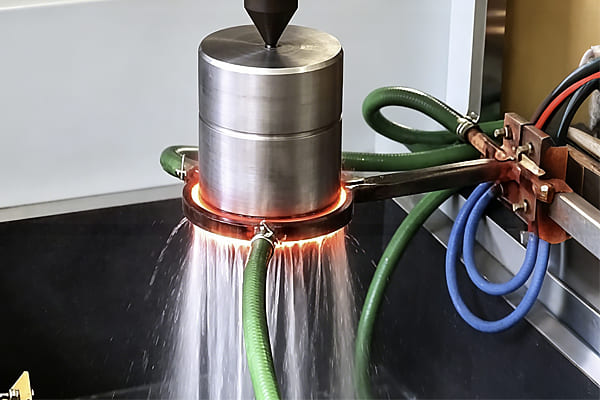
Induction hardening
Cylinder barrel turning
Welding
Assembly
Dimensional measurement
Pressure test
Get Free Quote Today!
You'll receive a comprehensive Technical Quote Package, including:
Customized Quote: Transparent pricing in EXW/FOB/CIF.
Technical Data Sheet: Material specs, seal brands, and surface treatment details.
Lead Time & Logistics: Precise production schedule and shipping estimates.