
Forklift Hydraulic Cylinder Manufacturer
Every cylinder undergoes 100% pressure-resistance testing before delivery.
MOQ starts from 1 piece and the lead time is 3 days.
We offer technical review and detailed quotations based on your drawings and equipment requirements.
Brands We Serve in Hydraulic Industry














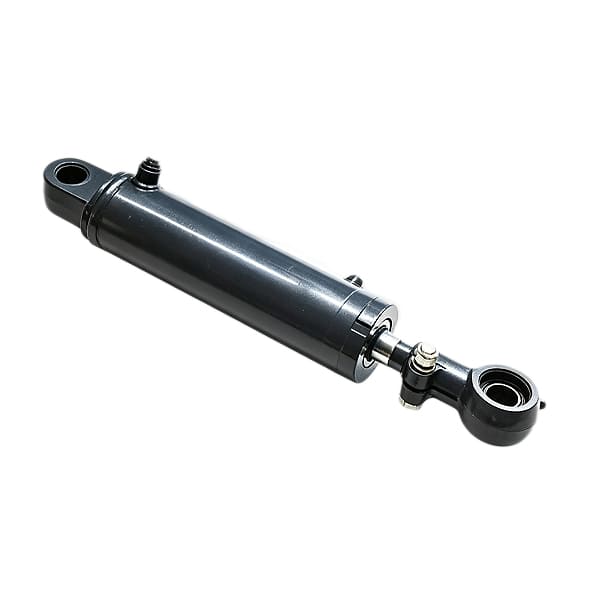
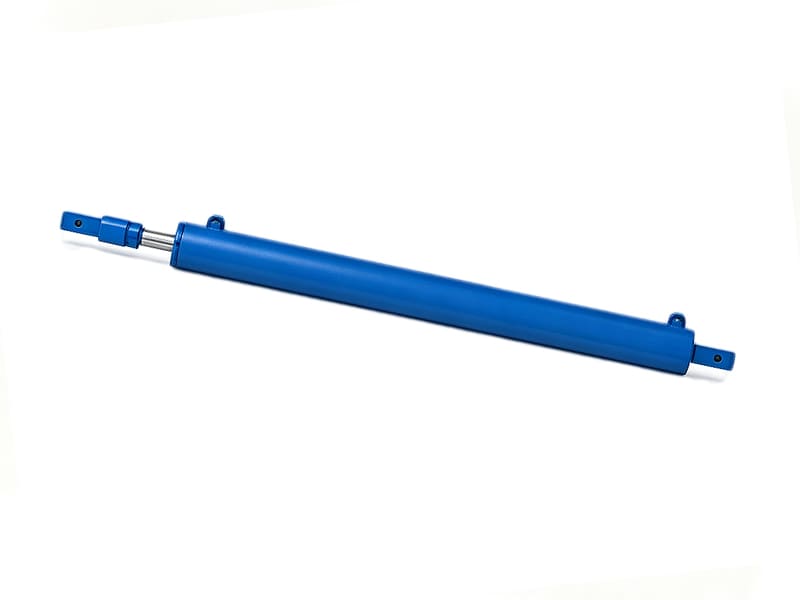
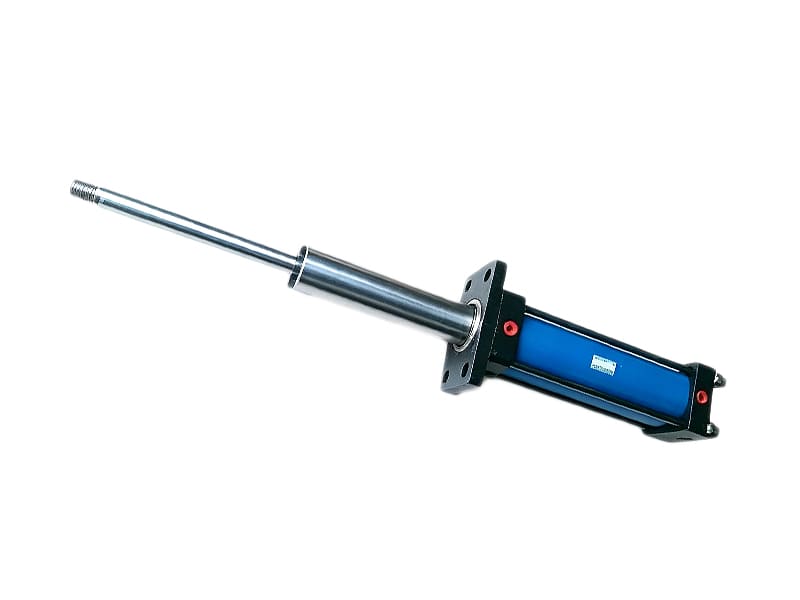
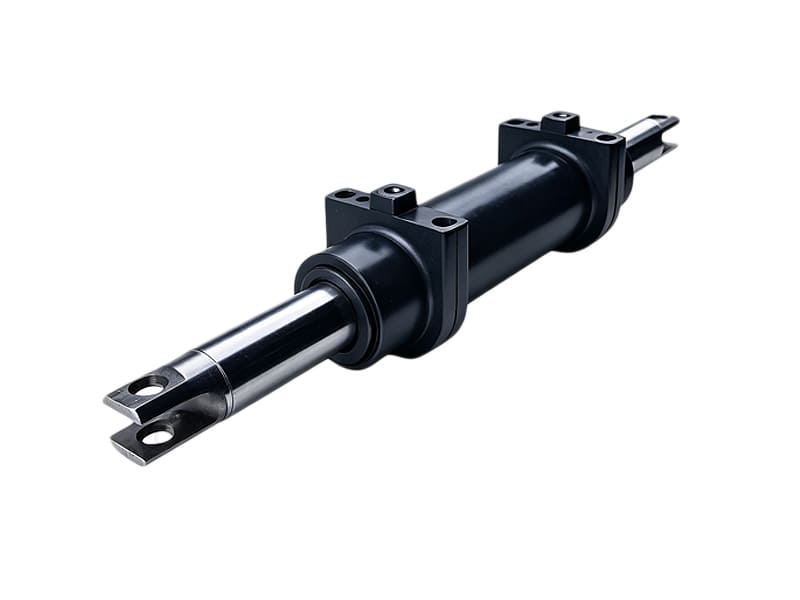
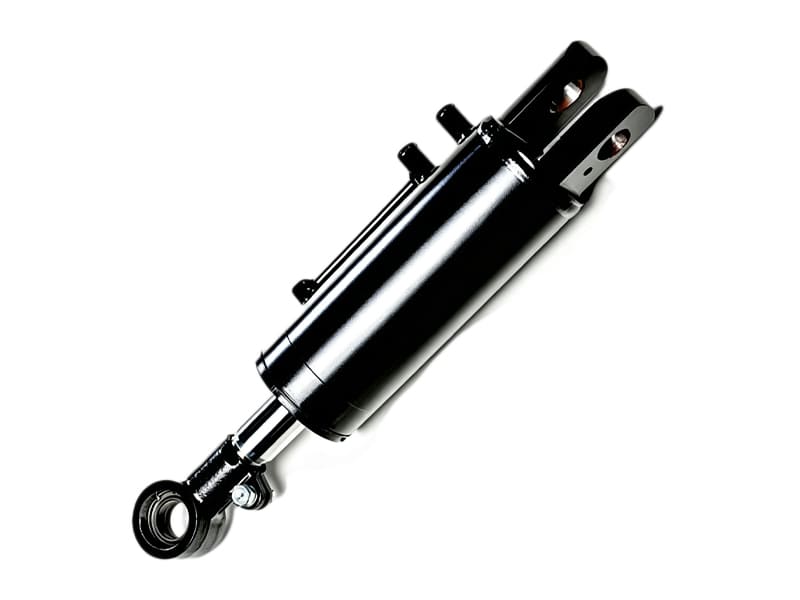
Forklift Hydraulic Cylinders
Your Reliable Supplier of Forklift Hydraulic Cylinder
We have rich experience in manufacturing hydraulic cylinders for forklifts, understand what different working conditions require and adjust our production. For example, we once served a cold-chain customer, their forklifts need to work in alternating hot and cold cold-storage environments. To handle extreme temperature changes, we use low-temperature-resistant flour rubber for rod seals and piston seals, and the guide rings are made of impact modified POM. Even at -18°C, the sealing performance stays above 95%, which greatly cuts down oil-leak failures. This lets the hydraulic cylinder work reliably when switching between cold-storage and normal-temperature environments.
Customers just need to provide the forklift nameplate and working-condition details. We will take technical reviews to production and carry out quality checks before delivery, helping customers reduce equipment downtime ‘s losses.
Forklift Hydraulic Cylinders
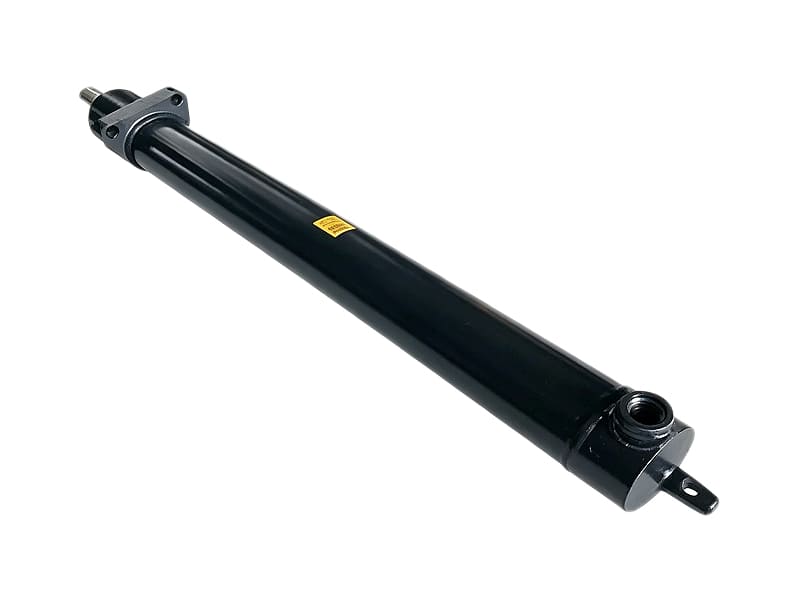
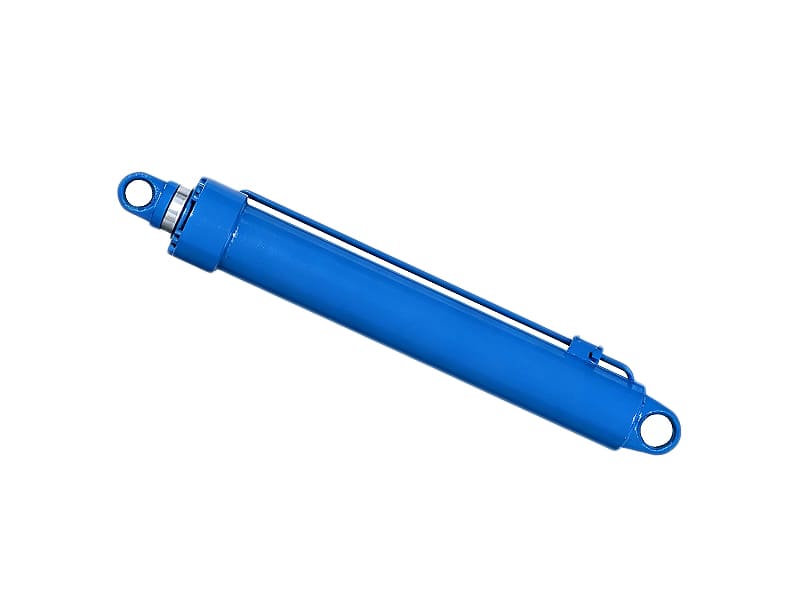
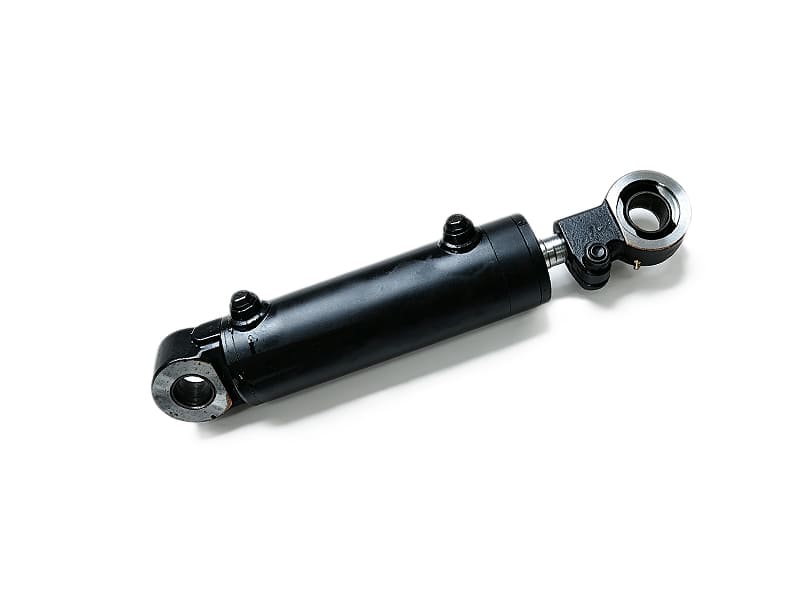
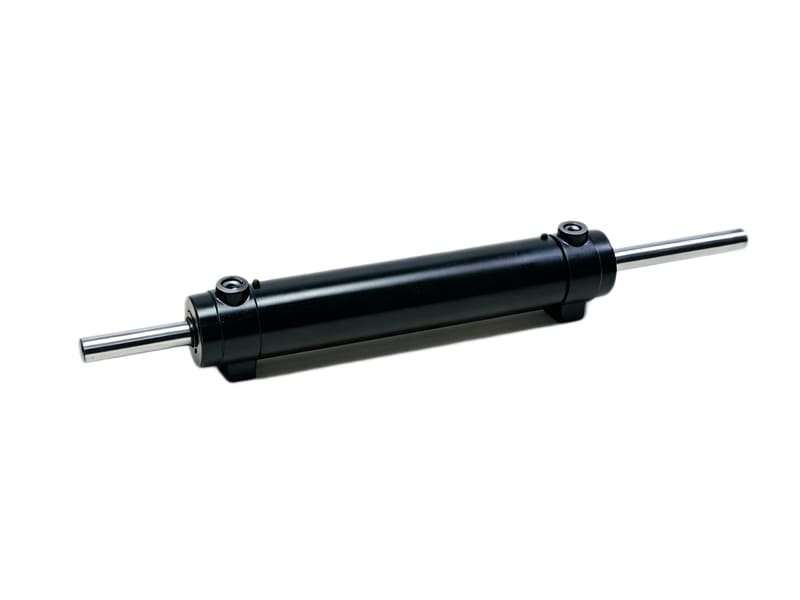
Applications of Forklift Hydraulic Cylinders
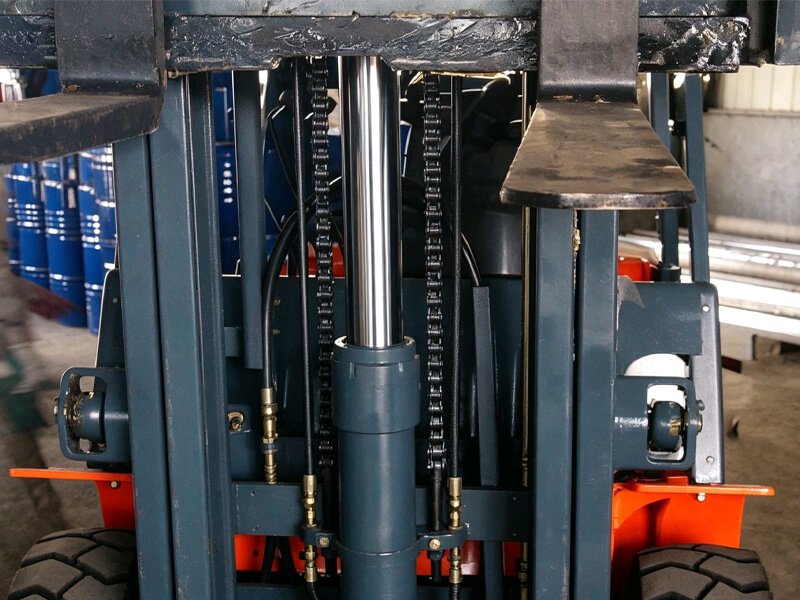
Main Mast Lifting
Forklift hydraulic cylinders are used in the mast lifting system, they are mounted inside the mast. High-pressure oil pushes the piston rod out to lift the forks and goods, it goes down by load's own weight. The hydraulic cylinder can adjust lifting speed smoothly, it enables precise slow-move positioning at height to prevent damage racks and goods .
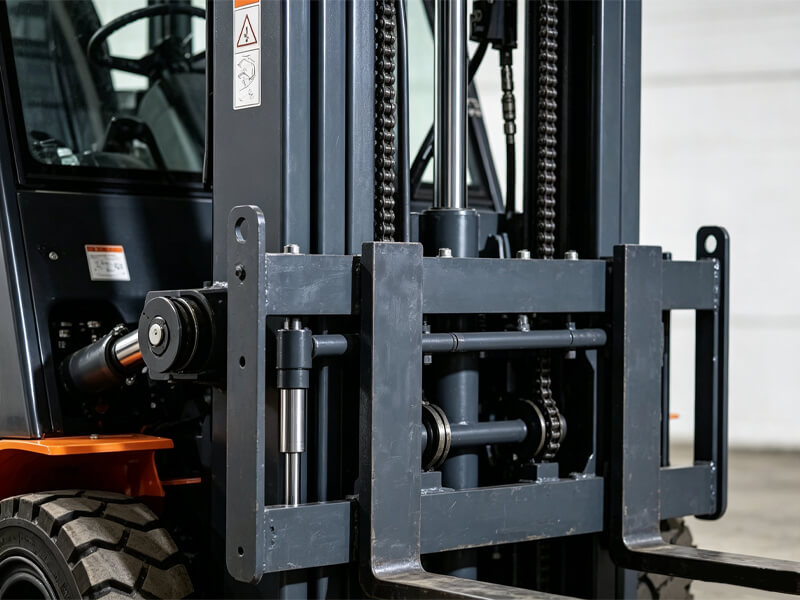
Mast Forward-back Tilt Control
Forklift hydraulic cylinders are also used for mast tilting. A pair of tilt cylinders extend and retract their piston rods to swing the mast forward and backward, let goods unload and keeps them from sliding off. Although the cylinders are small size, they can deliver strong force, at 20 M Pa, 50 mm bore tilt cylinders produce nearly 8 tons of thrust, easily tilting a fully-loaded mast.
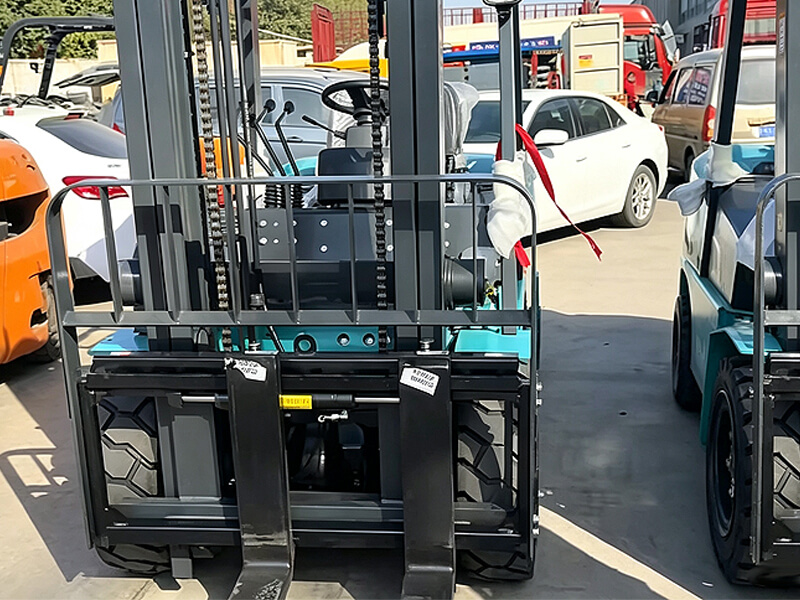
Fork Side Shifting
Forklift cylinders are used for fork-side shifting, hydraulic oil flows into cylinder ‘s either side to extend or retract the piston rod, moving the fork carriage left and right. This lets the forks shift sideways without moving the forklift body. The hydraulic system can hold the adjusted side-shift position, so even on bumpy ground the forks won't drift off. This keeps them aligned with the pallet openings, it don’t need to repeated readjustment.
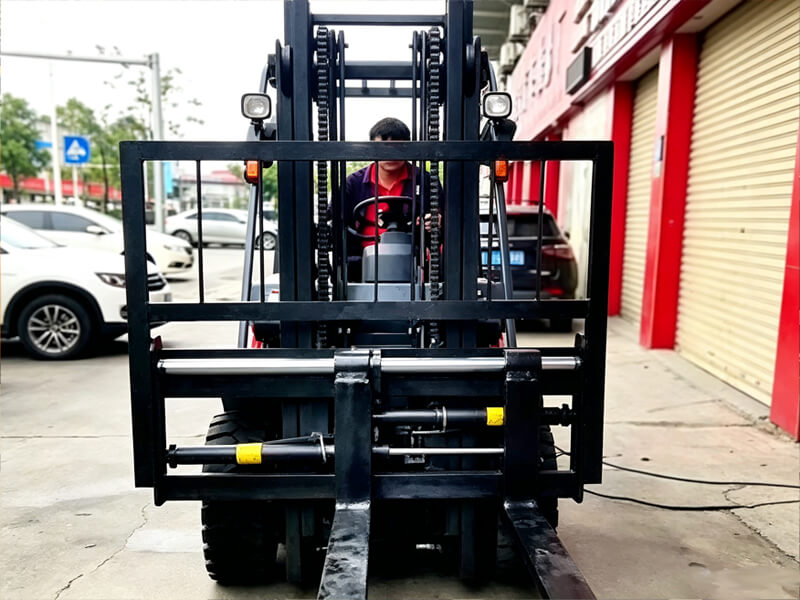
Hydraulic Fork Positioning
Forklift hydraulic cylinders are also used in the fork spacing adjustment system. The cylinder is mounted in the middle of the fork carriage. Oil enters from the center and pushes both piston rods to extend or retract at the same time, let the two forks spread or close to adjust their gap. The hydraulic system keeps the forks moving in perfect sync, even with uneven loads, the forks can open and close at the same time and avoid jamming from misalignment.
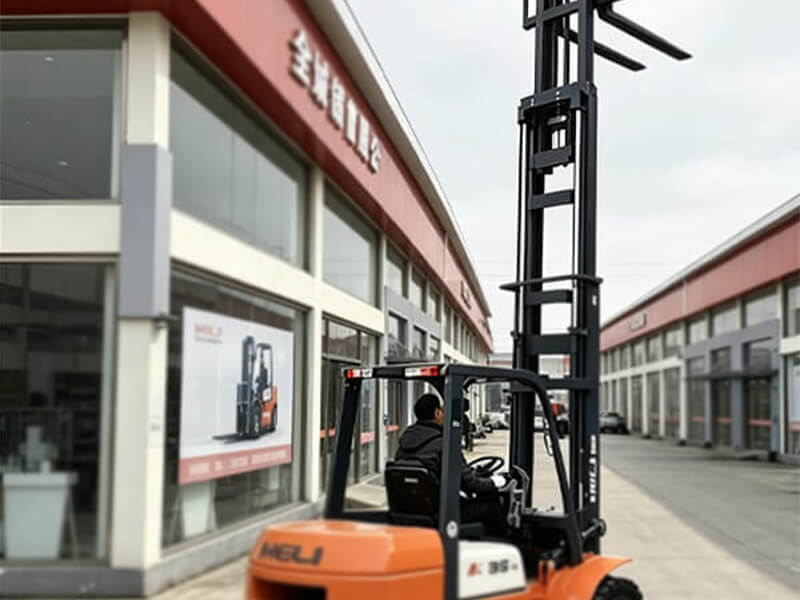
Free-Lift System
Forklift cylinders are also used in full free-lift mast systems, this cylinders use multi-stage sleeve structure, oil drives the piston stages out step by step to raise the forks, but the outer mast will not rise, and the overall height of the forklift stays the same. It can carry goods inside truck containers and low-ceiling warehouses. The cylinder has internal oil design, can push the pistons out step by step for smooth operation, and improve the operator’s handling experience.
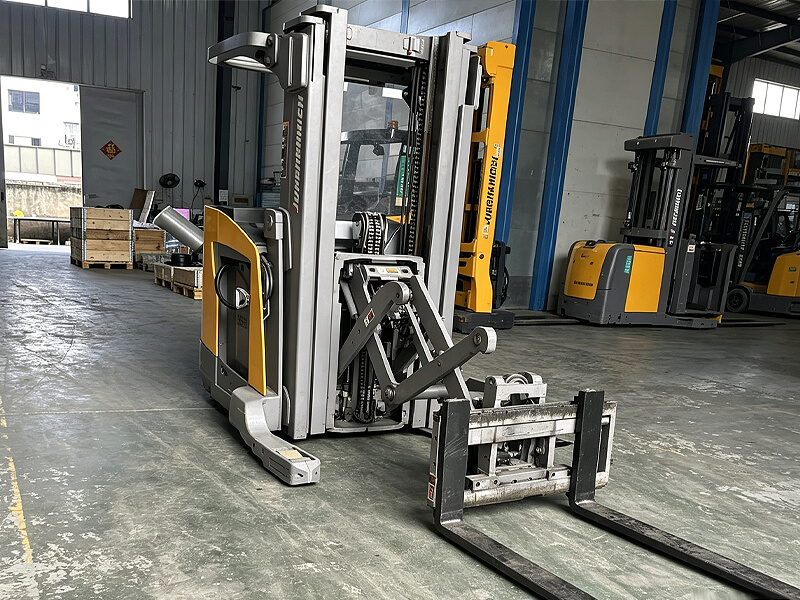
Reach Truck Scissor Extension
Forklift hydraulic cylinders are used in the scissor-fork units, the cylinder pushes the piston rod out to open the crossed scissor links ,make the forks move forward to pick goods. When the rod retracts, the scissor mechanism folds and pulls the forks back within the forklift outline.The cylinder has a built-in hydraulic cushion that reduces shock during start and stop, it keeps steady speed without creeping. Even under a 2-ton load, goods on the forks will not tip over.
Excessive Load Drooping at Full Lift Height
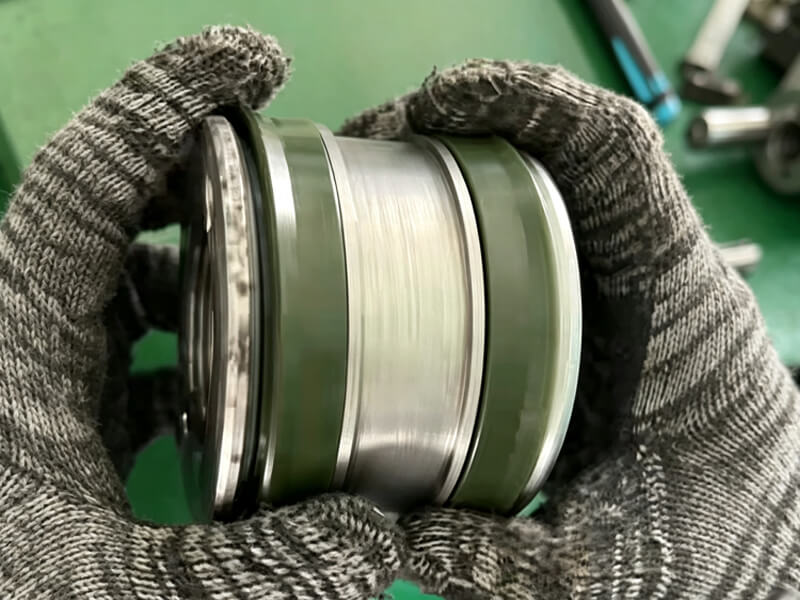
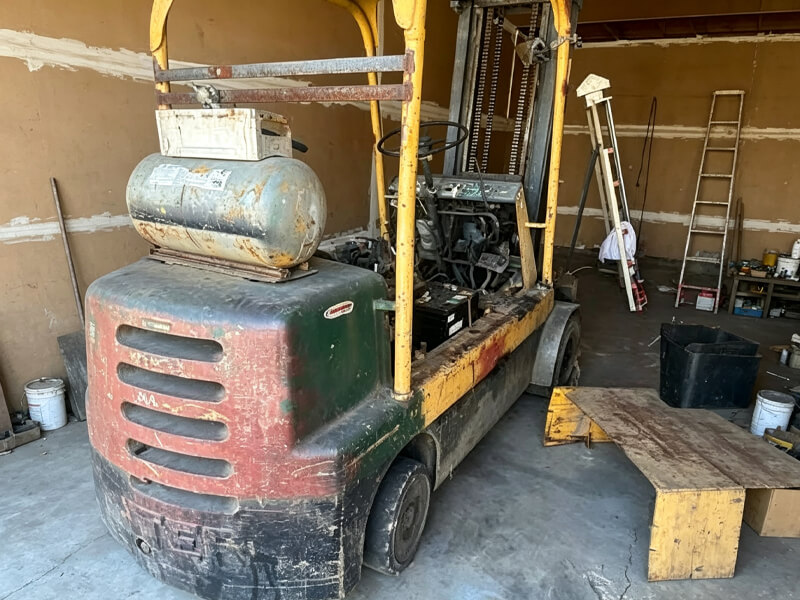
If choose wrong piston seal materials will cause the sealing preload to fail. For example, ordinary polyurethane seals cannot handle long-term high-pressure loads, they easily develop permanent deformation and cause internal oil leaks inside the cylinder. Internal oil leaks make lifted forks sink gradually. During rack-handling work, sinking forks will scratch rack beams. In worst-case , goods fall off and create safety accident.
We use a combined sealing setup with primary and secondary seals. For the primary seal, we use imported polyurethane U-ring with an O-ring, the O-ring constantly presses the lip of the U-ring firmly against the cylinder tube’s inner wall, can keep internal leakage under 5 ml/min for better sealing performance. We place secondary seal behind the main seal, It catches oil that gets past the worn main seal, and maintains sealing performance to stop forks from sinking.
Jerky Tilt Motion During Load Dumping
Because the chrome layer on the piston rod has low hardness and high roughness, the friction resistance will becomes unstable. When moving at low speed, the rod may stick and then slip suddenly, causing a jerky motion. This jerky movement will cause problems. When tilting forward to unload, goods may shift sharply forward, and even the whole pallet fall off. When backward tilting, the mast may impact components.
We apply hard-chrome plating to the piston-rod surface. This gives the coating a hardness of over HV850 and greatly improves the piston rod’s ability to stand up to wear during operation.We also polish its surface and keep roughness Ra ≤ 0.2 μm. It keeps a steady friction coefficient while the piston rod slides back and forth inside the guide sleeve, and prevents the tilt cylinder from sticking or jerking during operation.
Spring Fatigue After Repeated Cycles
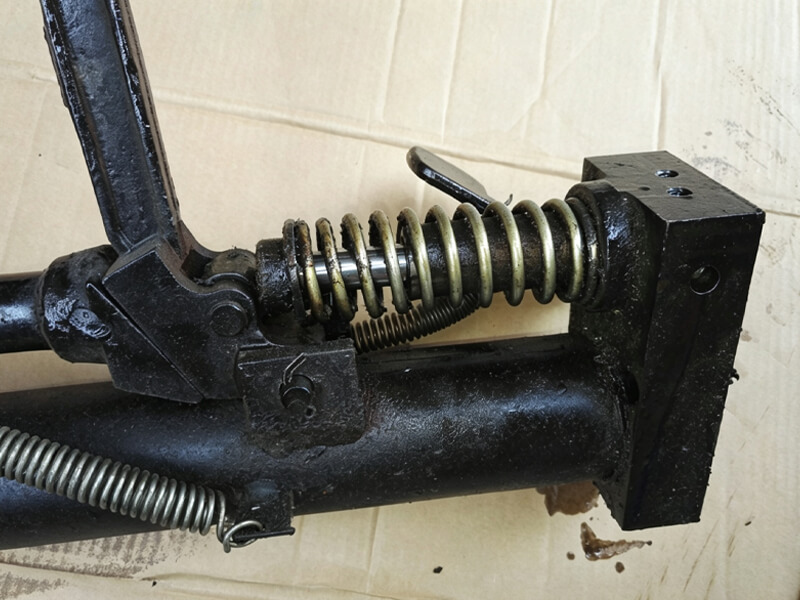
Some small-tonnage forklift cylinders need built-in compression springs for reset. These springs keep compressing and bouncing back while working. Over time, the metal inside gradually gets fatigued, and the spring loses enough force. When pressure releases, the piston cannot retract fully. It will cause forks or attachments fail to return to their original position,In worse cases, the spring breaks completely, jams the piston and ruins the whole cylinder.
We use high-strength SWOSC-V spring wire to make springs, It has a tensile strength of at least 1800 MPa and does not easily lose spring force. After forming, the spring goes through three special processes: stress-relief annealing, setting, and presetting. These treatments make the spring much more resistant to fatigue, so the spring force drops very slowly during use. This avoids problems like the cylinder not fully returning or the spring breaking.
Certifications
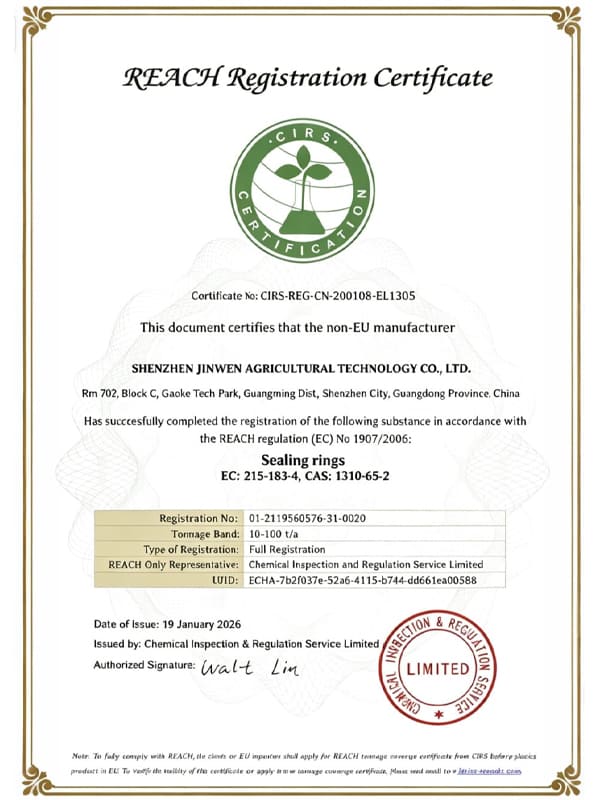
REACH Certificate
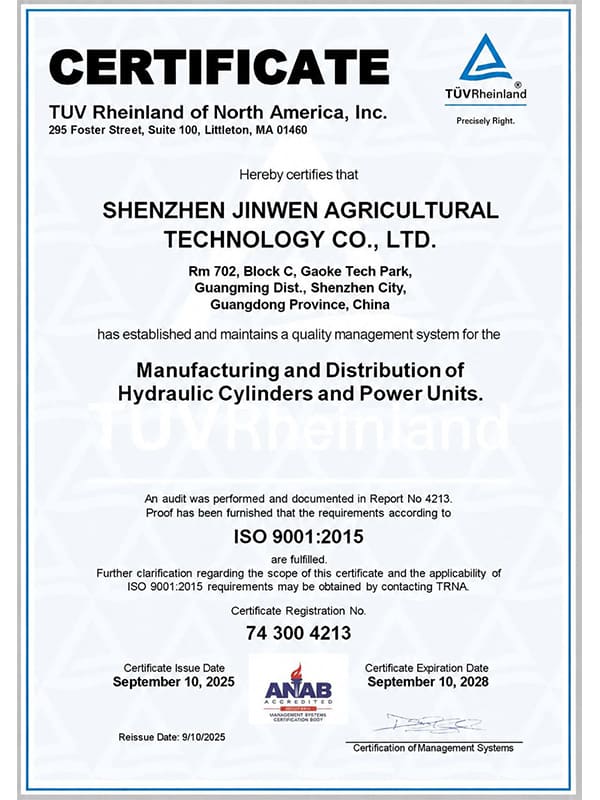
ISO 9001 Certificate
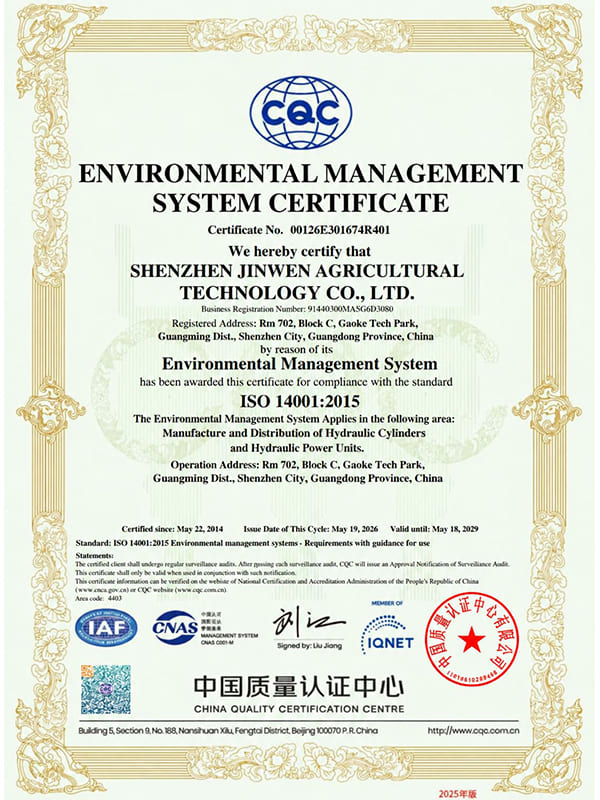
ISO 14001 Certificate
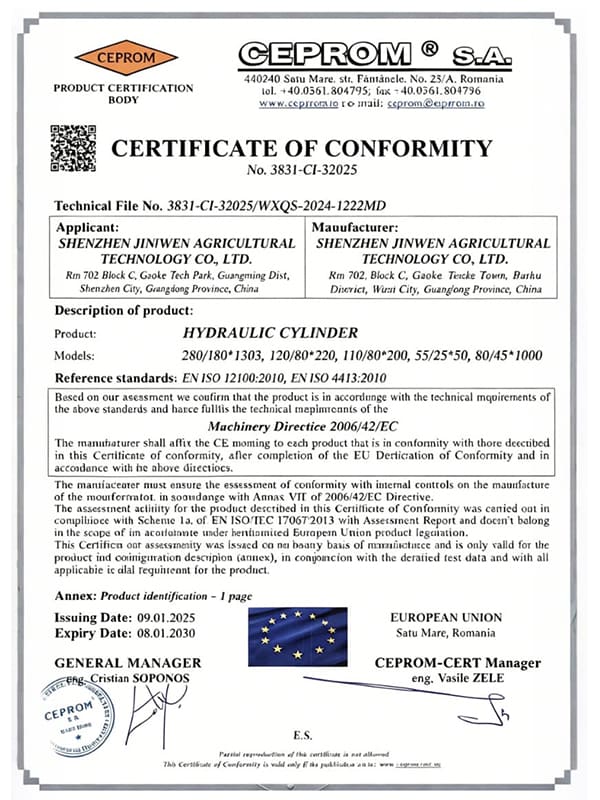
Certificate of Conformity
Why Work with Us
Direct OEM Replacement
We obtain cylinder dimension data through measuring original physical samples to ensure precise matching, can reduce re-engineering work.
Precision-Honed Cylinder Tubes
We use high-power honing to machine the cylinder bore, tightly controlling surface roughness to make smooth piston travel and cuts down internal leakage.
Reliable Hydraulic Sealing System
We choose seal structure according to actual working conditions, let cylinders adapt different force and temperature conditions and reduce seal failure.
Customization Mounting Dimensions
Our technical team will deliver drawings within 24 hours base on your key installation parameters.
How to Customize Your Forklift Hydraulic Cylinders
Send Your Drawing
Provide us the detailed drawing or physical sample or critical dimensions, working pressure, mounting details.
Working Environment
Whether the cylinders works in high temperature, humidity, salt spray, dust and high frequency, pressure.
Get Quick Quote
We review all details of drawing and requirements and provide optimization suggestions with our experiences if necessary.
Production Procedure
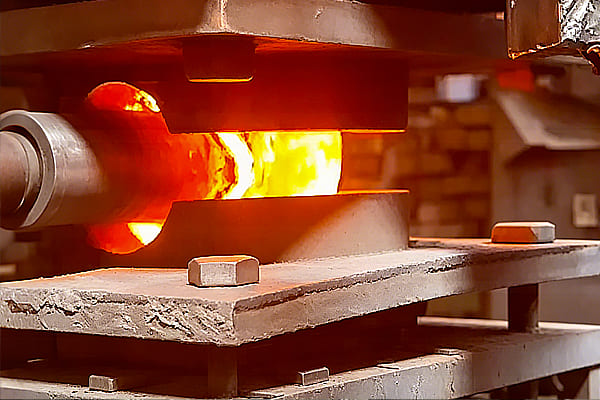
Integral forging
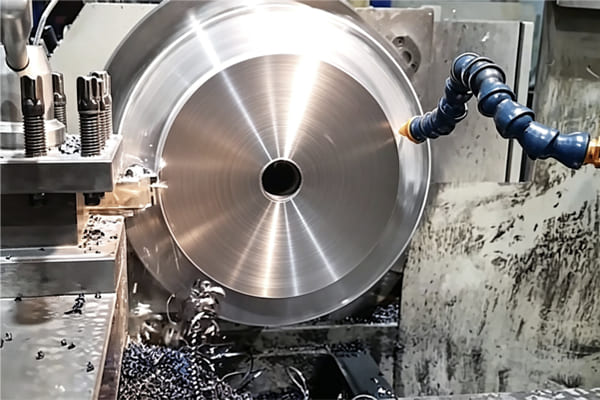
Turning
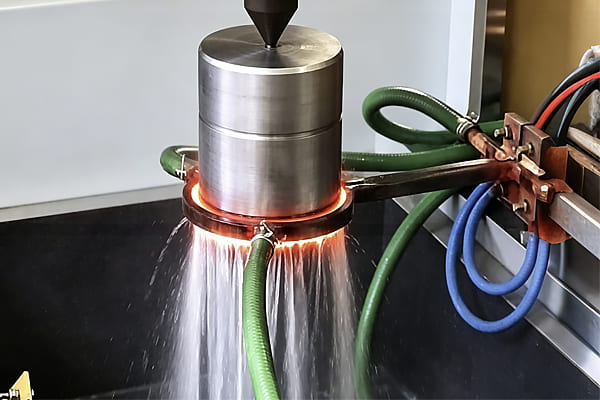
Induction hardening
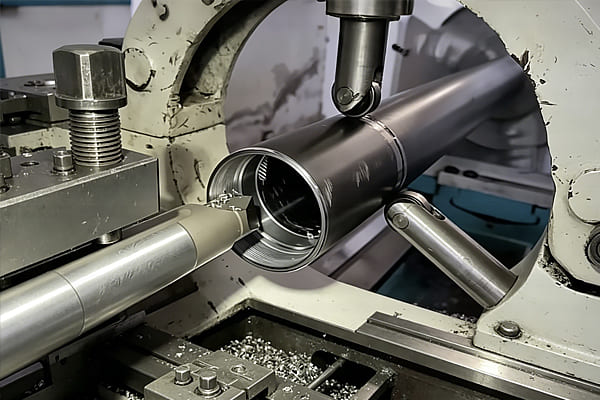
Cylinder barrel turning
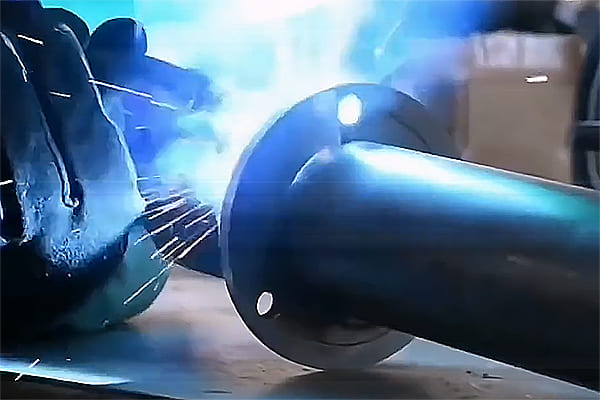
Welding
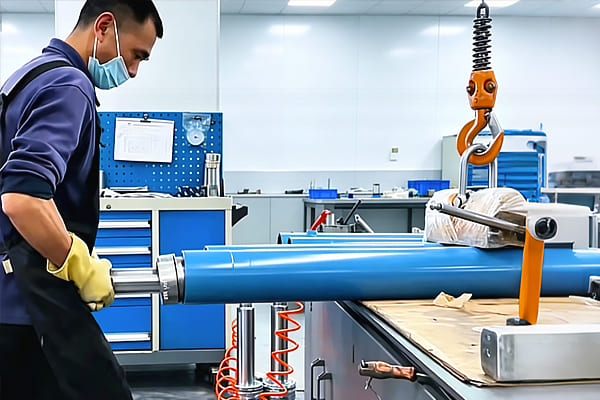
Assembly
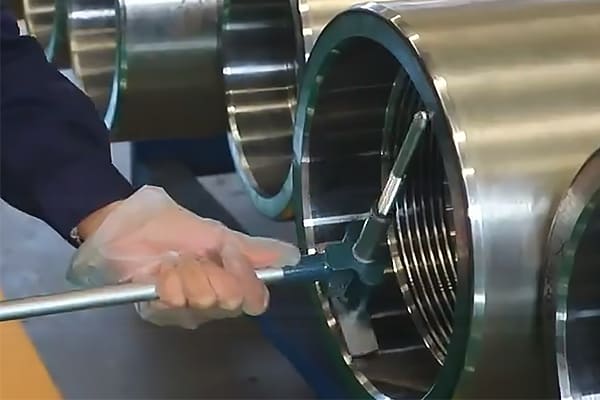
Dimensional measurement
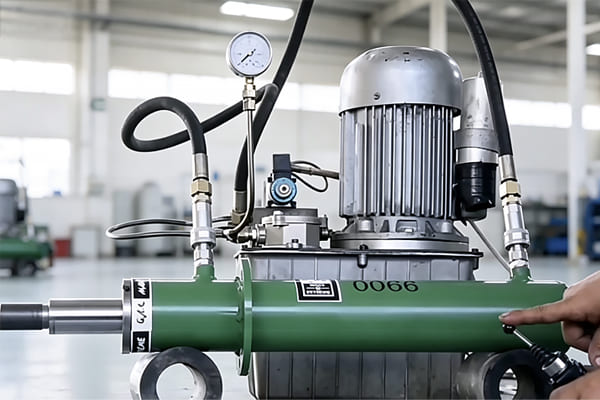
Pressure test