
Light Duty Hydraulic Cylinders Manufacturer
Maximum stroke up to 2000 mm.
MOQ starts from only 1 piece.
Send us your drawings or specs for an engineering review and quote.
Brands We Serve in Hydraulic Industry














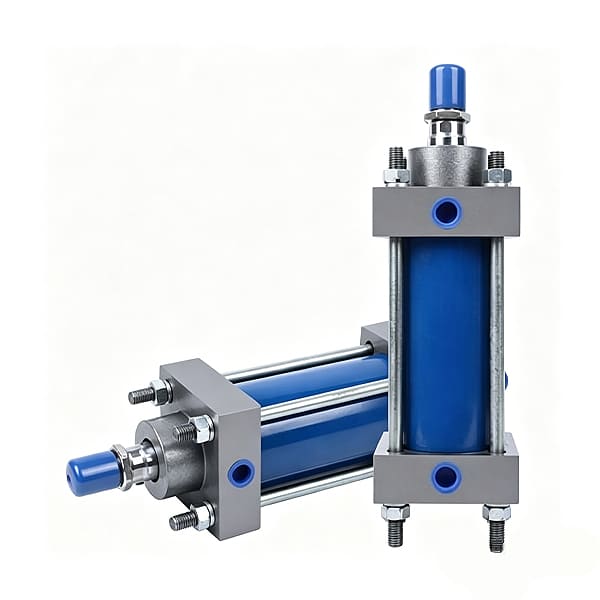
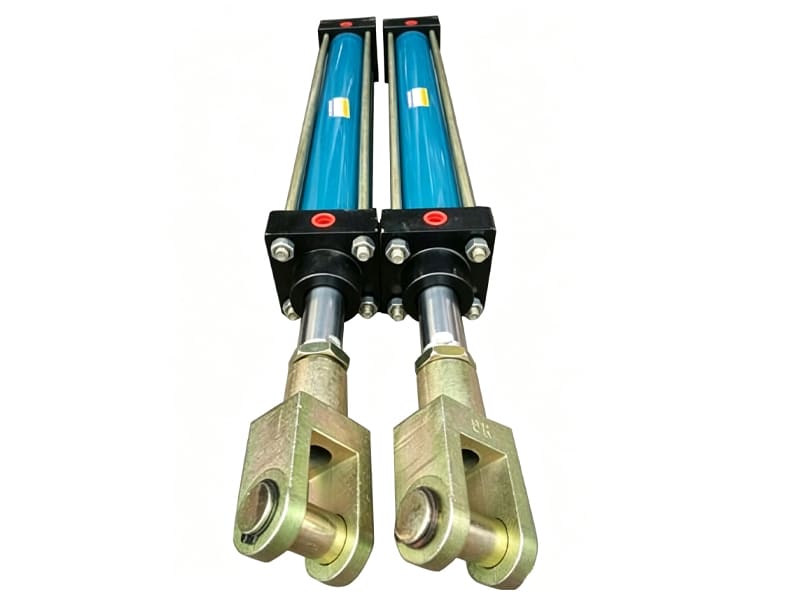
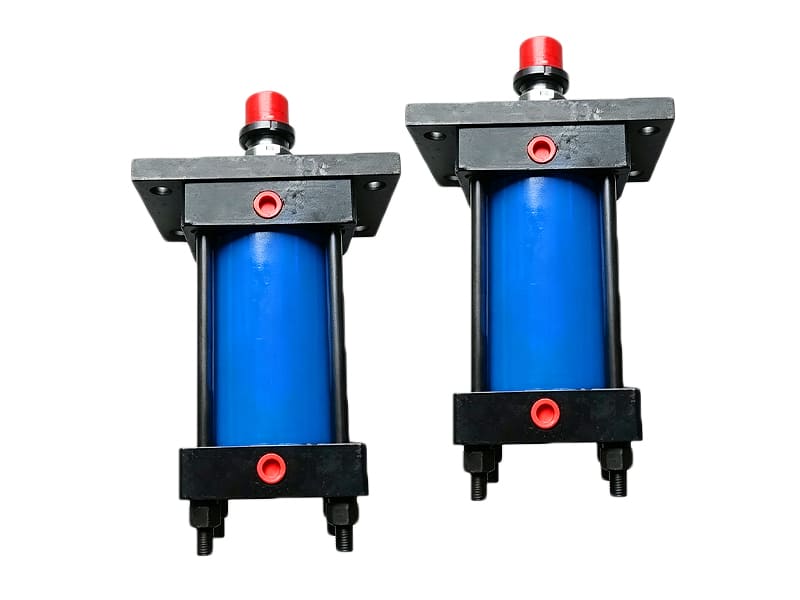
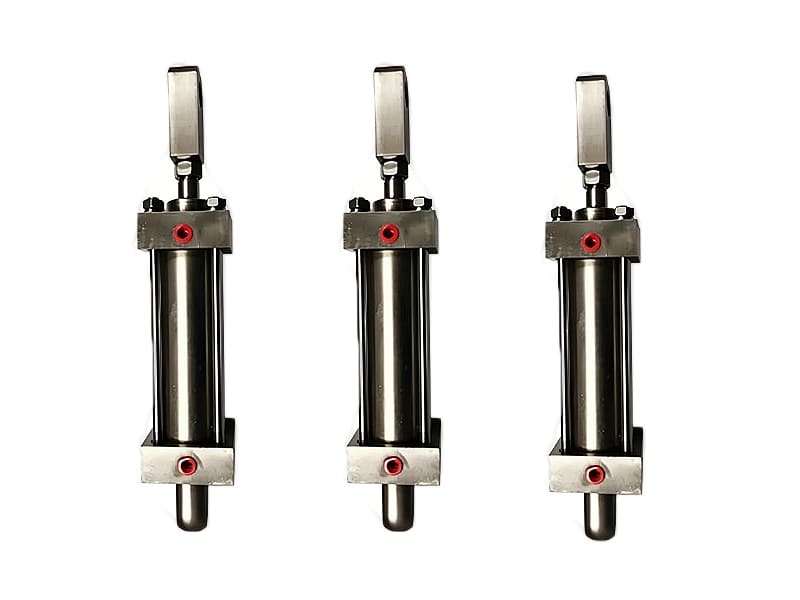
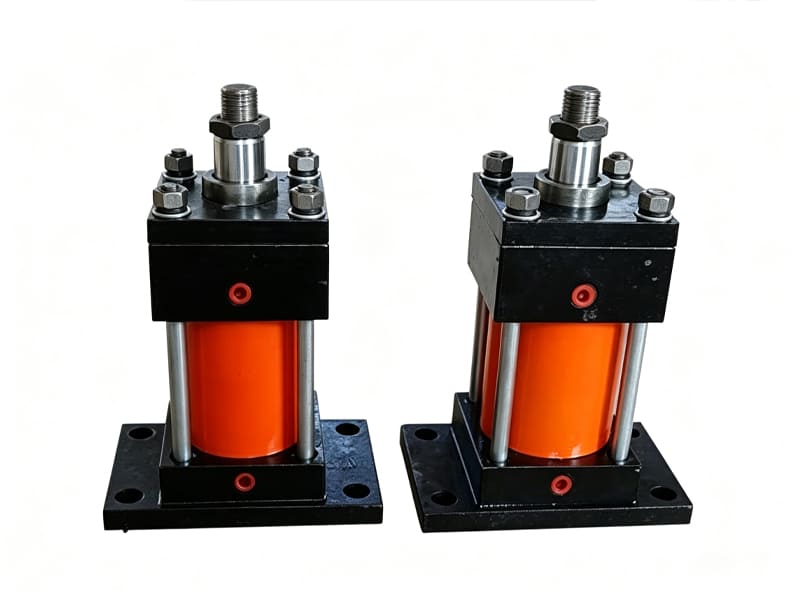
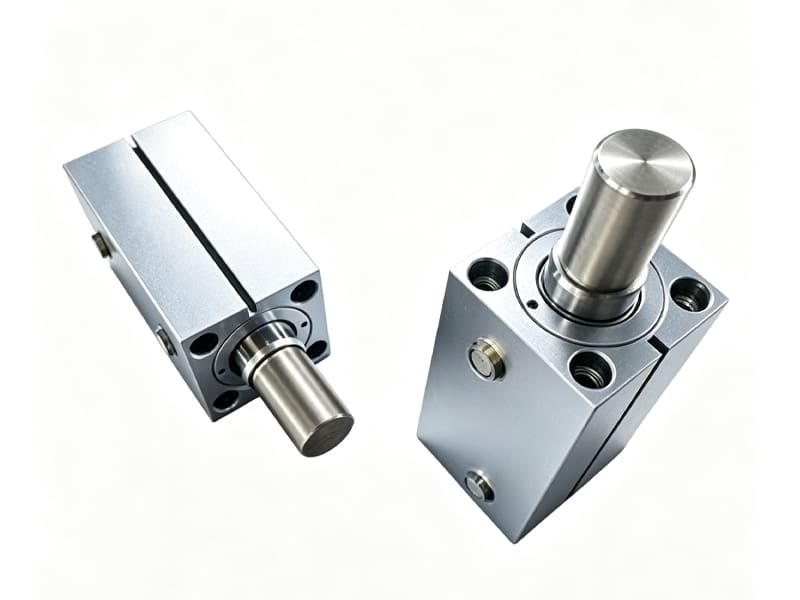
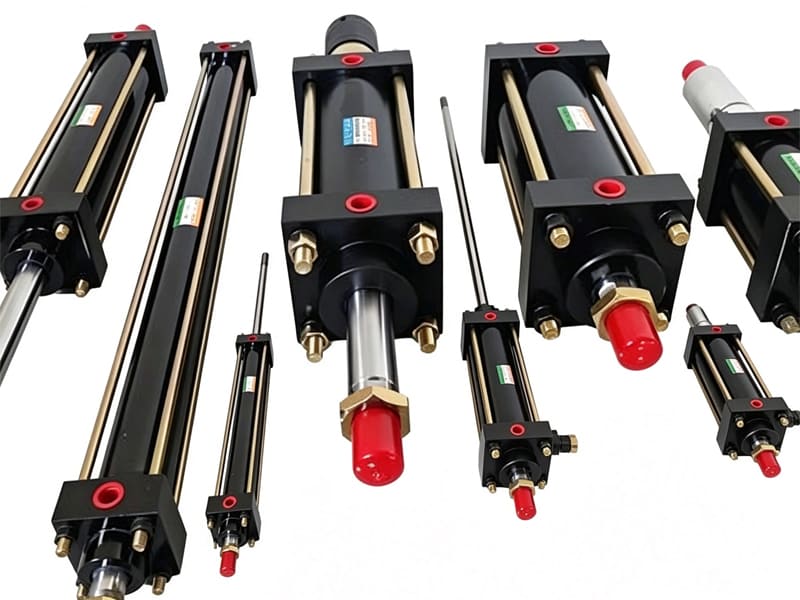
Light Duty Hydraulic Cylinders
Your Reliable Supplier of Light Duty Hydraulic Cylinders
Light duty hydraulic cylinder barrels usually have wall thickness of only 4-6 mm, so they have low rigidity. During machining, heat builds up locally at welds or cutting zones, while the rest of the barrel stays at room temperature. Uneven thermal expansion across different areas easily causes barrel thermal deformation. For this reason, light duty hydraulic cylinders demand excellent welding and machining processes.
With over ten years of experience in light duty hydraulic cylinder manufacturing, our workshop runs a dedicated production line for these cylinders. Our machine tools use curved soft jaws and adjustable supports to prevent clamping-caused deformation on thin-wall barrels. Besides, we use roll-finishing for cylinder barrel inner bores. It achieves surface finish down to Ra0.4, with dimensional accuracy held to H8 tolerance, greatly improving barrel durability.
We offer highly flexible custom solutions for light duty hydraulic cylinders with adjustable materials, processes and mounting styles. Based on your equipment type and working conditions, we will provide suitable material and process options for your requirements.
Light Duty Hydraulic Cylinders
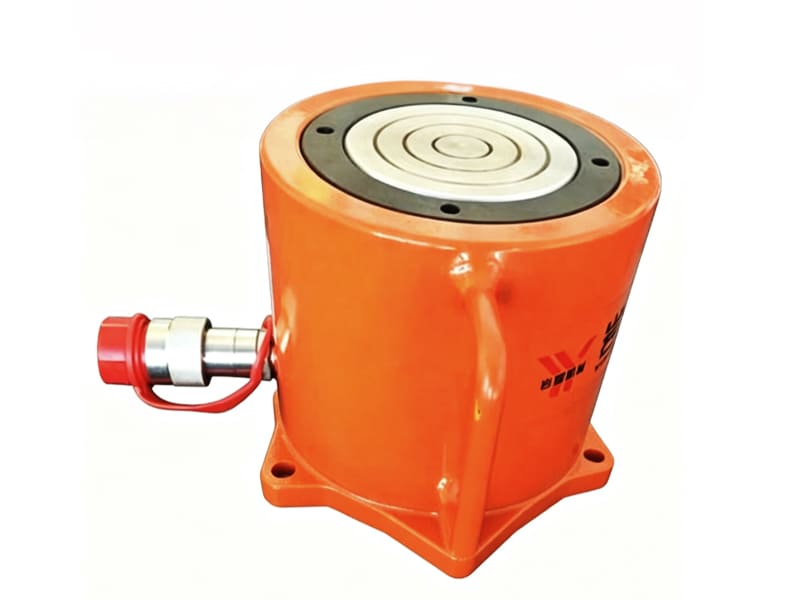
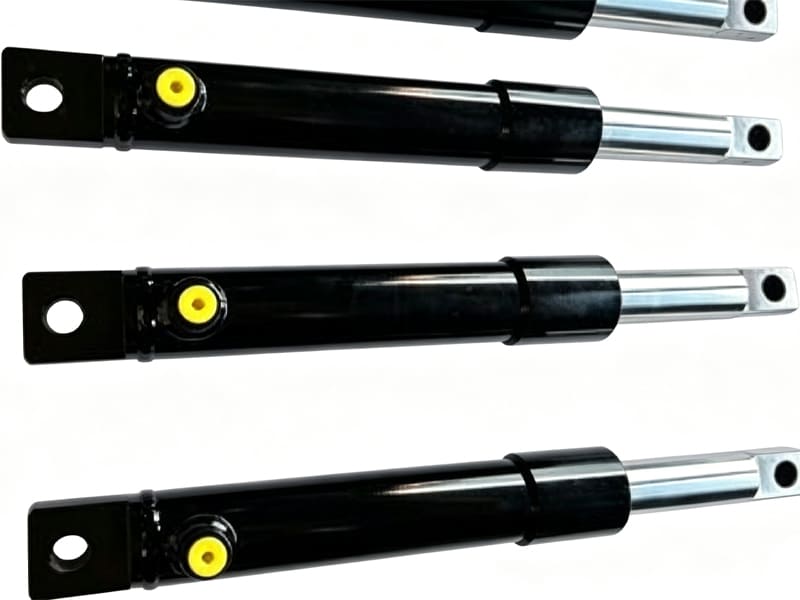
Applications of Light Duty Hydraulic Cylinders
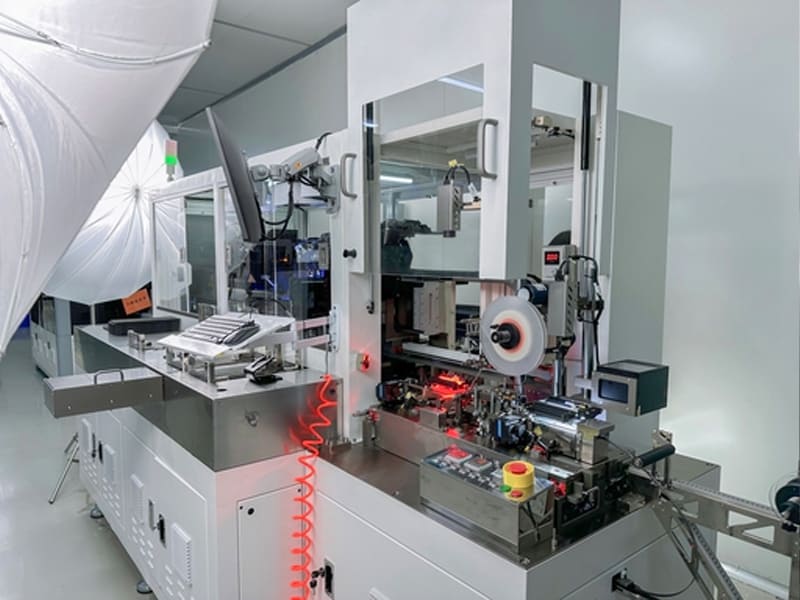
Electronics Manufacturing Equipment
Light duty hydraulic cylinders power electronics manufacturing equipment like SMT pick-and-place machines to grab and place tiny components. This application requires high operating speeds. At the same thrust output, light duty hydraulic cylinders are 30-40% lighter than standard steel cylinders, so they reduce the load on moving machine parts for faster operation, and cut vibration during acceleration and deceleration, ensuring accurate component placement.
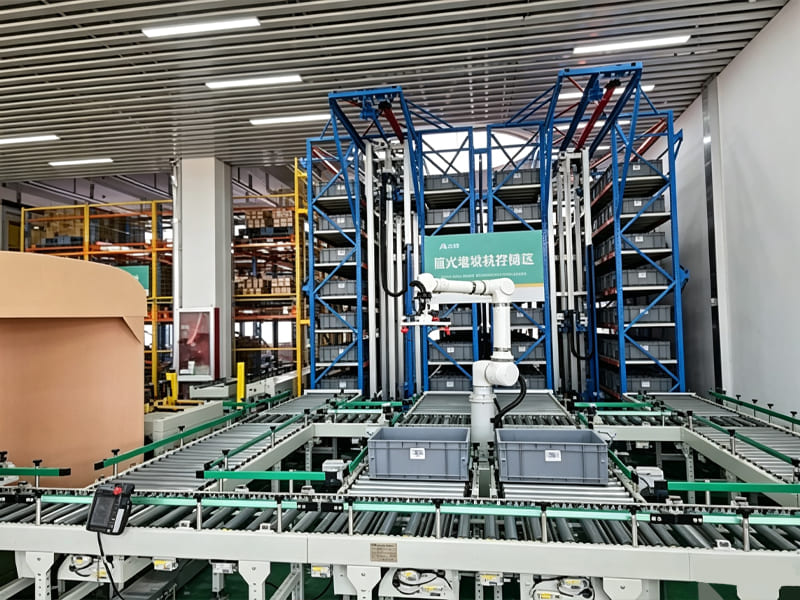
Warehouse and Logistics Equipment
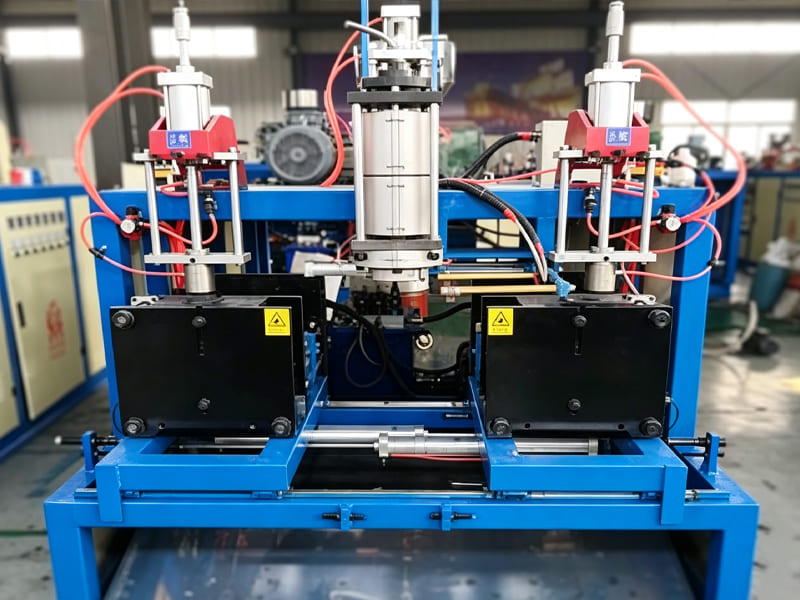
Plastics Machinery
Light duty hydraulic cylinders power plastics machinery like injection molding and blow molding machines for fast mold shifting and mold opening-closing movements. These applications require fast response and good resistance to high-temperature, dusty working conditions. With lighter moving parts and lower friction, light duty hydraulic cylinders speed up machine response and boost production output. Besides, for hot, dusty plastic-plant environments, these cylinders come with high-temperature FKM seals and dust wiper rings to prevent premature seal aging and keep equipment running reliably over long-term use.
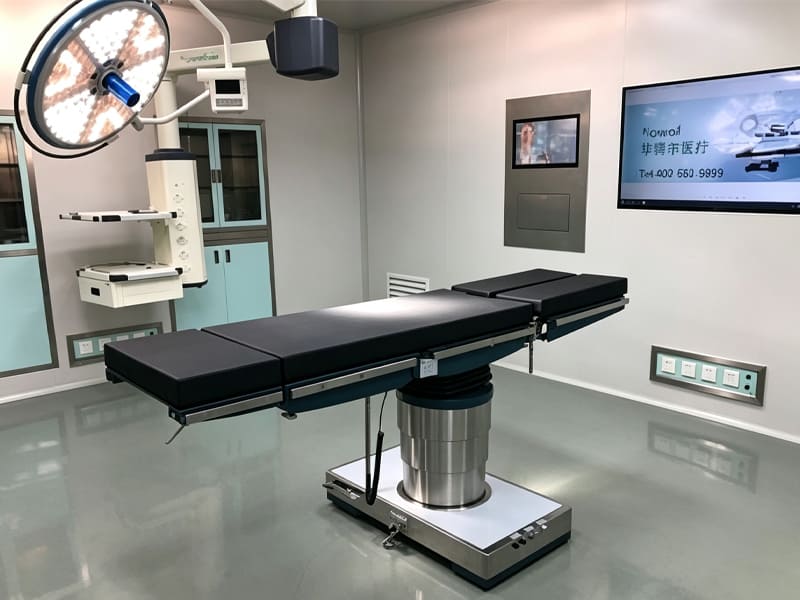
Medical Equipment
Light duty hydraulic cylinders power medical equipment such as surgical tables and CT scan beds for lifting, horizontal movement and precise positioning. These applications demand extremely compact machine designs. Built with thin-wall barrels and slim piston rods, light duty hydraulic cylinders take up little space. They fit the tight internal mounting space of mobile medical devices.
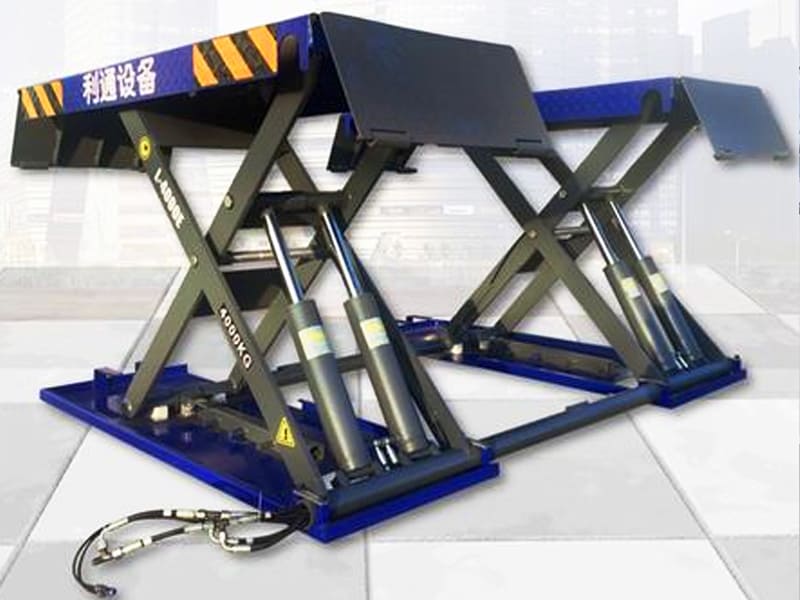
Vehicle Maintenance and Service Equipment
Light duty hydraulic cylinders power vehicle service equipment such as scissor lifts and tire changers for lifting, clamping, pushing and pulling operations. These applications require compact layouts and good cost control. Built with thin-wall barrels and compact flange bases, light duty hydraulic cylinders have smaller overall dimensions. They can mount directly inside lift arms without widening the machine frame. This reduces total machine weight for easier handling and lowers shipping costs.
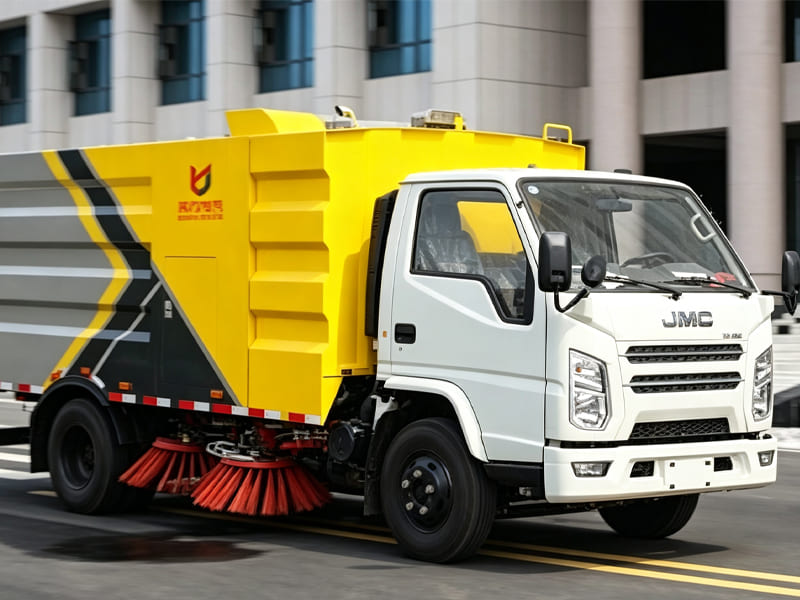
Sanitation Equipment
Light duty hydraulic cylinders power sanitation equipment such as refuse compactors and street sweepers for waste compression, hopper tipping, and height adjustment of cleaning brushes. These applications demand excellent corrosion resistance and stable high-cycle performance. Sanitation sites are exposed to mud, water and dust. Light duty hydraulic cylinders feature thick-coated piston rods paired with dust-proof and water-proof seal sets to block mud and debris from entering the cylinder interior. Meanwhile, low-friction internal seals generate less heat during frequent direction-change cycles for sanitation equipment. This prevents premature seal wear caused by thermal expansion.
Cylinder Barrel Deformation under High Pressure on Light Duty Hydraulic Cylinders
Light duty hydraulic cylinders often use 10 mm thin-walled tubes for weight reduction. With shock pressure hitting the barrel, it tends to expand outward. This enlarges its inner bore and reduces the actual working clearance between the guide band and barrel inner wall. The guide band gets squeezed tight, which increases friction and accelerates wear of both seals and guide bands.
To solve this problem, we calculate tube expansion at the customer’s maximum operating pressure once we get their drawings. For an 80 mm bore cylinder at 25 MPa working pressure, barrel expansion works out to around 0.04 mm. So during fine boring, we make the room-temperature inner bore 0.03 mm smaller than the theoretical size. This can offset high-pressure expansion and keep proper piston-to-tube clearance under load. We also use 30% glass-fiber filled PTFE for the guide bands. Compared with pure PTFE, its compression strength is 3-4 times higher, handling local squeezing from tube expansion and contraction. Besides, we widen guide bands from the standard 20 mm to 25 mm for better overall load capacity.
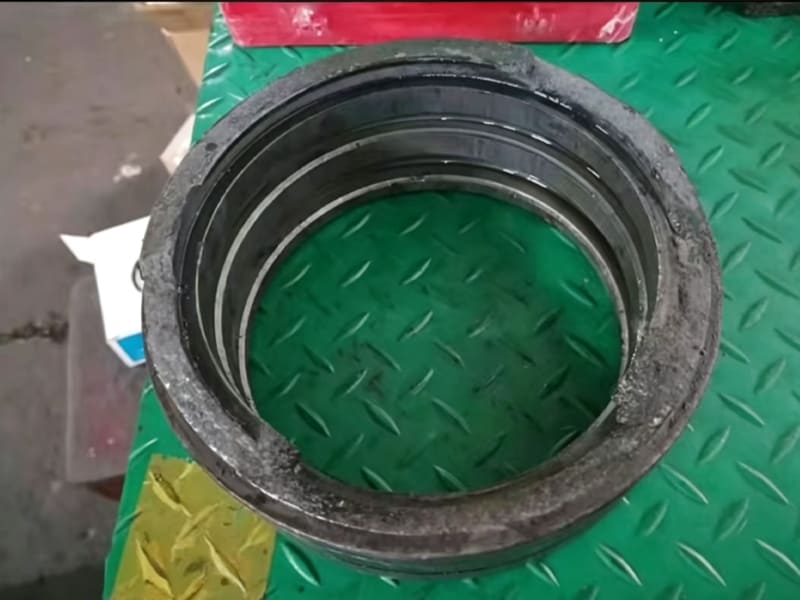
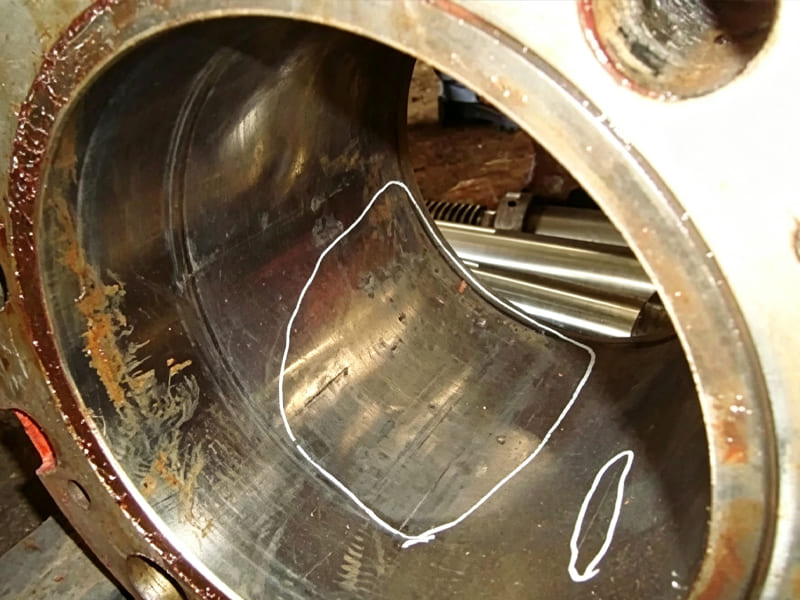
Internal Surface Coating Peeling under High-Frequency Cycling on Light Duty Hydraulic Cylinders
For light duty cylinders, inner-wall chrome plating is usually 0.03-0.05 mm thick. During repeated extension and retraction, piston seals and guide bands constantly rub and press against the tube inner wall. Repeated compression plus friction heat creates tiny cracks inside the chrome layer. Over time, the plating peels off in fish-scale flakes. These hard chrome chips mix into hydraulic oil and act as abrasives, scratching both the tube and piston rod.
To solve this problem, we have fully optimized our chrome-plating process. First, we heat the tube to 180-200 °C and hold it for 2 hours to release internal stress from honing. Next, we use reverse current removes surface oxide layers for strong chrome adhesion. Meanwhile, we use high-hardness hard chrome with HV900-1000 rating for better wear resistance. After plating, we bake parts at 180-200 °C for 4 hours. This removes hydrogen absorbed in steel during electroplating and prevents hidden plating peeling caused by hydrogen embrittlement. We also finish-hone bores with diamond stones, holding surface roughness at Ra0.16-0.2 μm to lower friction damage from piston movement.
Seal Failure from High-Speed Overheating on Light Duty Hydraulic Cylinders
Light duty cylinder barrels have thin walls, so they store and dissipate heat poorly. At high-speed cycling, heat builds up from friction between seals and the inner barrel wall, as well as compression of flowing hydraulic oil. This heat accumulates around the seal area, causing rapid temperature rises. Standard PU seals only handle continuous temperatures of 80-100 °C. Once temperatures exceed this limit, seals turn hard and brittle, develop micro-cracks, and eventually cause cylinder leakage.
To solve this problem, we machine annular pressure-equalizing grooves on both sides of piston seals. These grooves buffer oil pressure to ease pressure variations at the seal lips, cutting heat generation. For seal selection, we recommend bronze-filled PTFE anti-extrusion back-up rings paired with FKM O-rings for high-speed applications. This set delivers continuous temperature resistance of 130‑150 °C. We also apply micro-arc oxidation to the contact surfaces of piston guide bands. It forms a hard alumina ceramic layer with HV400-500 hardness. This reduces friction and improves heat conduction.
Certifications
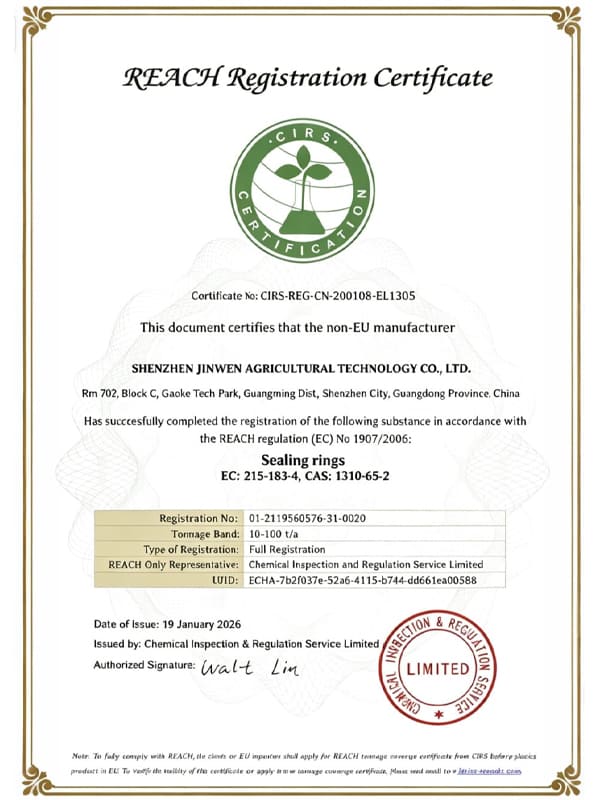
REACH Certificate
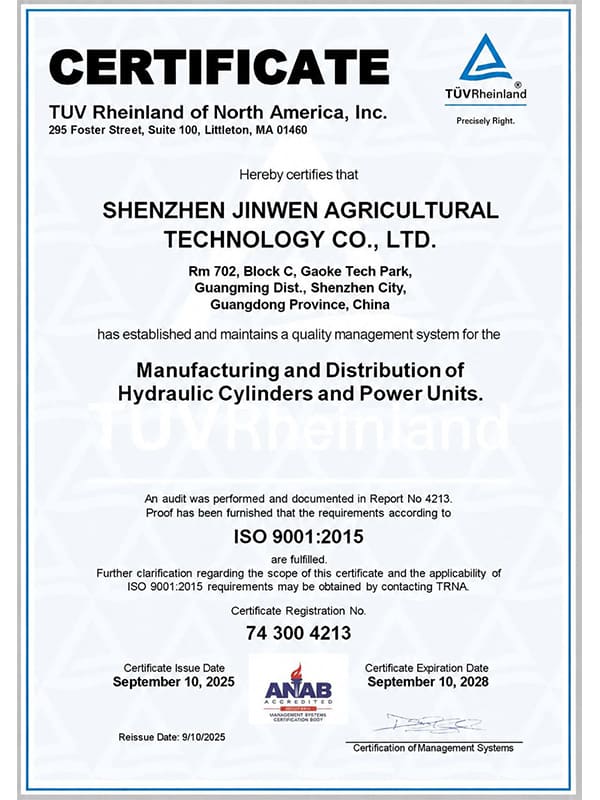
ISO 9001 Certificate
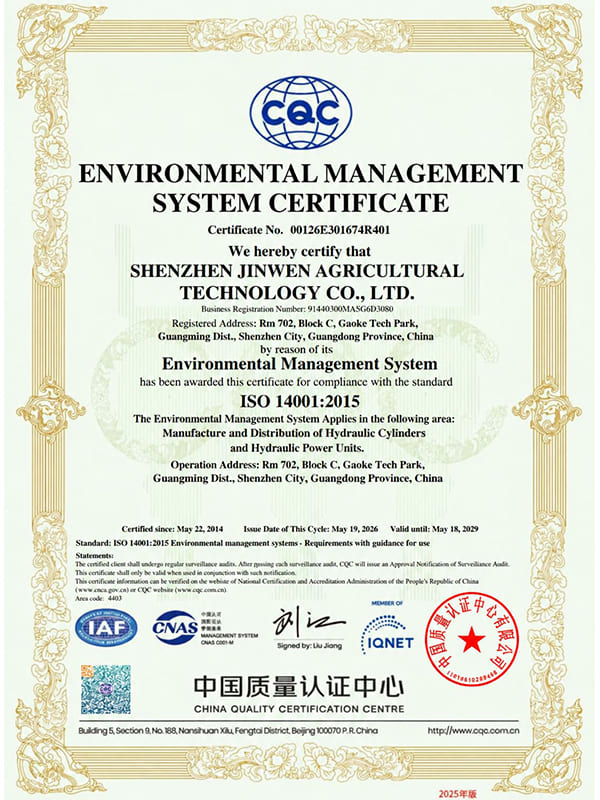
ISO 14001 Certificate
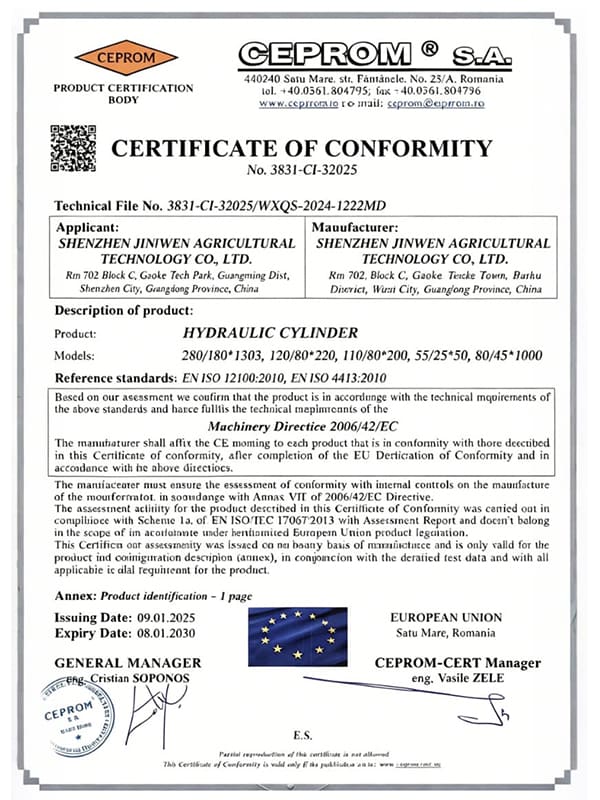
Certificate of Conformity
Why Work with Us
Aerospace-Grade Lightweight Materials
We make our light duty hydraulic cylinders from heat-treated aerospace-grade aluminum alloy, so they stay light yet resist tube sagging and deformation.
Lifetime Contamination-Free Cylinder Interior
We fully clear away metal chips and abrasive grit left after boring and roller burnishing, keeping the cylinder bore spotlessly clean.
72-Hour Agile Prototyping
After receiving your drawings, we can finish your light duty hydraulic cylinder samples and arrange shipment within 72 hours.
Fully Transparent Cost Breakdown
We will list every cost item such as matiral and machining fees, so you know exactly what you are paying for.
How to Customize Your Light Duty Hydraulic Cylinders
Send Your Drawing
Provide us the detailed drawing or physical sample or critical dimensions, working pressure, mounting details.
Working Environment
Whether the cylinders works in high temperature, humidity, salt spray, dust and high frequency, pressure.
Get Quick Quote
We review all details of drawing and requirements and provide optimization suggestions with our experiences if necessary.
Production Procedure
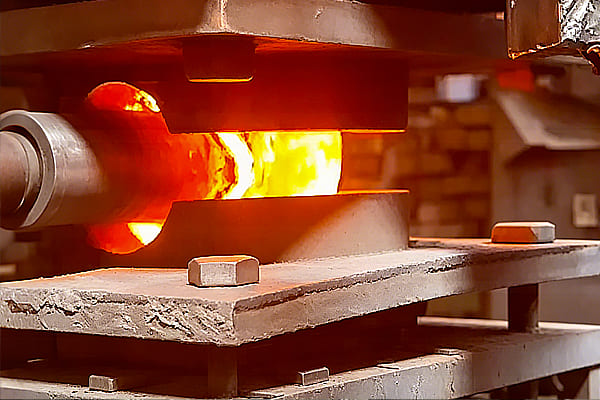
Integral forging
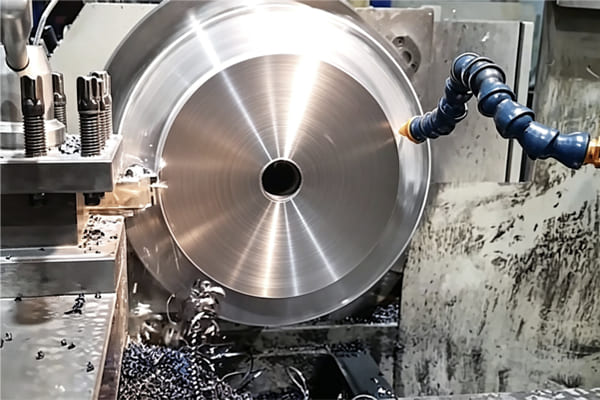
Turning
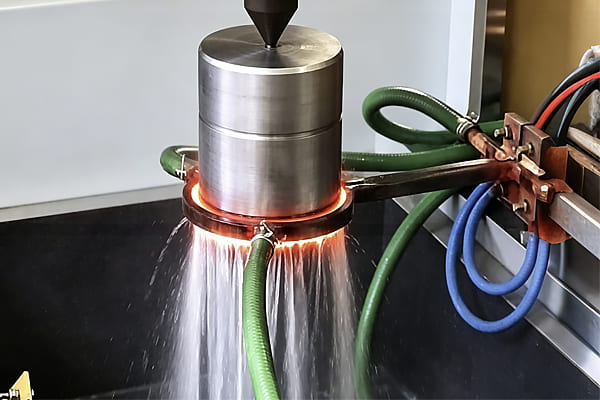
Induction hardening
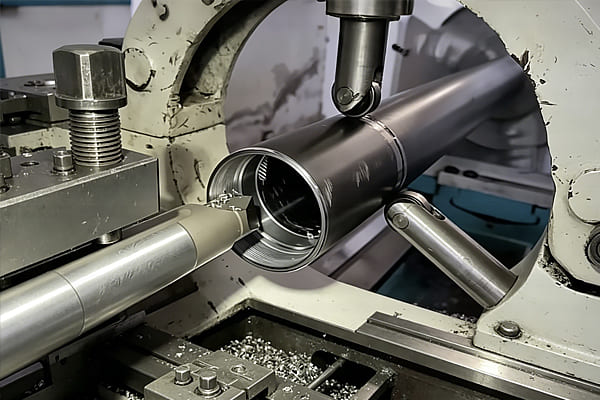
Cylinder barrel turning
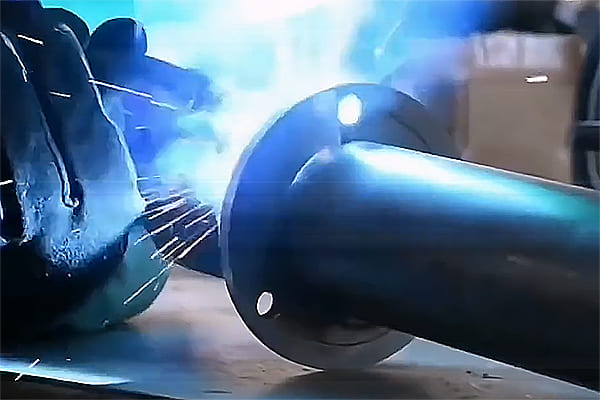
Welding
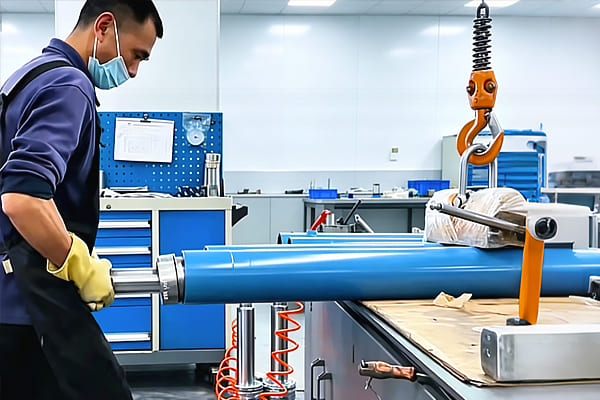
Assembly
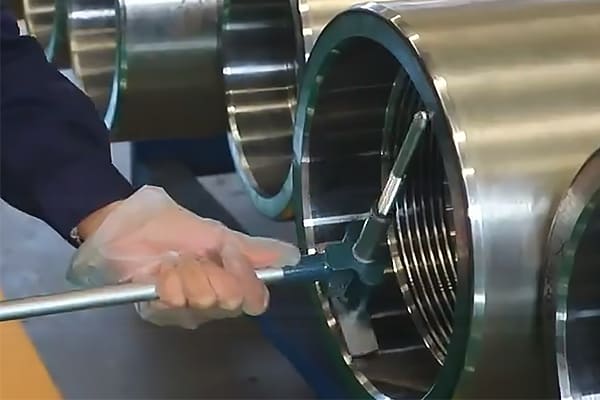
Dimensional measurement
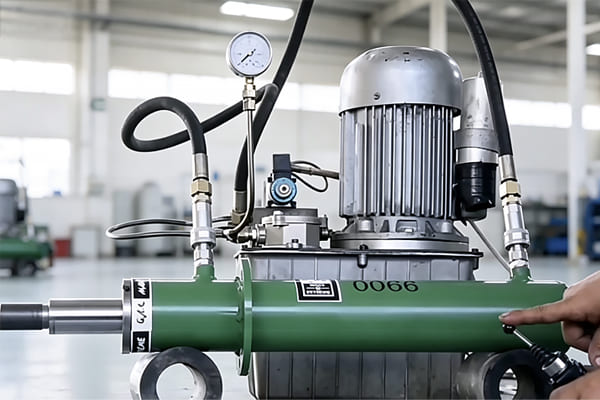
Pressure test