
Log Splitter Cylinders Manufacturer
Cylinder bore tolerance within H8 grade.
MOQ starts from 10 pieces.
Send us your drawings or specs for an engineering review and quote.
Brands We Serve in Hydraulic Industry















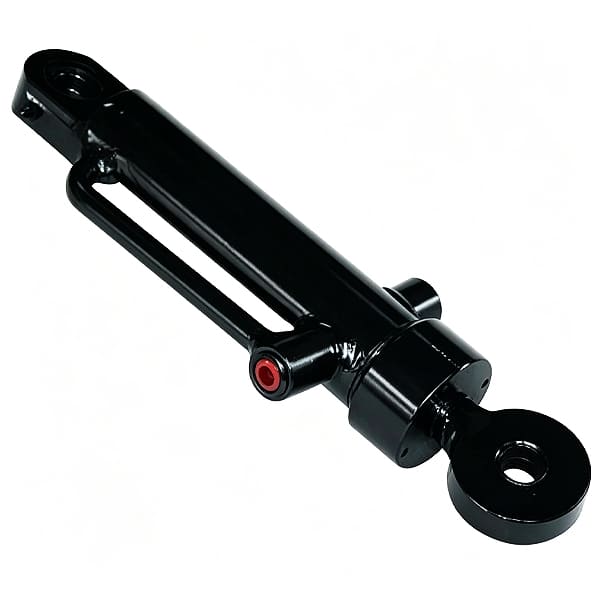
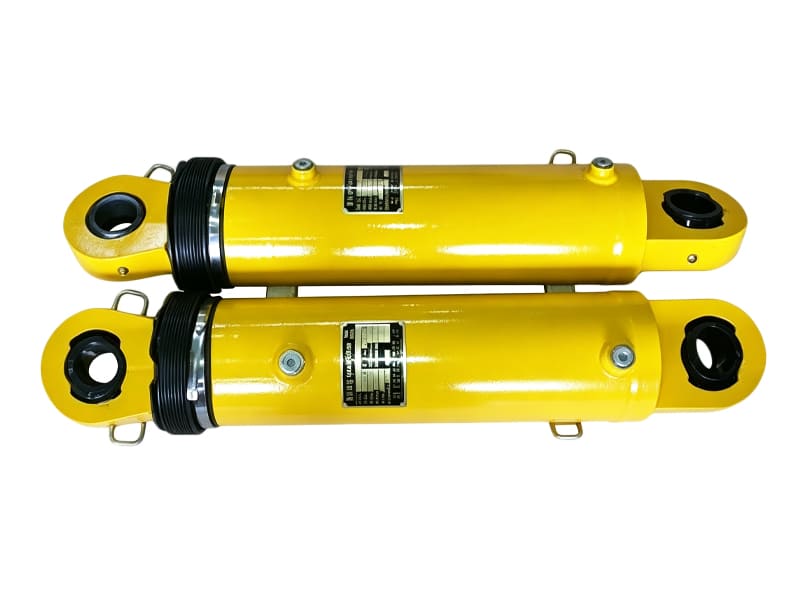
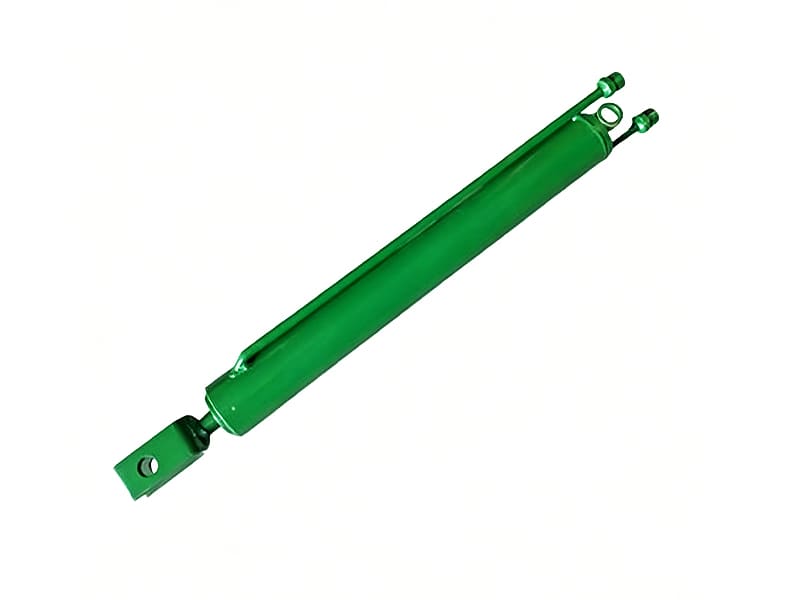
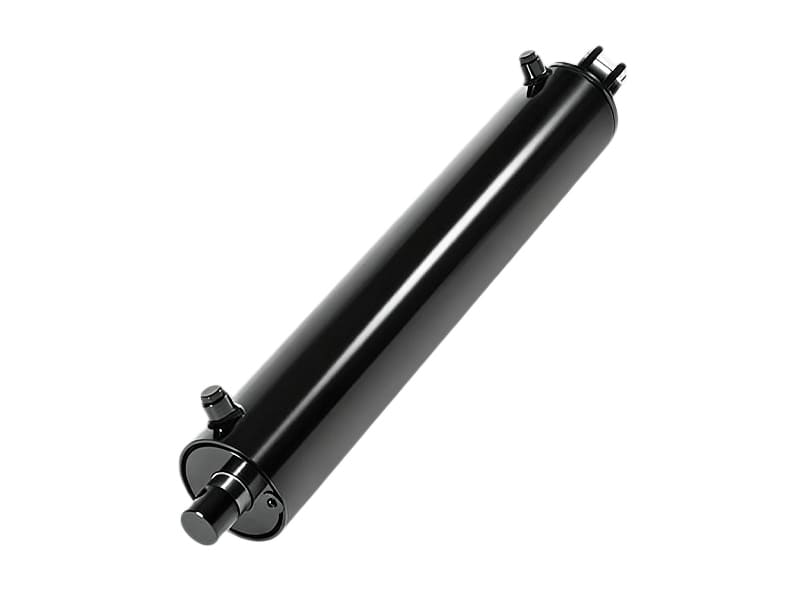
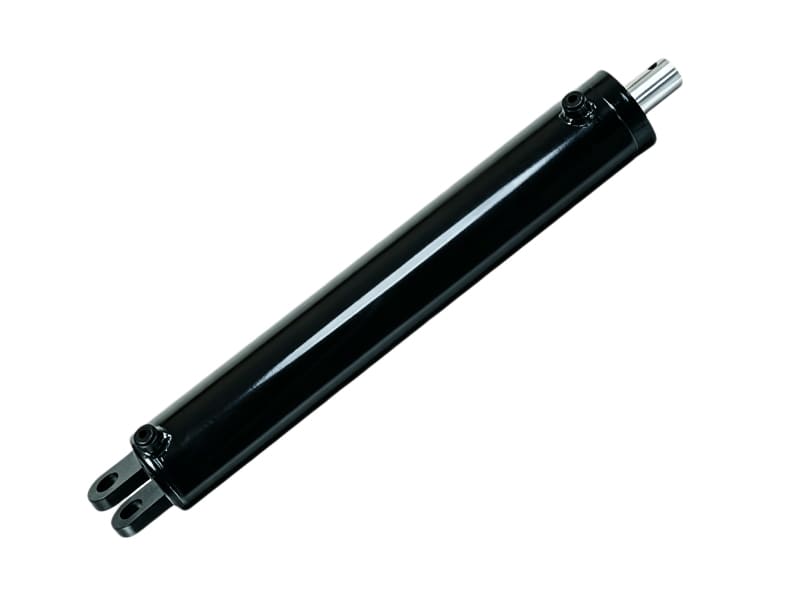
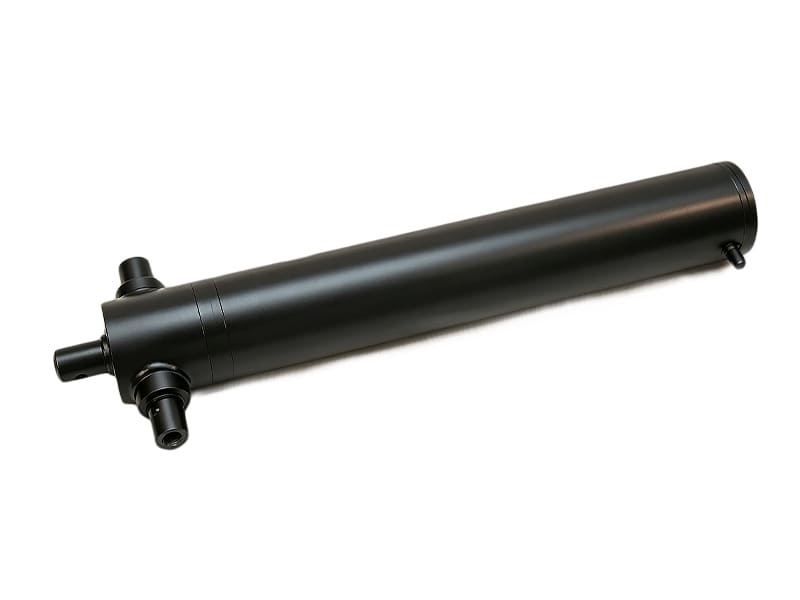
Log Splitter Cylinders
Our log splitter cylinders are double-acting welded units with bore sizes from 76 mm to 127 mm and stroke lengths between 406 mm and 914 mm. 16 MPa to 35 Mpa is the pressure range that they can bear while operating. We offer over ten internationally-standard mounting options including flange, clevis and foot bracket, so they fit your actual mounting dimensions perfectly.
For piston rods, we use 45# steel or 42CrMo steel, and we can switch to other materials per your request. We rough-turn the rods first, then perform quenching and tempering, followed by fine grinding and hard chrome plating. The chrome layer is 0.03-0.05 mm thick with Vickers hardness above 800, delivering great wear resistance.
We can build custom log splitter cylinders according to your drawings or specifications. Every cylinder goes through a 1.5× rated-pressure leak test before shipment.
Your Reliable Supplier of Log Splitter Cylinders
Log Splitter Cylinders
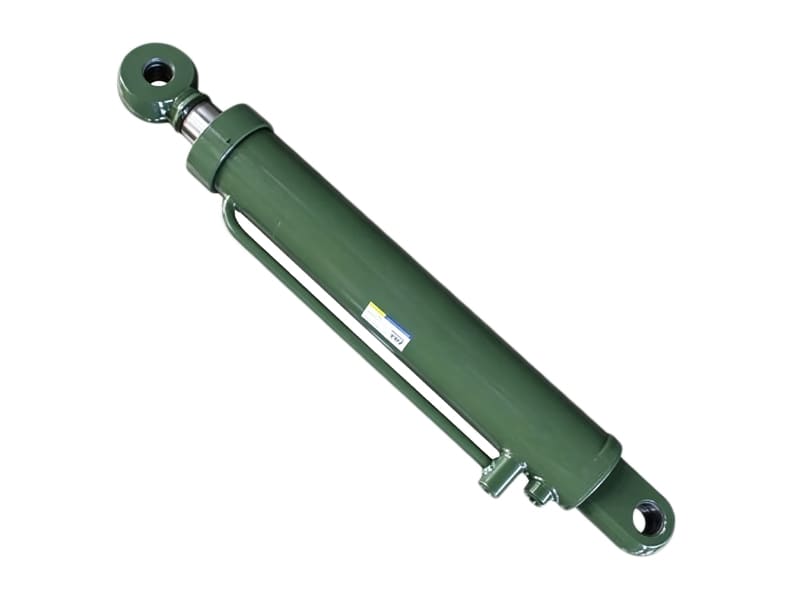
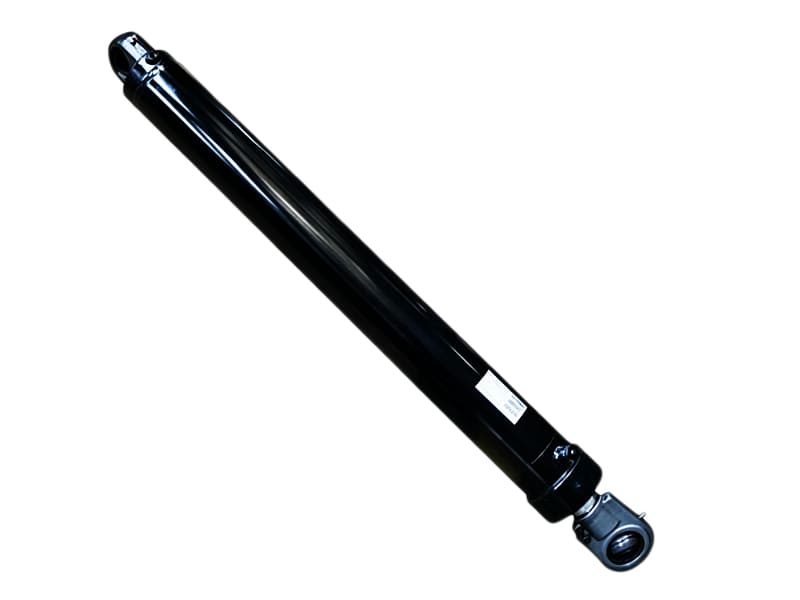
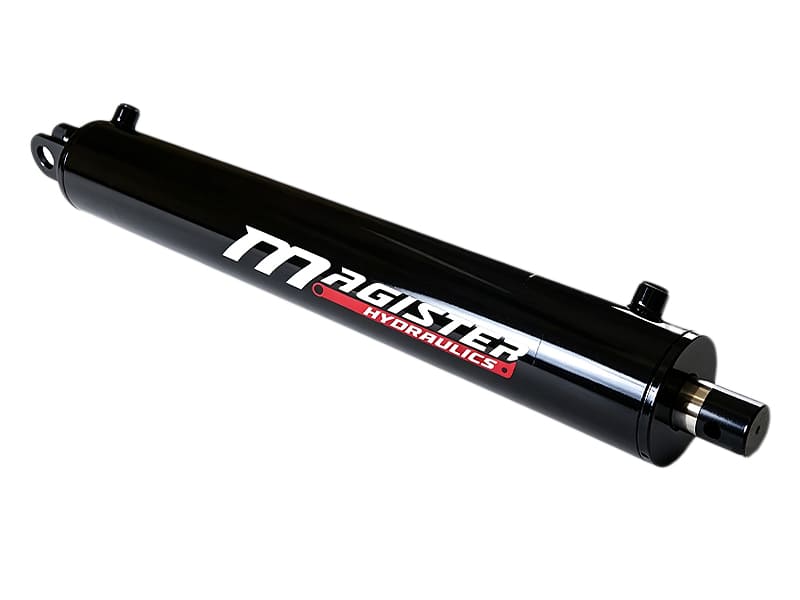
Applications of Log Splitter Cylinders
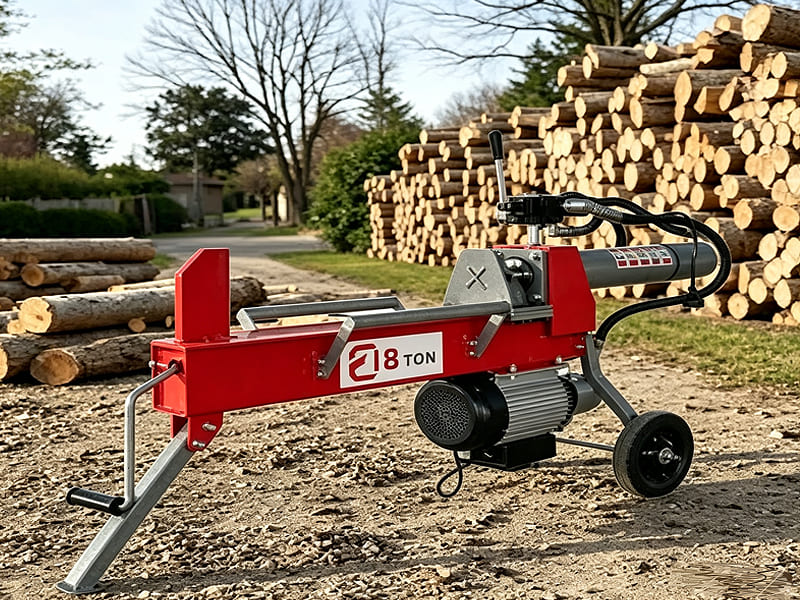
Agricultural-Forestry Material Handling Equipmentv
Log splitter cylinders power log splitters to carry out wood feeding, splitting under pressure, cushioning and deceleration. This application demands high impact resistance from the cylinder.We make cylinder tubes from 45-steel or 27SiMn. After quenching and tempering, the tensile strength goes above 600 MPa. For piston rods, we use 40Cr steel with hard-chrome plating. The chrome layer is at least 0.03 mm thick and delivers surface hardness over HV900. This lets the cylinder stand repeated sudden impacts during log-splitting work and resist deformation or damage over long-term use.
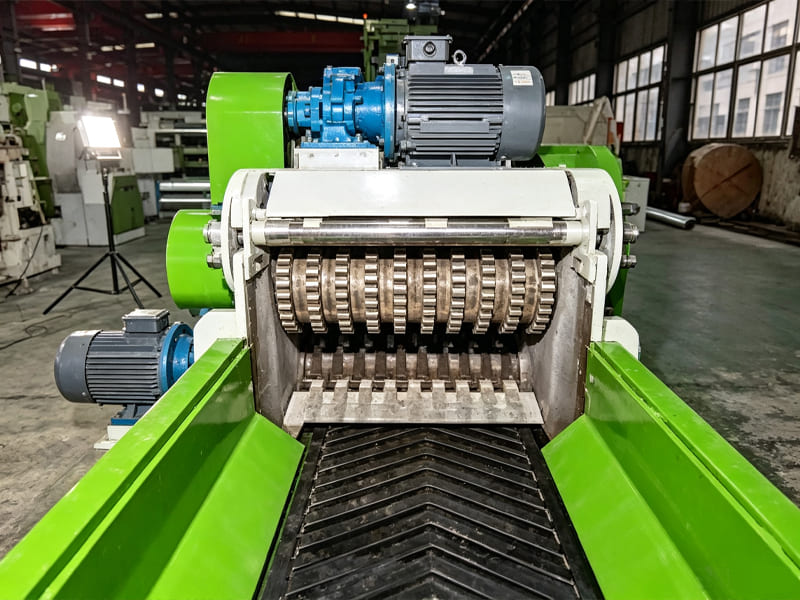
Garden Maintenance Equipment
Log splitter cylinders power the feed-roller assembly on wood chippers to perform material clamping and press-arm lifting. This application requires the cylinder to reduce impact noise from moving parts. Our log splitter cylinders are built with end-of-stroke buffering. Their buffer plunger includes throttle grooves that slow movement gradually across the final 10 mm of travel. This cuts impact noise by 5-8 decibels compared with standard cylinders.
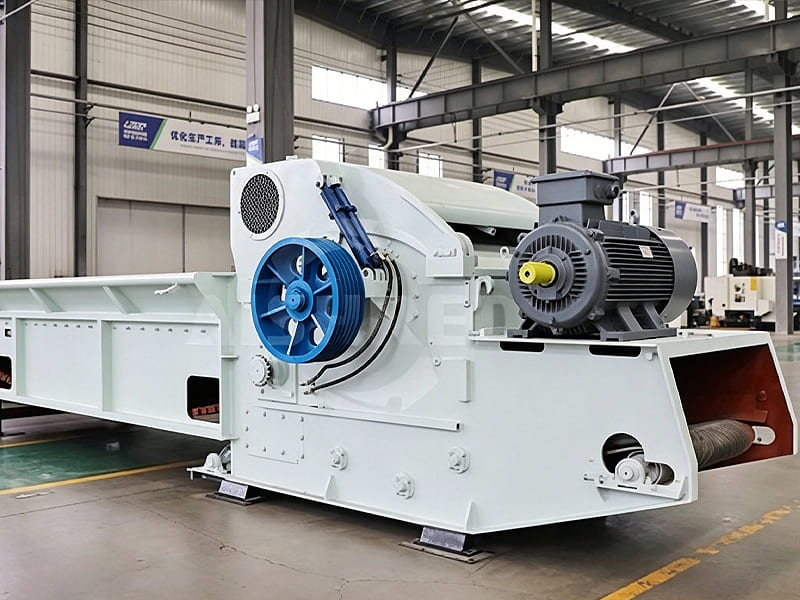
Biomass Energy Pre-Processing Equipment
Log splitter cylinders power biomass pre-processing equipment such as biomass crushers and wood chippers to deliver material pressing-down and pressure-holding during cutting. This application demands excellent seal and wear resistance from the cylinder. We use polyurethane main seals, with hard-chrome plating on piston rods going over 0.05 mm thick and delivering surface hardness up to HV1000. For cylinder tubes, we apply roller burnishing and precision grinding on inner bores to keep surface roughness within Ra0.2. This lets the cylinder withstand wear caused by frequent back-and-forth operation.
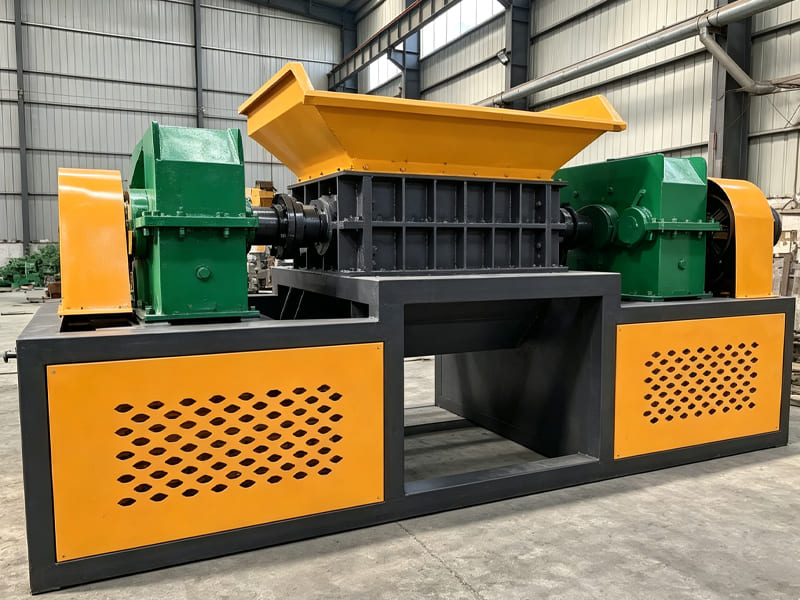
Solid Waste Recycling Pre-Processing Equipment
Log splitter cylinders power solid waste recycling pre-processing equipment such as waste wood shredders and bulky-waste crushers to perform fast waste feeding and pressure-assisted clamping-and-shredding operations. This application demands strong corrosion resistance from the cylinder. We make cylinder tubes and end caps from 27SiMn alloy steel with phosphating reinforcement treatment. They offer better corrosion resistance than regular carbon steel. For piston rods, we increase hard-chrome plating thickness above 0.05 mm. This lets the cylinder resist erosion from acidic and alkaline dust.
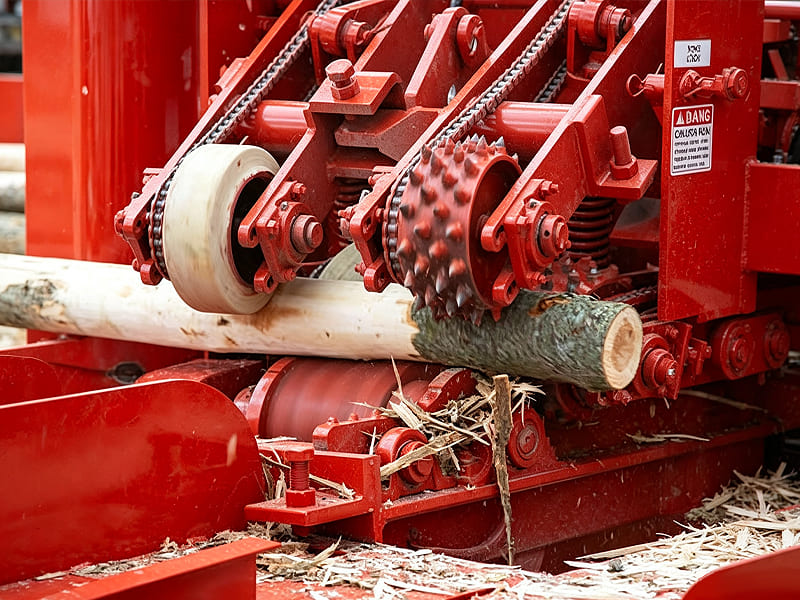
Primary Wood-Processing Equipment
Log splitter cylinders power primary wood-processing equipment such as wood chippers and debarkers to perform material clamping and knife-roll feed movements. Irregular-shaped wood stock creates significant side-loads during operation, so this application demands high side-load resistance from the cylinder. For our 5-inch bore log splitter cylinders, we can fit a 2.5-inch piston rod, one size larger than the common rod-to-bore ratio. We also extend the effective support length of the guide sleeve by 30 % versus standard units. This improves the cylinder’s ability to withstand side forces.
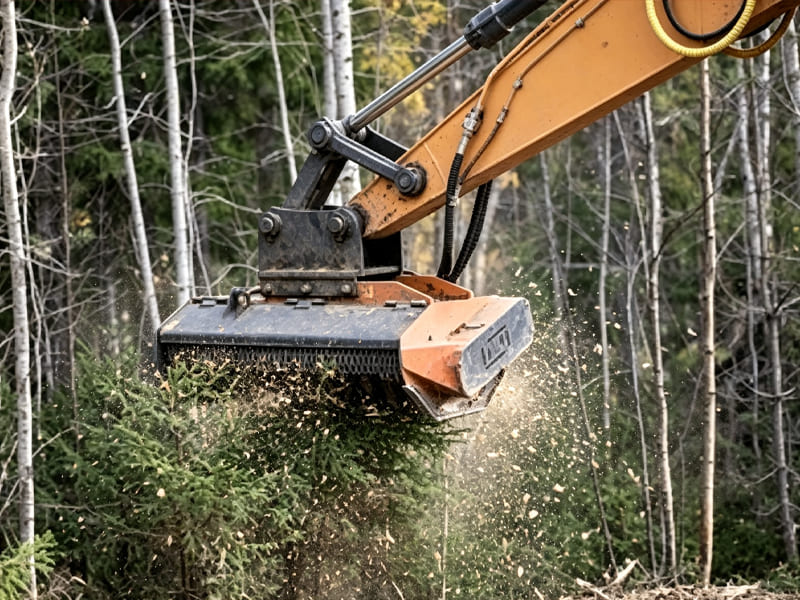
Mobile Field-Operation Equipment
Log splitter cylinders power field-mobile equipment such as mowers and brush cutters to perform cutter-disk lifting, cutting-width adjustment and cutter-frame swinging. This application demands high resistance to bumps and scratches from the cylinder. Our log splitter cylinders have cylinder-tube walls 1-2 mm thicker than standard units, with surfaces finished by powder coating. This helps reduce tube damage caused by scraping branches.
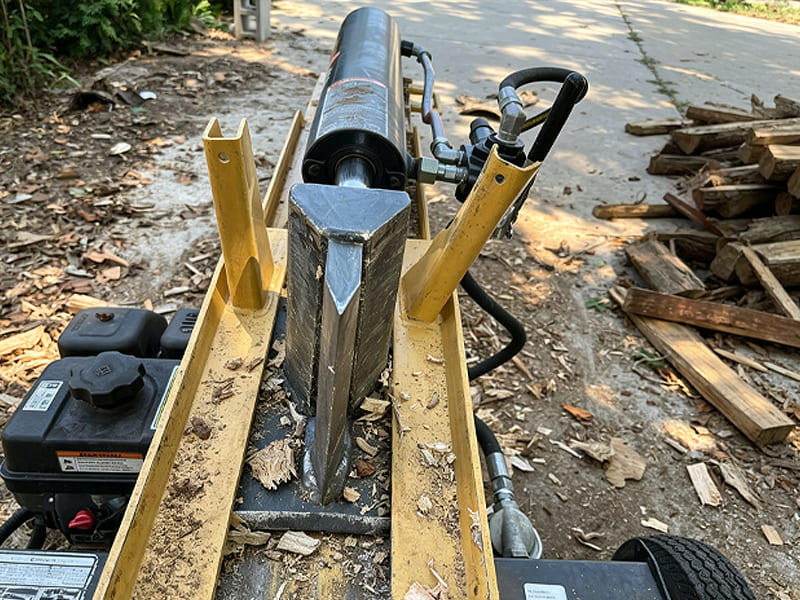
Piston Rod Bending Under Off-Center Log Loading on Log Splitter Cylinders
Bent piston rod is a common failure for log splitter cylinders. When the cylinder works, the piston rod drives the pusher to press wood against the cutting blade. Logs come in irregular shapes with knots and slanted grain, so the splitting reaction force runs off-center from the cylinder axis and applies side-bending force to one side of the piston rod. Log splitters produce a rated splitting force of 20-50 tons, and the resulting side load can reach 10%-15% of that rated value. This means the piston rod is under continuous side force during pushing, and repeated working cycles will bend it over time.
After receiving your log splitter cylinder drawings, we first check the rated splitting force and maximum log diameter. Next we check if the piston rod diameter and guide bush length are adequate. The standard rod-to-bore ratio is 0.5-0.6. For applications with heavy side load risks, we advise setting this ratio above 0.65. A 100 mm bore, for instance, usually comes with a 55 mm rod, so we would suggest a 63 mm rod for improved bending resistance. We also increase piston bearing rings from 1 ring to 3 rings and use filled-PTFE bearing rings rated above 30 MPa surface pressure. These rings pass side loads onto the inner wall of the cylinder tube, reducing side load acting on the piston rod.
Slow Retraction Speed Reducing Splitting Cycle Efficiency on Log Splitter Cylinders
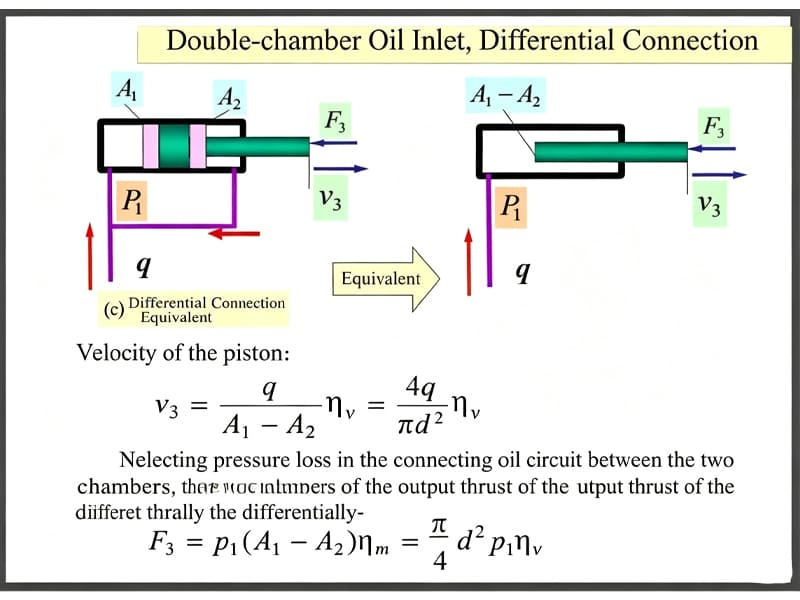
Slow retraction speed is a main failure of log splitter cylinders. When the cylinder retracts, oil enters the rod chamber and flows out from the bore chamber. The piston rod occupies part of the space inside the cylinder tube, so the effective working area of the rod chamber is smaller than that of the bore chamber, resulting in low retraction thrust from the rod chamber. With constant pump flow, retraction speed is naturally lower than extension speed, normally only 40%-60% of extension speed. Plenty of working time is spent waiting for the cylinder to retract and reset, which reduces machine-working efficiency.
Take a cylinder with 100 mm bore and 63 mm rod as an example. Its rod-chamber area is about 60% of the bore-chamber area. If we keep the same bore size and reduce the piston rod diameter to 55 mm, the rod-chamber area ratio can rise to around 70%, and the cylinder retraction speed can increase by about 15%. Besides, We replace standard U-cup seals with low-friction PTFE step seals, whose dynamic friction coefficient drops from 0.3-0.5 to 0.1-0.2, a reduction of more than half, effectively fixing high starting resistance and delayed movement during cylinder retraction.
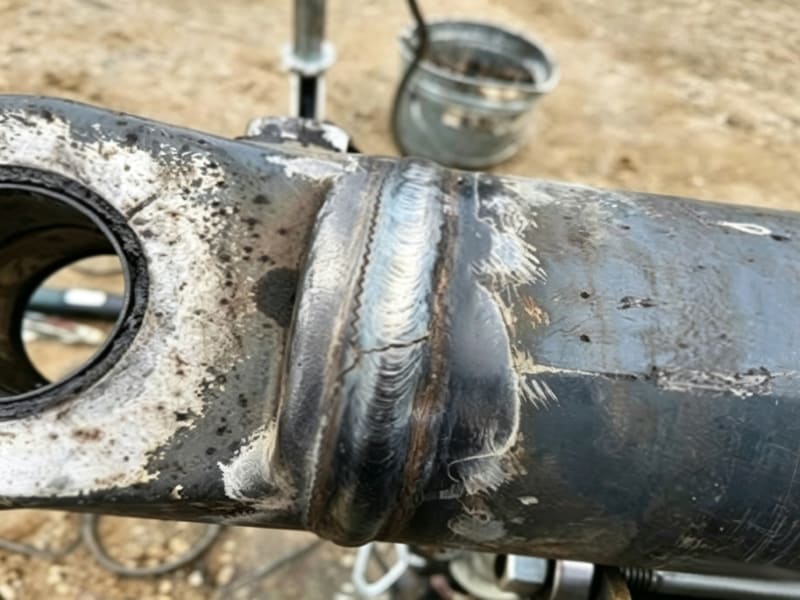
Weld Joint Fatigue Cracking Under High-Frequency Pressure Shocks on Log Splitter Cylinders
Certifications
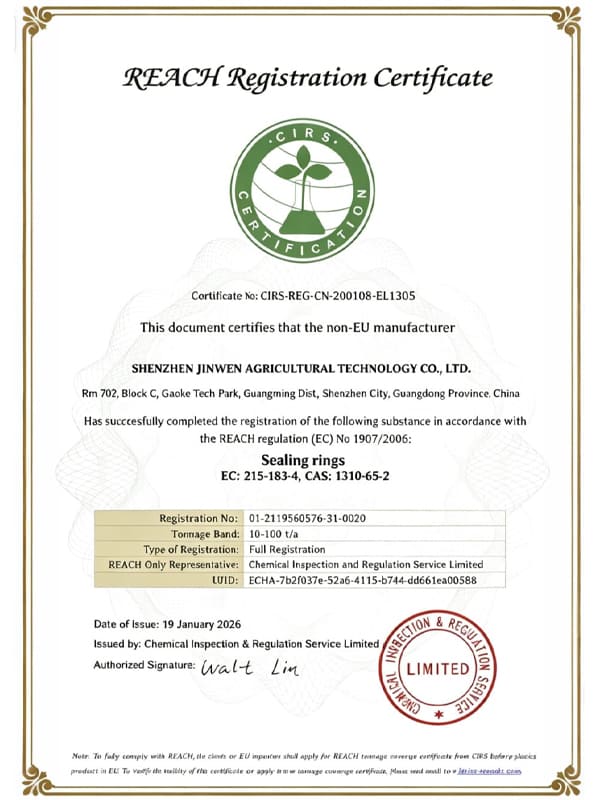
REACH Certificate
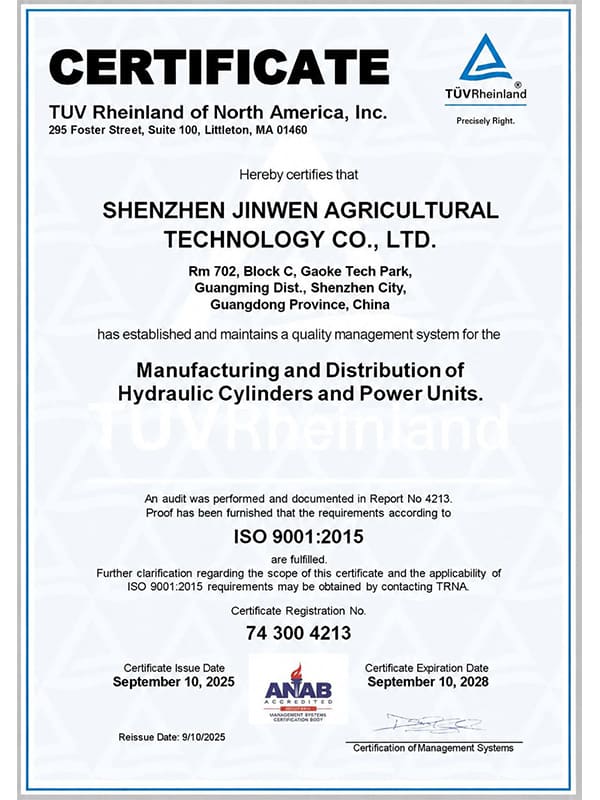
ISO 9001 Certificate
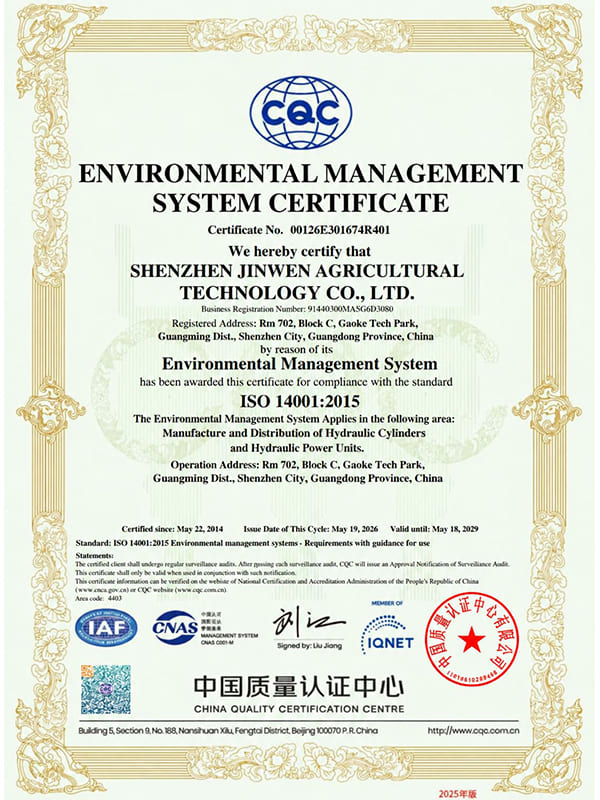
ISO 14001 Certificate
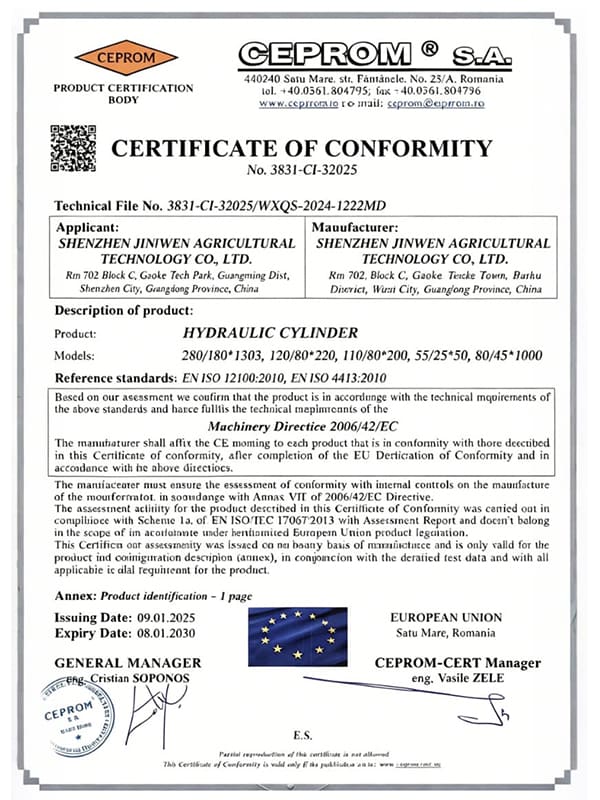
Certificate of Conformity
Why Work with Us
Anti-Corrosion Sealing Systems for Wood Sap Resistance
We supply acid-and-alkali resistant PU seals, double-lip dust wipers and drain grooves to protect the cylinder from weak-acid tree sap.
Clean Assembly Process with Contamination-Free Cylinder Chambers
We use a dedicated assembly workshop where parts undergo ultrasonic cleaning followed by 10-μm precision circulating flushing to keep the cylinder bore free of contamination.
Flexible Interface Dimensions Customization
We can machine various port sizes including SAE flanges and BSP threads, adjusting port orientation per your requirements for direct fitting onto your machine.
Specialized Manufacturing Expertise for Log Splitter Cylinders
We can help you solve problems such as slow retraction, piston-rod misalignment and seal failure leading to oil leakage.
How to Customize YourLog Splitter Cylinders
Send Your Drawing
Provide us the detailed drawing or physical sample or critical dimensions, working pressure, mounting details.
Working Environment
Whether the cylinders works in high temperature, humidity, salt spray, dust and high frequency, pressure.
Get Quick Quote
We review all details of drawing and requirements and provide optimization suggestions with our experiences if necessary.
Production Procedure
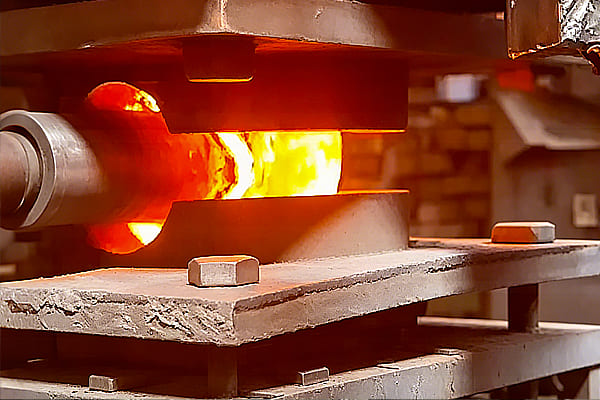
Integral forging
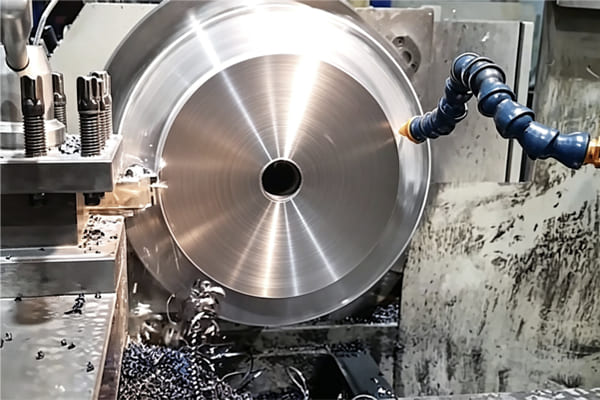
Turning
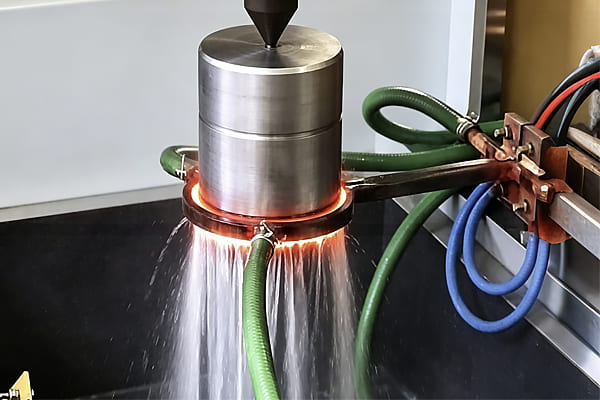
Induction hardening
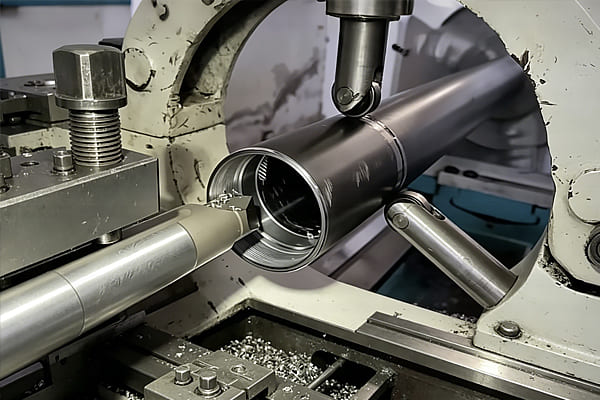
Cylinder barrel turning
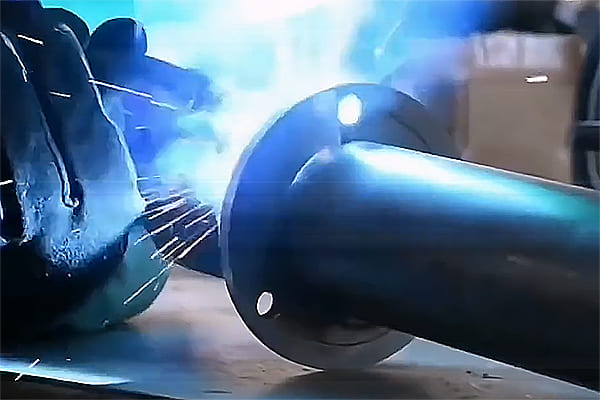
Welding
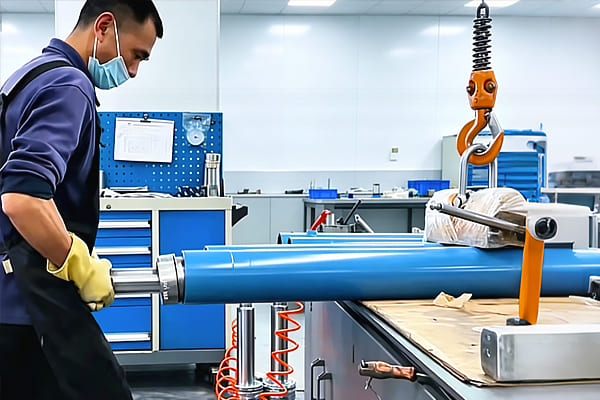
Assembly
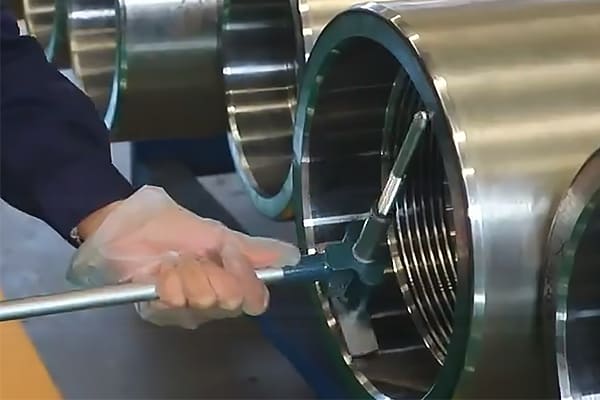
Dimensional measurement
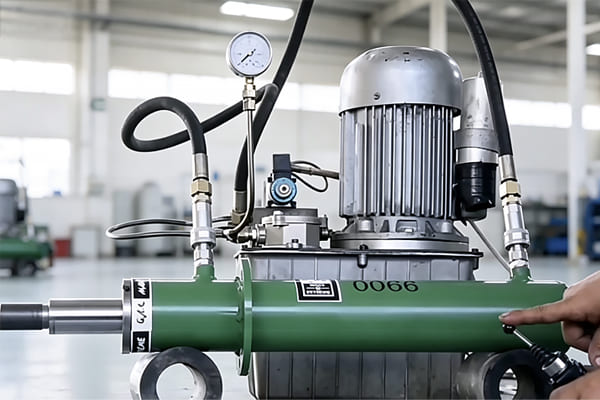
Pressure test