
Steering Hydraulic Cylinder Manufacturer
All cylinders are tested at 1.5 times the rated pressure before delivery.
MOQ starts from 1 piece and the lead time is 7-10 days.
We provide technical review and quotation based on your drawings and working conditions.
Brands We Serve in Hydraulic Industry













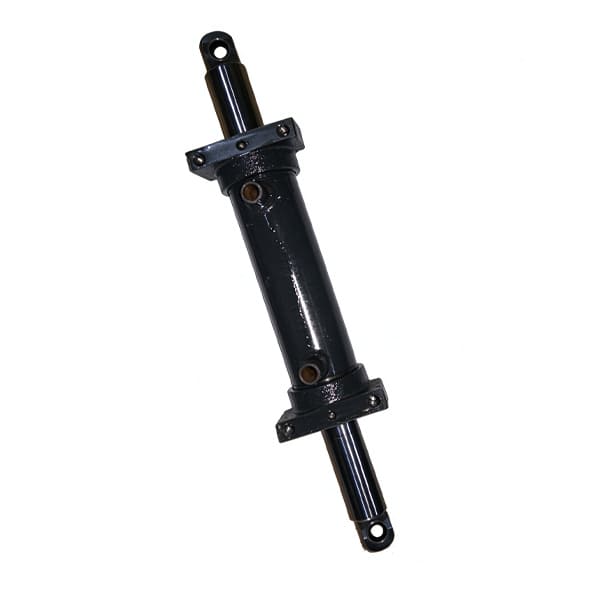
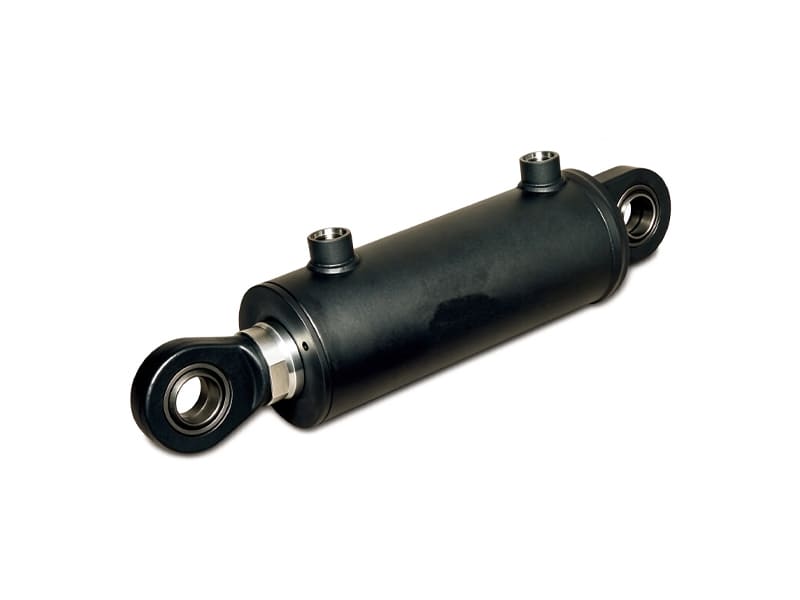
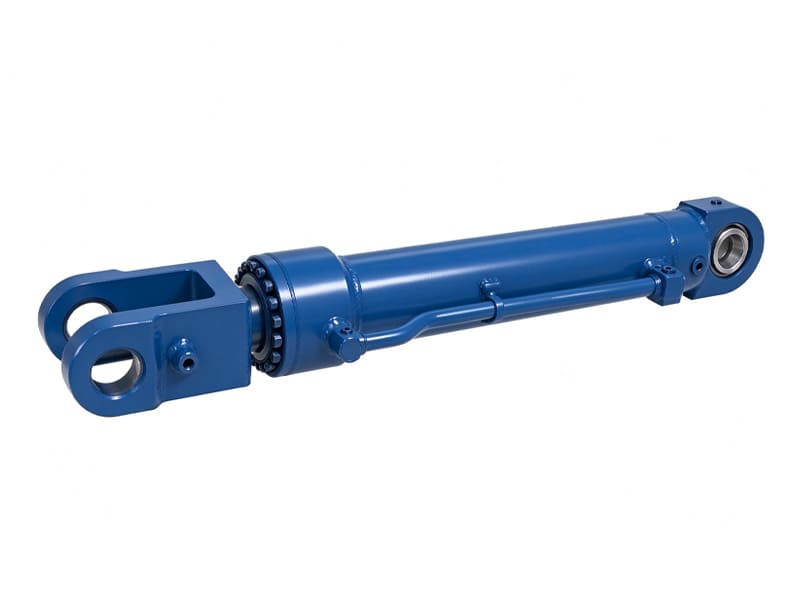
Steering Hydraulic Cylinder
Your Reliable Supplier of Steering Hydraulic Cylinder
Steering Hydraulic Cylinder Types
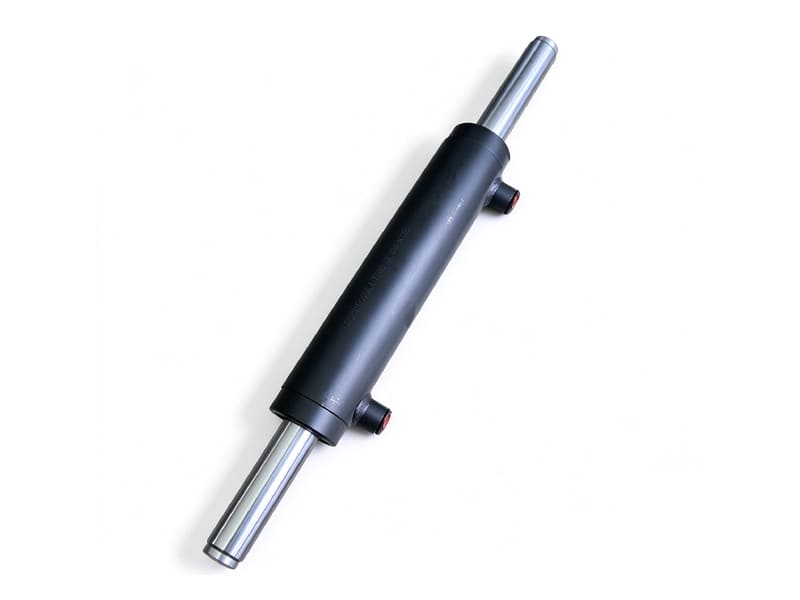
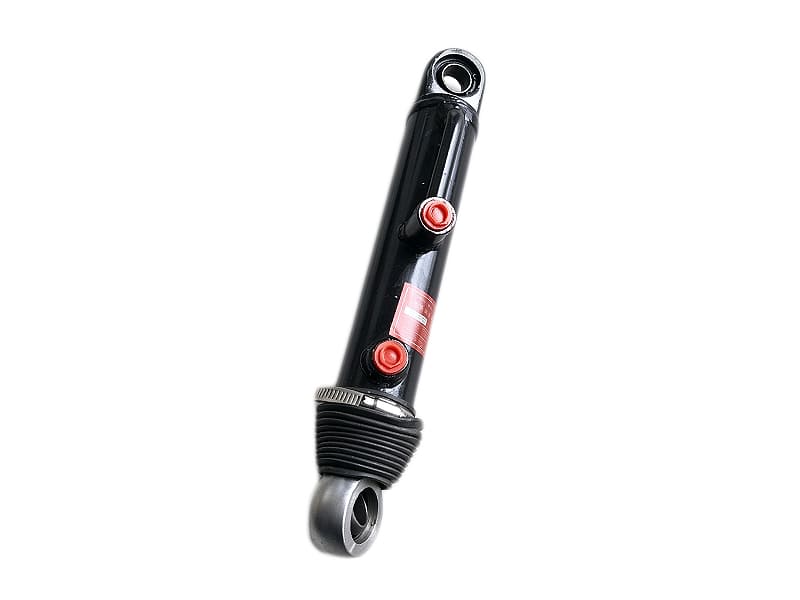
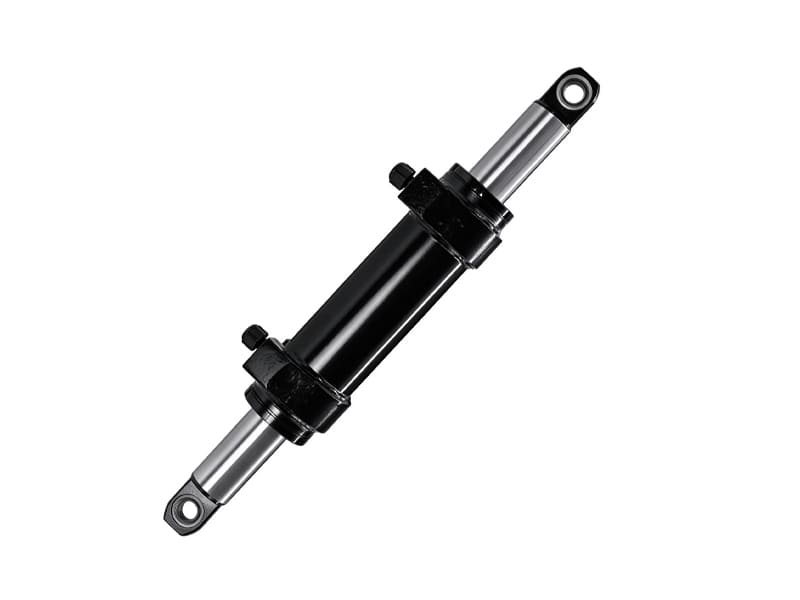
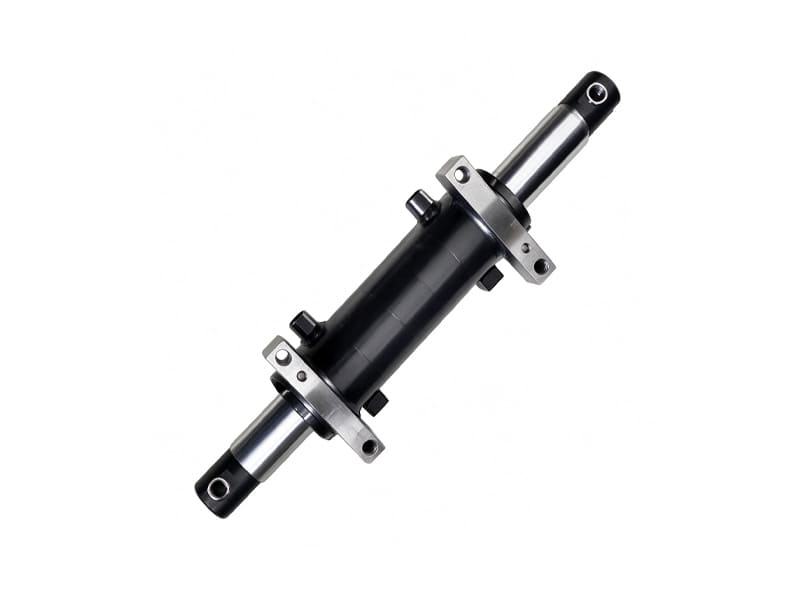
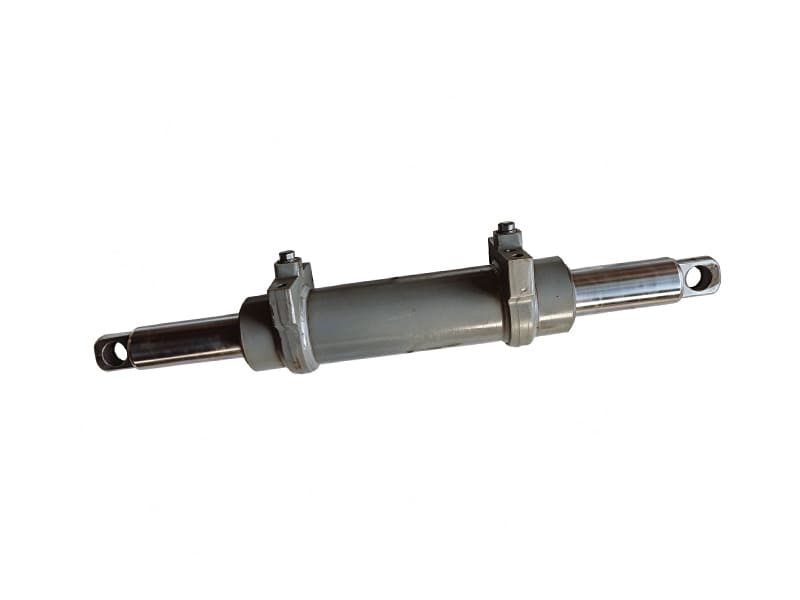
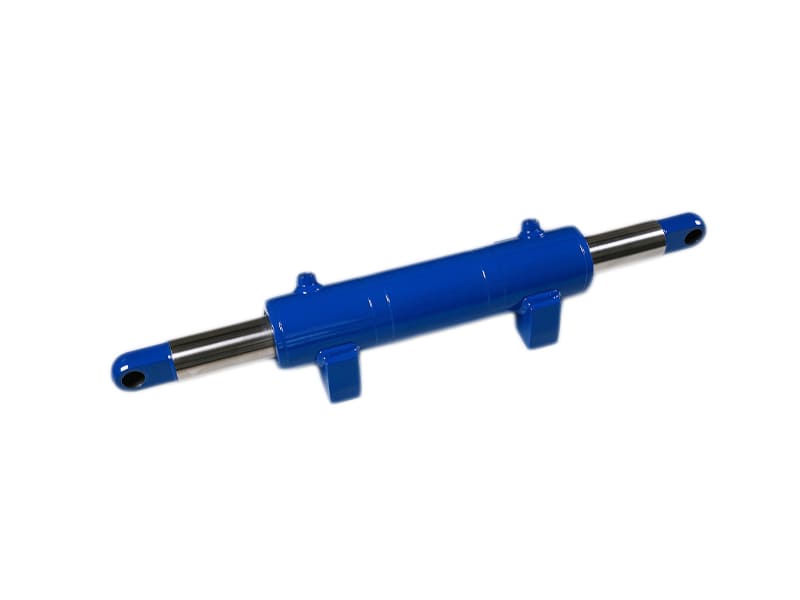
Double Rod Steering Cylinder
A double-ended steering cylinder is a type of hydraulic steering cylinder. It has piston rods on both sides of the piston. The piston has equal effective pressure areas on both sides. With the same oil pressure, push and pull forces are nearly equal for balanced two-way motion. This makes it suitable for special vehicles that need the same steering force on both sides.
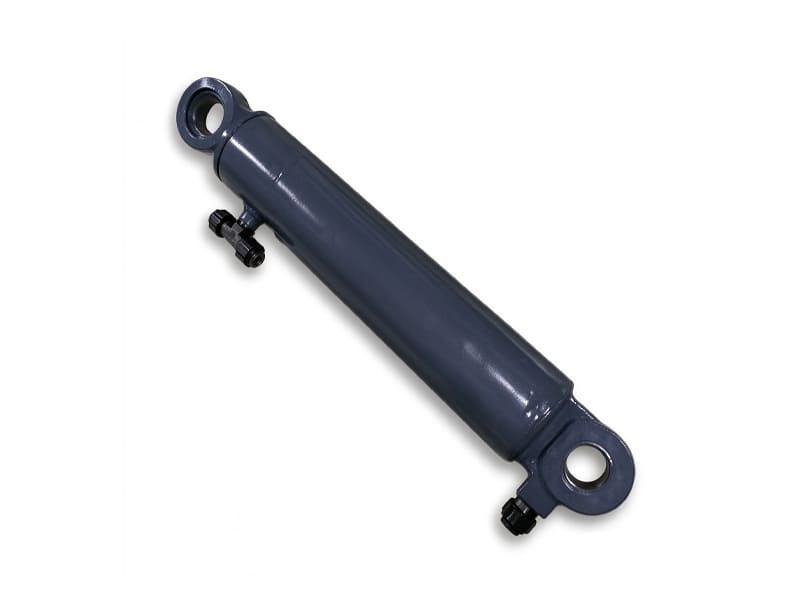
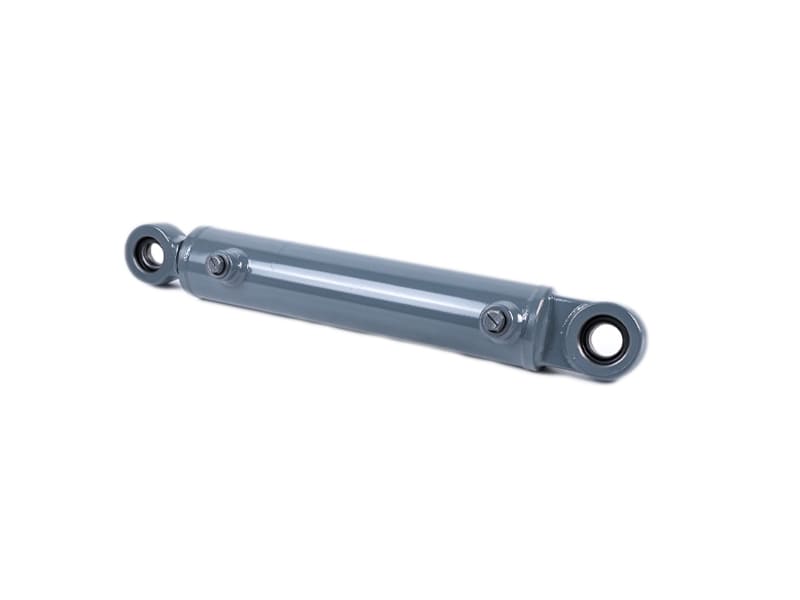
Front Wheel Steering Cylinder
A front-wheel steering cylinder is also a type of steering hydraulic cylinder. It is mounted on the front axle or frame, usually use a clevis or ball joint mounting methods. This mounting lets the cylinder swing with the steering knuckle arm during steering. It lowers side load and helps prevent cylinder damage.
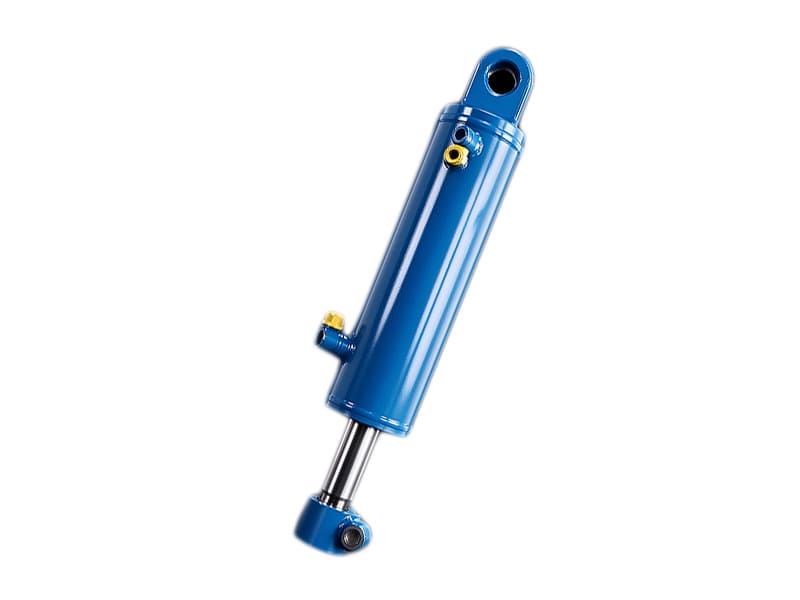
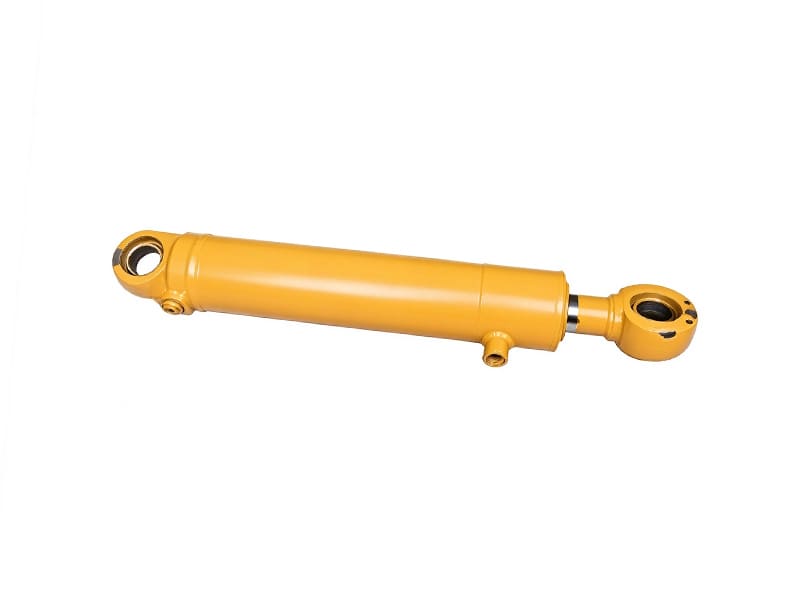
Articulated Steering Cylinder
Articulated steering cylinder is a type of hydraulic steering cylinder. It is fitted between the front and rear frames. When the piston rod extends or retracts, it pushes the frames to pivot around the hinge pin, so the machine changes direction. This kind of steering doesn’t turn the front wheels. Instead, the machine bends in the middle to turn. That makes turning more flexible, and it works great on large construction machines like loaders and graders.
Steering Hydraulic Cylinder Features
Steering Hydraulic Cylinder
Applications of Steering Hydraulic Cylinder
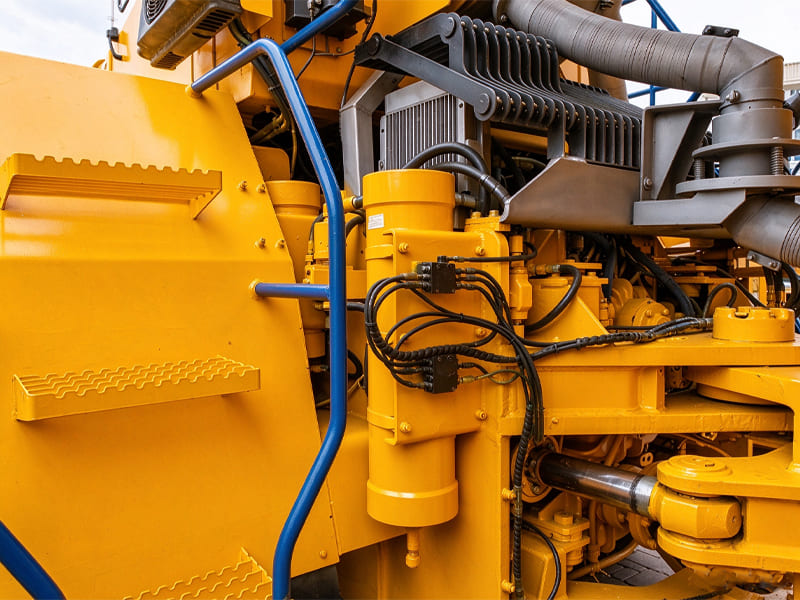
Articulated Steering for Wheel Loader
Steering hydraulic cylinders are used in the articulated steering system of wheel loaders. When hydraulic oil enters the working chamber to pushes the piston rod out, it pushes the piston rod out and pulls the frame to swing around the hinge point. When the piston rod retracts, it pulls the frame to swing the other way, so the loader can turn left and right. The cylinder has a thick-walled barrel and a large bore. It can deliver enough steering force, allowing car turn easily even when the loader is fully loaded.
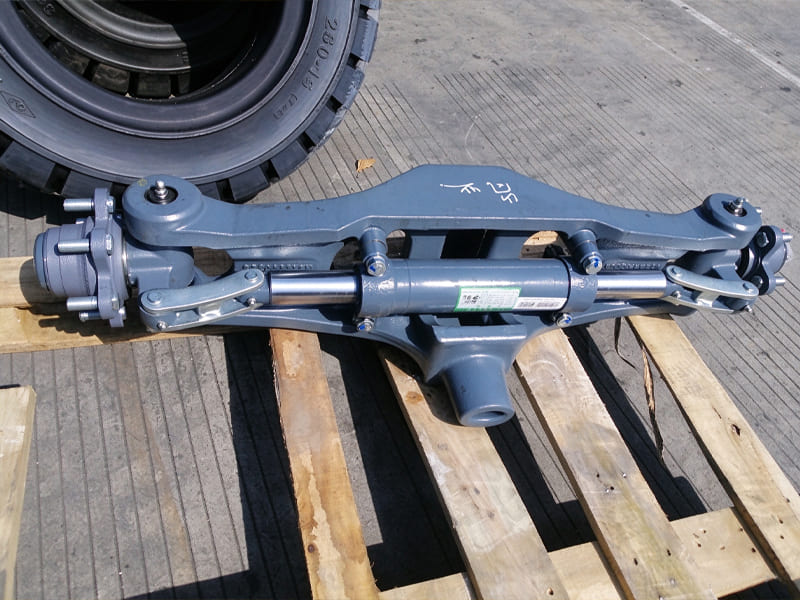
Forklift Rear Axle Steering
Steering hydraulic cylinders are used in the rear axle steering system of forklifts. The cylinder is mounted inside the forklift’s rear axle frame, the both ends connected to the steering arm and the frame. High-pressure oil pushes the piston rod to extend and retract, swinging the steering arm left and right to turn the rear wheels.
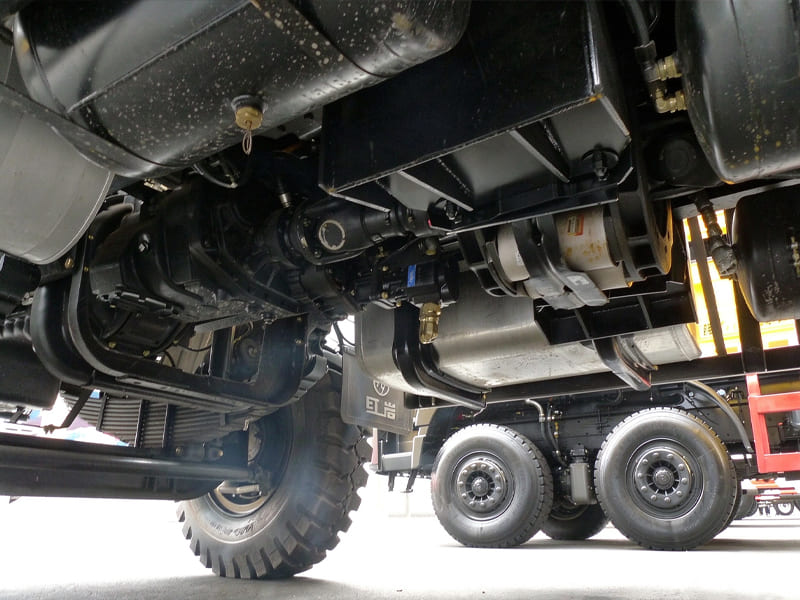
Mining Dump Truck Steering
Steering cylinders are used in the steering system of mining dump trucks. High-pressure oil pushes the piston rod to extend and retract. This pulls the steering tie rod to drives the wheel knuckle, making the front wheels swing left and right to turn the vehicle. The cylinder barrel is made of 27SiMn steel with tensile strength ≥980MPa. It can resist deformation under high-pressure impact, keeping the steering system working reliably.
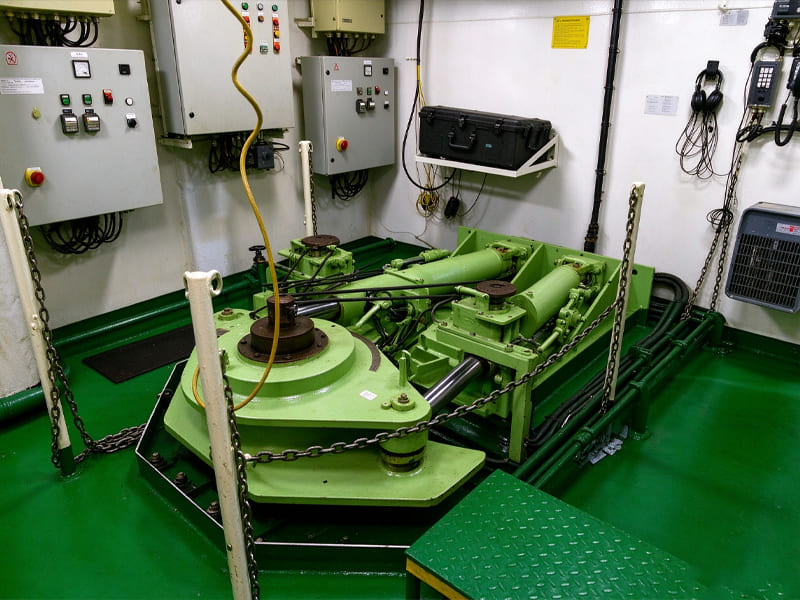
Marine Rudder System
The steering cylinder is used in the ship's steering gear system, and it's installed in the steering gear room at the stern. High-pressure oil enters the oil chamber and pushes the piston rod out. It pushes and pulls the tiller to rotate the rudder blade, changing the water flow ‘s force direction to control the ship’s direction. The cylinder has a hydraulic lock, so once the direction is set, it locks the rudder blade firmly in place and keeps the ship on course.
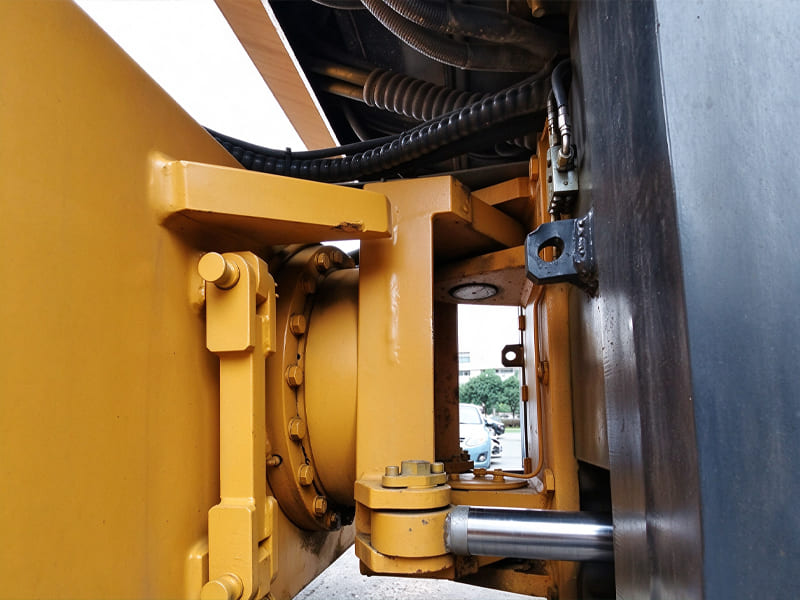
Road Roller Steering
Steering hydraulic cylinders are used in the steering system of road rollers. Pressurized oil drives the piston rod to extend and retract. It pulls the front and rear frames to rotate around the hinge point, so the road roller can turn left and right. There's a cushioning device inside the cylinder, it can start and stop without any impact. This stops steering shake that will damage the road surface, making sure the paved surface stays flat and even.
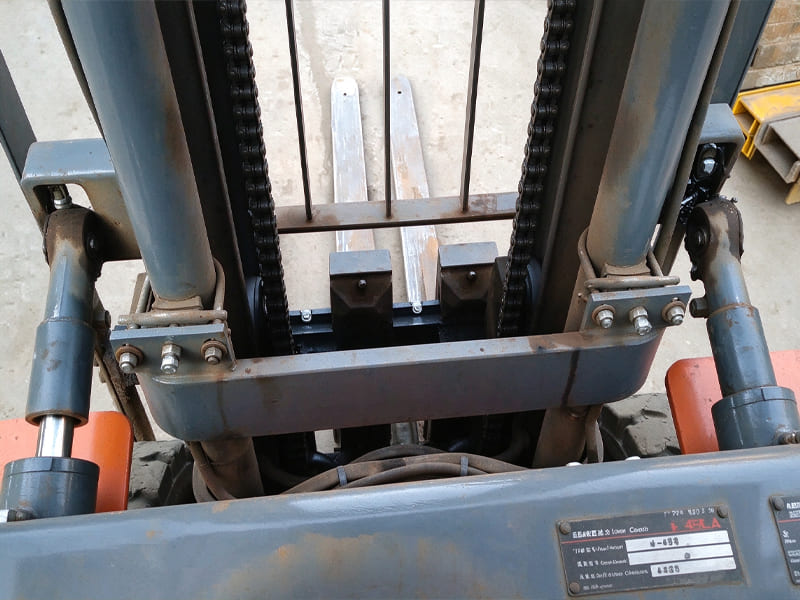
Warehouse Logistics Vehicle
Steering hydraulic cylinders are used in the steering system of warehouse logistics vehicles. The cylinder is mounted on the steering mechanism of the chassis. Through hydraulic oil flows into the cylinder chamber and drives the piston rod in and out, to turn the rear wheels and lets the vehicle make turns, straighten out, and so on. The hydraulic drive is fast, so the operator just needs to press a button that the vehicle steers easily to go pick up goods.
Impact occurs when steering cylinder hits dead end
Ordinary steering cylinders will hit the end cap when the piston moves to the end. For long time, this will damage cylinder parts and shortens service life. The reason is that there is no cushioning at the end of the cylinder, so the piston still has speed when it reaches the end and hits the head hard.
We will fit buffer springs at the cylinder bottom or guide sleeve. When the piston nears the stroke end, it touches the spring first. The spring takes the impact and slows the piston down, so it stops smoothly instead of hitting the cylinder head directly. This reduces the impact force and protects the seals, the cylinder head, and the steering mechanism.
Insufficient steering power of equipment
Seals will wear out after long time of repeated movement, which causes internal leakage in the cylinder. When internal leakage happens, high-pressure oil flows from the high-pressure chamber to the low-pressure chamber. The pressure keeps leaking away, so there is not enough force to push the piston. The cylinder’s output force drops, and the equipment appear weak steering.
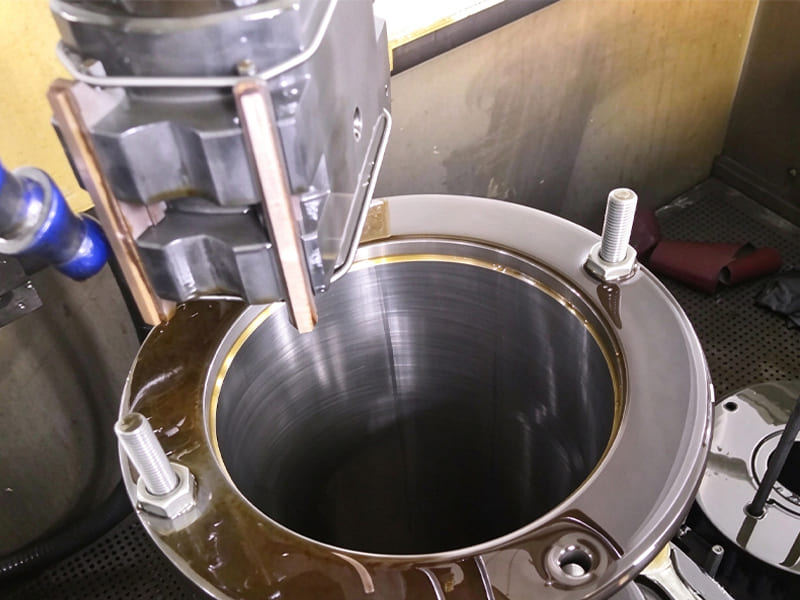
Our cylinders use a precision honing process that keeps the inner wall roughness at Ra≤0.4μm. This means that when the piston rod moves back and forth, the smooth wall will not scratch the seals, so seal wear is greatly reduced. Every cylinder goes through a high-pressure holding test before delivery. The test will check whether seals leak under continuous high pressure to find internal leakage problem early. This ensure stable, reliable steering force.
Certifications
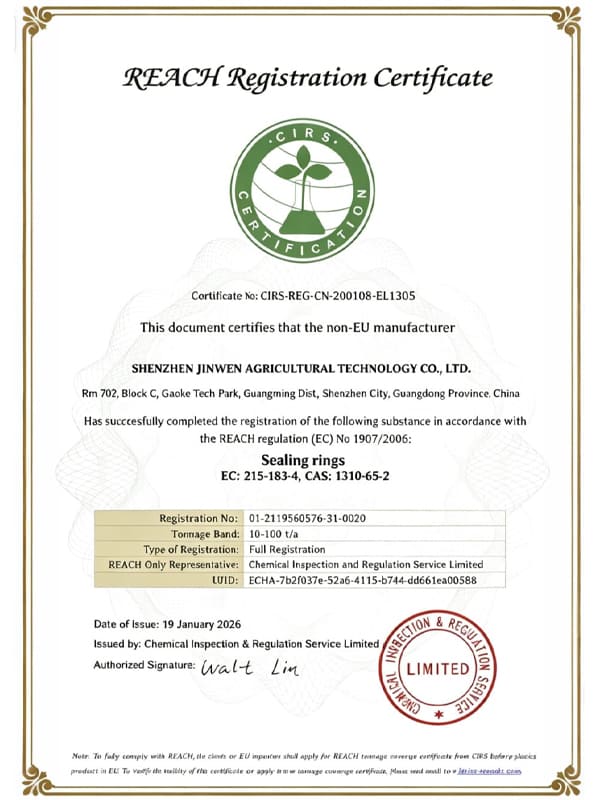
REACH Certificate
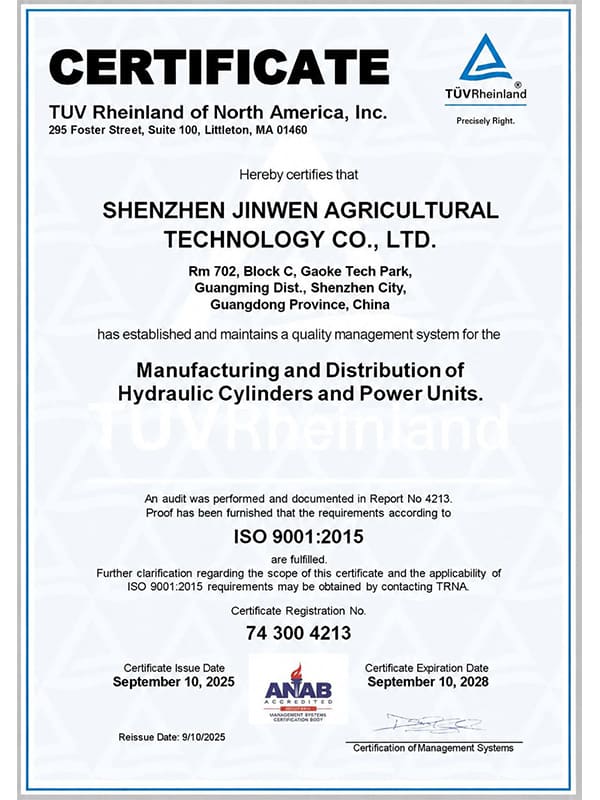
ISO 9001 Certificate
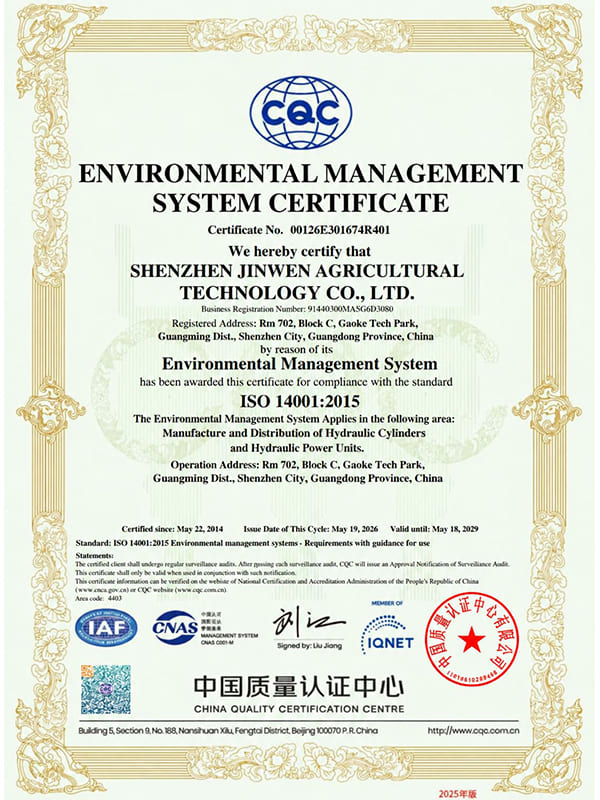
ISO 14001 Certificate
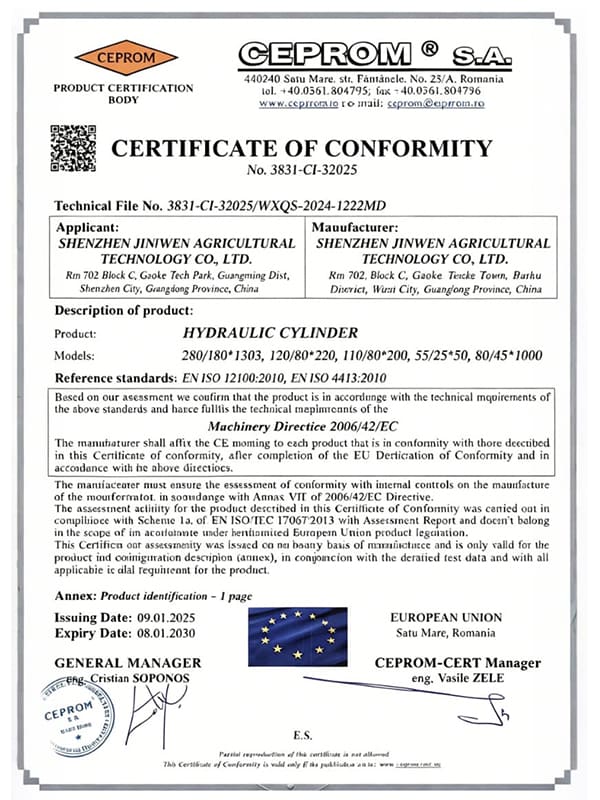
Certificate of Conformity
Why Work with Us
Multi-model Compatibility
Structural Optimization
We improved the piston seal to ensure put out even and stable power, so the equipment can steer quickly and smoothly.
Working Condition Reinforcement
The piston rod uses thick hard chrome plating, which resists scratches from dust and ore and keeps running steadily in harsh conditions.
Full-cycle After-sales
If any problem occurs during use, we provide solutions quickly to reduce your waiting time.
How to Customize Your Steering Hydraulic Cylinders
Send Your Drawing
Provide us the detailed drawing or physical sample or critical dimensions, working pressure, mounting details.
Working Environment
Whether the cylinders works in high temperature, humidity, salt spray, dust and high frequency, pressure.
Get Quick Quote
We review all details of drawing and requirements and provide optimization suggestions with our experiences if necessary.
Production Procedure
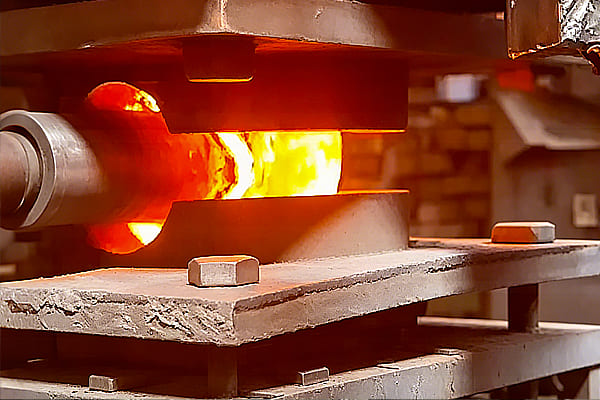
Integral forging
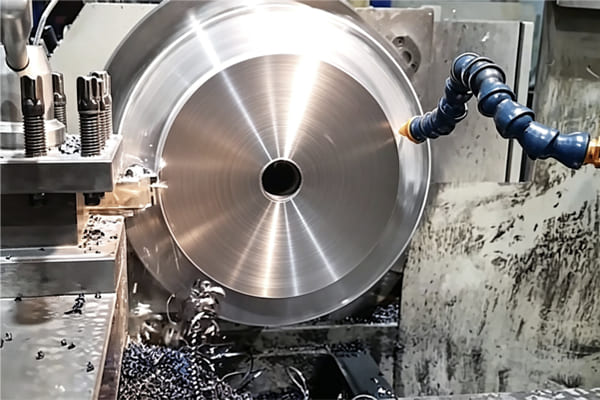
Turning
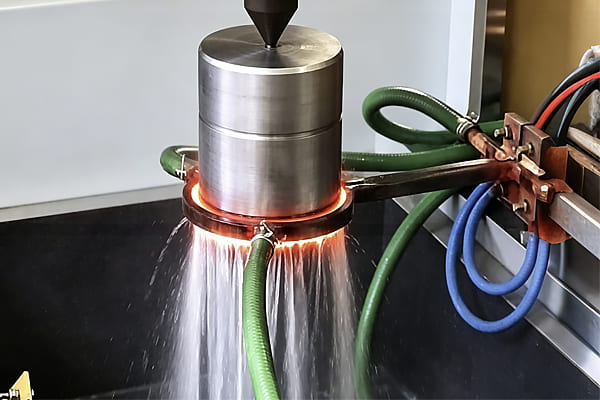
Induction hardening
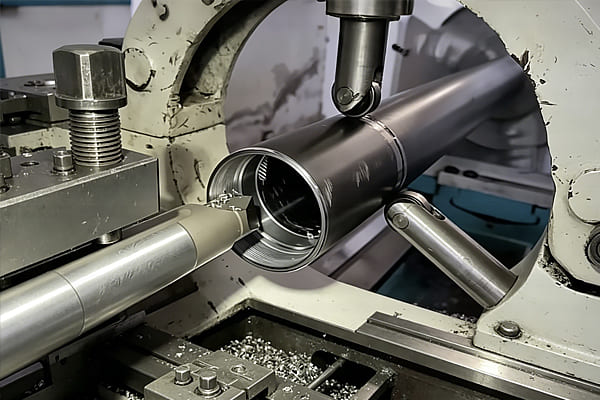
Cylinder barrel turning
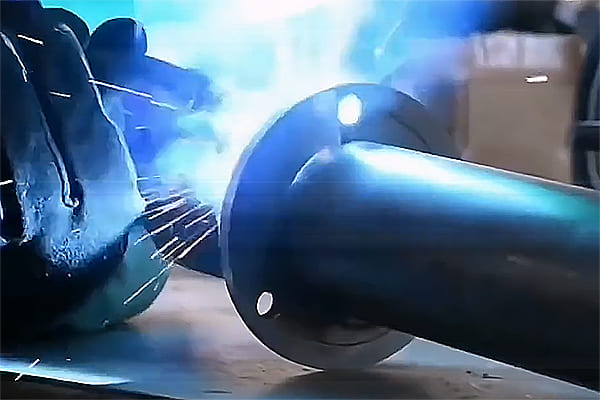
Welding
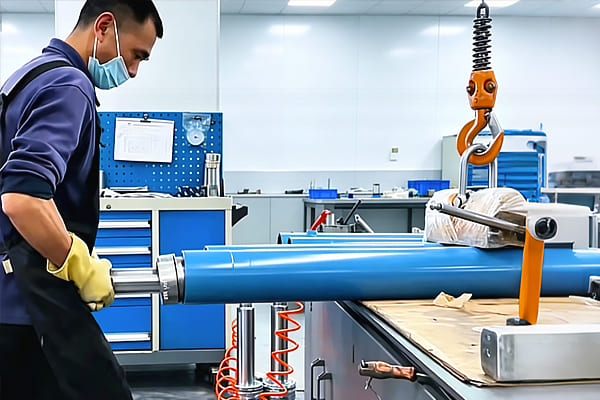
Assembly
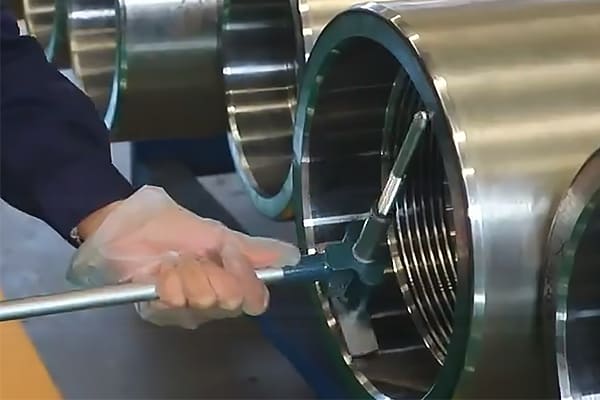
Dimensional measurement
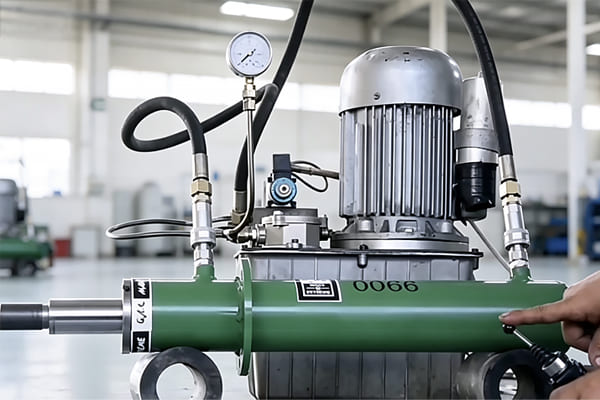
Pressure test