
Custom Hydraulic Cylinders for Industrial Applications
Custom design & engineering support
Full range mounting styles, material & pressure options
Factory direct, third-party test & documentation
Brands We Serve in Hydraulic Industry









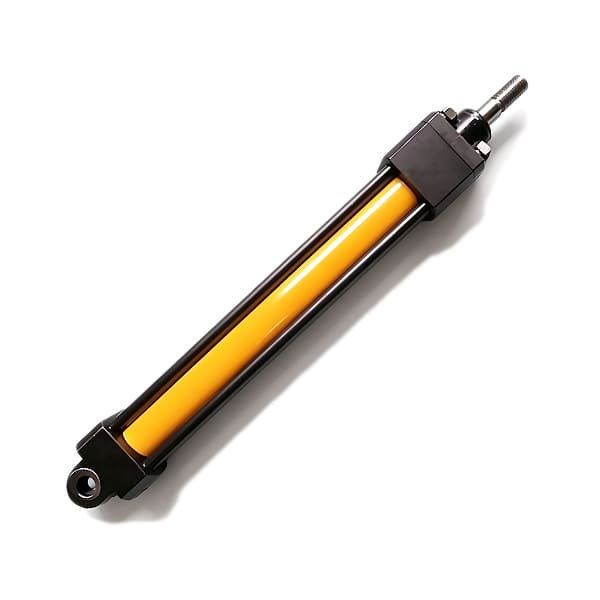
Your Trustworthy Custom Hydraulic Cylinder Manufacturer
Custom hydraulic cylinders are made to meet your equipment specs and real working conditions. We customize connection designs, sealing options and piston rod surface finishes, so the cylinder works well with your machine. You can pick the mounting style, bore size, stroke length, cylinder material and seal kits to meet your needs. We also adjust the cylinder body structure and guide support specs for high heat, low temperature and offshore applications. Anti-corrosion coatings and specialty seals are available to meet your operating conditions.
With over ten years of experience in custom hydraulic cylinder manufacturing, we’ve shipped over 12,000 non-standard cylinders for industries such as construction machinery, metallurgical gear and marine equipment. Take our mine support cylinder project. We kept its load capacity unchanged and cut the bore size from 220mm to 195mm. To hold the same pressure rating, we thickened the cylinder wall and used high-strength 27SiMn seamless steel pipe. This boosts the tube’s tensile and burst strength. We can reduce the outer diameter without lowering load capacity, solving installation space constraints on your equipment.
Our Custom Hydraulic Cylinder Capabilities
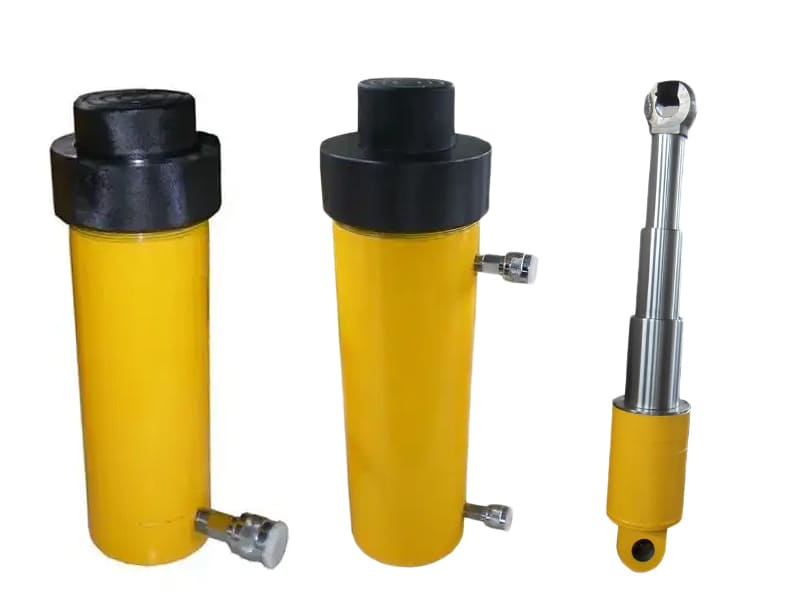
Action: Single / Double acting
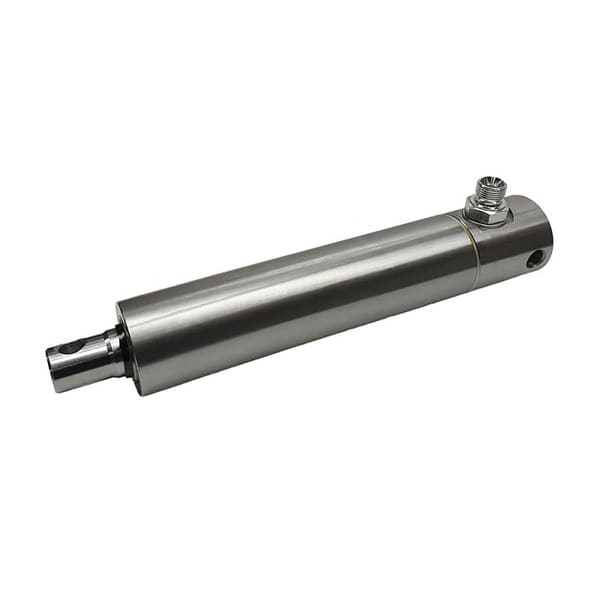
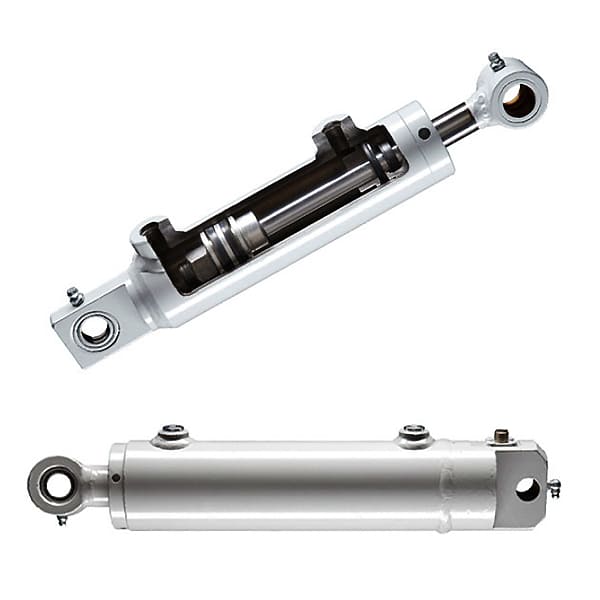
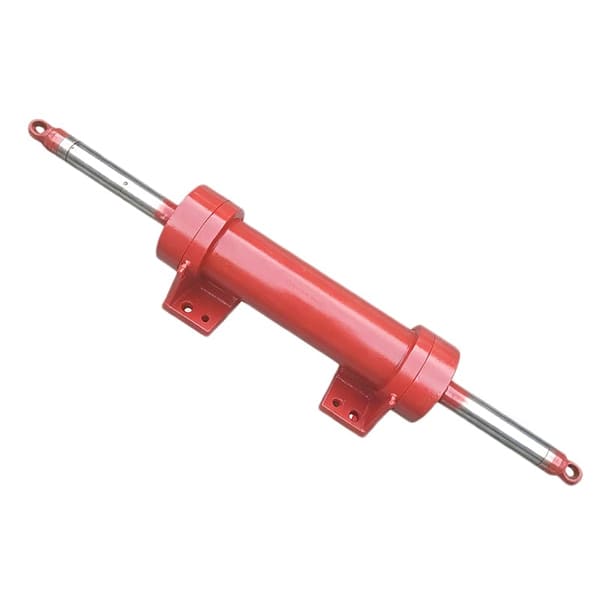
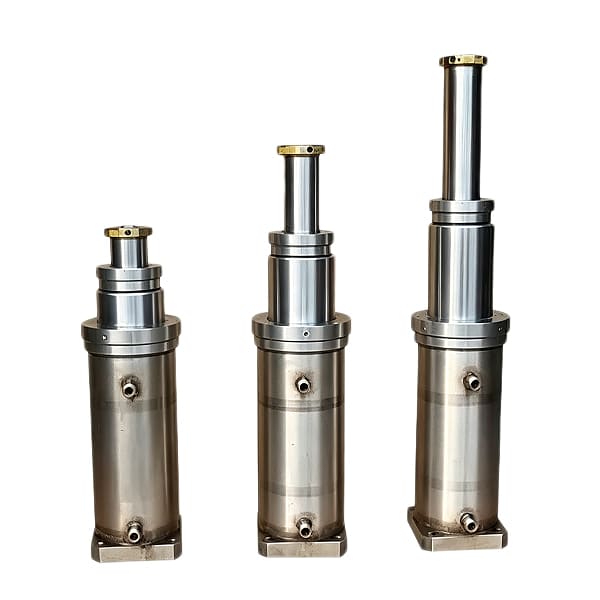
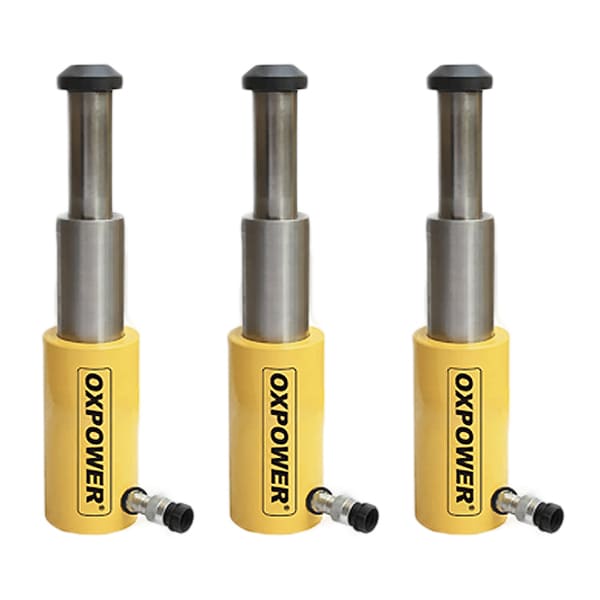
For cylinder operation types, we supply single-acting, double-acting or telescopic cylinder designs to meet your requirements. For single-acting cylinders, hydraulic pressure only pushes the rod out. Retraction relies on springs or the weight of the load. Double-acting cylinders use hydraulic power in both directions. They fit machines that need force on both sides, such as the bucket movement on excavators. Telescopic cylinders have multiple nested sleeve sections. They work well where installation space is tight but a long stroke is needed.Just share your machine’s working conditions and cylinder movement requirements, and we will recommend the right cylinder design for you.
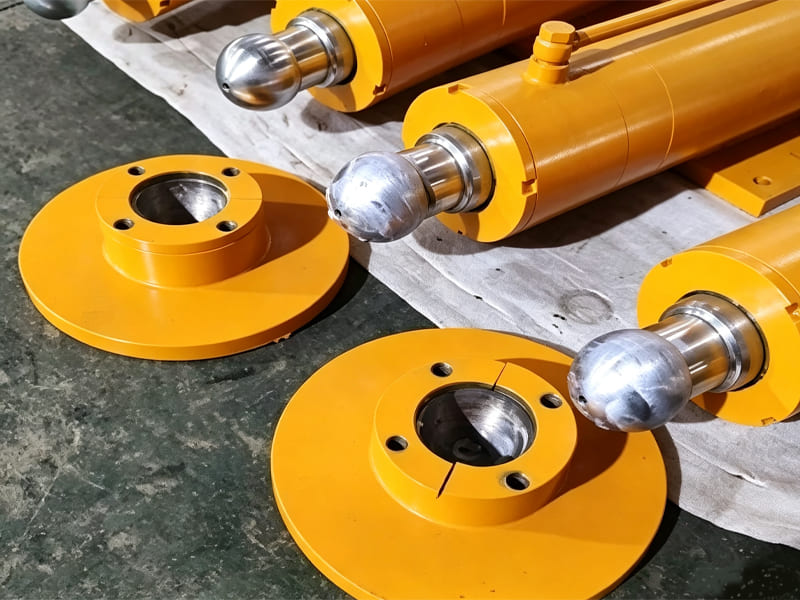
Mounting: Tang, Clevis, Trunnion, Flange, Tie rod, Welded
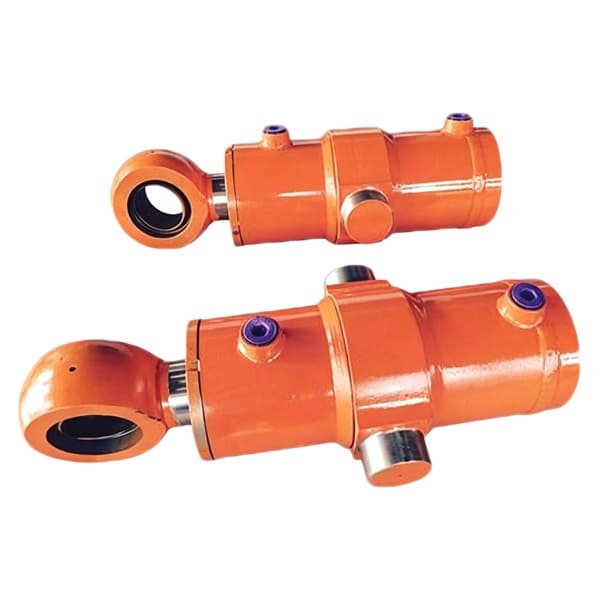
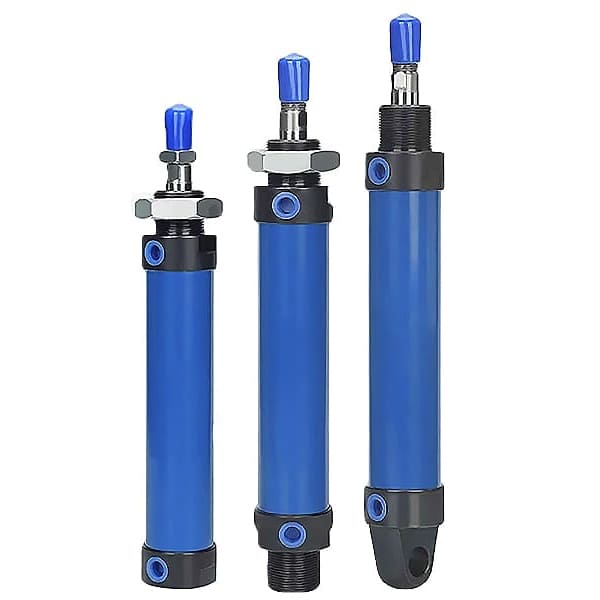
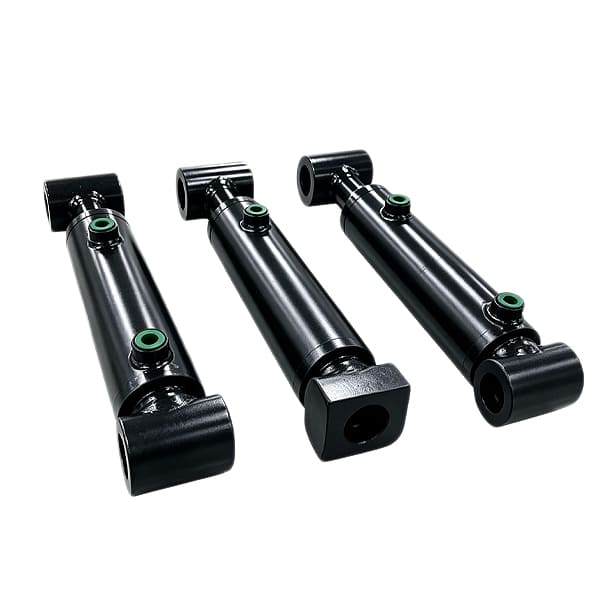
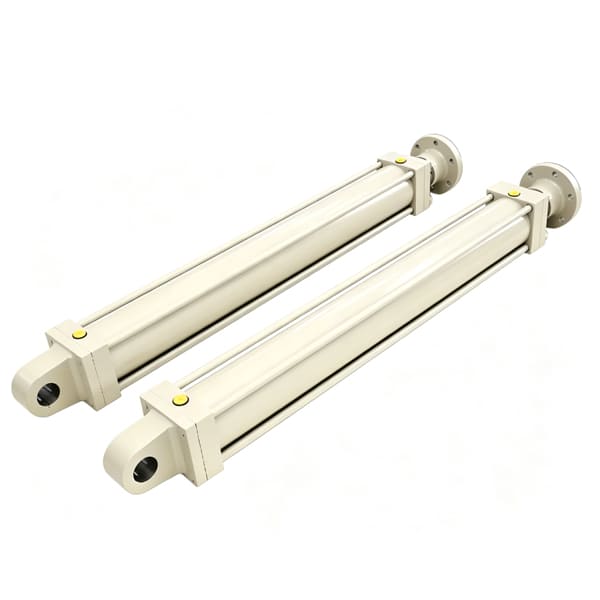
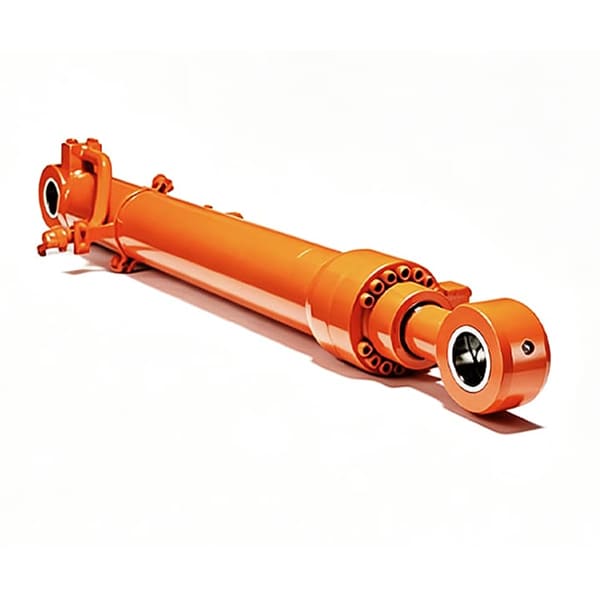
We offer custom options for cylinder mounting styles. You can pick from six common mounting types: trunnion, clevis, hinge pin, flange, tie-rod and welded designs. We adjust shaft diameter, hinge pin tolerances and flange bolt hole positions to meet your needs. If you have limited mounting space or misaligned support points, we suggest non-standard setups like offset mounting and tilted brackets. These keep the piston rod lined up with the load direction and stop side loads from damaging the cylinder.
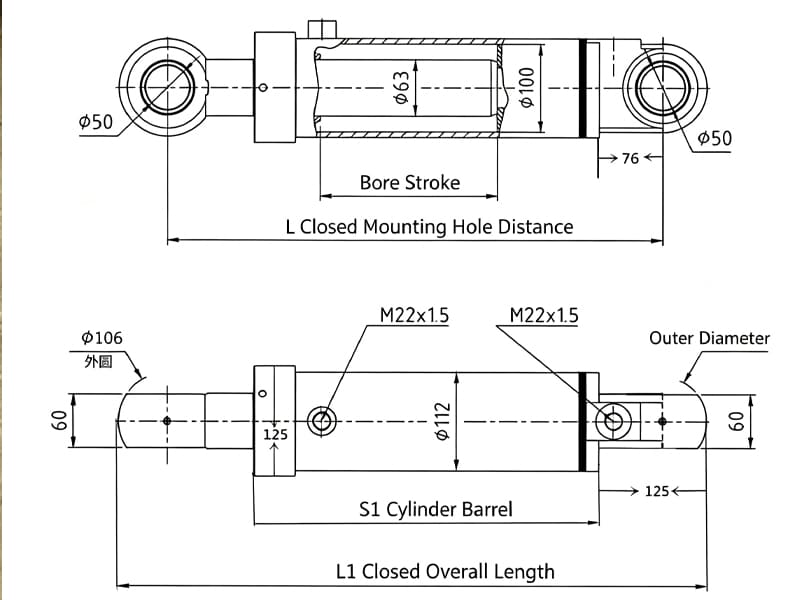
Bore, Rod & Stroke: Custom bore size, long stroke, miniature
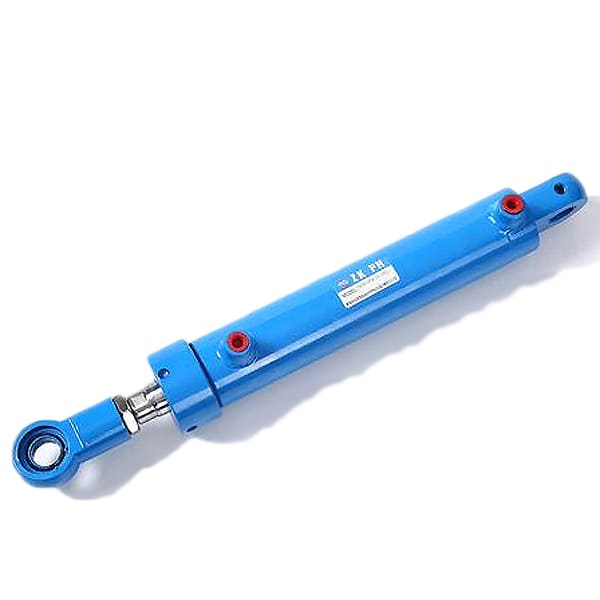
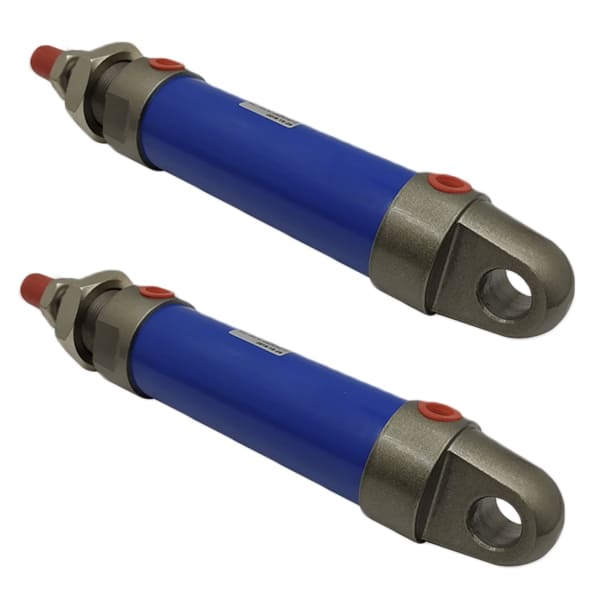
For cylinder bore, rod diameter and stroke, we support full-range customization. Our cylinder bore ranges from 25mm to 800mm. Our smallest mini cylinder outer diameter is 32mm. We calculate piston rod size considering rod stability. Longer stroke needs a thicker piston rod. For strokes over 2 meters, we extend the guide sleeve to 1.5 times the bore size. This prevents the piston rod from bending under compression. Stroke length is set based on your mounting distance and working travel. We hold stroke tolerance at ±1 mm per meter. Just tell us your operating requirements such as load, working stroke and mounting distance, and we will recommend proper bore, rod diameter and stroke specs for you.
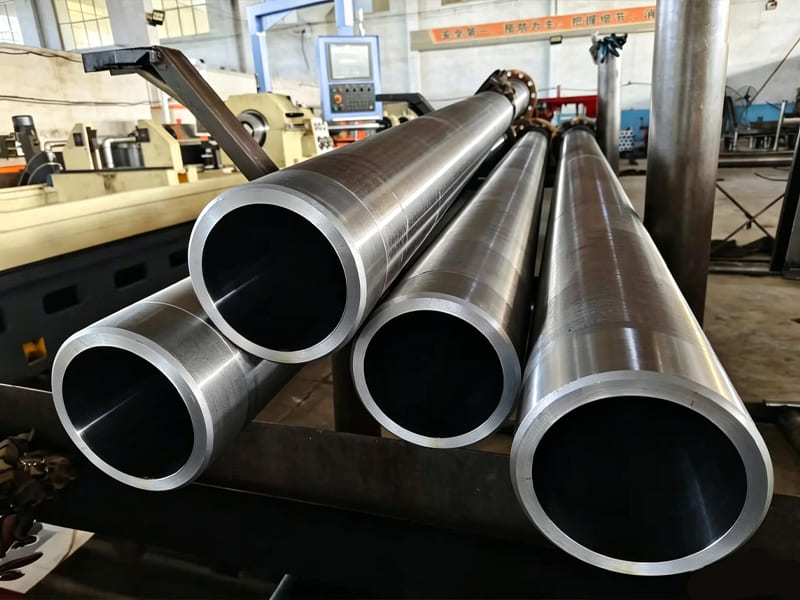
Material: Carbon Steel, Stainless Steel, Aluminum alloy
We offer custom cylinder tube materials, including carbon steel, alloy steel, stainless steel and aluminum alloy. These suit heavy-load and corrosive working conditions. Take high-pressure applications over 30 MPa. We use 27SiMn here. It has a minimum yield strength of 835 MPa and suits machines such as mine crushers, forging presses and metallurgical rolling mills. For sites such as coastal areas and chemical plants, we recommend 316L stainless steel, which has molybdenum, so it resists chloride corrosion better. This material suits port equipment and seawater desalination units.
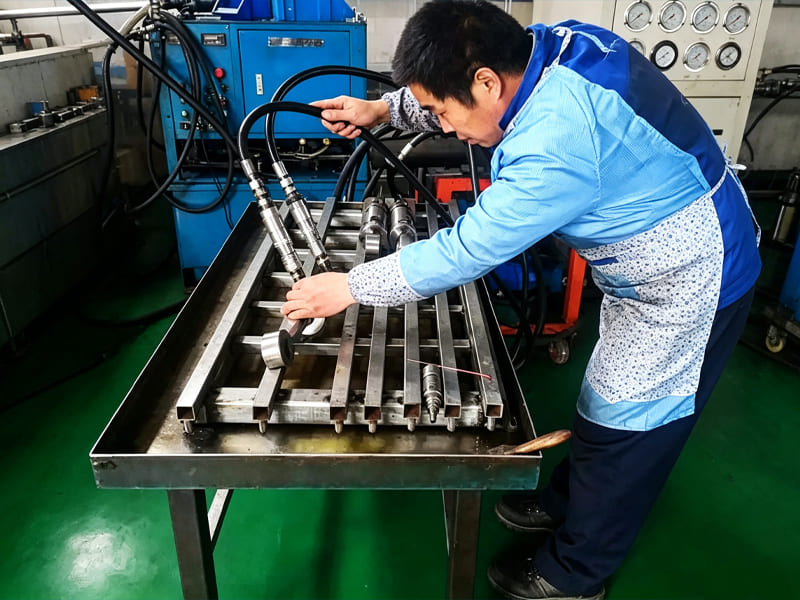
Pressure: Low / High pressure options
We offer custom pressure ratings for our cylinders. We supply low-pressure options below 7 MPa for light-load machines such as woodworking gear and small fixtures. 16 MPa, 25 MPa and 31.5 MPa are common industry grades. We also have ultra-high pressure options at 63 MPa and 100 MPa. We calculate tube wall thickness using the fourth strength theory and set a 3-5x safety margin for tube strength. When needed, we run burst tests to check the cylinder tube’s actual pressure capacity. For high-pressure work, we widen seal grooves and fit thicker bearing rings. This prevents seals from getting squeezed into gaps and failing under pressure.
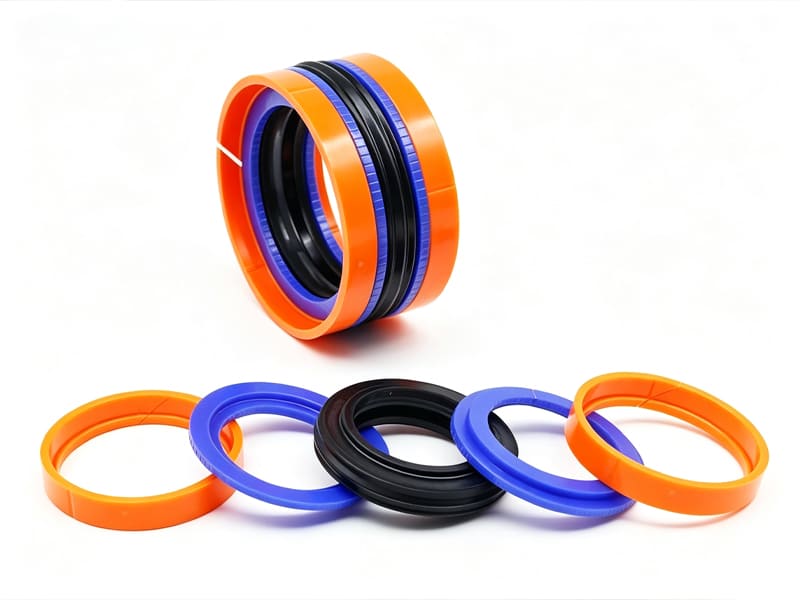
Seals: NBR, FKM, PTFE for different media
We select seals for our cylinders to match your hydraulic fluid type and operating temperature.For regular mineral oil applications, we recommend NBR (nitrile rubber). It works from -30℃ to 100℃ and suits construction machinery and machine tools. If oil temperature often exceeds 100℃ or you use phosphate ester hydraulic fluid, we recommend FKM (fluoroelastomer), which handles temperatures up to 200℃ and suits high-temperature equipment such as continuous casters and hot rolling mills. For strong acid, strong alkali media or extremely low-temperature environments, we recommend PTFE (polytetrafluoroethylene). It suits chemical plants and cold storage equipment.
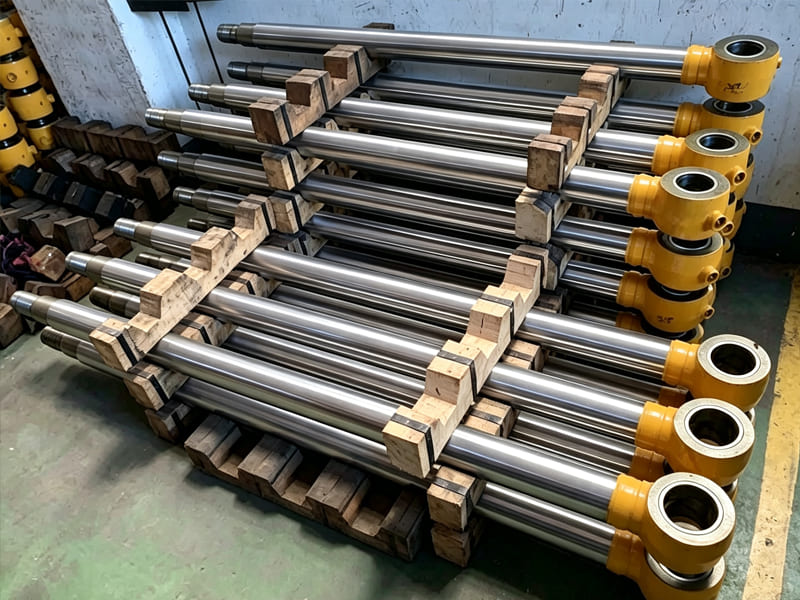
Surface treatment
We offer tailored machining processes for piston rods, cylinder inner bores and outer tube surfaces according to your actual working conditions. For piston rods, we can apply hard chrome plating. The coating thickness exceeds 0.025 mm, hardness reaches above HV900, and we keep surface roughness within Ra 0.4 μm. This reduces seal wear and suits excavators and cranes.For cylinder inner bores, we use honing, which keeps roughness within Ra 0.8 μm. This reduces sliding friction and suits precision presses. For highly corrosive coastal environments, we coat cylinder outer walls with epoxy zinc-rich primer plus polyurethane topcoat. The coating passes salt spray testing without red rust for over 500 hours. It suits port cranes and offshore platform equipment.
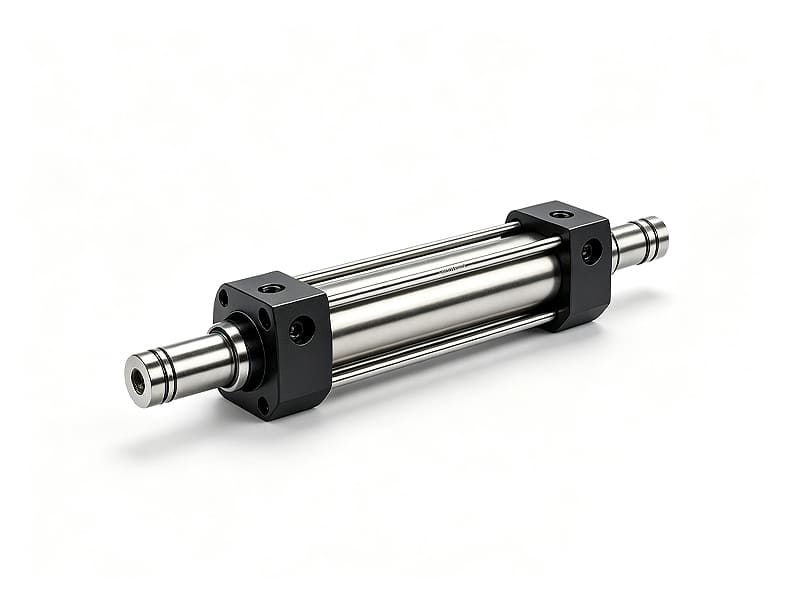
Special requirements: Corrosion resistance, marine / heavy duty service, MTC material certificate, test report
Custom Hydraulic Cylinders By Categories
By Size & Stroke
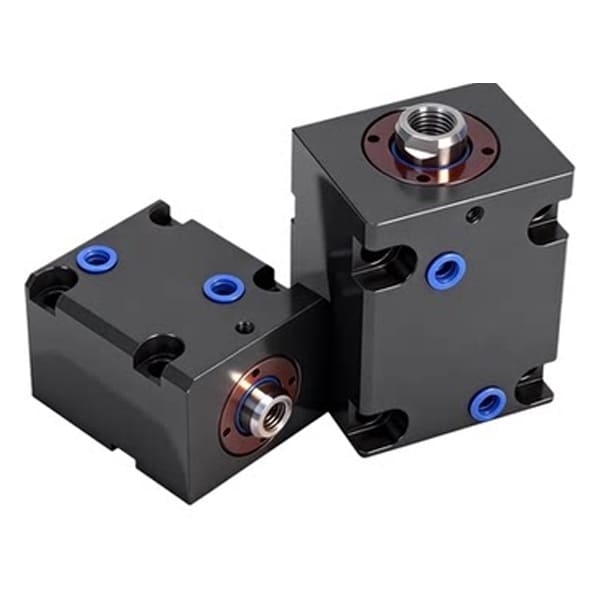
By Action & Function
By Structure & Mounting
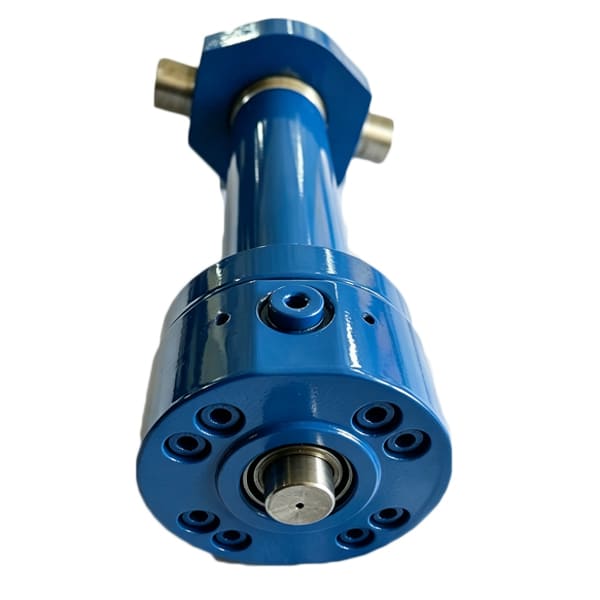
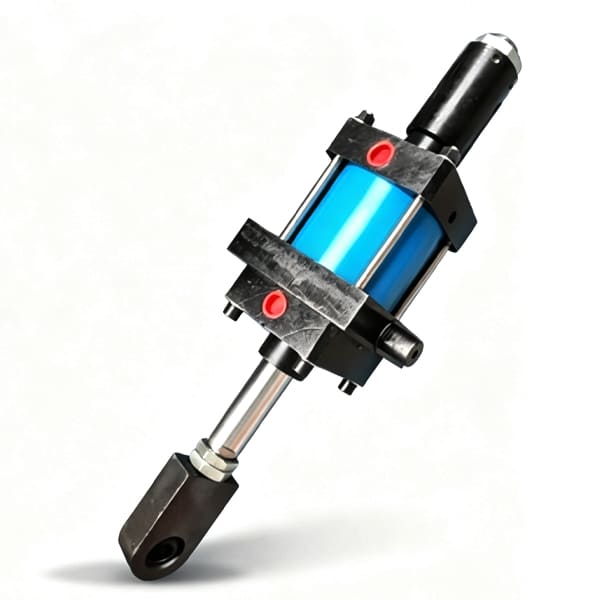
By Application & Specs
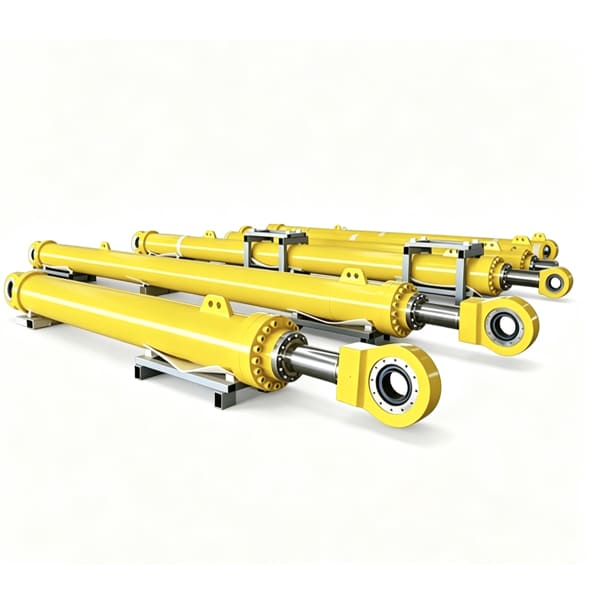
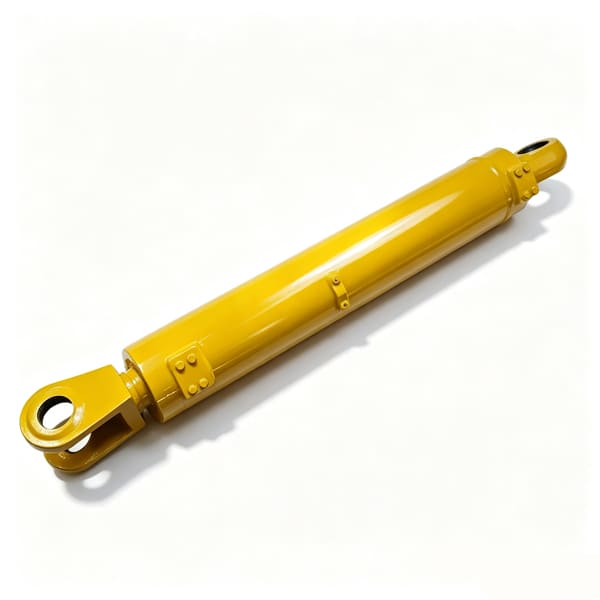
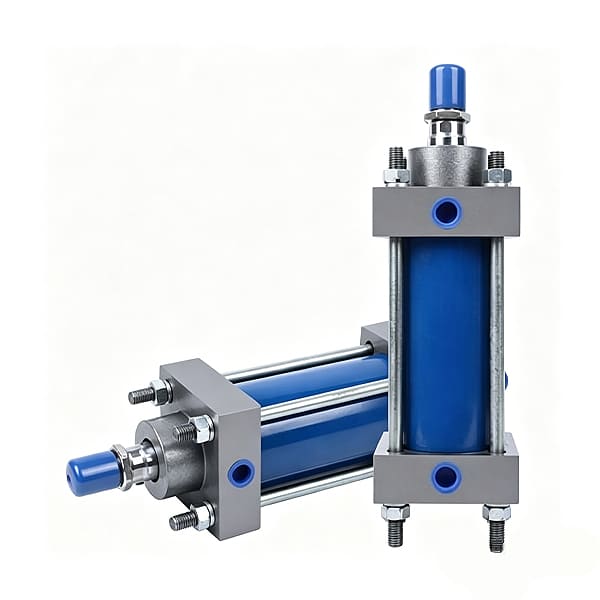
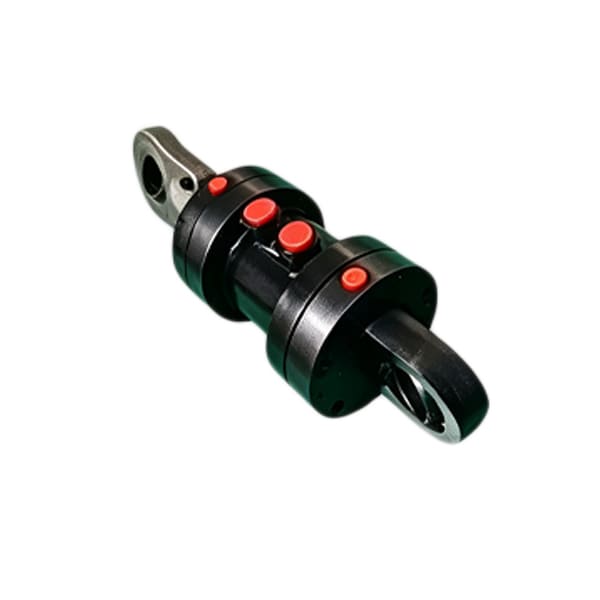
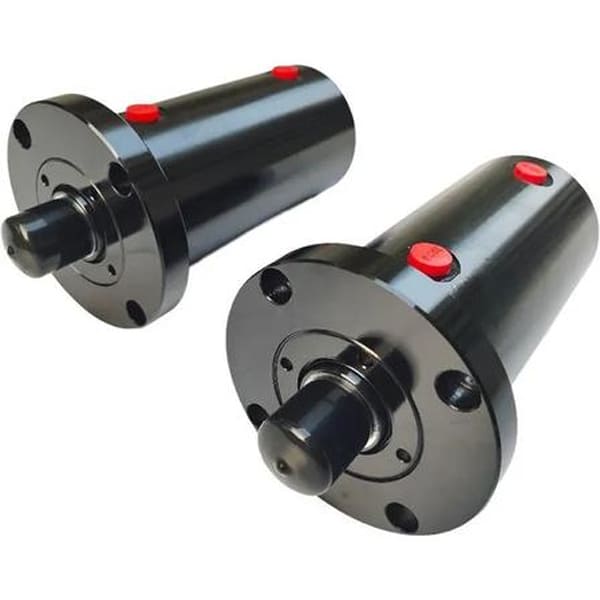
By Material & Body
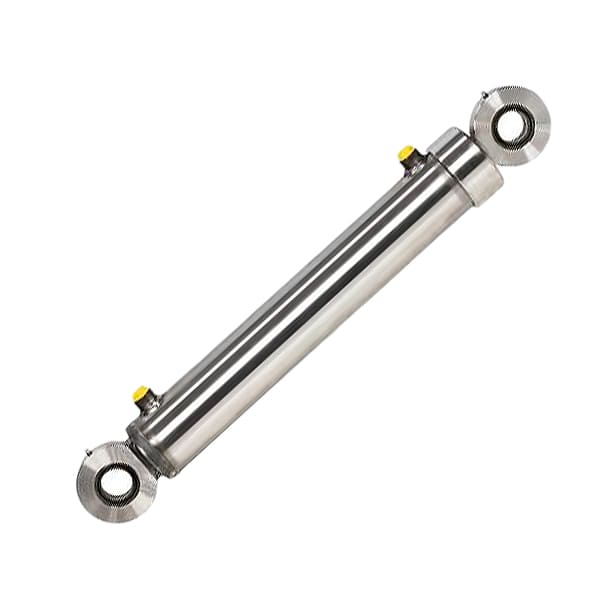
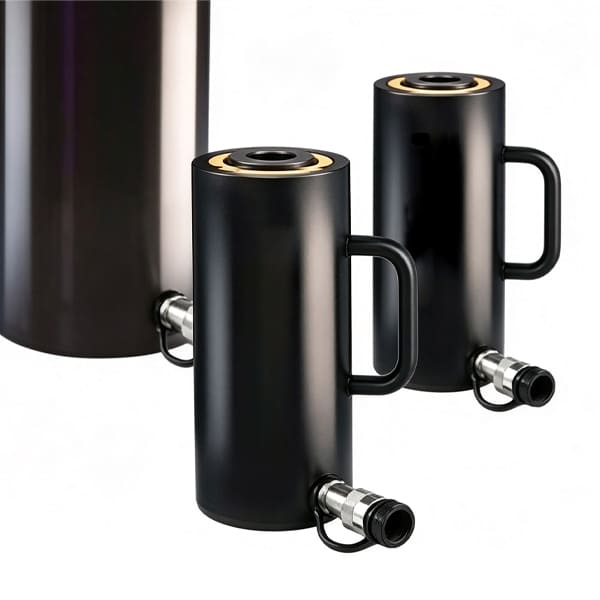
Applications of Custom Hydraulic Cylinders
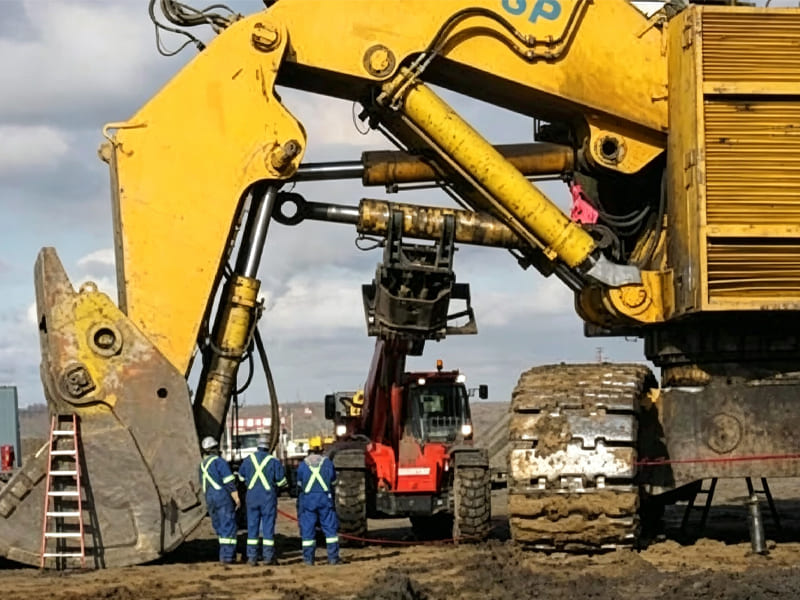
Mining
Built to handle shock loads, heavy vibration, abrasive slurry, pressures up to 40 MPa and heavy-duty cycles where maintenance access is limited.
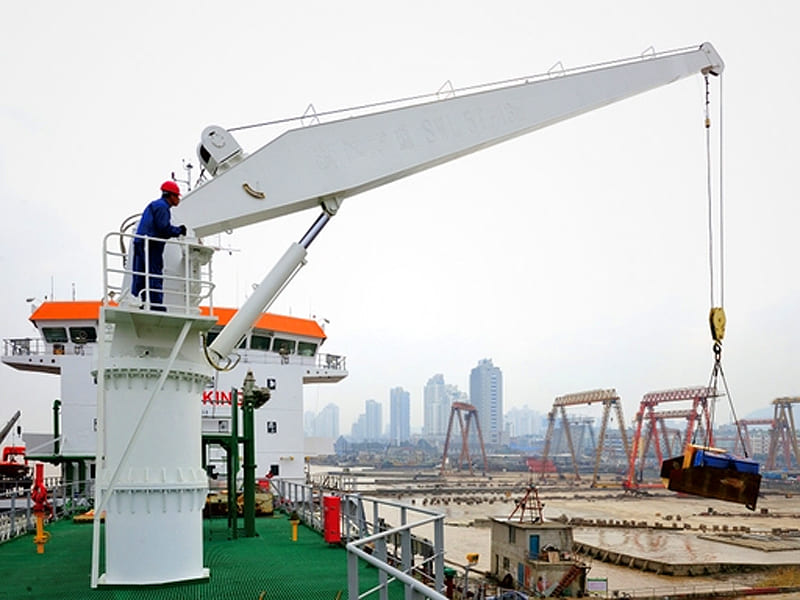
Marine & Offshore
Built for salt-water corrosion, constant moisture, heavy wave-induced loads and tight installation spaces on vessels and offshore platforms.
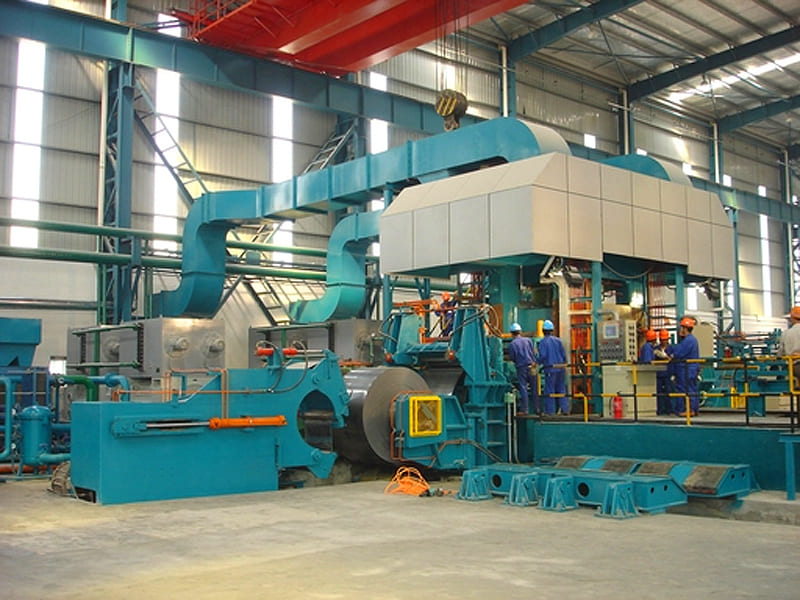
Steel & Metallurgy
Built to stand up to intense radiant heat, molten metal splashes and heavy shock loads.
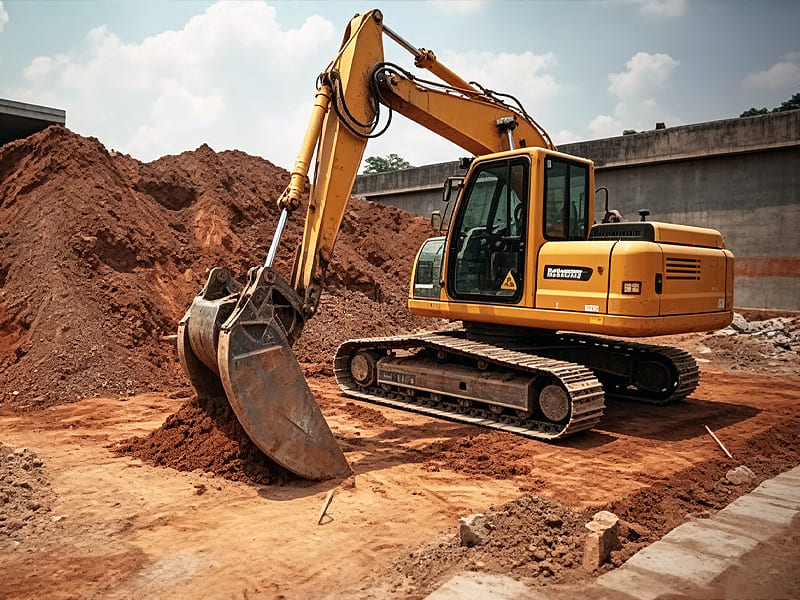
Construction & Earthmoving
Built to handle high-impact loads, side thrust and hydraulic shock. It faces dust and mud with heavy-duty cycles on excavators, loaders and cranes.
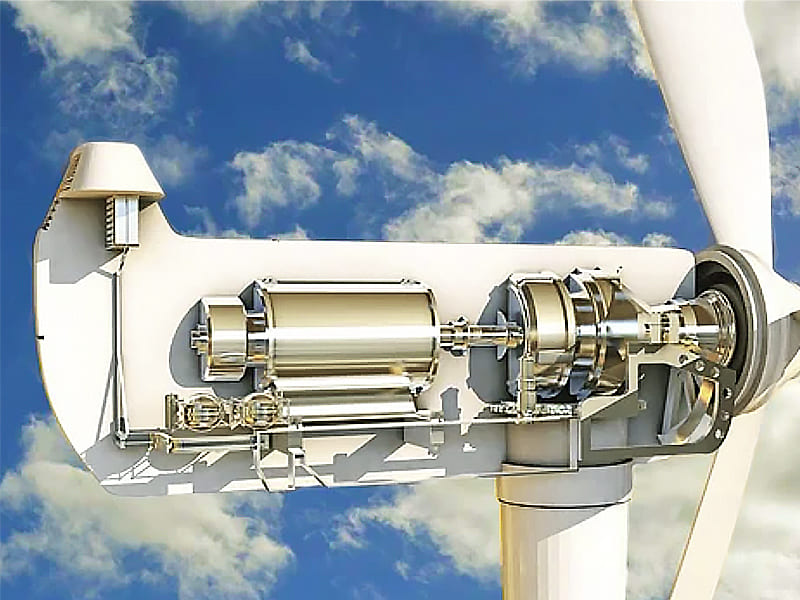
Wind Energy
Designed around dynamic braking loads and vibration. It involves cold-weather starts and confined nacelle installation spaces.

Aerospace & Ground Support
Designed around high-altitude cold starts, harsh thermal cycling, vibration and shock loads. It involves confined installation spaces and zero-failure safety requirements.
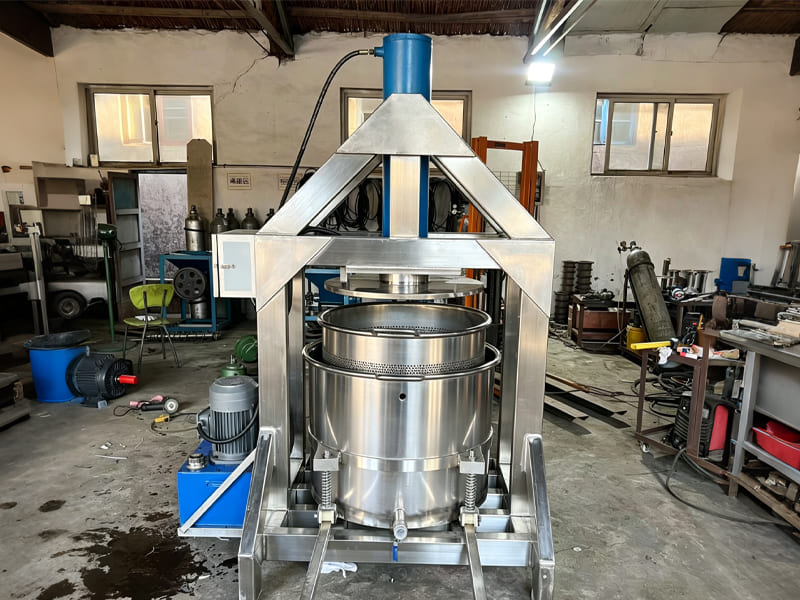
Food & Pharmaceutical
Designed around frequent washdown chemical exposure and strict cleanability requirements. It covers NSF/H1 and FDA regulatory constraints for production processing lines.
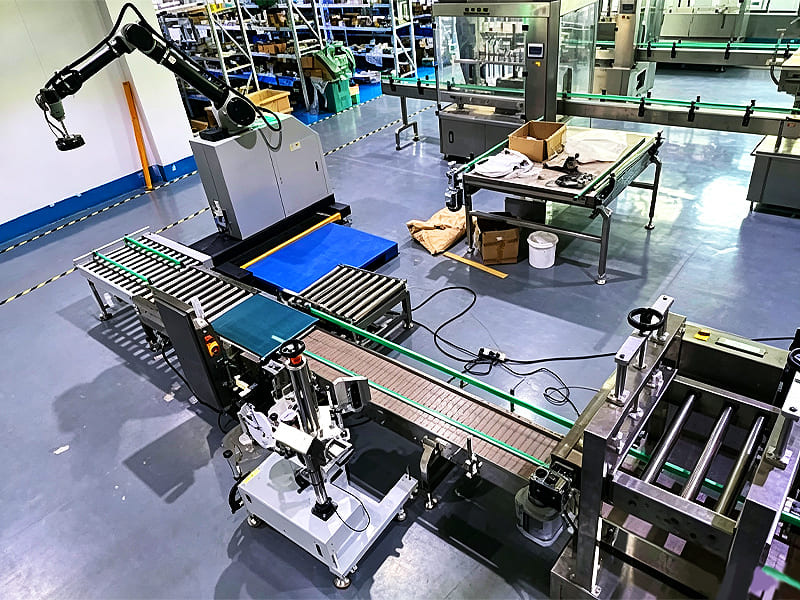
Custom Machinery & Automation
Engineered for limited installation envelopes and high cycle rates. It involves control system integration requirements for packaging, assembly and material handling equipment.
Custom engineering drawing
After receiving your drawings, we will start the process review first. We check whether weld grooves and port sizes fit actual machining to avoid assembly problems later. Besides, before cutting materials, we will confirm key dimensions with you, including mounting distance, stroke and port location. Once confirmed, our technicians will prepare complete work instructions. They break down cylinder manufacturing into separate steps for our workshop to follow.
Finite element analysis
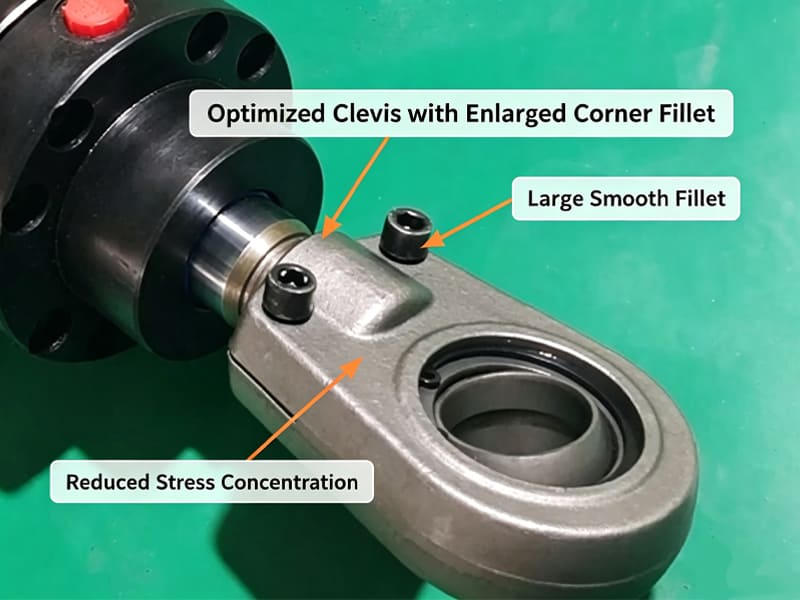
When loads are high and mounting space is limited, we cannot thicken the cylinder wall. We run FEA (Finite Element Analysis) simulation on key load-bearing parts including lugs, rod-end flanges and mounting brackets. This uses specialized software to calculate the stress distribution across components. So we can find weak areas with excessive stress. We then increase the fillet radius at part corners and weld reinforcing ribs at stress concentration spots, which spreads out the load and cuts down high local stress, preventing lug breakage or rod bending. We can also provide stress analysis reports that you can directly include in your project documentation.
Material Test Certificate (MTC)
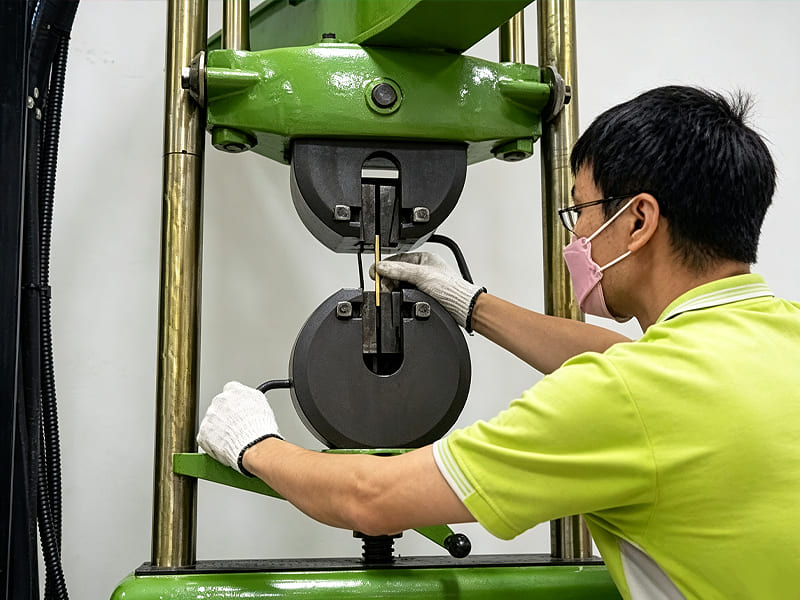
When steel arrives at our factory, we take samples per batch for tensile and impact tests. We check the steel’s tensile strength, yield strength, and toughness at room or low temperature. We can also run extra hardness tests if you need them. We combine the mill’s original material certificates with our in-house re-inspection data to make complete material test reports. These reports clearly show the grades, chemical composition and measured mechanical data for cylinder tubes and piston rods. They can be used for project acceptance and import & export customs clearance.
Hydraulic pressure test
Before painting every cylinder, we run pressure tests on our test bench. We normally test at 1.5 times the rated working pressure. You may specify testing at other pressure standards such as 1.3 or 1.6 times. We first run at low pressure to remove trapped air inside the cylinder, then increase pressure step by step and hold pressure for at least 5 minutes. During this process, we observe all seal and weld areas for external leakage, and we also check if the piston seal leakage stays within permitted limits. We fully record measured data including pressure curves and leakage rates, and issue corresponding pressure test reports. We will arrange delivery only after cylinders pass the test.
Prototype development & small batch / mass production
Aftermarket replacement custom cylinders
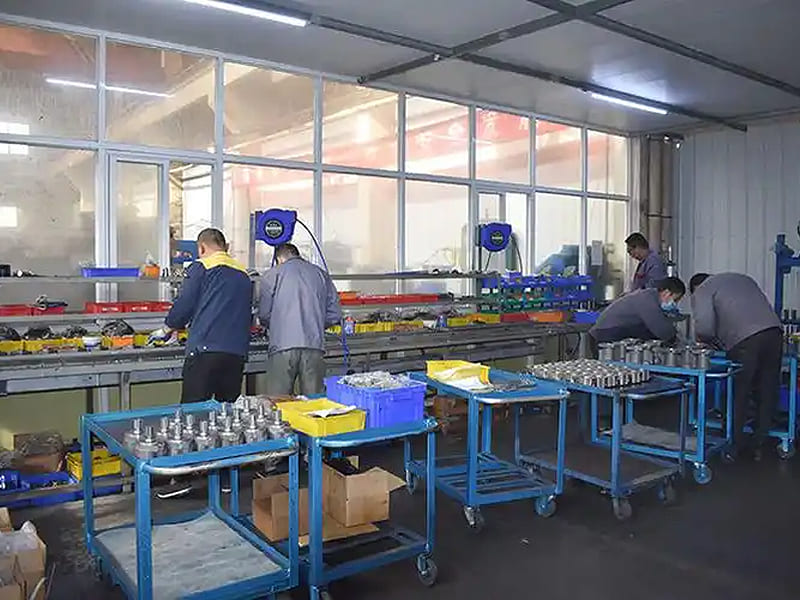
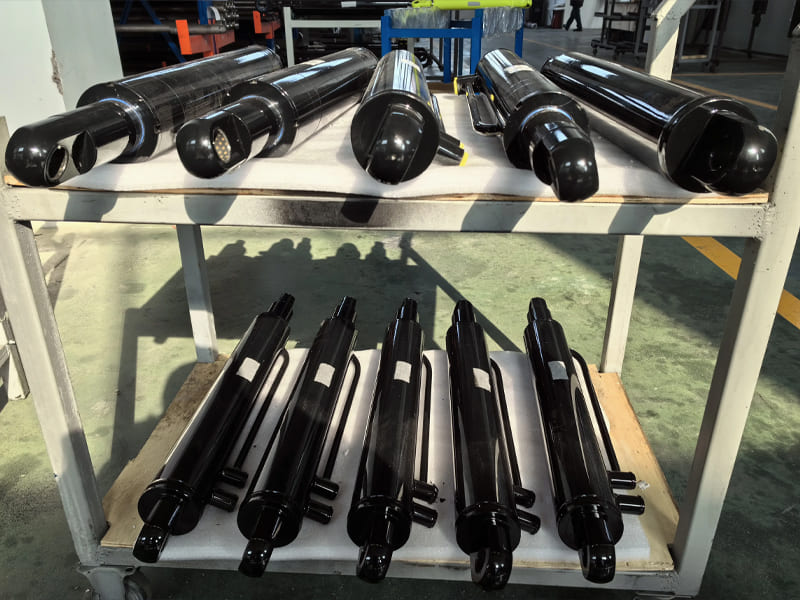
Many customers come to us for replacement cylinders for their old equipment. Some machines are imported. The original manufacturer has updated its product lines, so the original cylinders are no longer available. We also see many older domestic models. The factories that originally made their cylinders have stopped production. Many customers do not have drawings ready. They only have the old cylinder taken off the machine, or they only know the mounting distance and required stroke. In these cases, we can help you with reverse measurement. We measure all key dimensions of the old cylinder, including mounting distance, stroke, bore size, rod diameter, and thread type and position of oil ports. After getting this data, we prepare new production drawings. We also pick more durable seals to reduce leakage risks, making sure our custom replacement cylinders perform no worse than the original ones.
F. A. Q.
Certifications
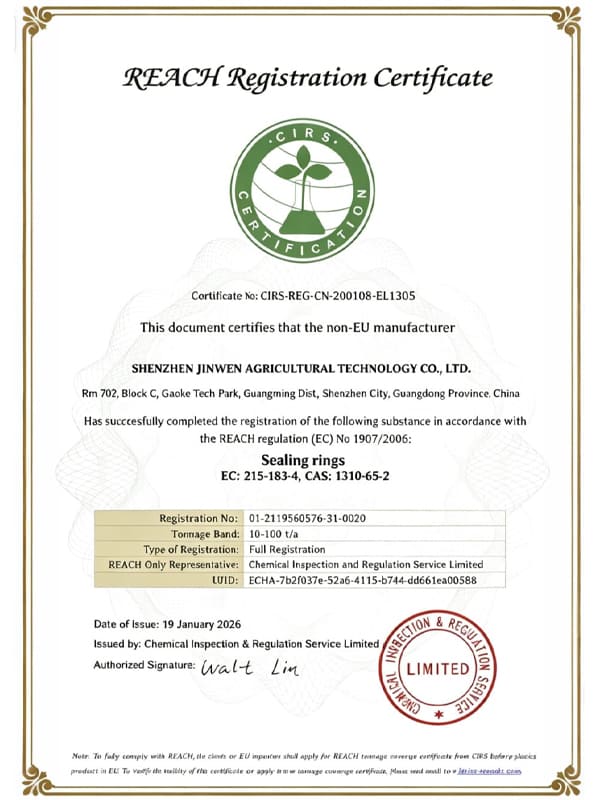
REACH Certificate
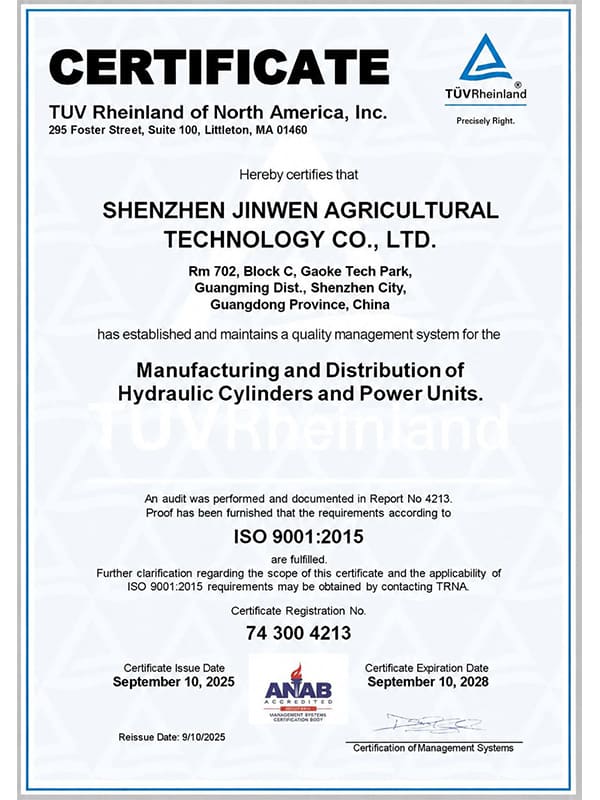
ISO 9001 Certificate
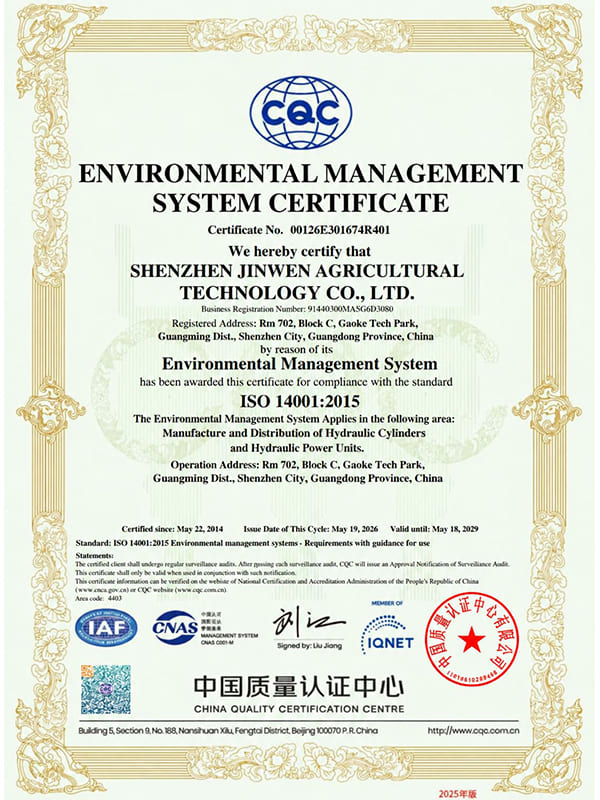
ISO 14001 Certificate
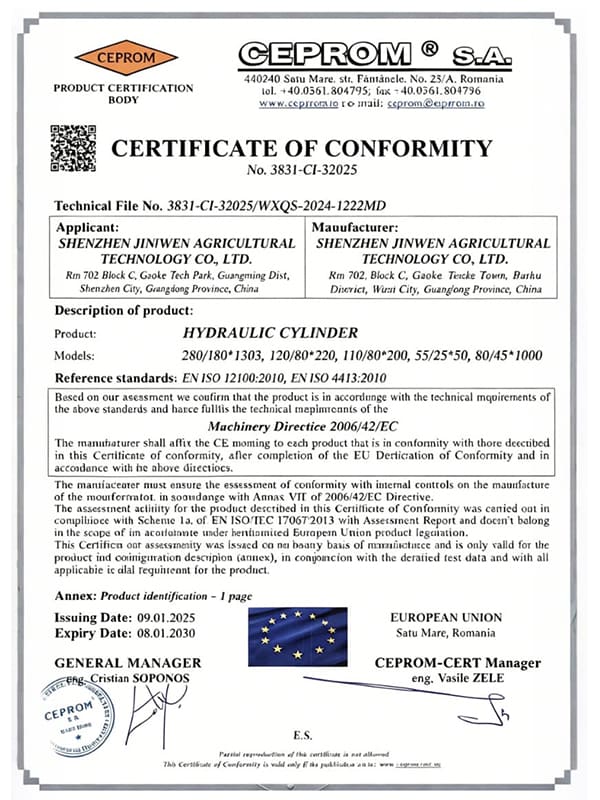
Certificate of Conformity
How to Customize Your Hydraulic Cylinders
Send Your Drawing
Provide us the detailed drawing or physical sample or critical dimensions, working pressure, mounting details.
Working Environment
Whether the cylinders works in high temperature, humidity, salt spray, dust and high frequency, pressure.
Get Quick Quote
We review all details of drawing and requirements and provide optimization suggestions with our experiences if necessary.
Production Procedure
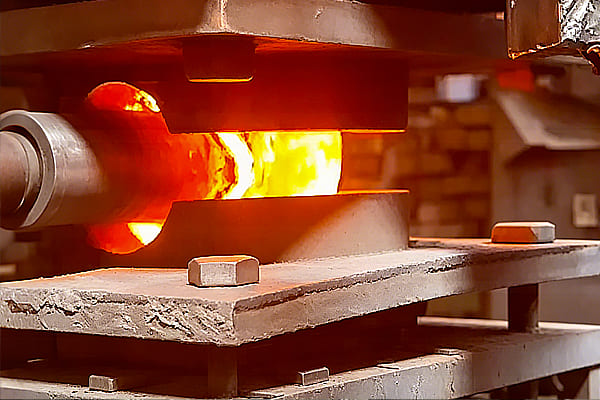
Integral forging
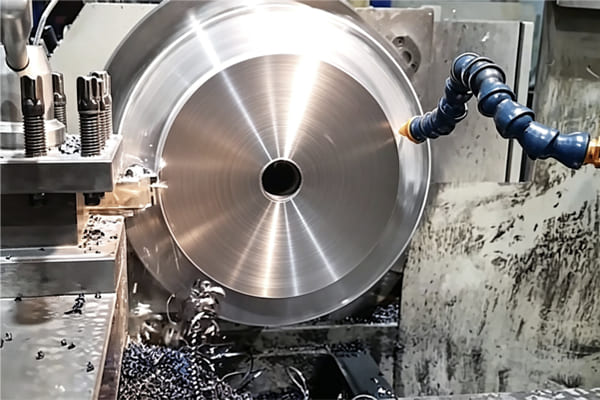
Turning
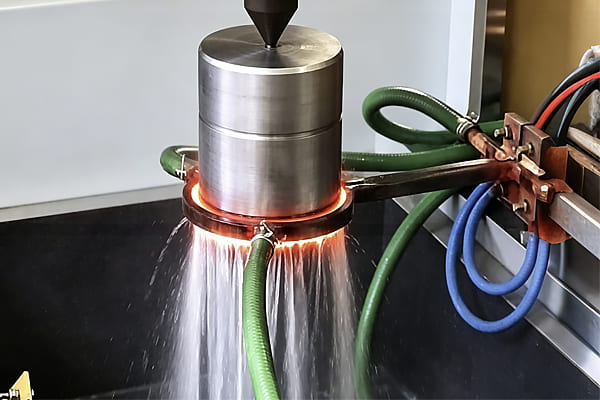
Induction hardening
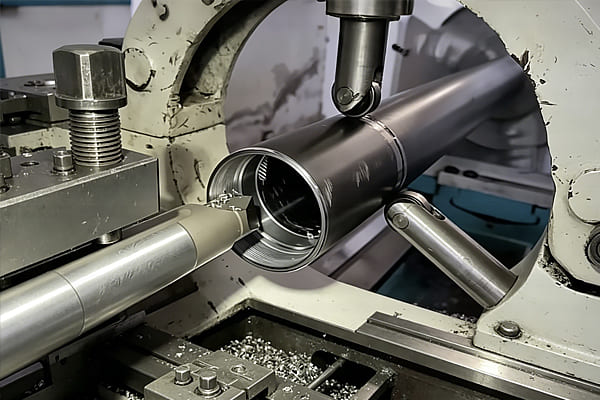
Cylinder barrel turning
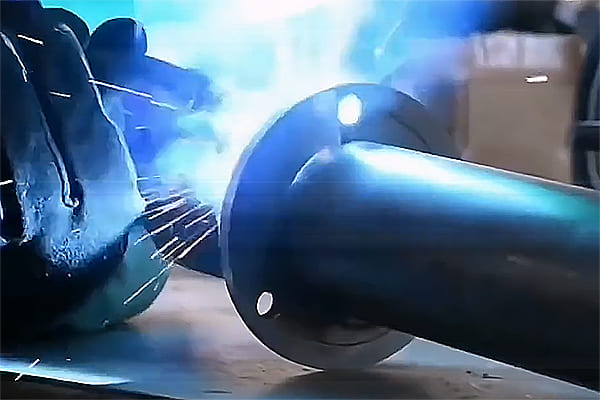
Welding
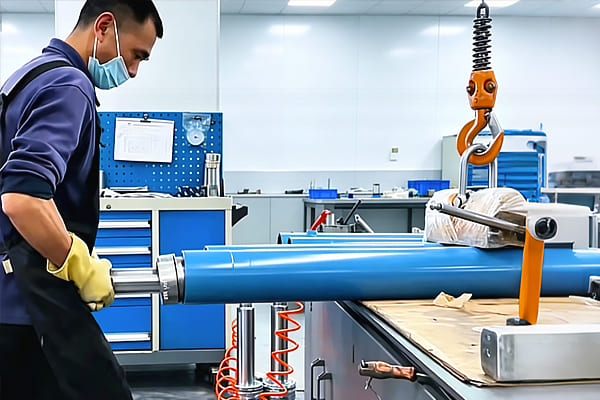
Assembly
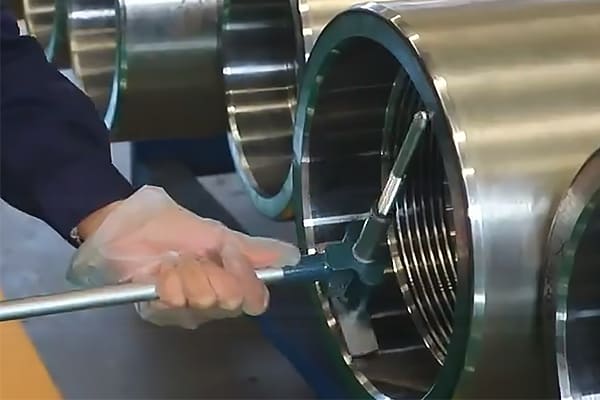
Dimensional measurement
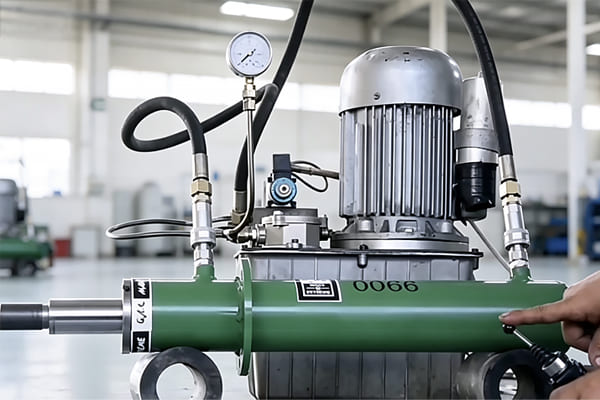
Pressure test