
Position Sensor Cylinder Manufacturer
Brands We Serve in Hydraulic Industry















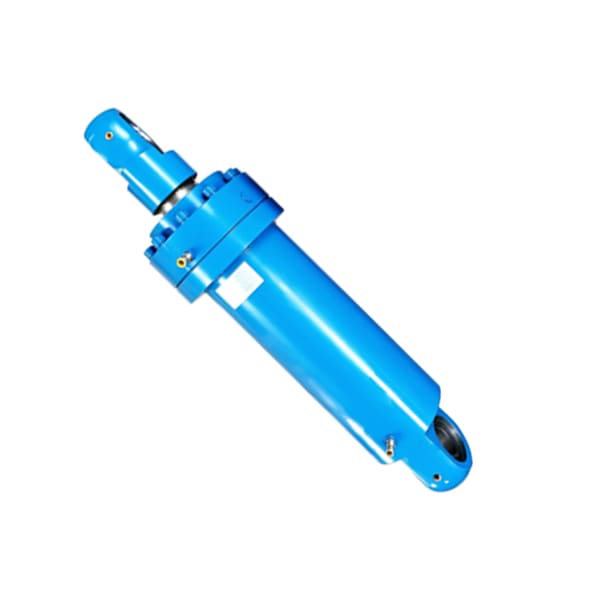
Position Sensor Cylinder
Position Sensor Cylinders are special hydraulic cylinders fitted with internal position sensors.It sends the real-time piston position to the controller, so the machine can perform precise positioning, synchronized motion control. These cylinders are widely used in construction machinery, marine equipment, automation and other industries.
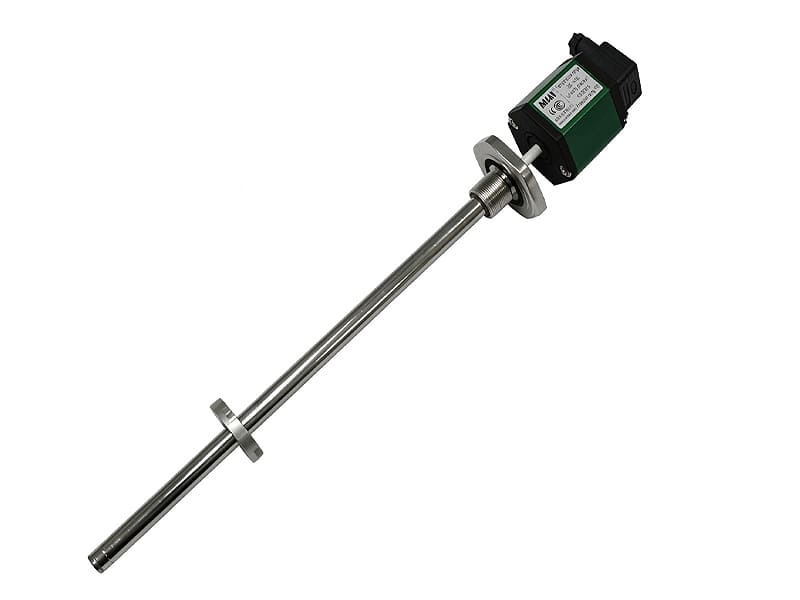
We select cylinder parts based on actual working conditions. For normal indoor environments, the sensor rod is usually made of 304 stainless steel. For offshore and corrosive environments, we upgraded to 316 stainless steel. This helps resist moisture and salt spray corrosion, it can keep the sensor signal stable over the long term.
We adopt the deep hole boring process, use special deep-hole boring tool machines the long inner bore of the cylinder barrel to keep the inner bore size accurate.
Your Reliable Supplier of Position Sensor Cylinder
Position Sensor Cylinder


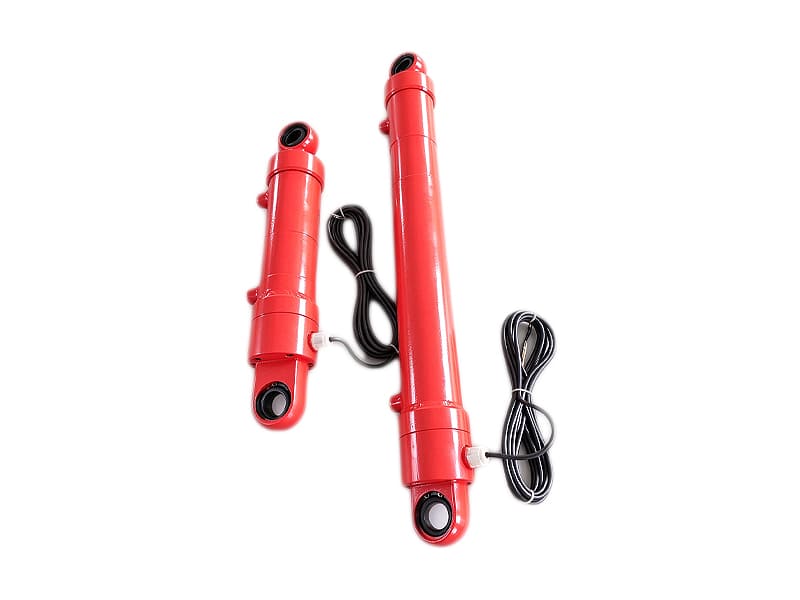


Applications of Position Sensor Cylinder

Injection Molding Machine Mold Clamping
Position sensor hydraulic cylinders are used in the mold-clamping unit of injection molding machines. The cylinder is mounted on the clamping mechanism and pushes the platen forward or backward. The sensor inside the cylinder feeds the piston position back in real time. The controller then adjusts the movement in stages based on this position, so it can do low-pressure mold protection and precise mold locking. With position sensor hydraulic cylinders, mold clamping runs more smoothly, reducing impact and mold wear.
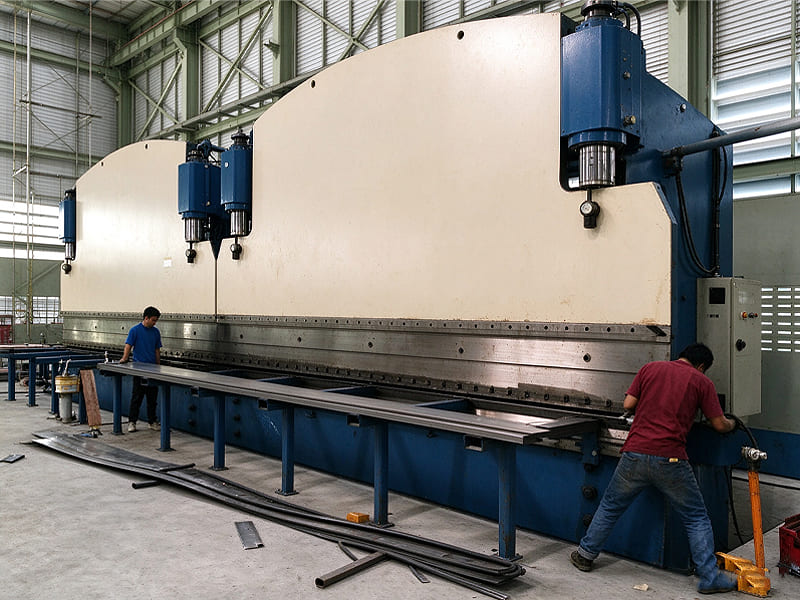
Press Brake Ram Synchronization
Position Sensor Cylinders are also used in press brake ram synchronization. The cylinders are mounted on the left and right main cylinders, let the controller compares the position difference between the two sides and automatically adjusts valve flow, so the left and right rams keep moving in sync. The sensor can also determine the bending depth, and you can set it directly in the program. When changing work pieces, there is no need to test-press again and again, which saves time.
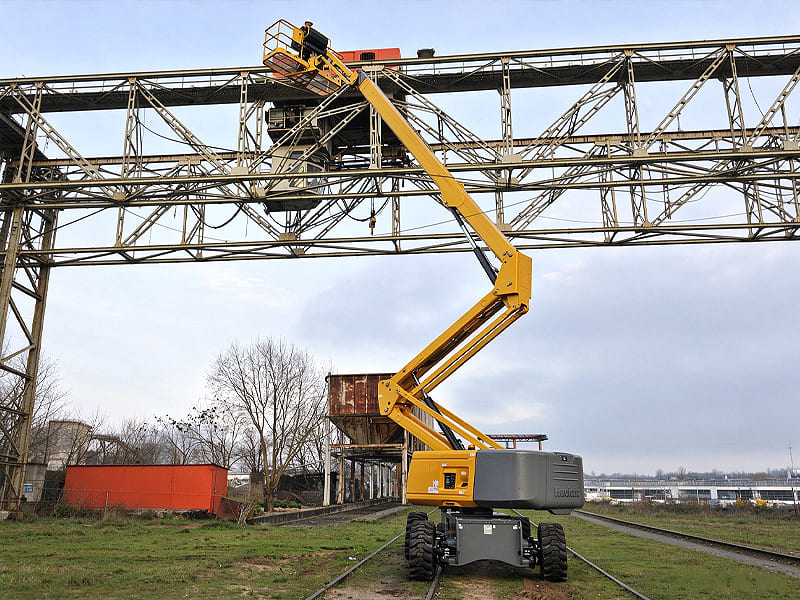
Aerial Work Platform Leveling
Position Sensor Cylinders are used for leveling aerial work platforms. Cylinder sensors feed back the extension length of each leg in real time. The controller uses this information to check the platform tilts degree, and automatically adjusts each cylinder’s extension to keep the platform stays level. The cylinders keep sending this information to enable automatic leveling and reduce errors from human judgment.
Hydraulic Press Compression Depth Control
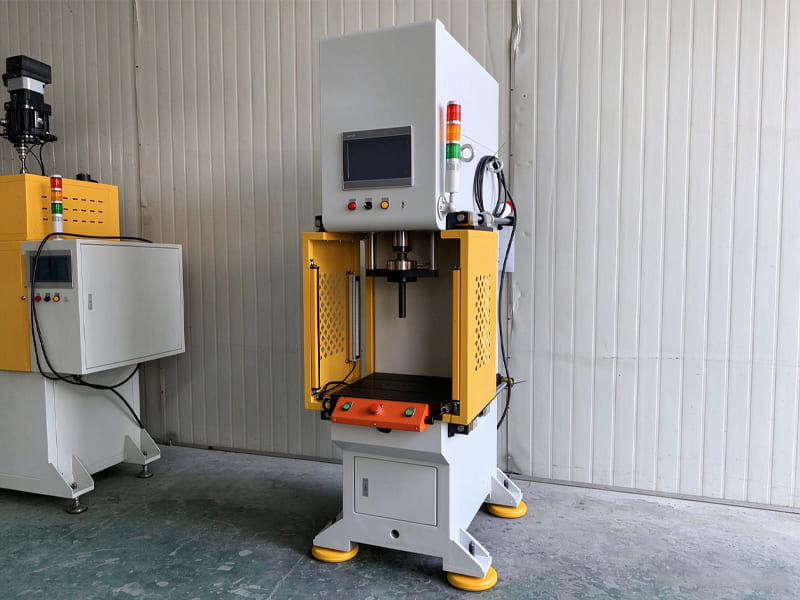
Position Sensor Cylinders are also used in hydraulic press compression depth control. The sensor feeds the press head position back in real time, so the controller can change process stages and control the pressing depth precisely. The cylinder use closed-loop depth control,make every pressing stops and holds pressure at the same position, ensuring product size in same.
Port Steering Gear
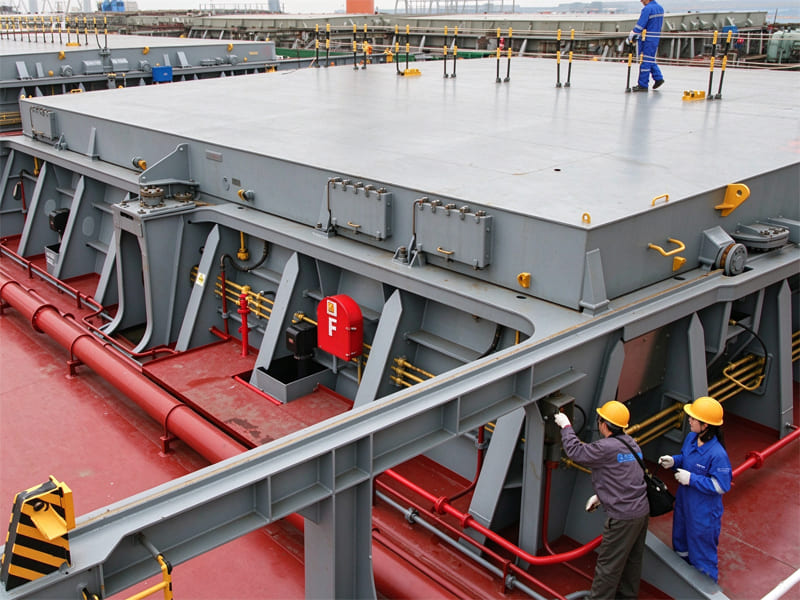
Position sensor cylinders are used in hatch cover opening and closing systems. The cylinders are mounted on the opening and closing mechanism, sensors feed back the hatch opening angle to controller, and the controller let the cylinders move in sync. This keeps the opening and closing smooth. The sensor rod is usually made of 2205 duplex stainless steel, which helps it resist seawater and salt spray corrosion.

Automated Fixtures
Position Sensor Cylinders are used in automated grippers. The sensor feed back the jaw opening position in real time. Then the controller uses these position signals to achieve Grip judgment and change actions. The controller can set the gripper opening position for different work pieces. The cylinder feeds back its position in real time, so the gripper stops exactly at the set opening. This make the gripper can grip different sizes work-pieces, and prevent empty gripping or work piece damage.
Difficult Maintenance upon Sensor Damage
Some manufacturers seal the sensor inside the cylinder or make it part of the end cap to save space and cut costs. if the sensor fails, you have to remove pipes and fittings to take out the whole cylinder. This makes repairs difficult and affect production.
We install the sensor and end cap separately, and in design stage, we leave space for sensor removal in the rear end cap. We machine a separate electrical chamber into the rear end cap, this chamber is not connected to the hydraulic oil chamber, the sensor can be pulled out from the rear of the end cap. So when the sensor fails, it don’t need to take apart the cylinder body or the hydraulic lines, making on-site maintenance faster.

Position Reading Drift Caused by High Oil Temperature
If you select a sensor without checking the equipment’s actual operating oil temperature, when the oil temperature exceeds the sensor’s rated limit, heat will change its internal components and shift position readings. This leads to wrong position feedback and affects equipment operation.
Before production, we will check the actual working temperature of the equipment. If it needs to work in high heat, we use a high-temperature sensor. Its max working temperature can reach 100–110°C. These prevent wrong readings caused by high oil temperatures, keep position signals stable and reduce faults and downtime. We also add heat-insulating gaskets on the rear cover to cut down heat transfer from the cylinder.
Slow Feedback for Multi-Cylinder Synchronization
If the sensor is not matched with the controller during selection, the sensor refresh speed may be slower than the controller. Then the controller will receive outdated position data.When the controller adjusts the cylinders based on old data, correction will slow and cause cylinder won’t move in sync.
When we select a sensor, we match its update rate to the controller. For example, if the controller runs on a 1ms cycle, we use position sensors with an update rate ≤0.5ms. We also start data check to drop outdated signals. This ensures the controller gets real-time position readings each time, avoids outdated data and keeps all cylinders moving synchronously.
Certifications
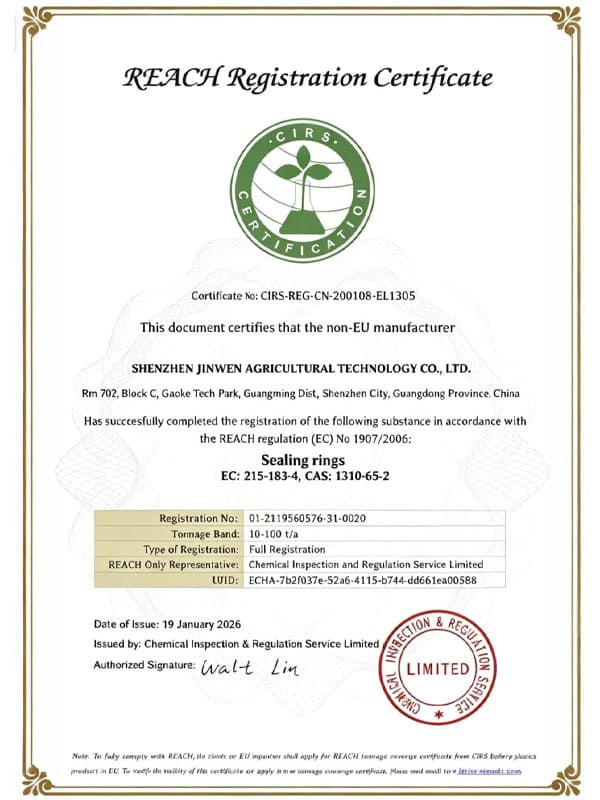
REACH Certificate
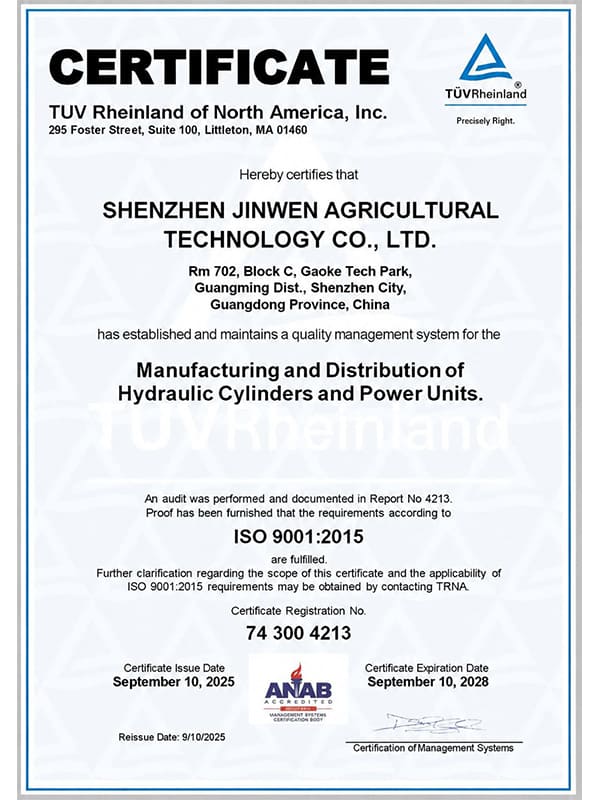
ISO 9001 Certificate
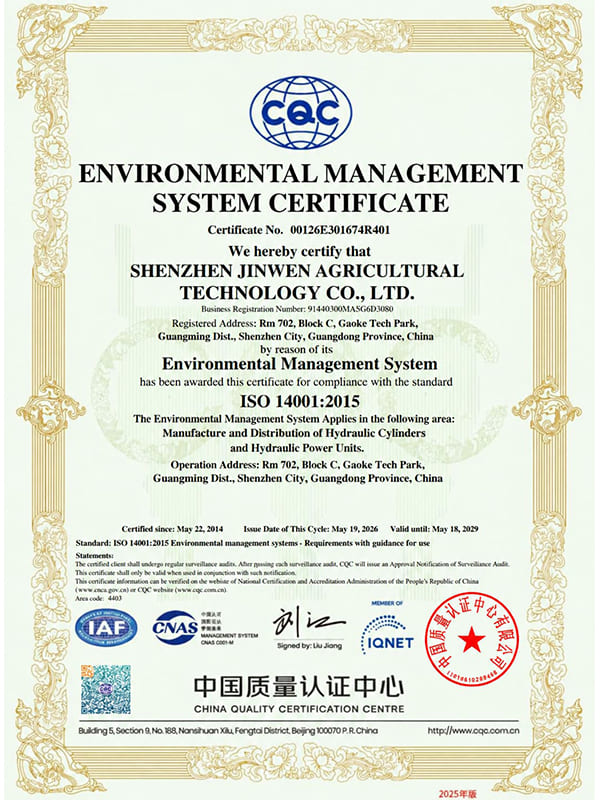
ISO 14001 Certificate
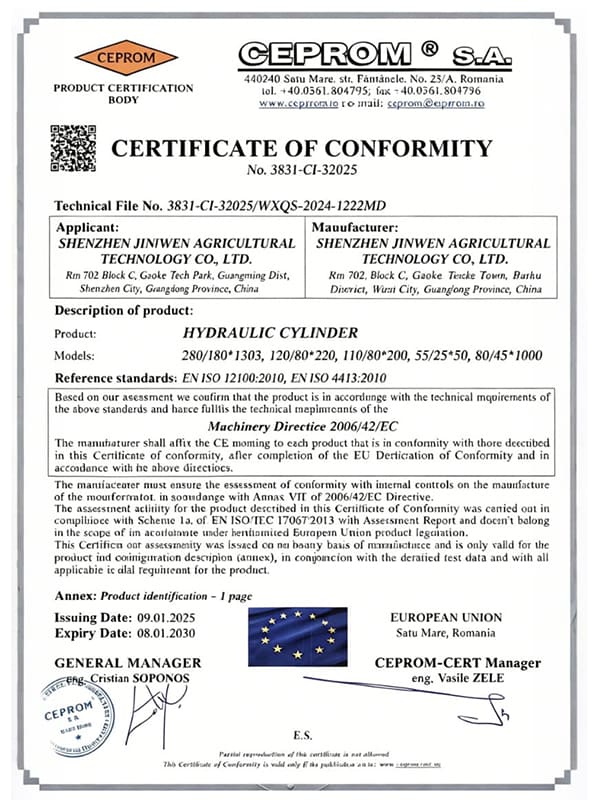
Certificate of Conformity
Why Work with Us
Controller Signal Interface Matching
Select a suitable position signal output scheme according to the customer's PLC or closed-loop controller, don’t need to add extra conversion modules .
Independent Sensor Maintenance
The sensor use an isolated structural design, it can be inspected and replaced separately when problem occurs.
Closed-loop Feedback Optimization
We select the feedback method and mounting structure based on the actual motion of the customer’s equipment to ensure the controller corrects positions accurately.
Non-standard Customization
Can customize stroke and sensor layout schemes and we will provide technical verification to help you select the best solution.
How to Customize You Position Sensor Cylinder
Send Your Drawing
Provide us the detailed drawing or physical sample or critical dimensions, working pressure, mounting details.
Working Environment
Whether the cylinders works in high temperature, humidity, salt spray, dust and high frequency, pressure.
Get Quick Quote
We review all details of drawing and requirements and provide optimization suggestions with our experiences if necessary.
Production Procedure
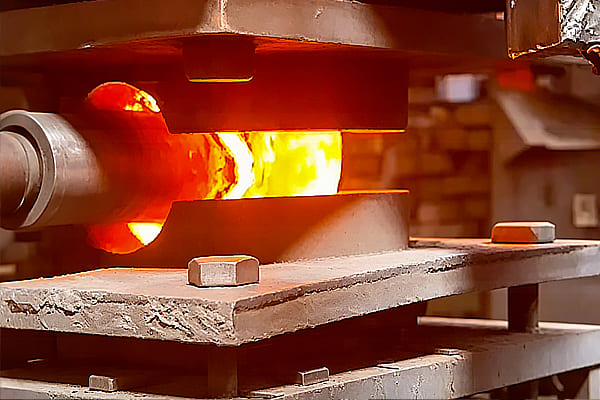
Integral forging
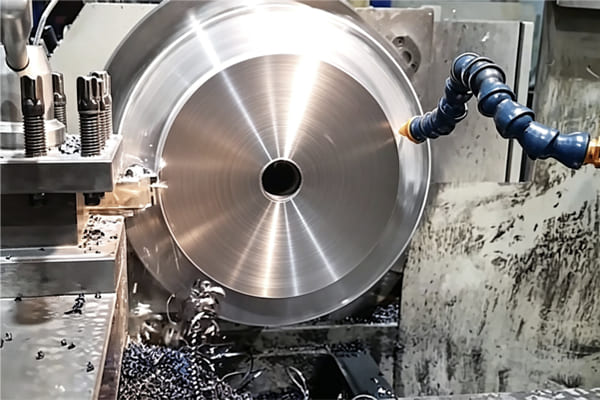
Turning
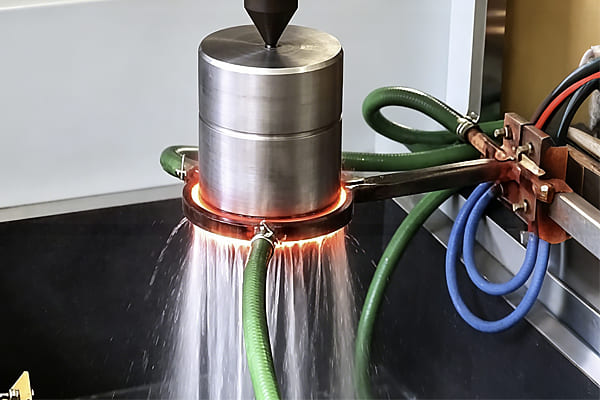
Induction hardening
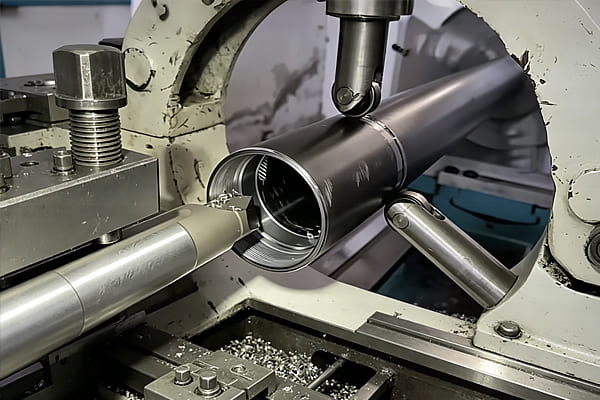
Cylinder barrel turning
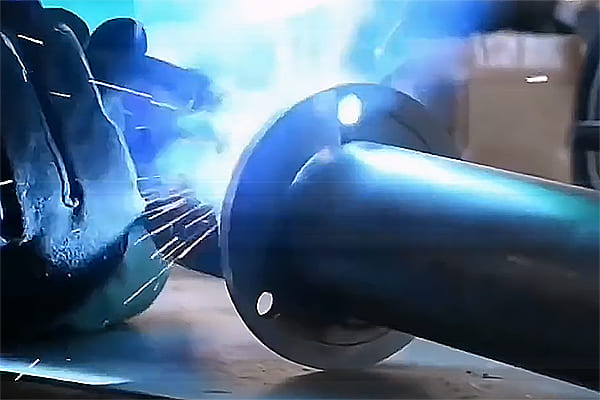
Welding
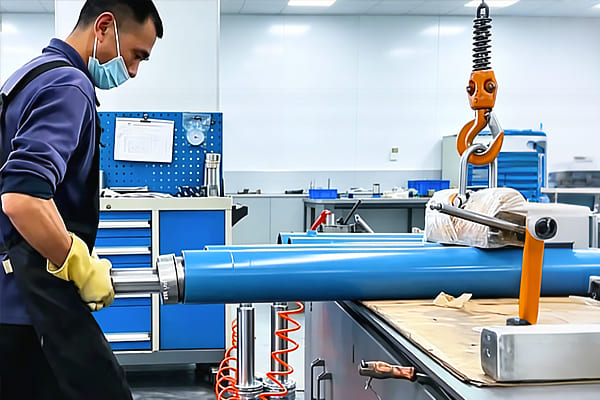
Assembly
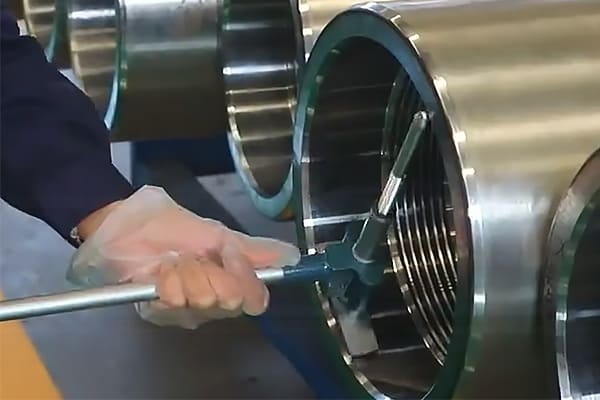
Dimensional measurement
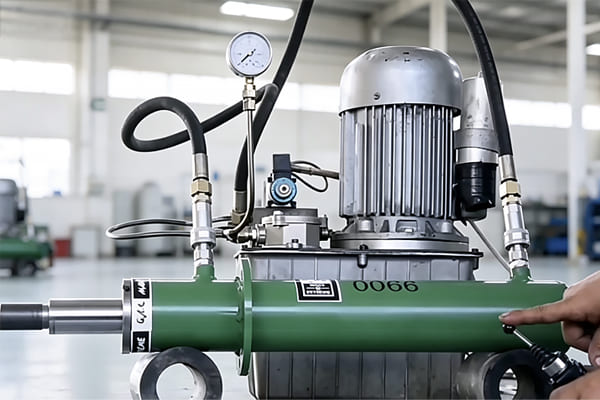
Pressure test