
Hydraulic Clamping Cylinder Manufacturer
All cylinders undergo pressure resistance testing before delivery.
MOQ starts from 1 piece and the lead time is 3-7 days.
We can provide quotations and custom production based on your drawings and equipment requirements.
Brands We Serve in Hydraulic Industry















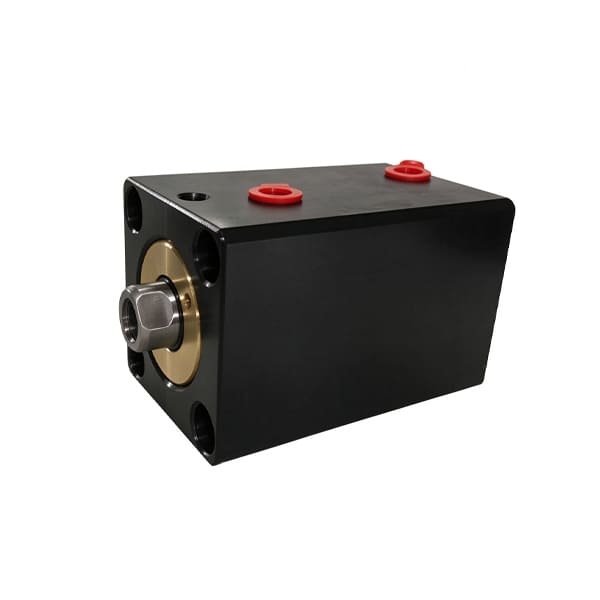
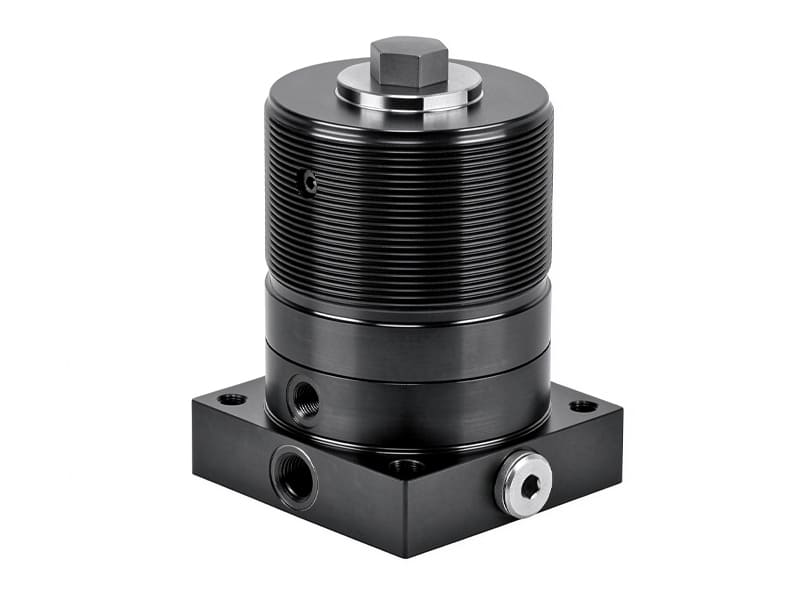
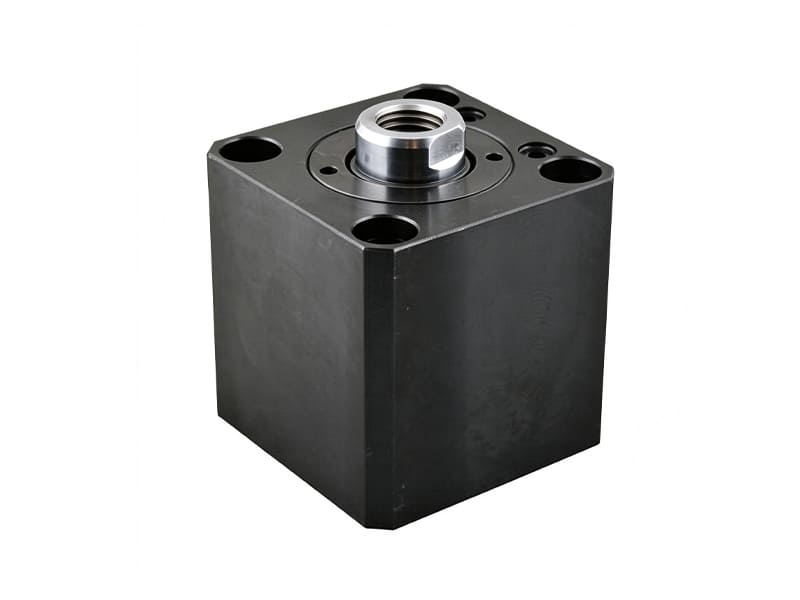
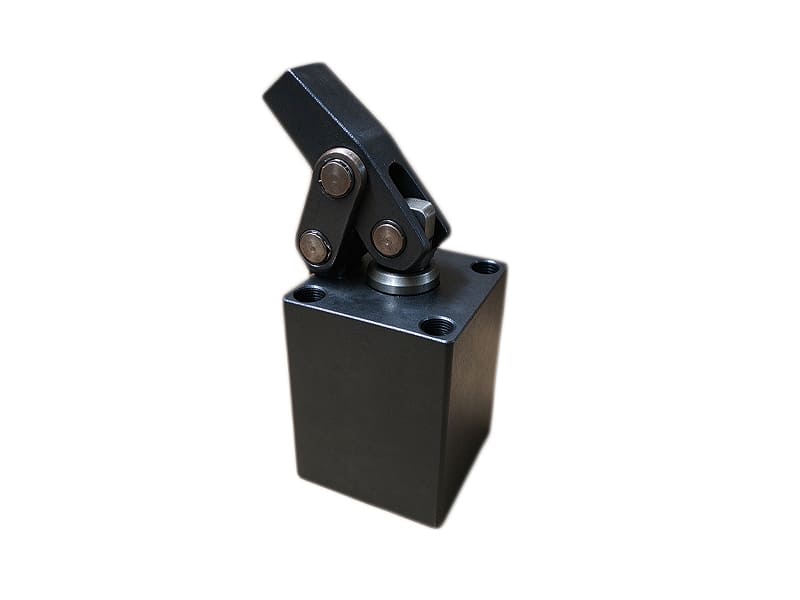
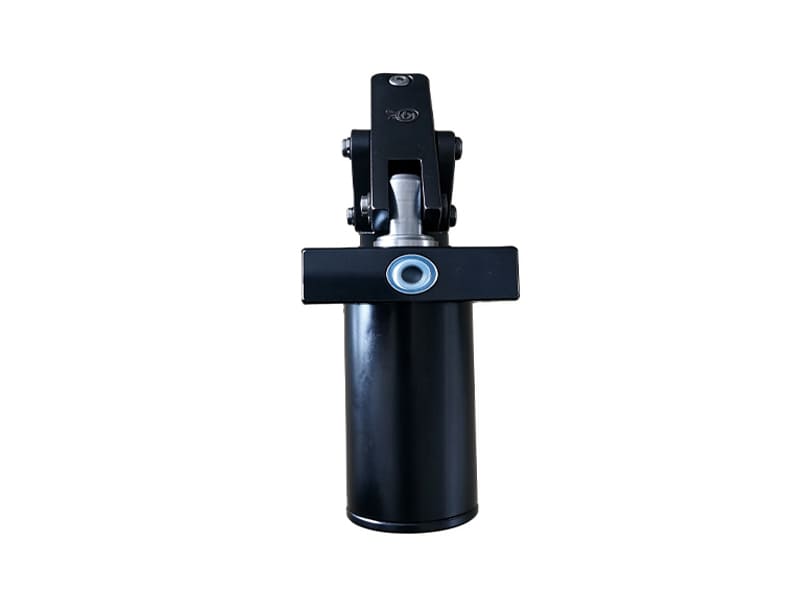
Hydraulic Clamping Cylinder
Hydraulic clamping cylinders are usually installed on fixtures and used with machine tools or automated equipment. Cylinders use hydraulic oil pressure to produce clamping force, which is used to clamp, locate, and lock work pieces so they do not move or shift during machining. They often work around chips, cutting fluid, and dust.
The piston rod is usually made of 45# steel with hard chrome plating. The coating hardness is ≥HV850. This helps resist wear from chips and dust. We choose seals based on the working conditions. For low to medium pressure, we use PU piston seals. For high-pressure conditions above 25 MPa, we use PTFE-filled Glyd rings. This combined seal can handle working pressures of 40–60 MPa. Under high pressure, it is less likely to be squeezed into the seal gap, so the cylinder can keep delivering clamping force.
The cylinder bore is honed to make the inner surface smooth and ensure size and roundness. We can also customize the material based on your needs.
Your Reliable Supplier of Hydraulic Clamping Cylinder
Hydraulic Clamping Cylinder Types
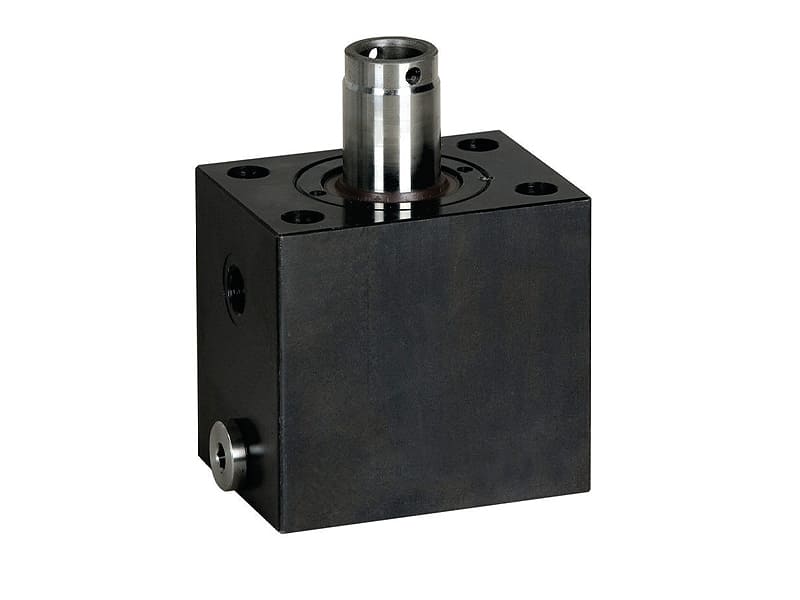
Single-Action Clamping Cylinder
A single-acting clamping cylinder is one type of hydraulic clamping cylinder. It uses a spring to clamp the work-piece. Hydraulic oil pushes the piston to compress the spring and release the work-piece. Even if the oil supply or power is suddenly cut off, the spring still holds the work-piece tightly, so it won't fly out. This makes it very safe and suitable for long runs.
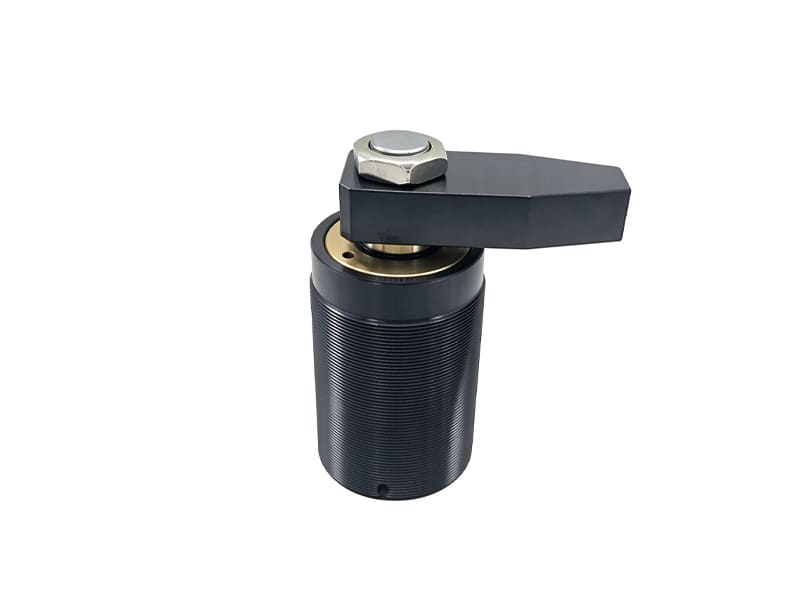
Double-Action Clamping Cylinder
Double-acting clamping cylinders are one type of hydraulic clamping cylinder. Hydraulic oil pushes the piston out and back to perform clamping and releasing. The clamping force can be adjusted with a pressure regulating valve, so it can work with different hardness and thickness’s work-pieces, so it won’t crush the parts.
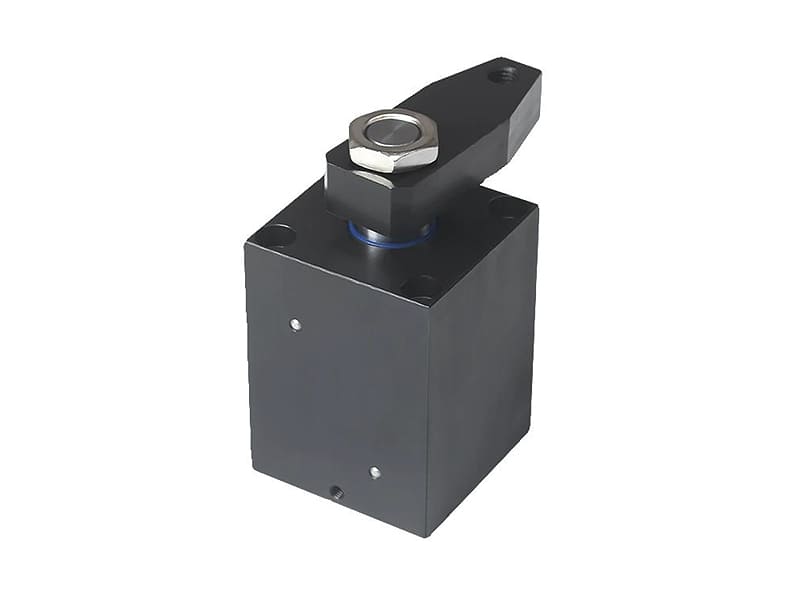
Rotary Clamping Cylinder
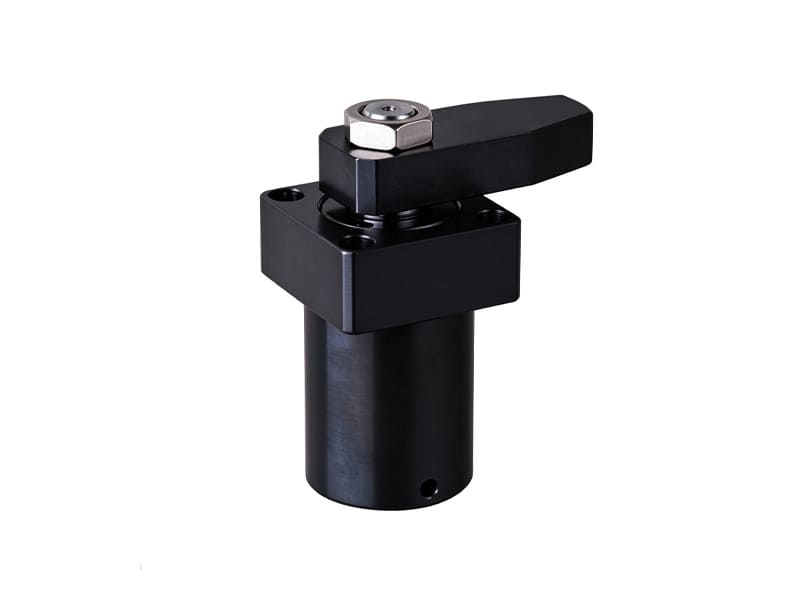
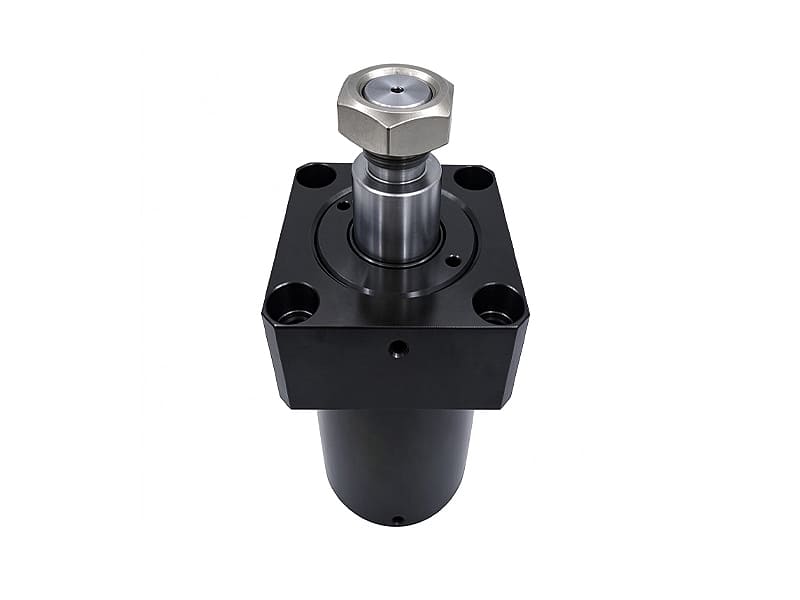
Rotary clamping cylinders are a type of hydraulic clamping cylinder. When the piston rod extends, it rotates 90 degrees and then presses down to clamp the work-piece. To release, the piston rod lifts and turns back the other way, so the clamp head swings away automatically. This means no need person to remove or move the clamp block, making it easier to load and unload work-pieces.
Hydraulic Clamping Cylinder Features
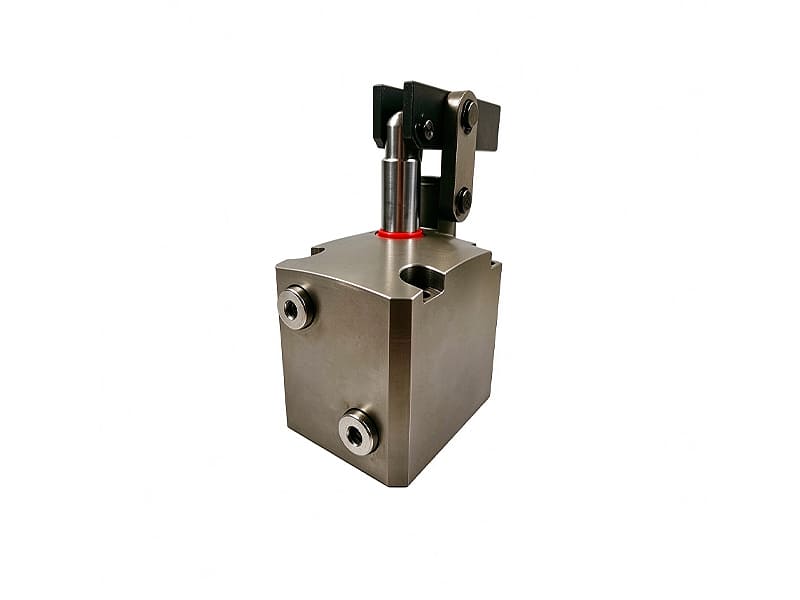
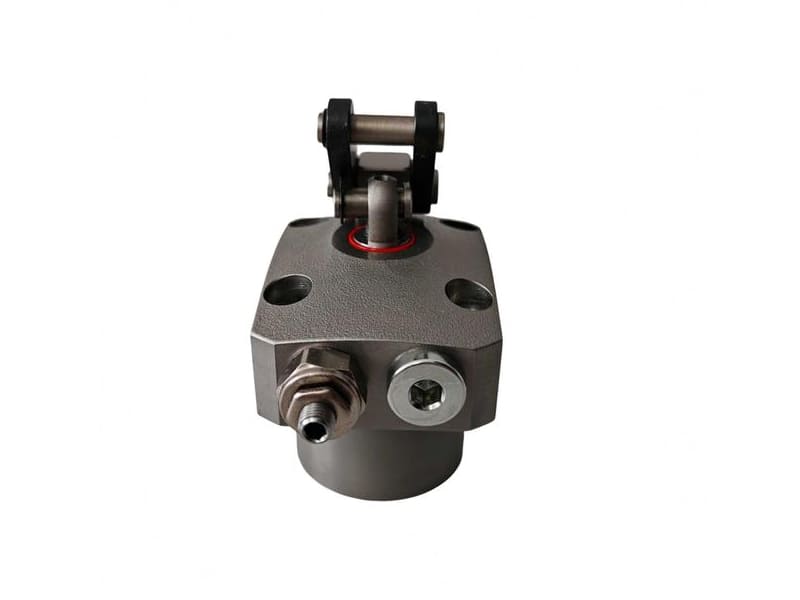
Hydraulic Clamping Cylinder
Applications of Hydraulic Clamping Cylinder
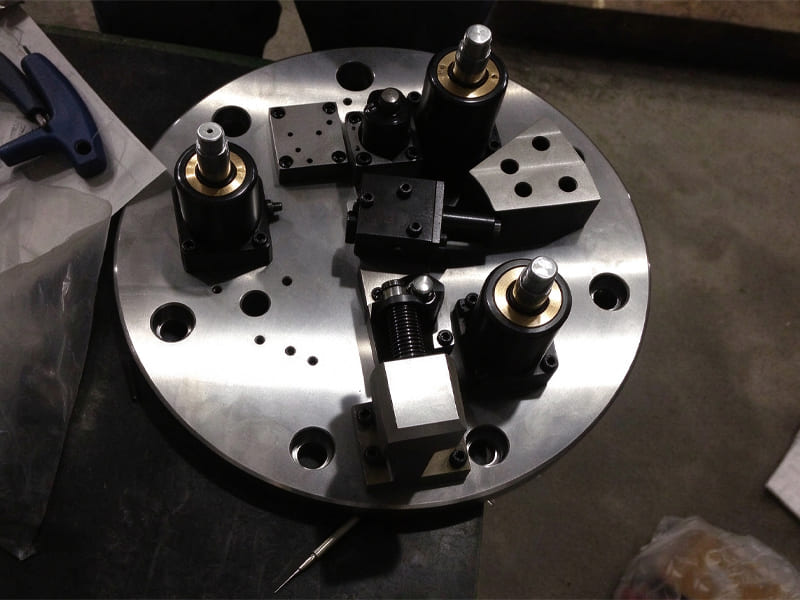
CNC Machining Center Hydraulic Fixture
Hydraulic clamping cylinders are used in hydraulic fixtures for CNC machining. The process needs several cylinders to work together. The first cylinder extends its piston rod to locate the work-piece. The second cylinder extends to clamp it down, so the work-piece stays fixed for the next machining steps. Hydraulic clamping cylinders deliver large clamping force, They secure work-pieces tightly and prevent them loosening.
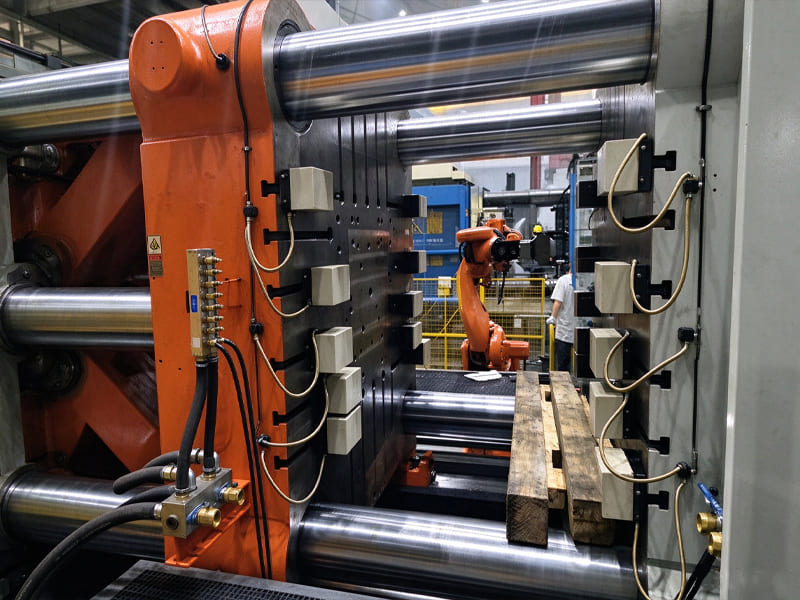
Injection Molding Machine Mold Clamping
Hydraulic clamping cylinders are used in mold clamping equipment for injection molding machines. Through hydraulic oil pushes the piston rod out to pull the mold closed. When the cylinder reverses and returns the oil, the piston rod retracts and opens the mold. The cylinder provides steady clamping force, it resists the cavity pressure during injection, so it can keep the mold closed and avoid products occur burrs and other defects.
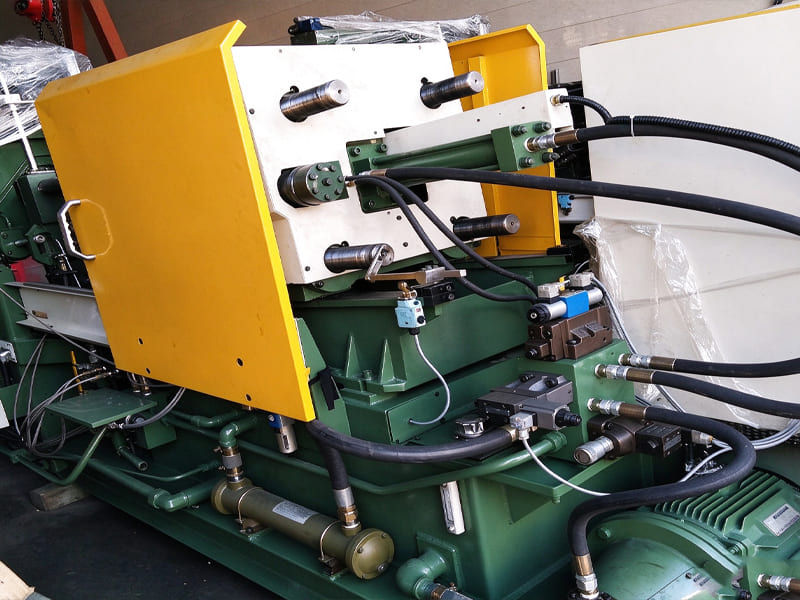
Die Casting Machine Mold Locking
Hydraulic clamping cylinders are used for mold locking on die-casting machines. The cylinders are mounted on the machine platen. Cylinder’s oil enters and pushes the piston out, which drives the clamping plate to lock the mold. After processing, the cylinder releases pressure and its piston rod retracts to unlock the mold. The cylinder has a dust cover to keep dust out of the cylinder, helping the equipment run steadily.
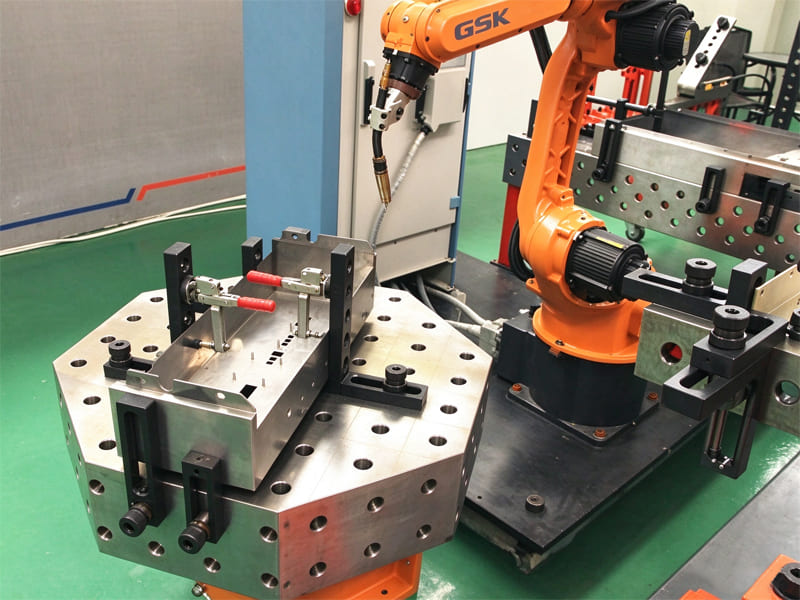
Robotic Welding Line Station Clamping
Hydraulic clamping cylinders are used in robotic welding line station clamping. When the work-piece is in place, high-pressure oil pushes the piston rod out. Driven the clamp head presses down on the work-piece to hold it for welding. After welding, the piston rod retracts, and the clamp head releases the work-piece. Several cylinder's are connected together, so they move in sync. Clamping the work-piece consistently from different directions.
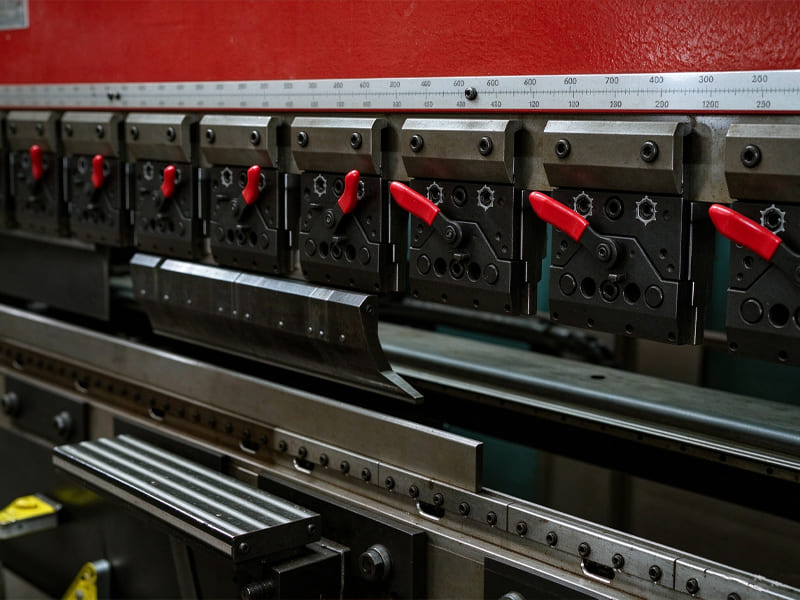
Bending Machine Mold Clamping
Hydraulic clamping cylinders are used in die clamping equipment for press brakes. Hydraulic oil enters the cylinder to push the piston rod out. This drives the clamping block to press the bending die tightly, keeping it from shifting during processing. The cylinder extends and retracts to clamp and release the die, so there is no need to tighten bolts by hand. This makes die changes faster.
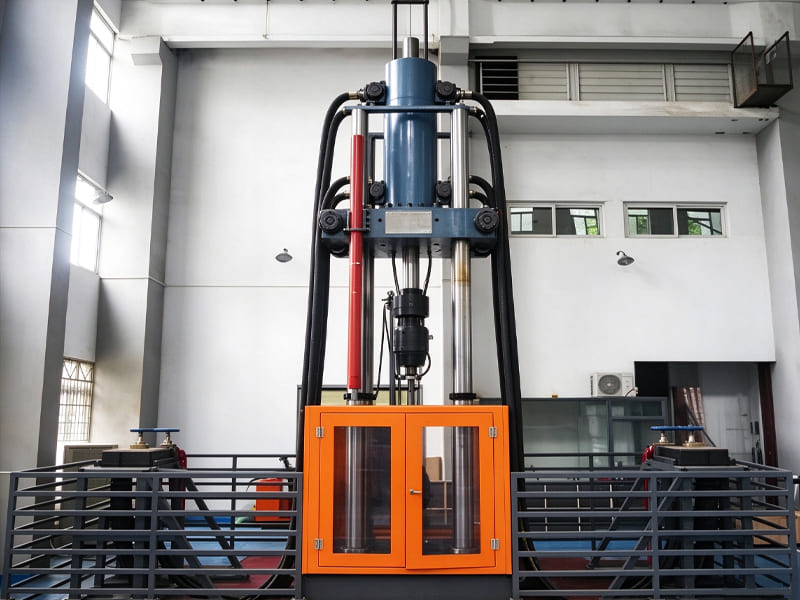
Test Bench Specimen Clamping
Hydraulic clamping cylinders are used in test bench specimen clamping. The cylinder is mounted inside the chuck of the testing machine. Oil enters and pushes the piston rod out, it drives the clamping jaws to grip the specimen, so the specimen won't shift during testing. The cylinder’s clamping force can be adjusted according to the material and size of the sample. This avoids crushing soft materials and prevents the specimen from slipping because the grip is too loose.
Work piece Deformation During Clamping
Many customers worry about the work-piece may slip or shift during machining, or that the mold may be forced open during injection molding. So when choosing a cylinder, they only focus on high clamping force and ignore the stiffness of the work-piece. For example, when clamping thin-walled parts, aluminum alloy pieces, slender shafts and other low-rigidity work-pieces, too much clamping force will easily cause bending or deformation.
To solve this problem, we will check the work piece stiffness during selection. First, we calculate the maximum clamping force the work-piece can bear based on its material, wall thickness and other details. Next, we work out the minimum clamping force required for clamping base on cutting force or mold opening force. We set the equipment clamping force within this range, so it holds the work-piece securely and it won’t crushing from too much force.
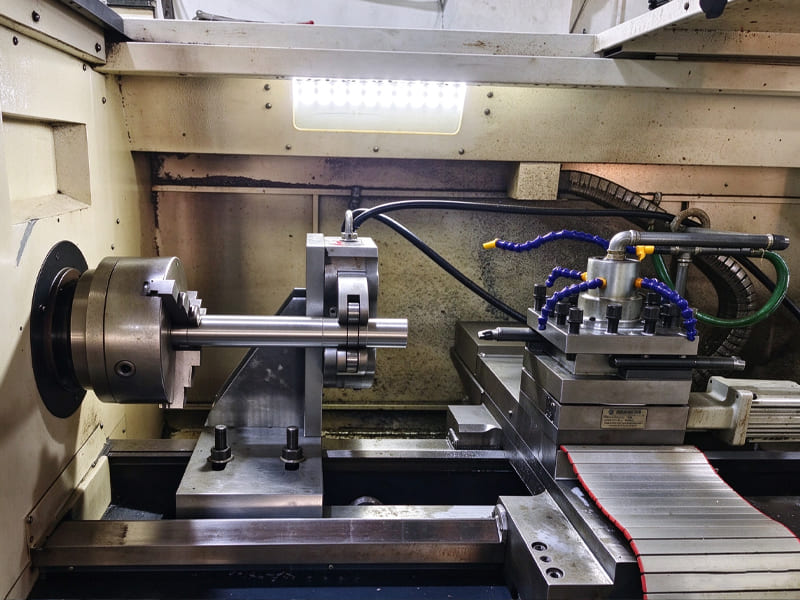
Clamping Force Drop under Pressure Holding
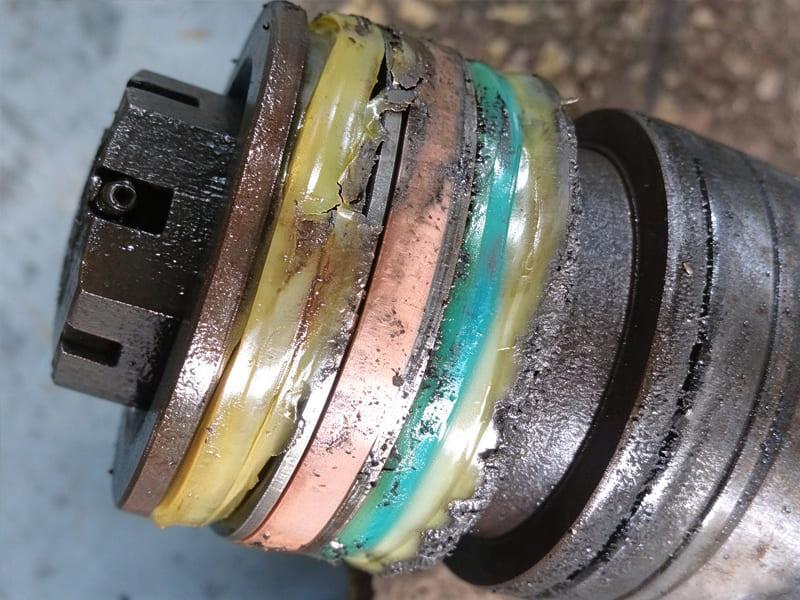
When clamping hydraulic cylinder holds pressure, the clamping force may drop. Once it drops, the work-piece may not stay fixed during machining. This leads to dimension errors and product bad production. This problem happens because seals wear out after long-term operation and appear tiny gaps. High-pressure oil then slowly leaks through the seal gap into the low-pressure chamber. This will cause pressure falls, and the clamping force from the cylinder drops too.
Our solution is use main and secondary seal dual protection system. The main seal uses a PTFE Glyd ring with an NBR elastic O-ring. During pressure holding, it presses tightly against the cylinder wall and prevents high-pressure oil from leaking through the gap. Even if the main seal wears, the secondary seal keeps locking the oil in and stops pressure from dropping. This can maintain stable clamping force for a long time.
Certifications
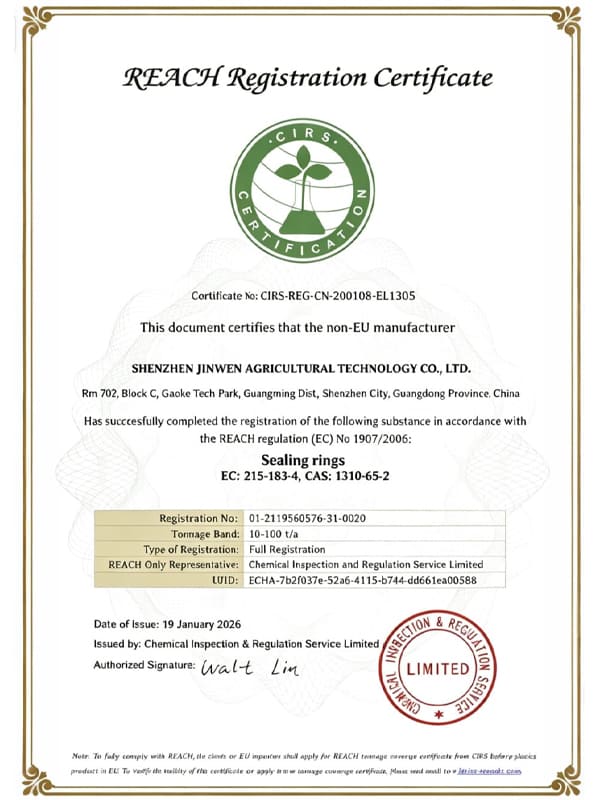
REACH Certificate
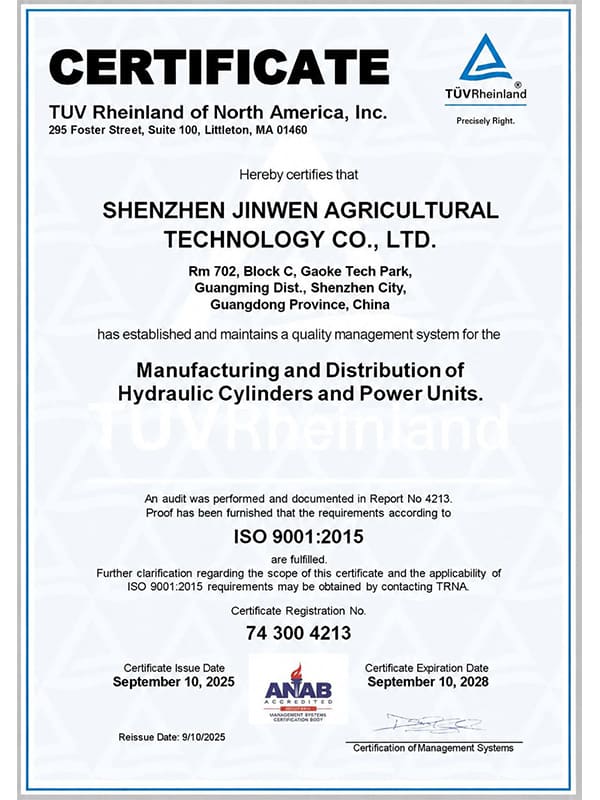
ISO 9001 Certificate
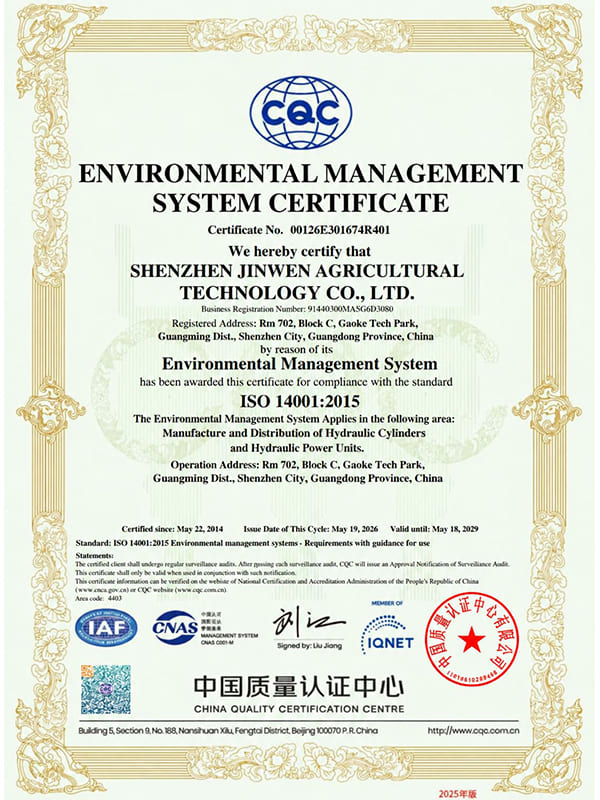
ISO 14001 Certificate
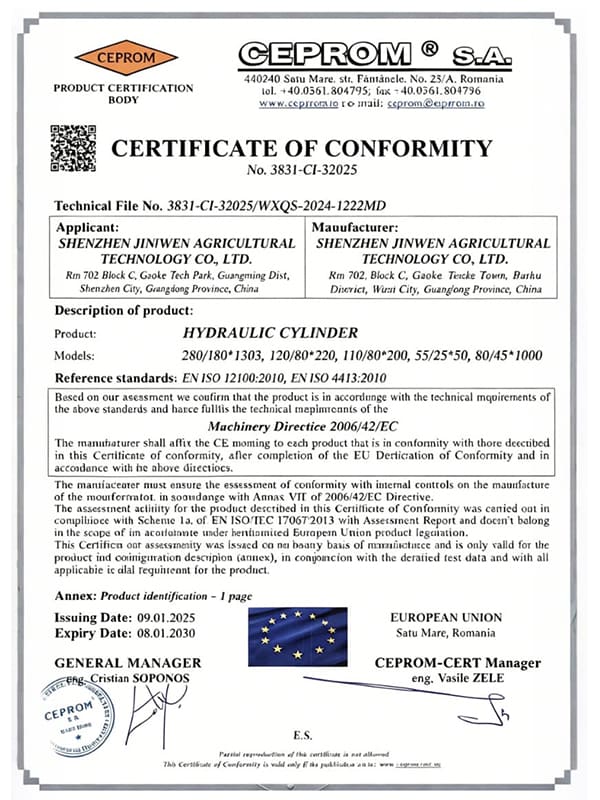
Certificate of Conformity
Why Work with Us
Customized for Working Conditions
We can design hydraulic fixture solutions based on the work piece material, machining process and other details, makes sure the cylinders work with different production lines.
Customization Mounting Dimensions
Our technical team will deliver drawings within 24 hours base on your key installation parameters.
Dust-Proof Structure
Using a double-lip wiper seal keeps metal dust out of the cylinder, it prevents seal damage and protects the cylinder.
Strict Factory Testing
How to Customize Your Hydraulic Clamping Cylinder
Send Your Drawing
Provide us the detailed drawing or physical sample or critical dimensions, working pressure, mounting details.
Working Environment
Whether the cylinders works in high temperature, humidity, salt spray, dust and high frequency, pressure.
Get Quick Quote
We review all details of drawing and requirements and provide optimization suggestions with our experiences if necessary.
Production Procedure
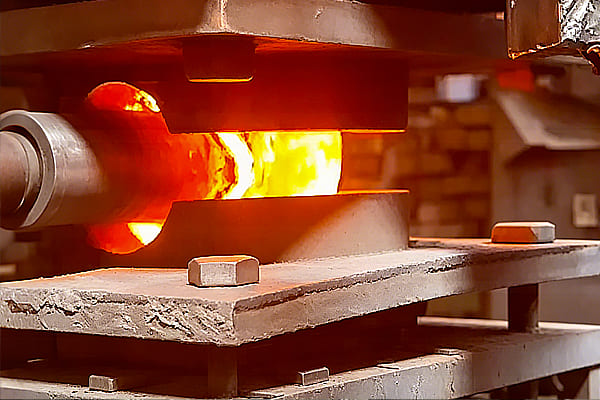
Integral forging
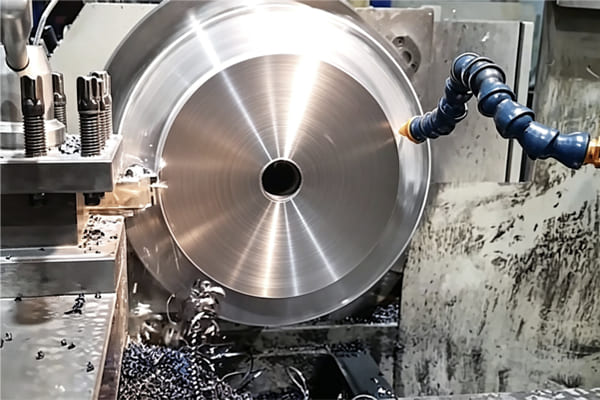
Turning
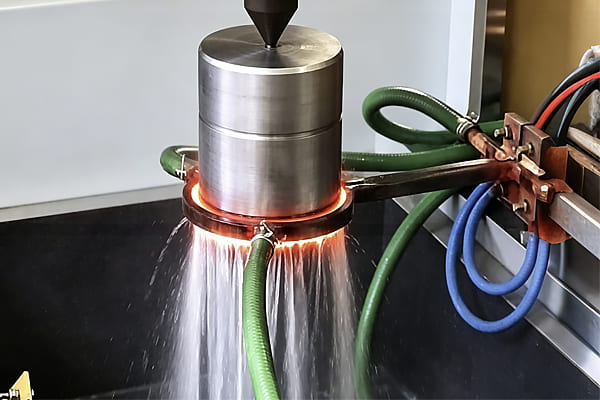
Induction hardening
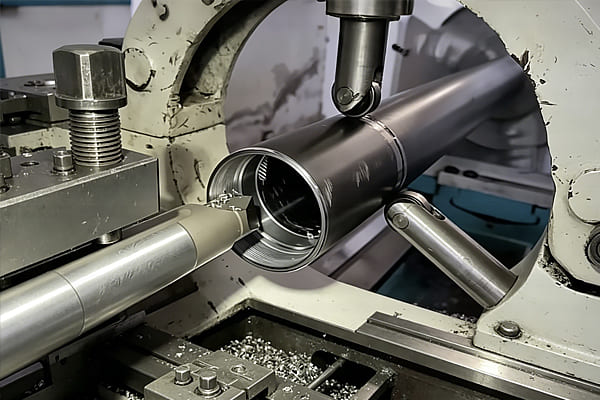
Cylinder barrel turning
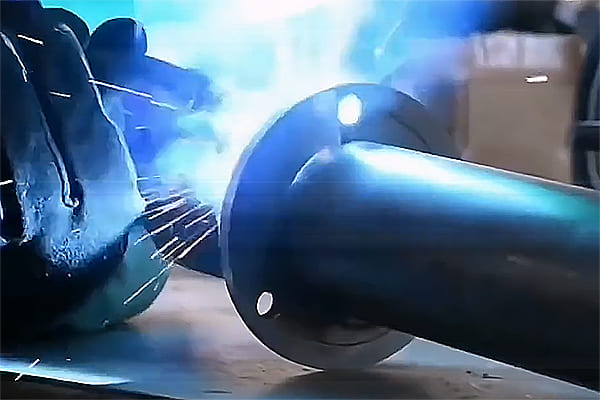
Welding
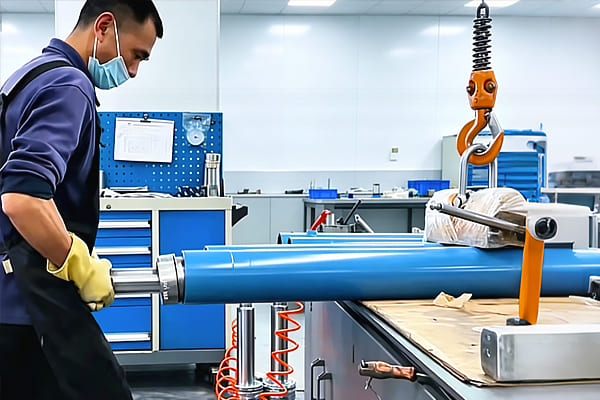
Assembly
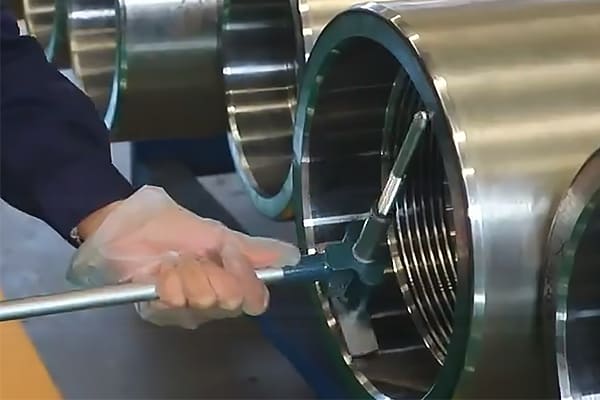
Dimensional measurement
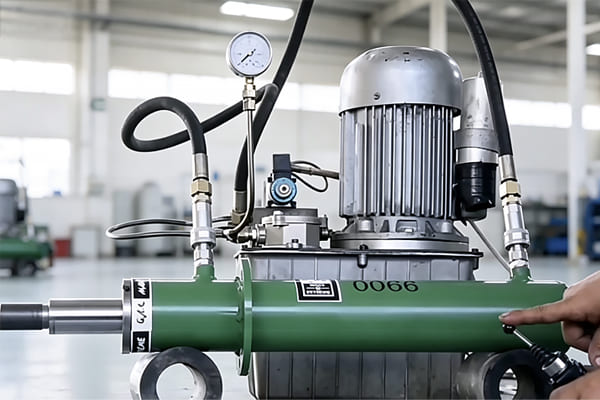
Pressure test