
Railroad Wheel Lift Cylinder Manufacturer
Every cylinder undergoes 100% pressure testing before delivery.
MOQ starts from 1 piece, the lead time is 7 to 15 days.
We will provide quotations and technical support based on your drawings or working condition information.
Brands We Serve in Hydraulic Industry










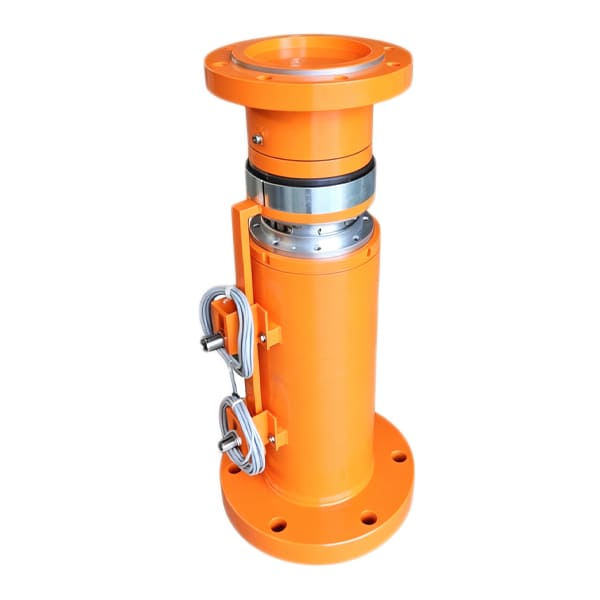
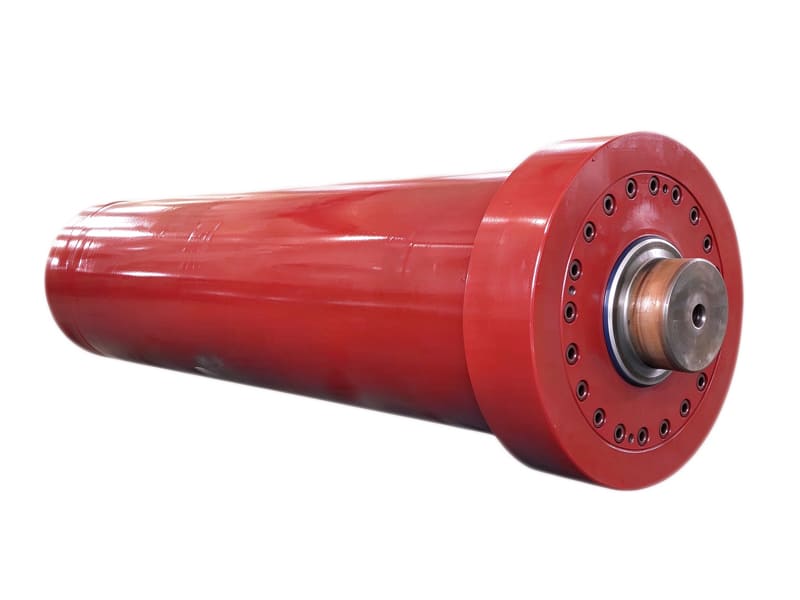
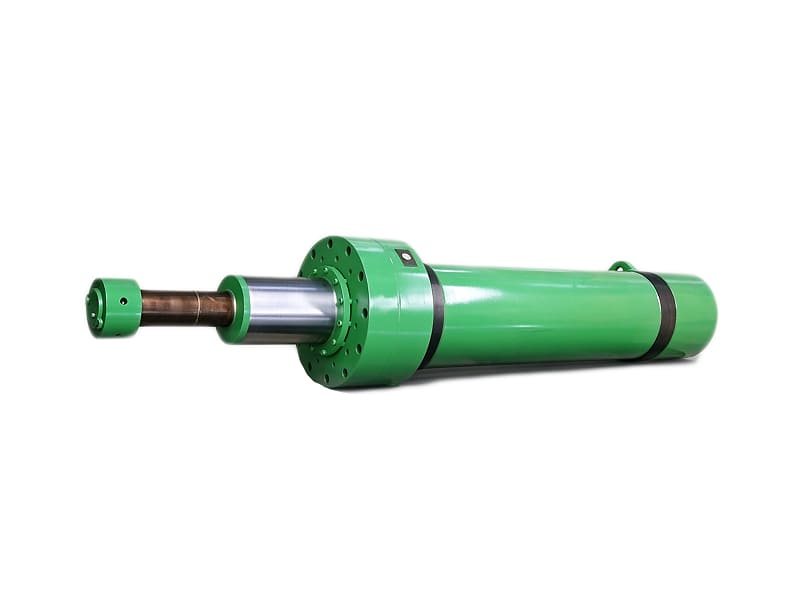
Railroad Wheel Lift Cylinder
Your Reliable Supplier of Railroad Wheel Lift Cylinder
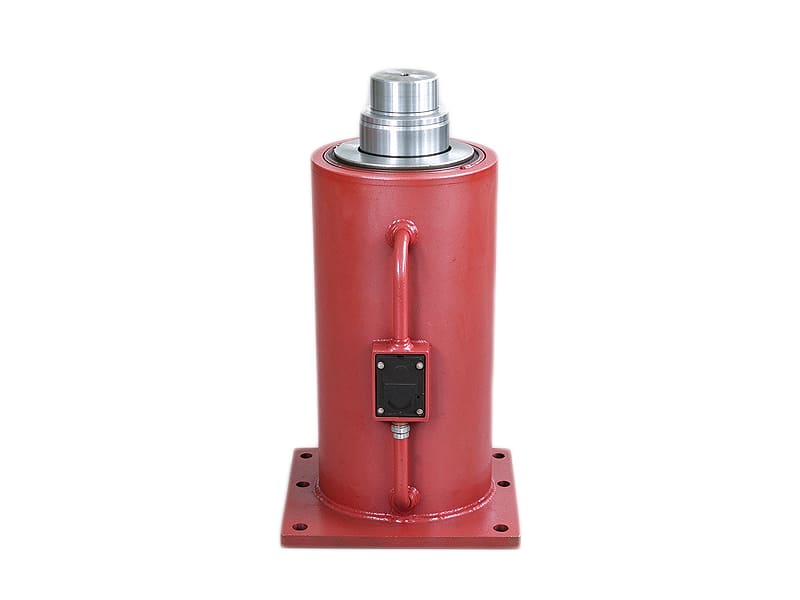
We have many years of experience manufacturing railway wheel lift cylinders. We have worked with railway maintenance equipment and wheel drop stations. One customer was using a standard cylinder. The stroke was long enough, but the cylinder base had a small contact area. If the ground was uneven, it was easy to create off-center load and damage the cylinder. To solve this problem, we widened the base. The wider base provides a larger support area even on uneven ground. The cylinder is less likely to bear load on one side, which reduces side load.
We can customize cylinders based on your equipment’s load tonnage, stroke, and working pressure. Every cylinder passes quality inspection before delivery to reduce losses caused by equipment downtime.
Railway Wheel Lifting Cylinder Types
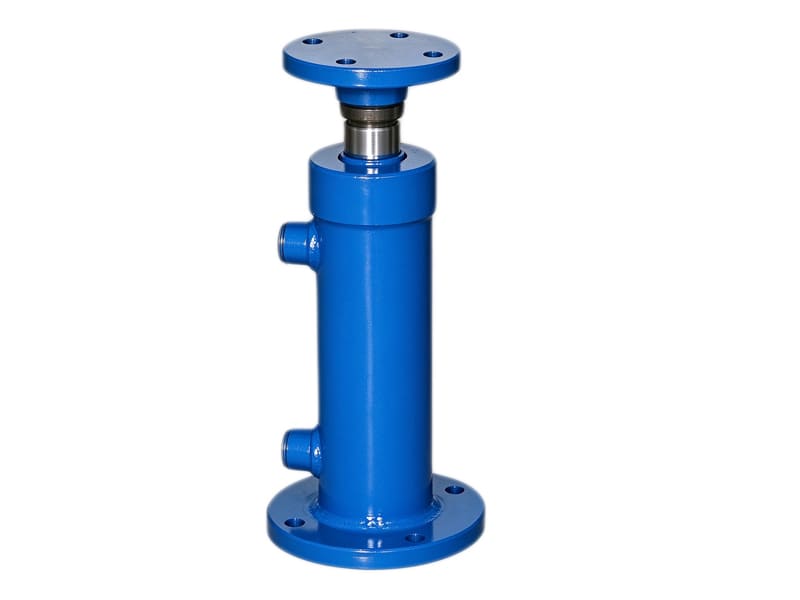
Underfloor Wheel Lathe Wheel Lifting Cylinder
Underfloor wheel lathe wheel lifting cylinder is a type of railway vehicle lifting cylinder. During operation, the train stays on its original track. There is no need to remove the wheel set from the bogie. The cylinder lifts one wheel set to raise the wheels off the rail, and then the lathe cuts and smooths the worn wheel tread.
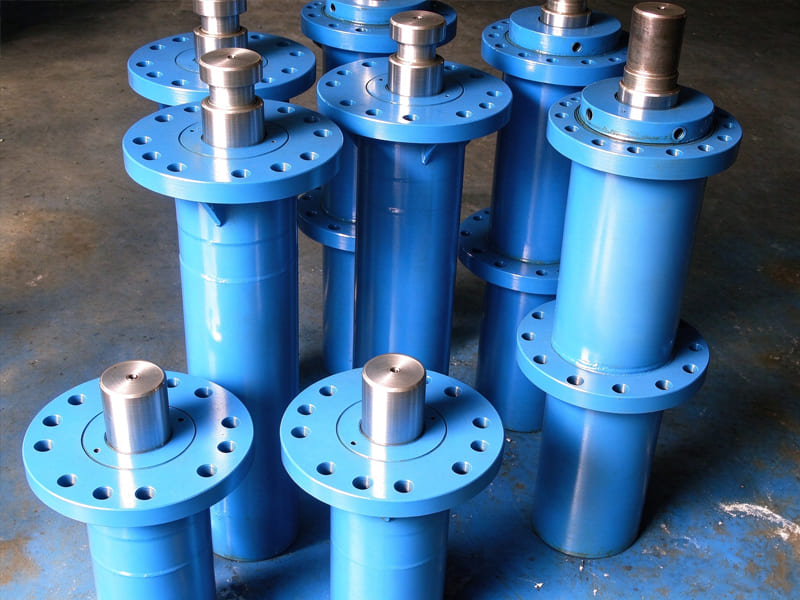
Wheel Set Bearing Jacking Cylinder
Wheel set bearing jacking cylinder is a type of railway vehicle lifting cylinder. This kind of cylinder is made specifically for mounting and removing wheel-set bearings. It lifts and levels the whole wheel-set, to carry out press fitting. The cylinder must withstand loads and lateral forces during operation, so it requires high structural strength.
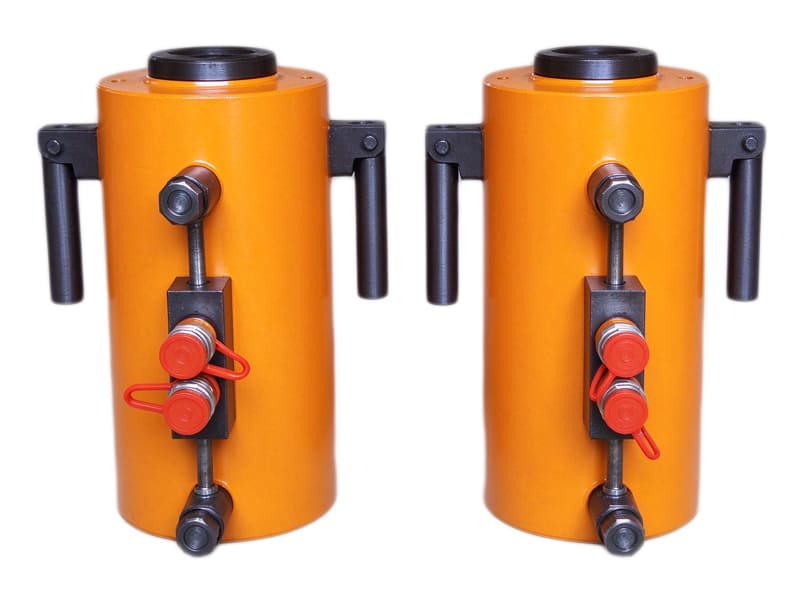
Single-Acting Plunger Lifting Cylinder
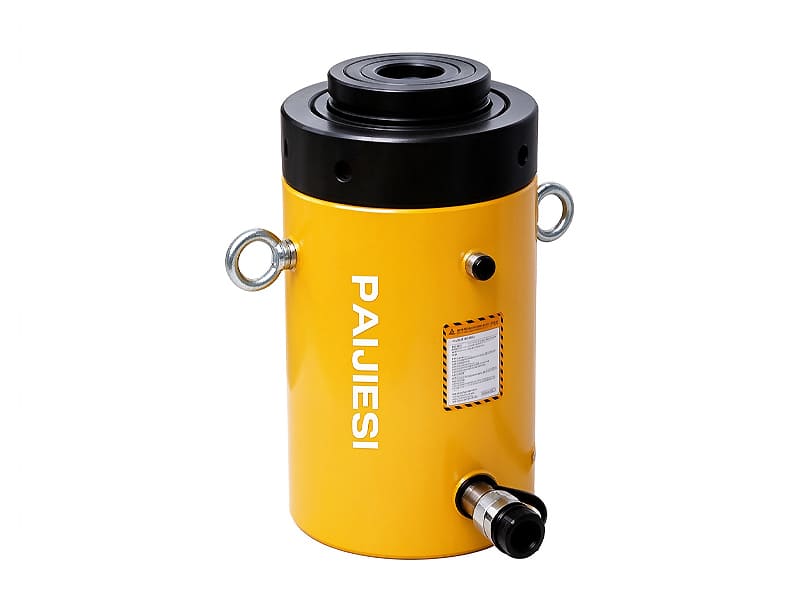
Mechanically Self-Locking Cylinder
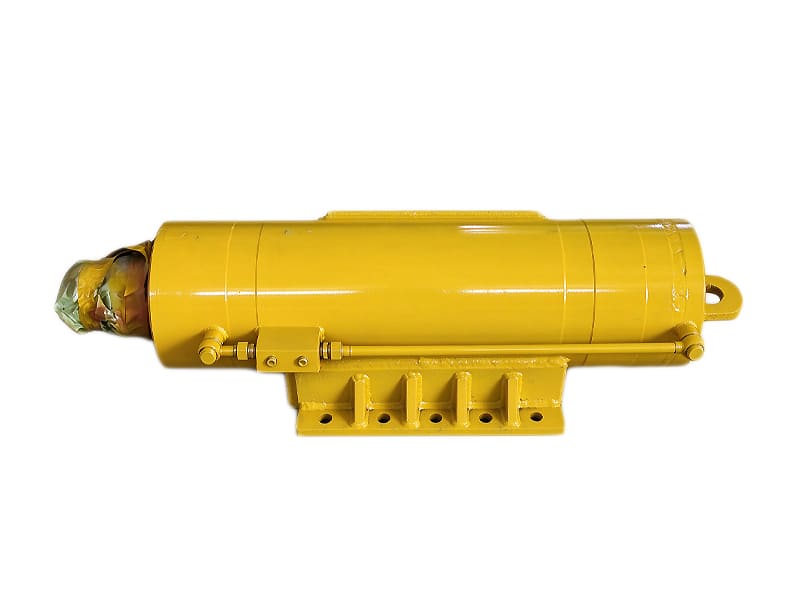
Mechanically locked lifting cylinders are a type of railway wheel lifting cylinder. After hydraulic power lifts the vehicle body, a mechanical structure locks the position. The load will not drop even if the hydraulic system fails. This is different from a single-acting plunger lifting cylinder, which has no locking protection. They are designed for long-time maintenance work.
Railway Wheel Lifting Cylinder Features
Railroad Wheel Lift Cylinder
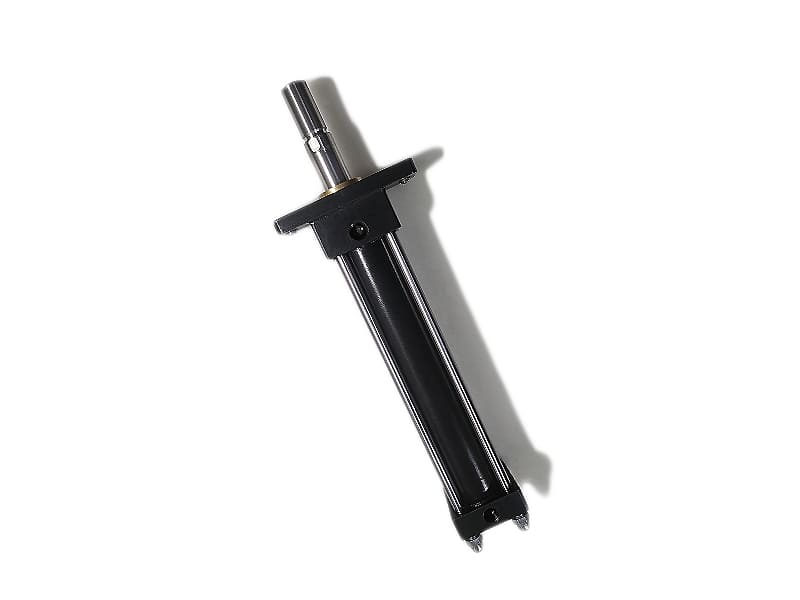
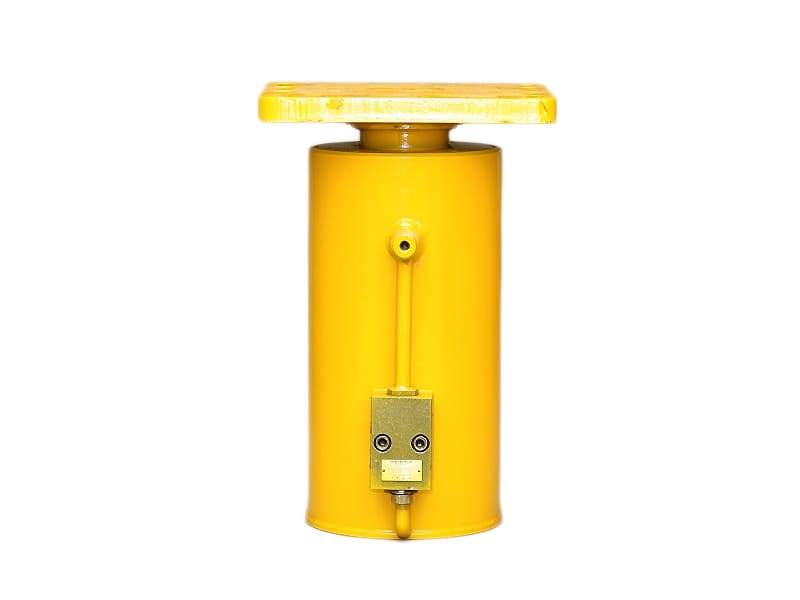
Applications of Railroad Wheel Lift Cylinder
Wheel-set Replacement
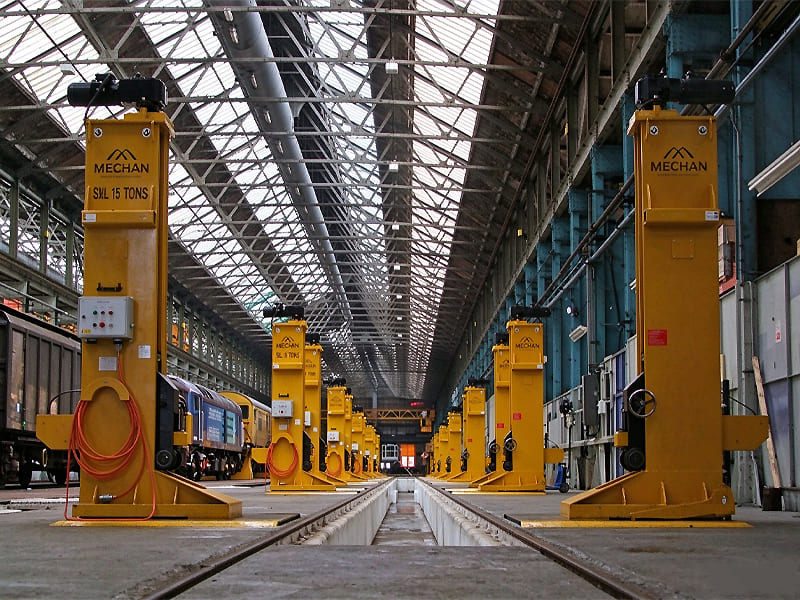
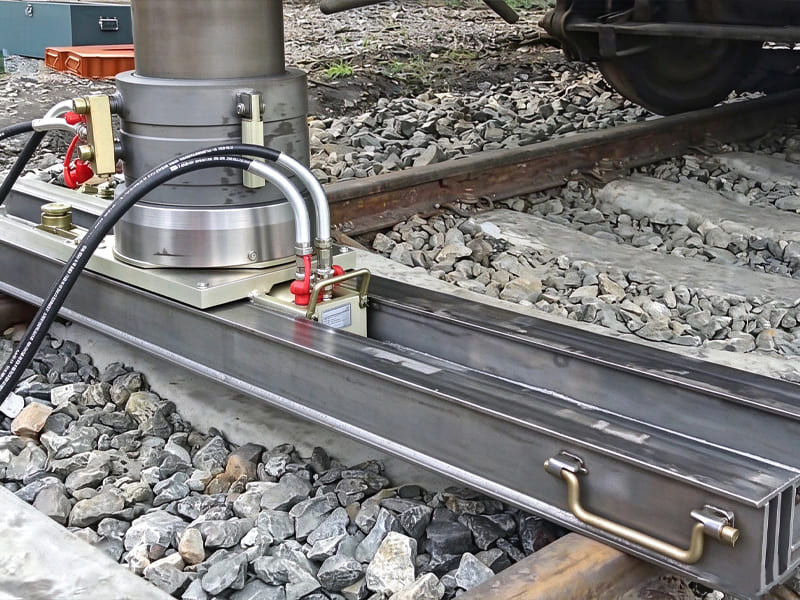
Railway wheel lifting cylinders are used in wheel-set replacement equipment. The cylinder is installed in the pit. When it retracts, the vehicle can drive straight into the station. Once the vehicle is in place, the cylinder extends and pushes the lifting seat up, smoothly raising the vehicle body. This takes the full vehicle weight off the wheel-set for unloading. The cylinder has dust seals to keep out dust and other particles, so the piston rod and seals won’t get scratched.
Bogie Lifting
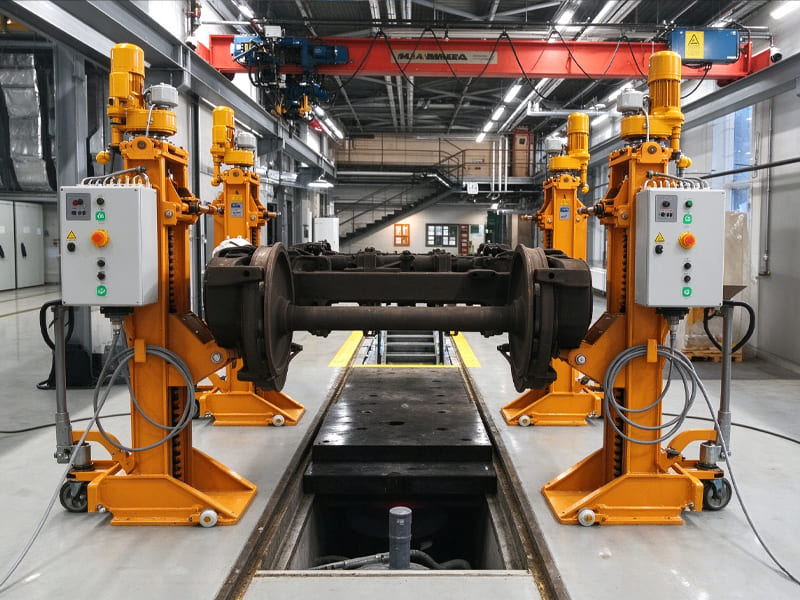
Wheel lifting hydraulic cylinders are used in bogie lifting equipment. Lifting a bogie requires several cylinders working together. These cylinders extend at the same time to support the bottom of the bogie and raise it to the maintenance height. After maintenance, the cylinders retract together to lower the bogie. The cylinder has a built-in mechanical locking device, so it won’t suddenly drop during maintenance. This keeps workers safe.
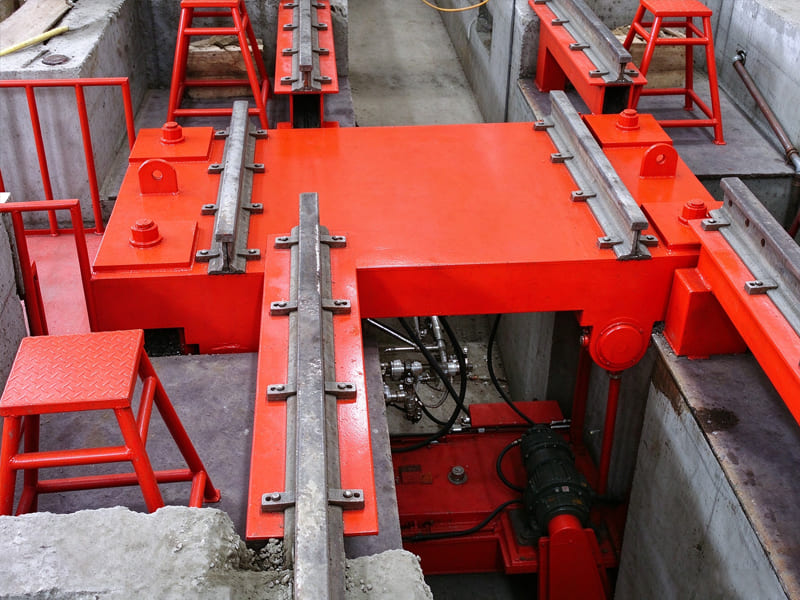
Wheel Drop Pit Operation
Wheel lifting cylinders are used in wheel drop pit equipment. When the piston rod is fully retracted, the top of the lifting seat sits below the pit floor, so the wheel set can enter smoothly. When the cylinder extends, the lifting head rises to support the whee-set and lift it off the track for wheel replacement. The cylinder has a compact design, making it easy to install in narrow wheel drop pits.
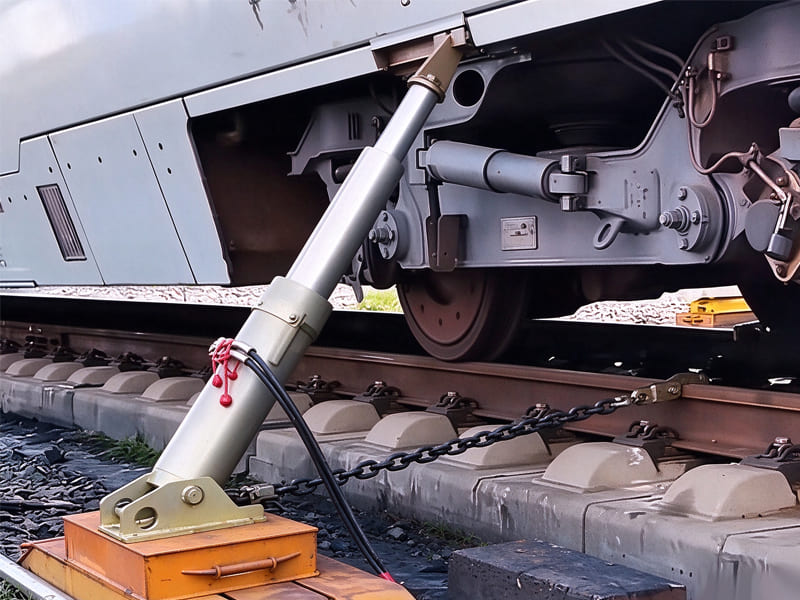
Derailment Recovery
Wheel lifting hydraulic cylinders are used in derailment recovery. The cylinder is installed under the wheel-set. The piston rod extends and lifts the wheel-set up to track level. A recovery tool is then used to move the lifted wheel set into the correct position. After that, the piston rod retracts and lowers the wheel-set back onto the track to finish the reset work.The cylinder can lift the vehicle quickly for wheel-set recovery, cutting down track occupancy time.
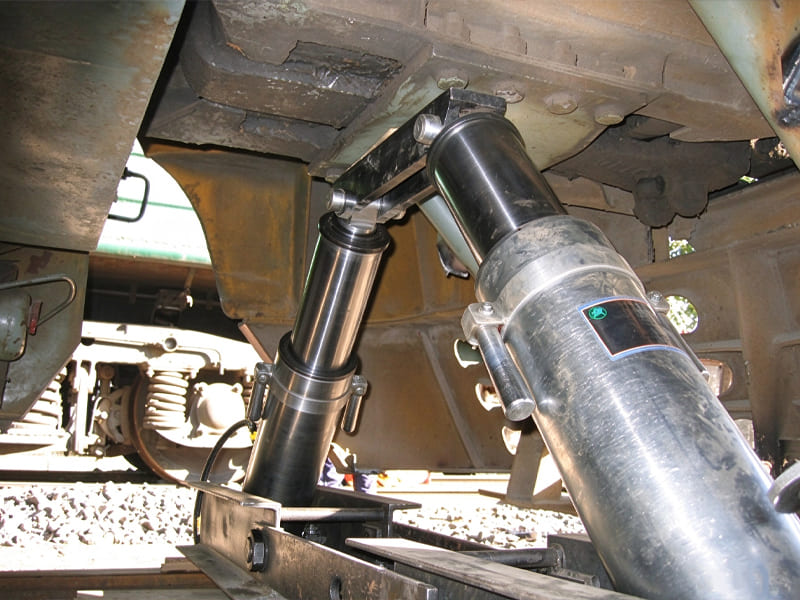
Metro Maintenance
Railway wheel lifting cylinders are used in subway maintenance. The cylinder is installed under the bogie lifting point. When it extends, it lifts the bogie so workers can go under for maintenance. When retracted, it lower the bogie back onto the track. The seals usually use moisture-resistant HNBR, which can work well in damp underground environments.
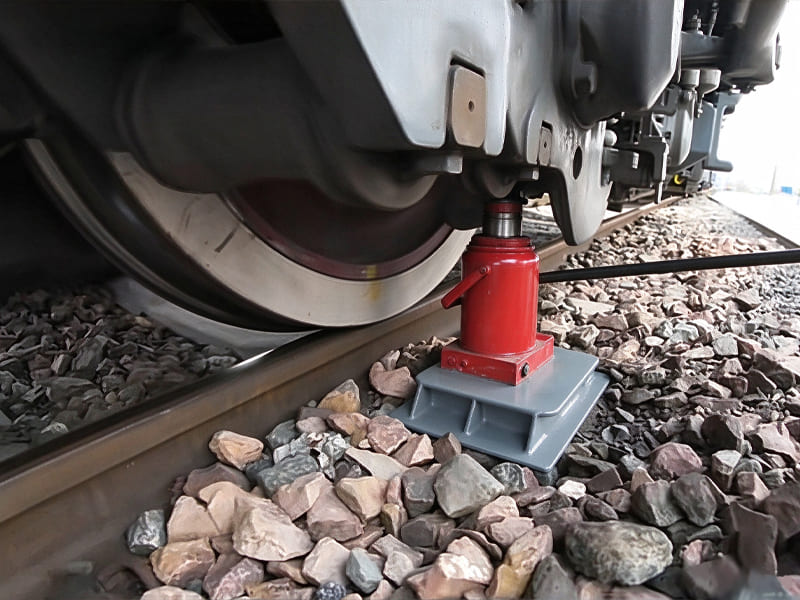
Port Railway Maintenance
Railway wheel lifting cylinders are used in port railway maintenance equipment. When the piston rod retracts, the vehicle can move into the working station. As the piston rod extends, it supports the wheel set and lifts the vehicle. Then a hydraulic lock holds the position so workers can inspect and repair it. The piston rod has thick hard chrome plating, 20–50 μm thick, to improve corrosion resistance.
Cylinder Incompatibility with Existing Drop-Pit Dimensions
The hole spacing and mounting surface height of a wheel drop pit are fixed and can’t be changed. The cylinder size and base are also fixed. So the cylinder may not fit into an existing wheel drop pit. If you force it in, it can cause side load, seal wear and even damage the cylinder.
We will install an adapter mounting base at the bottom of the pit. It works like a transition bridge. Based on key factors like load and rigidity, we make holes on the top and bottom of the base. The holes on the bottom line up with the embedded bolt holes in the pit floor, and the base is bolted to the embedded plate. The top has another set of mounting holes to secure the bottom of the cylinder. This does not require modifying the original wheel drop pit. It keeps the cylinder mounted vertically and prevents side load.
Low-Speed Wheel set Fine Adjustment will Cause Impact
Certifications
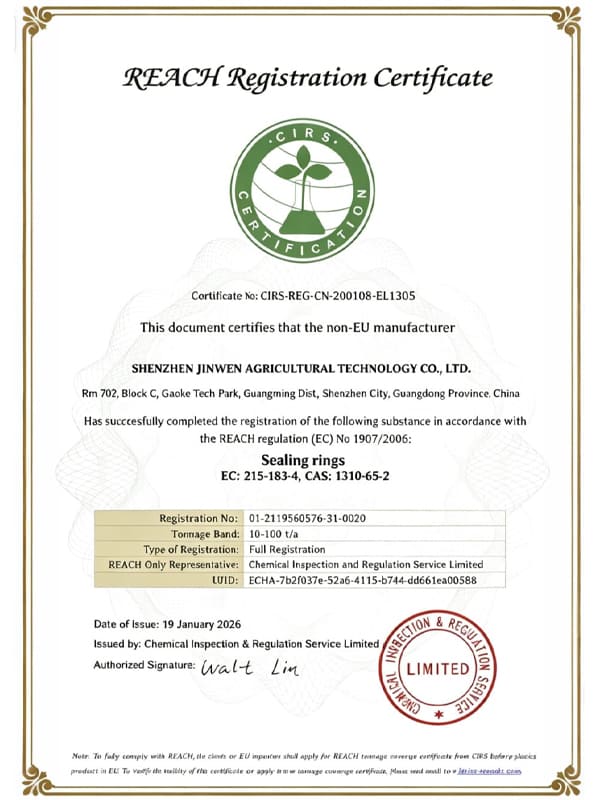
REACH Certificate
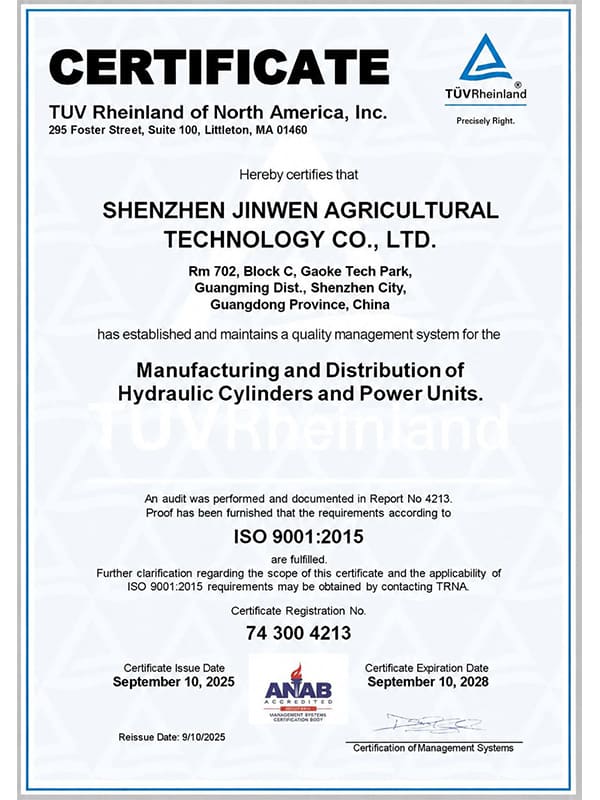
ISO 9001 Certificate
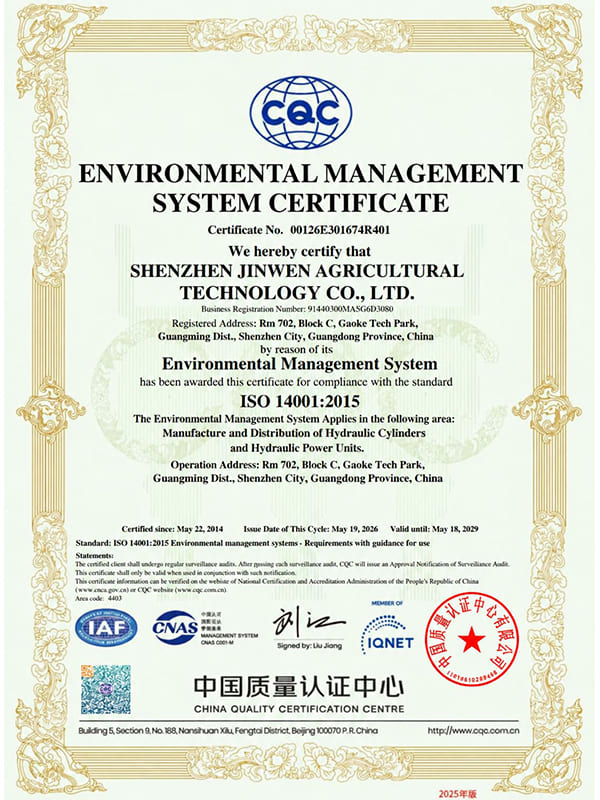
ISO 14001 Certificate
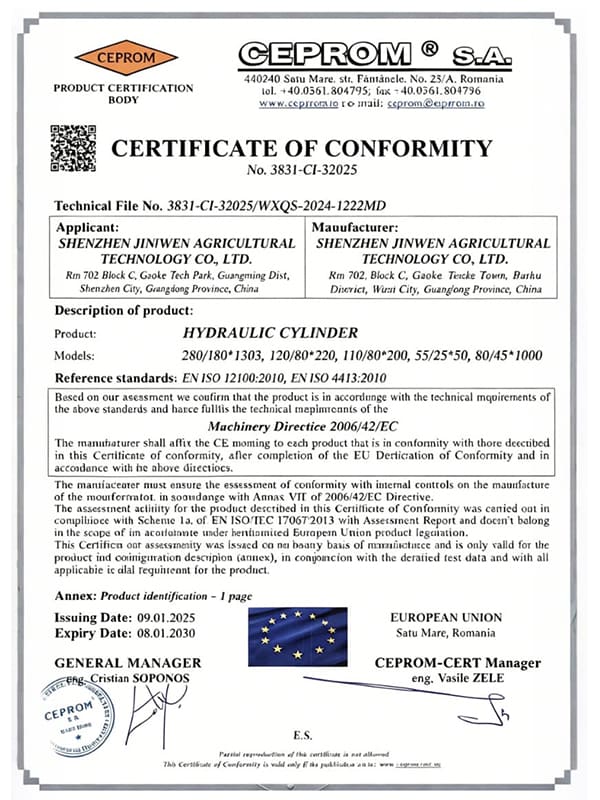
Certificate of Conformity
Why Choose US
Engineered for Railway Conditions
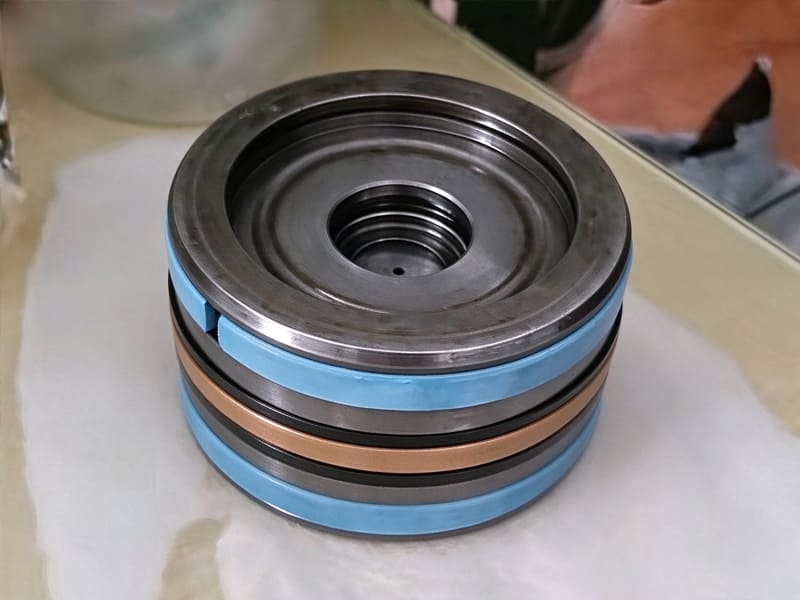
For railway working conditions, we use double-lip dust seals to prevent dust from entering and ensure stable cylinder operation.
Precise and Safe Lifting
The cylinder, combined with a proportional valve and position feedback system, enables smooth and precise lifting.
Integrated System Safety
We also applied safety designs to the pump station, valve manifold, and control system to make lifting more stable.
Customized to Fit
We can provide lifting cylinders based on your equipment, and no structural changes are required.
How to Customize Your Railroad Wheel Lift Cylinder
Send Your Drawing
Provide us the detailed drawing or physical sample or critical dimensions, working pressure, mounting details.
Working Environment
Whether the cylinders works in high temperature, humidity, salt spray, dust and high frequency, pressure.
Get Quick Quote
We review all details of drawing and requirements and provide optimization suggestions with our experiences if necessary.
Production Procedure
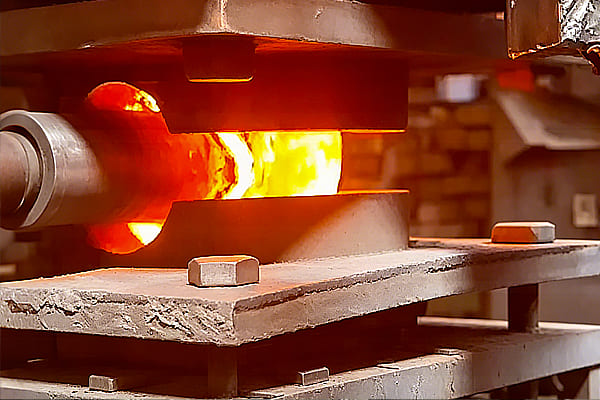
Integral forging
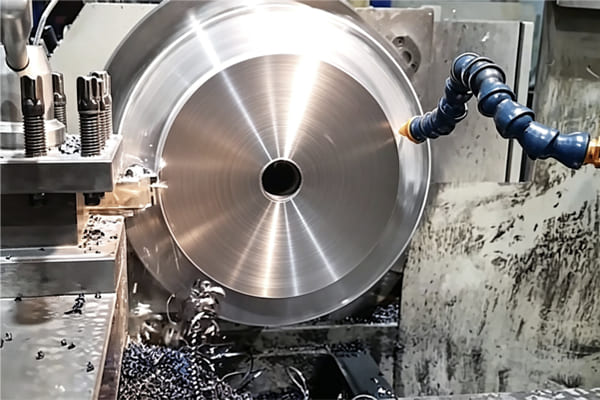
Turning
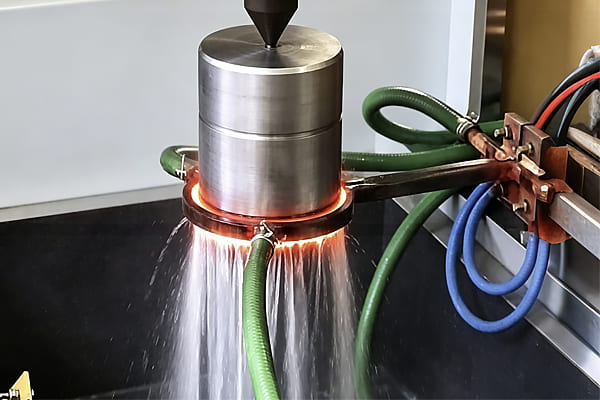
Induction hardening
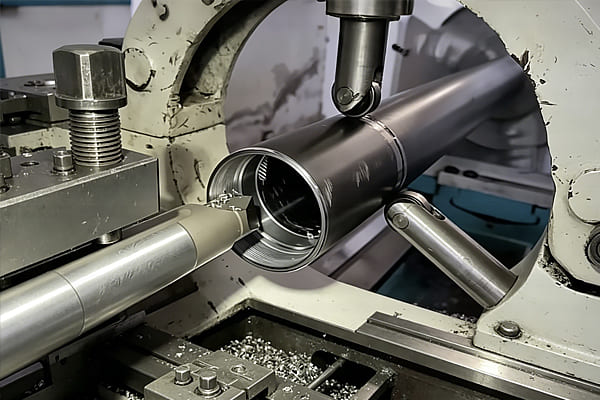
Cylinder barrel turning
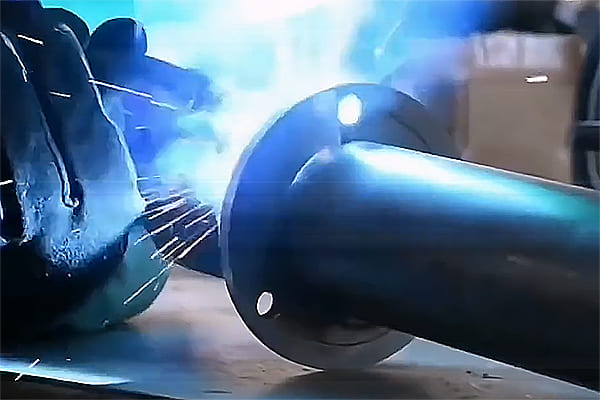
Welding
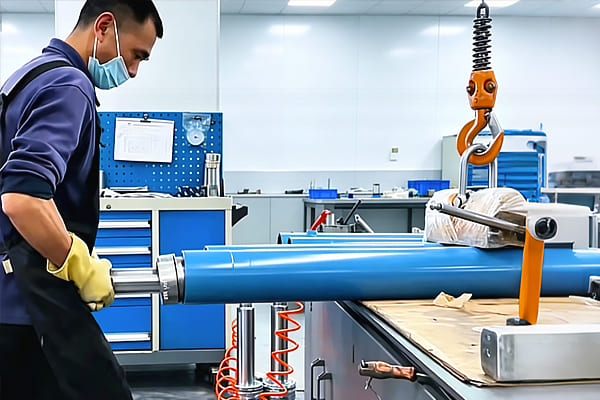
Assembly
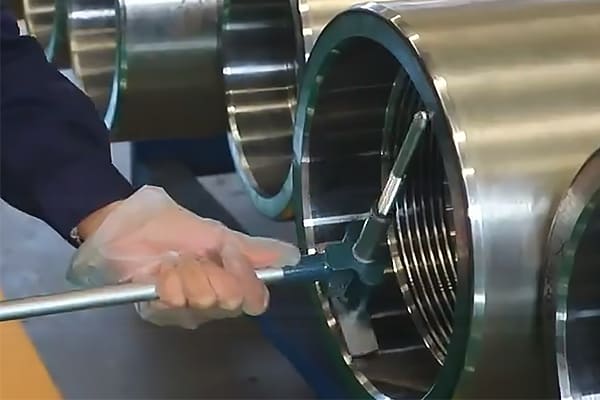
Dimensional measurement
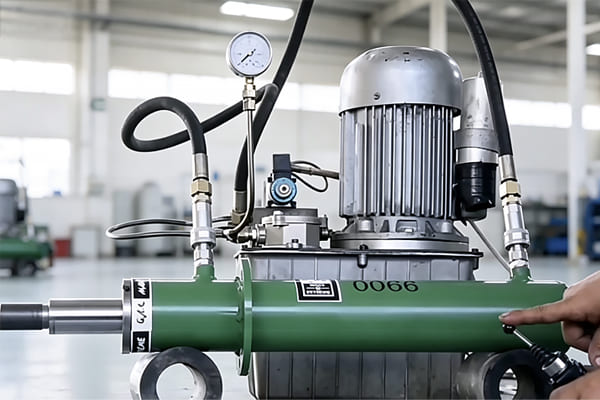
Pressure test