
Hydraulic Cylinder Cleaning
Get An Instant QuoteStrict Cleaning Process
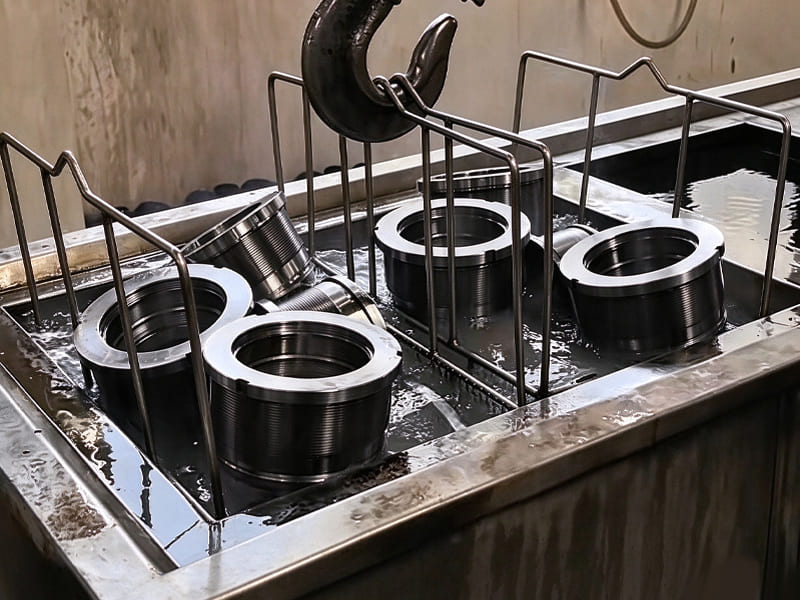
1.High-pressure Cleaning of Parts
The first step in the cleaning process, we carry out high-pressure cleaning for all parts. We use high-pressure spraying, ultrasonic cleaning or rotating spray nozzles. For high-pressure spraying, we use strong water jets to wash contaminants directly off the part surface. For ultrasonic cleaning, we rely on liquid vibration to shake fine contaminants out of narrow gaps. With rotating spray nozzles, we feed them into holes to spray water as they spin. We focus on areas where contaminants easily build up, such as the inner walls of the cylinder barrel, piston rods, oil ports, cross holes, threads and welds.
Besides, cleaning agents are not universal, so we pick them according to the part material. For metal parts, we use kerosene or special hydraulic cleaning oil. These two liquids dissolve grease well and clear oil stains stuck on metal parts. When we use kerosene, we take explosion-proof measures to prevent fires. However, we cannot use kerosene for rubber seals. We have to use suitable cleaners instead. For materials like nitrile rubber, we use specialised water-based cleaners to stop swelling and deformation. After we finish cleaning, we rinse the parts and blow them dry with an air gun to remove sludge and leftover cleaning liquid.
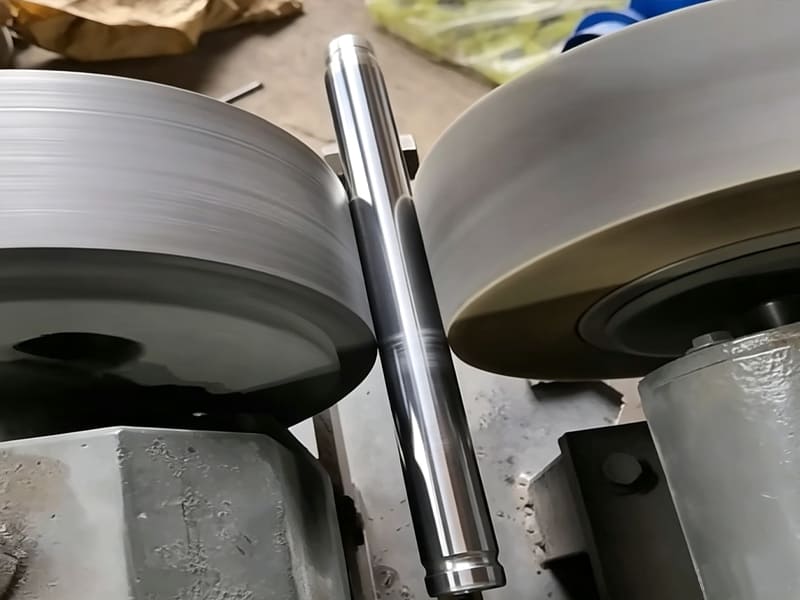
2.Full Removal of Burrs, Iron Chips and Welding Slag
3. Cleanliness Inspection
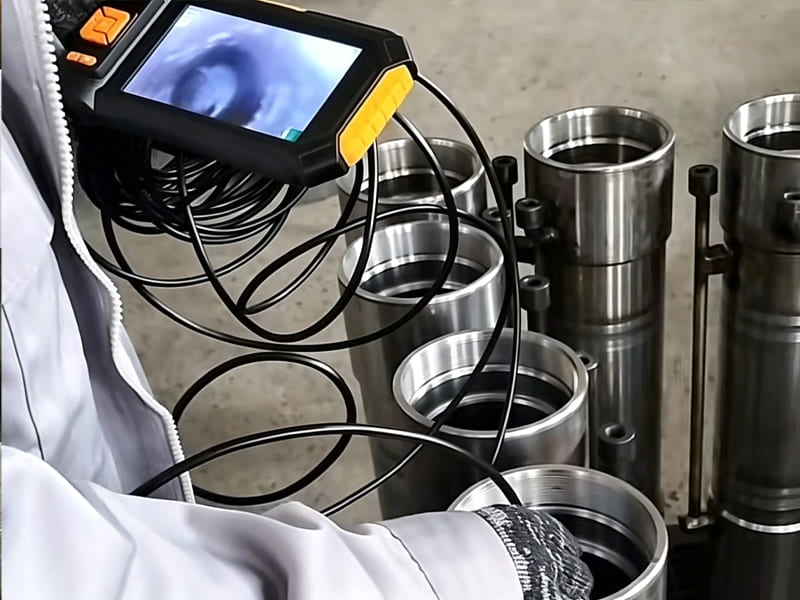
The third step, we do cleanliness inspection. For high-end marine and construction machinery cylinders, we run dedicated cleanliness tests following customer requirements or standards marked on drawings. We carry out this test before assembling the parts. We focus on the inner bore of the cylinder barrel, oil ports and piston rods. We flush the inside of the parts with cleaning fluid to carry out fine residual particles. Then we collect the flushed liquid, and use a filter membrane to catch contaminants. We weigh the contaminants on the membrane to measure the amount of impurities inside, so we can check if the part meets the cleanliness standard.
Besides this, we wipe key surfaces with white cloth or white paper. The part passes only when no metal chips show on the cloth or paper. We also use a borescope to look inside the parts and help us verify how clean they are.
4.Drying and Dust Protection
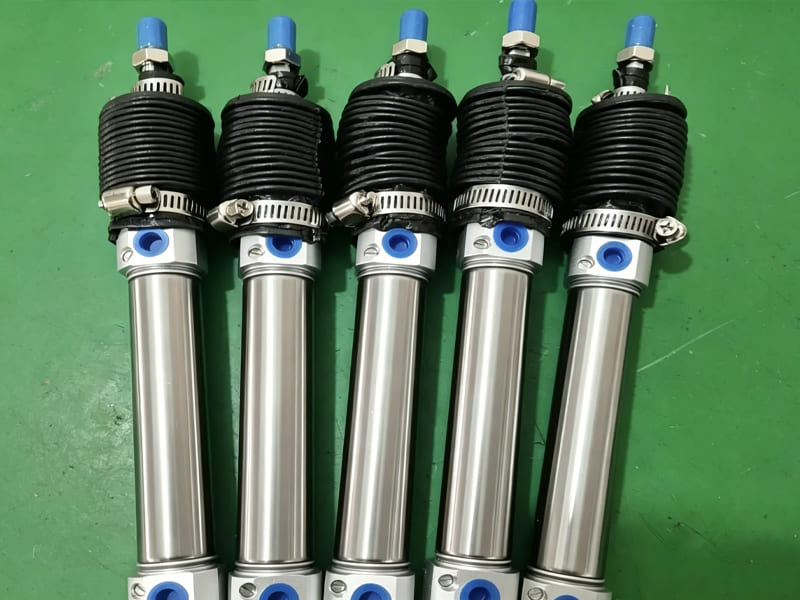
The fourth step, after we finish cleaning, we dry the parts and add dust protection to avoid recontamination. We do all this work inside our clean assembly area. We clean all tooling ahead of time. Our staff wear gloves at all times. This keeps sweat and hand dust off the part surfaces and stops dirt from getting onto parts. We blow the parts dry with high-pressure air from our air compressor. The air is pre-filtered to remove water and oil, so oil or moisture in the air will not contaminate our cleaned parts. After drying, we fit plugs into oil ports and threaded holes. We put dust caps over sealing surfaces. Then we wrap the chrome-plated section of the piston rod with protective material. This keeps dust out and prevents knocks and scratches to the chrome layer during later transport.
After cleaning process, they will be the assembly process, it includes sealing system assembly and the whole cylinder assembly.
Leveraging our full in‑house manufacturing capacity, we are ready to develop custom hydraulic cylinder solutions for your project. Please get in touch with us today.