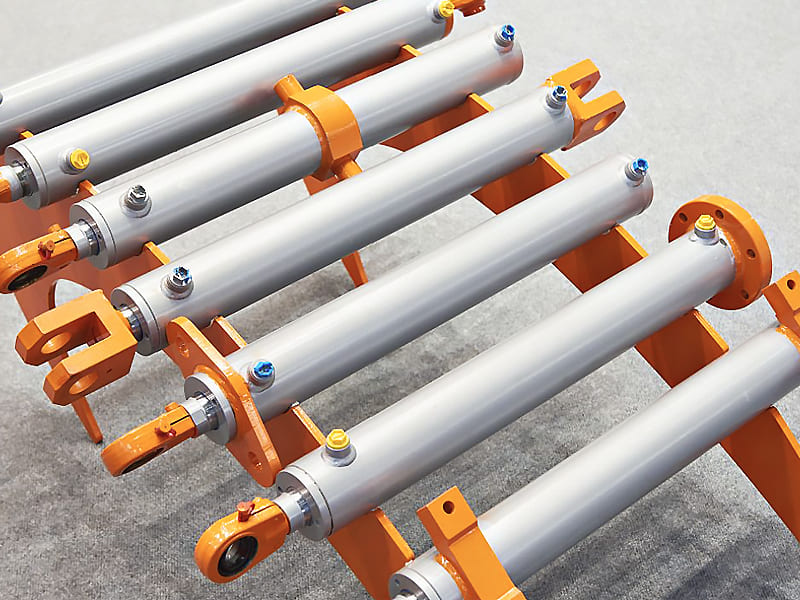
Machined to ±0.02mm precision and tested at 1.5x working pressure before shipment.
MOQ starts from only 1 piece.
Upload your specs or drawings today for a engineering review and quote.













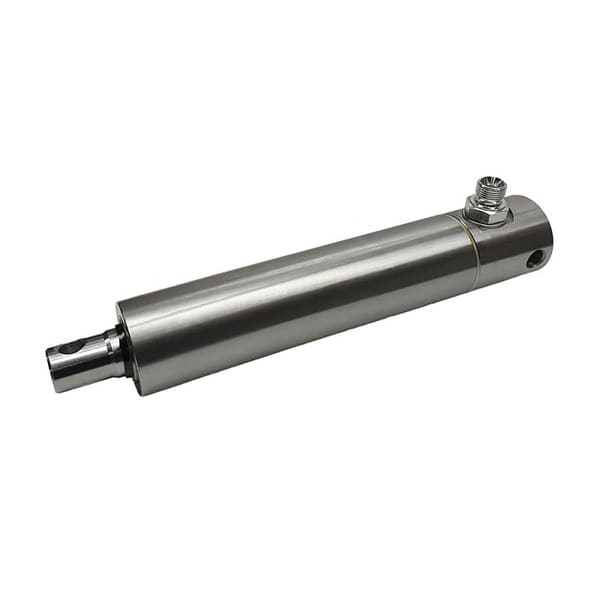
Single acting cylinders have only 1 inlet port to push the piston rod forward, there are 3 ways of returning.
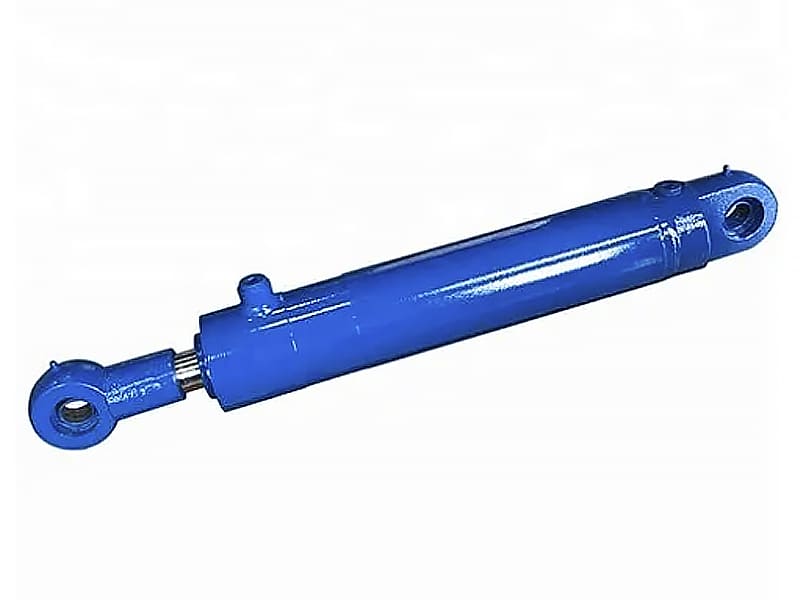
A single acting hydraulic cylinder with gravity reset relies on the piston rod's own weight or an external forces to go back to it's original position. The structure is more simple than double acting cylinders, with only one oil inlet, one-way seals needed on piston, least components. So the production cost is lower, and it's more reliable, with low failure rate. Suitable for vertical or steeply inclined installations. Because if installed horizontally, it cannot retract on its own. Dumping trucks is a typical application.
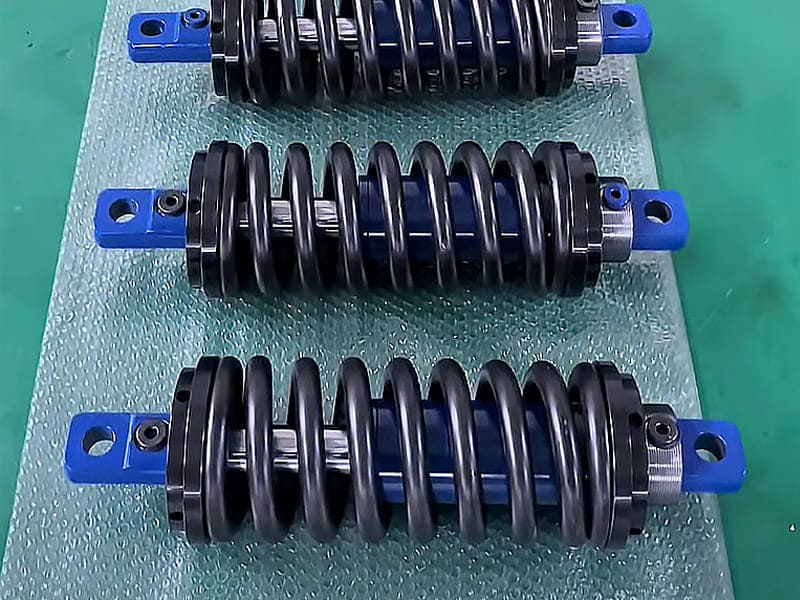
A return spring is installed around piston rod, inside the tube. When the cylinder extends, it compresses the spring, and when pushing pressure stops, the spring pulls the piston rod back. The advantage is that the cylinder can be installed in any angles. The disadvantage is because the spring occupies space, the stroke is shorter than other cylinder. Also, the spring will be fatigue and has the risk of breaking after many times use. This design is commonly used in small automated clamping devices.
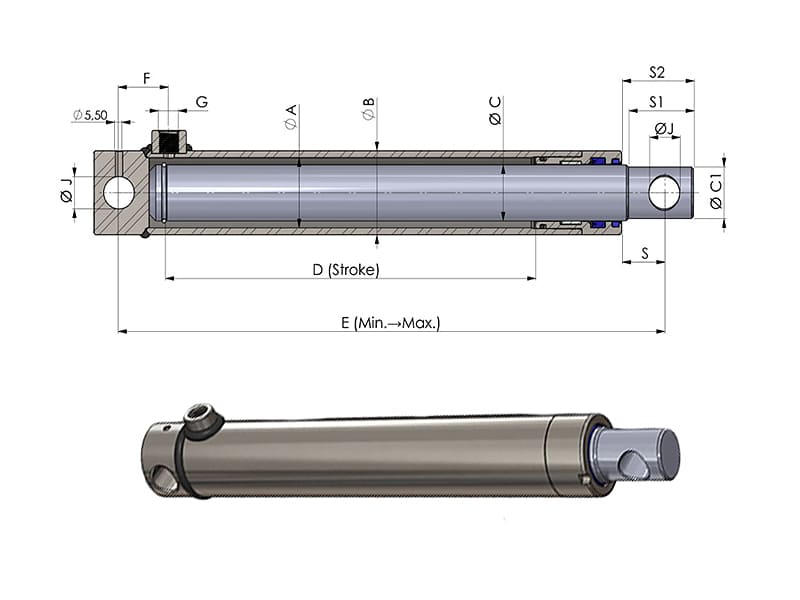
The single acting ram cylinder does not have conventional piston. A single thick ram rod serve as the function of piston and rod, the oil pushes the ram forward directly and it slides along the guide bushing and also returns on it's own weight. Since the ram rod does not touch the cylinder bore, the bore does not need to be honed. With the simple structure, a lot of cost is saved. And it has strong resistance to side loads. Perfect for harsh, dusty conditions such as crane outriggers, with its stability and service life.
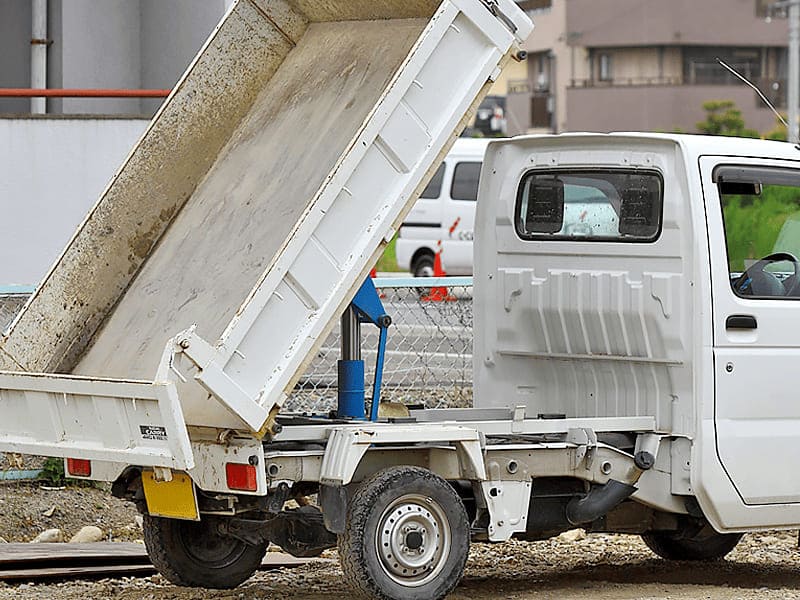
The single acting telescopic cylinder on dumping truck is a typical application of gravity-return single-acting hydraulic cylinder. When unloading, the cylinder lifts the truck body with the power of hydraulic oil, cargo falls out. To retract the cylinder, just turn on the return oil valve, the truck body will fall down with it's own weight, no need extra power. This structure saves the complicated two-way pipelines, save the chassis space and more reliable under heavy loads.
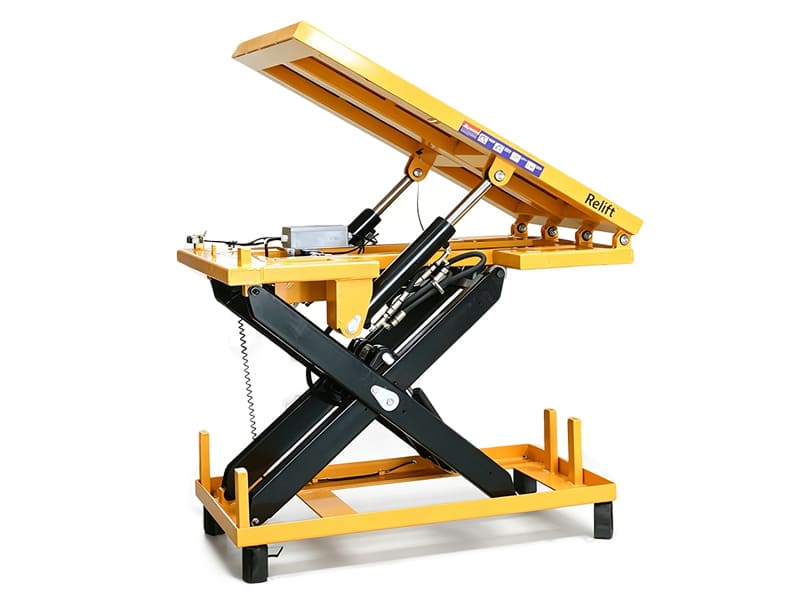
The single-action cylinder is installed on the scissor lift platform obliquely at the bottom of fork frame. When it ascends, piston rod extends and raise the platform through the lever principle. To descend, just turn off the hydraulic power and adjust the proportional oil valve, then the platform's own weight is turned into the pressing force and push the oil from cylinder back to the tank. This saves extra power for downstroke. The platform will descend smoothly even when a power cut happens.
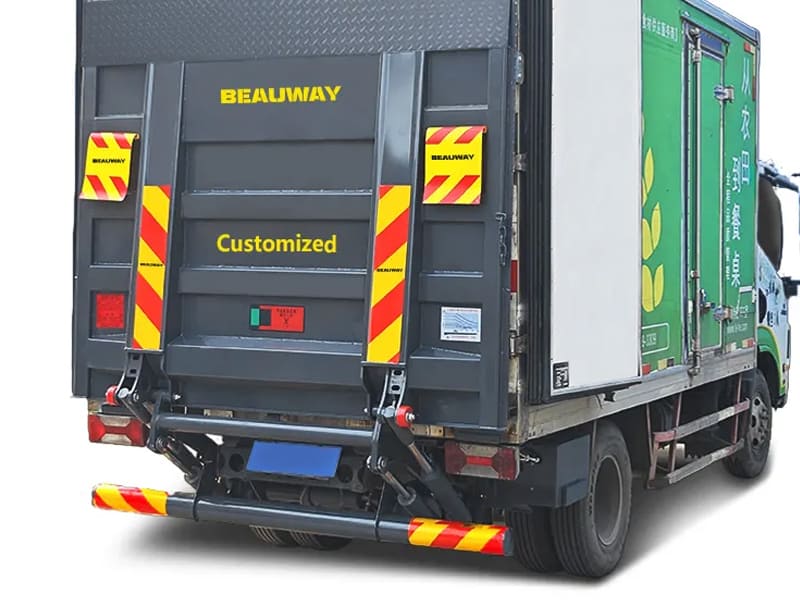
The rear bottom of truck chassis is very limited, a single-acting cylinder for the trailgate helps save space. The cylinder is used for lifting the trailgate from ground to the truck bed. When opening or lowering the tail lift, it's own weight will push the hydraul oil from cylinder back to tank to achieve the downward folding. Single-acting structures saves one oil pipeline and inlet, this makes the cylinder size smaller, fit the truck chassis more smartly and reduces pipeline leakage.
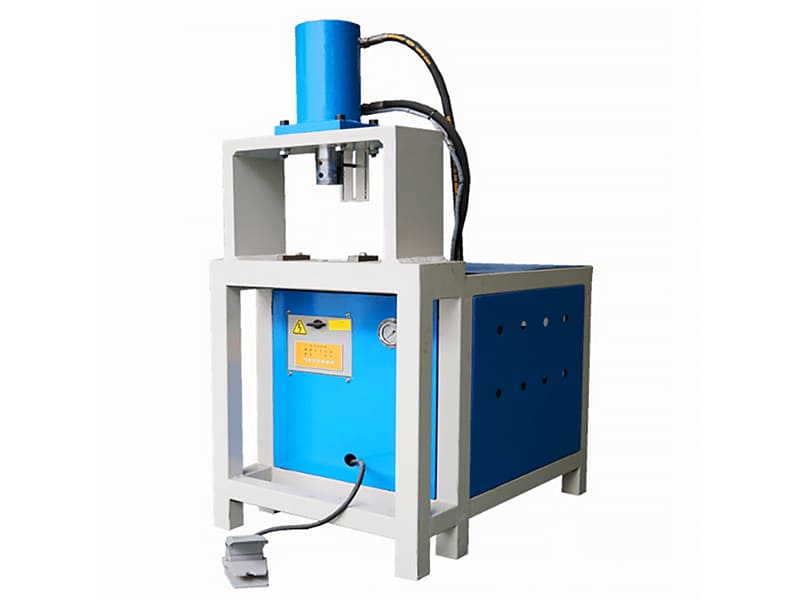
The cylinders in presses and forming machine work as the main pressing force, they provide tens or hundreds tons of pressure in the punching. No forces needed in the backstroke, a stretchable spring outside the cylinder is enough to pull the piston rod back, so a single-acting structure cylinder is good. This saves complicated internal two-way seals, saves one oil inlet port or pipe, more reliable and resistant to high-frequency impact.
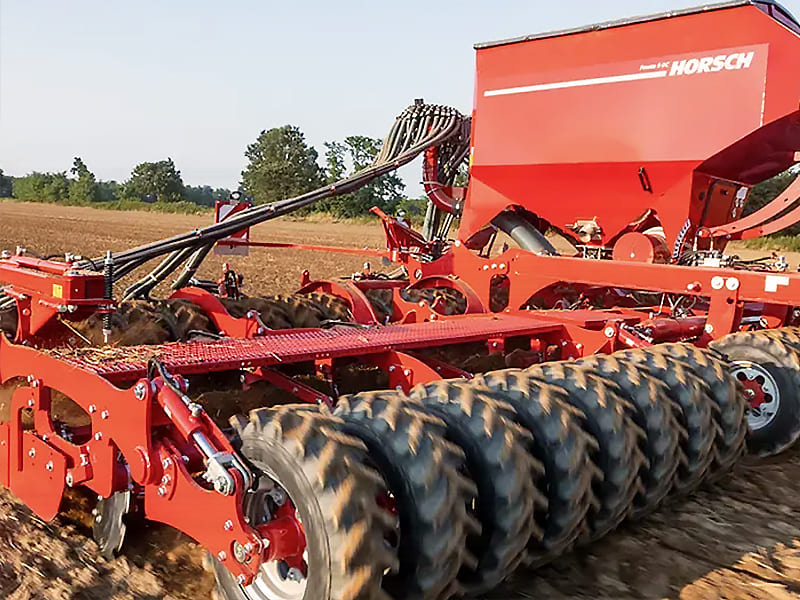
Tensioning cylinders on agricultrual machinery are mainly on the folding mechanisms of the wings on two sides like plows and seeders. Hydraulic power makes the cylinder to extend and the wings are unfolded. When the wings fold, their own counterweight work as external forces to pull the cylinder back. The single acting cylinder has more simple structure, less oil pipe, the risk of pipeline damage from mud, straw or debris in the fields is much reduced, more durable and reliable.
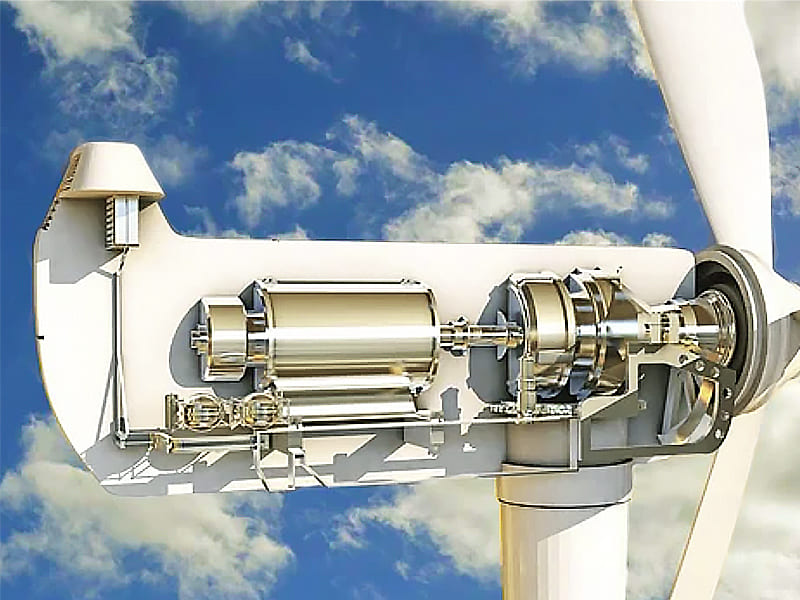
Spring-return single acting hydraulic cylinders are also used on the locking system of wind turbine blade. It's used for locking the blades in storm weather or when the device needs to be maintained. During working time, hydraulic system pulls the locking pin back to unlock so the blade can work. Once there is a failure, power outage, the power of the preloaded heavy-duty spring will be released and push the locking pin to the lock hole, and the system is locked for safety protection.
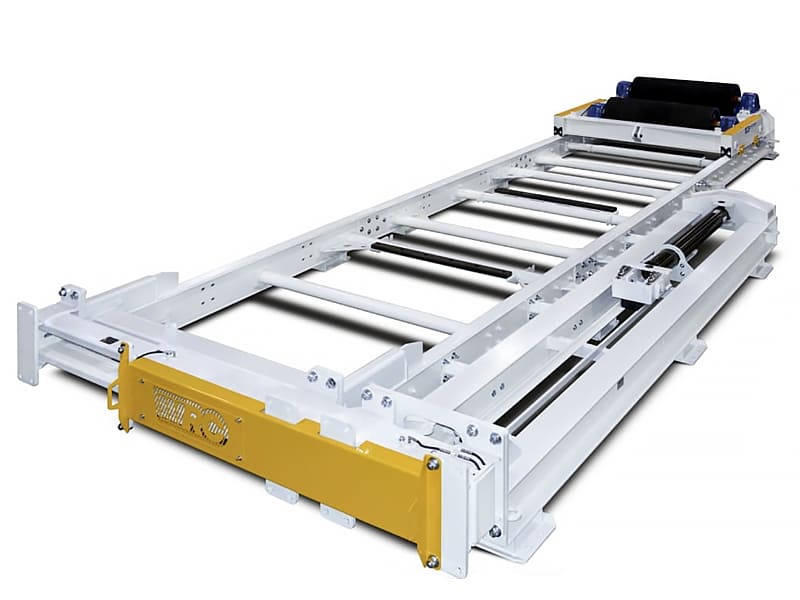
Single acting hydraulic cylinders are also used in belt conveyor tensioning systems. It provides consistant and constance one-way tensioning forces. Hydraulic oil from accumulator into the cylinder and keeps pushing the roller outward. When there is a heavier load on the belt and make it too tight, the load will push the piston rod backward. When the belt has less load and it get loose, the oil from accumulator will be pressed back to cylinder, make the belt more tight again. This one way adjustment mechanism simplifies control system and perfectly adapts to conditions of 24-hour continous operation.
As one type of thehydraulic cylinder single-acting, spring-retract cylinder often have complaints after long time use: spring degradation causing piston not fully returned or even break. Two reasons: spring compression stroke designed too tight and low quality spring steel used.
At Hydroforce, we make sure the spring is compressed only 75-80% of it's max compression rate at the cylinder's maximum stroke, to leave enough safety space. This is done at the design phase. We also select high quality spring steels including 60Si2Mn or 50CrVA, and they will undergo shot peening treatment to enhance their fatique strength.
We also suggest add anti-dust valve or anti-corression coating to avoid dusts and moisture from outside to rust the spring. These actions ensures you cylinders performances after tens of thousands operation cycles.
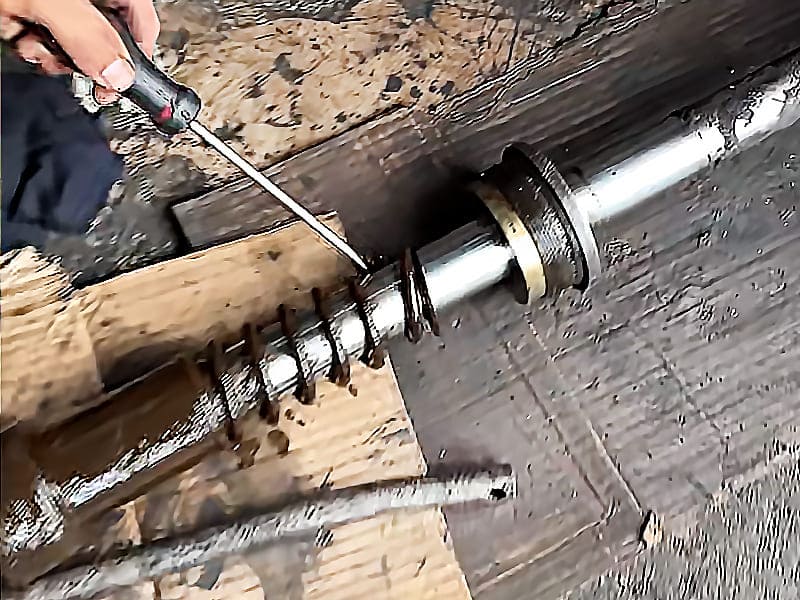
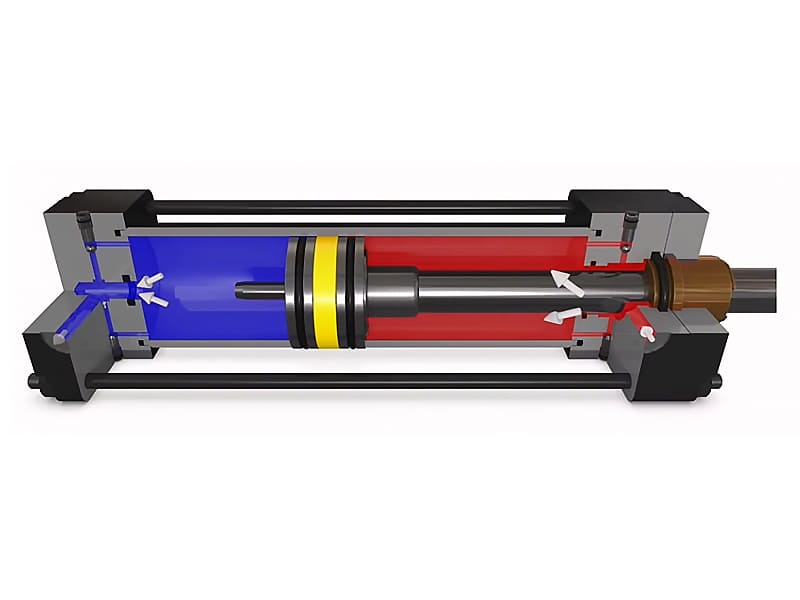
Unilateral wear is a pain point of ram cylinder, a special type of single-acting hydraulic cylinder. The ram moves along the guide bushing at the cylinder head. When lateral forces come, the ram acts like a lever against the bushing and causes unilateral wear. Eventually the seals are damaged and leaking starts.
Hydroforce improves in 3 aspects: A) Increase guide bush length considerably to distribute lateral load pressure. B) Make the bushing in high strength and wear resistant copper alloy instead of cast iron which is brittle and not impact resistant. Under heavy loads or lateral forces, it score the piston rod or even crack itself. C) Make the induction hardening depth to 1.5-3mm, depends on ram diameter, ensure surface hardness reach HRC55. Hard chroming thickness to 30-50 microns, cheap rods only reach 15-20 microns in the market.
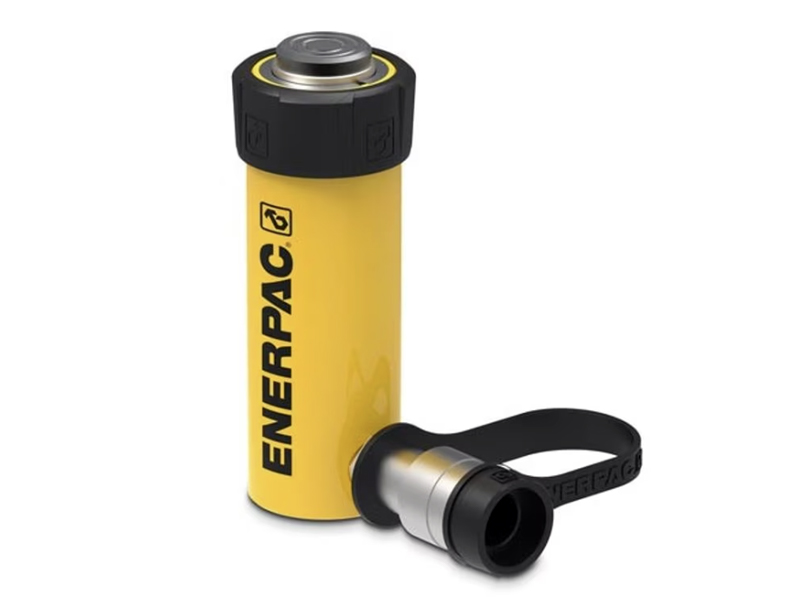
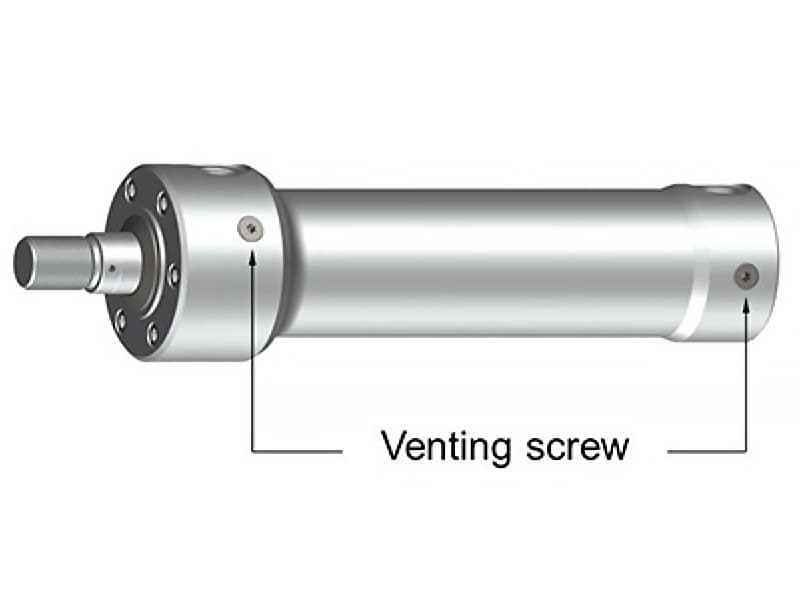
Air vent contamination is a threat to single-acting cylinders as they have breather plugs on the non-pressure side to draw in outside air when retracting. However, in dusty environments, the fine dust and sand also come inside the barrel. They scratch the seals like sandpaper and tube, soon the cylinder starts to leak.
At Hydroforce, we install high- precision sintered bronze filter at the breather port to block dust in normal conditions. Just regluarly blow the plug from inside or replace it. And for severe environments like mining operations, we recommend an oil-breathing circuit design. That is to connect the breather port to hydraulic tank, so the cylinder draws in clean system oil or air, no outside air and dust, to keep barrel clean and seals safe.
Single-acting cylinders are widely used in agricultural machinery, with rust being a common issue. After a busy working season, these cylinders often sit idle outdoors for months. Moisture and salt penetrate the microscopic pores on the piston rod and barrel, leading to corrosion. When the machine is used, rust spots quickly damage the seals.
To address this problem, we adopt the double-layer micro-crack chrome plating process. The microcracks in the two layers are offset from each other, creating a layered sealing effect that completely blocks the pathways for moisture and salt. If customers operate in very harsh environments, such as seaside locations, we recommend upgrading the piston rod material to 431 or 304 stainless steel to prevent rusting.