
Low Pressure Hydraulic Cylinder Manufacturer
Every cylinder undergoes a 1.25-times rated pressure holding test before delivery.
MOQ starts from 1 piece and the lead time is 7-15 days.
We will review your drawings and requirements for production and provide a detailed quotation.
Brands We Serve in Hydraulic Industry











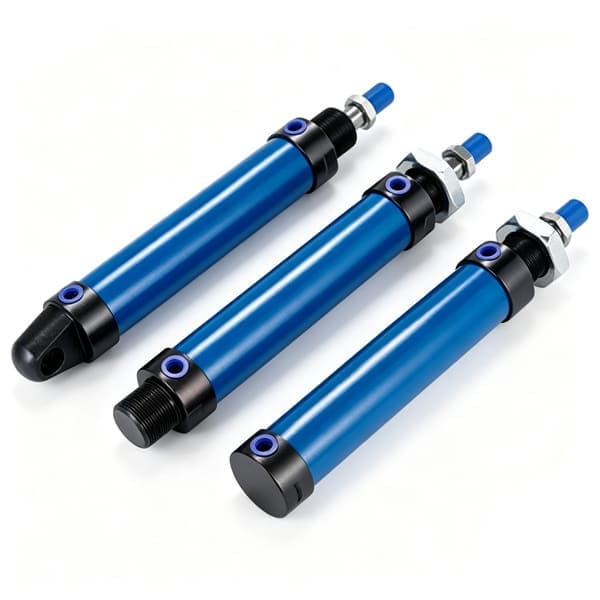
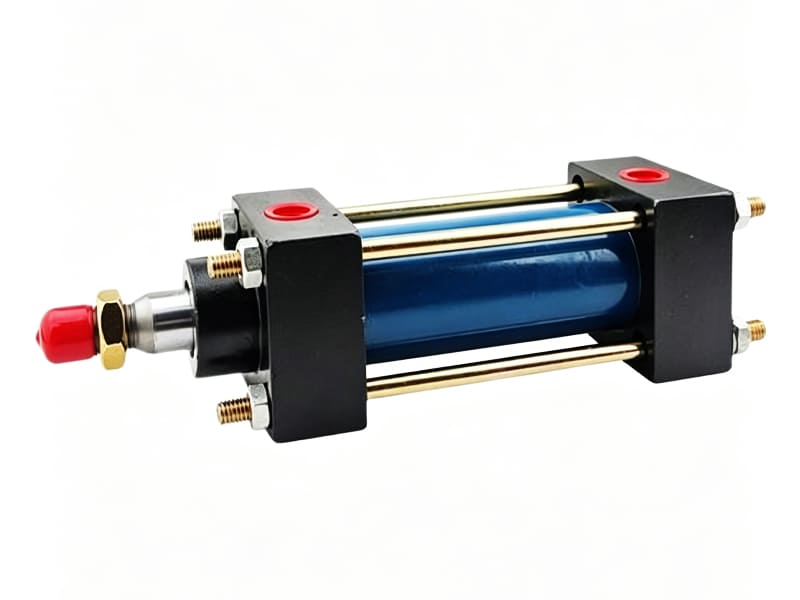
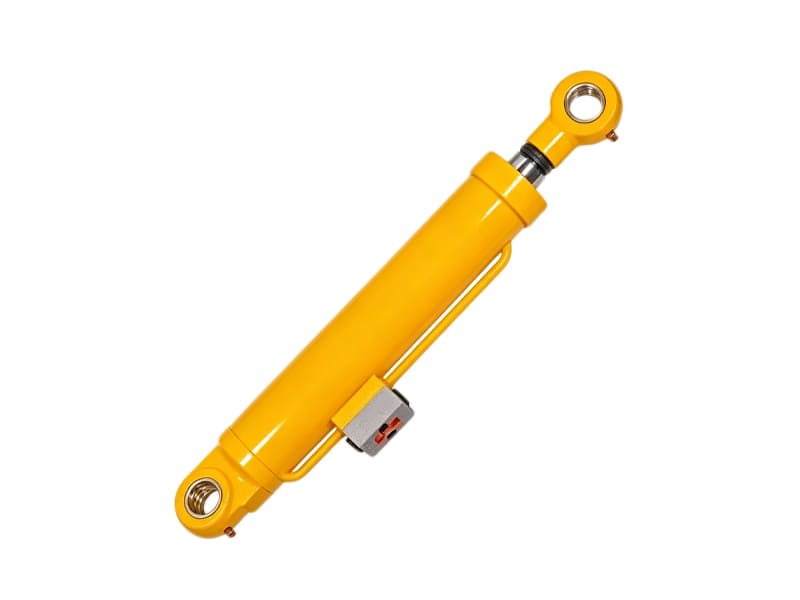
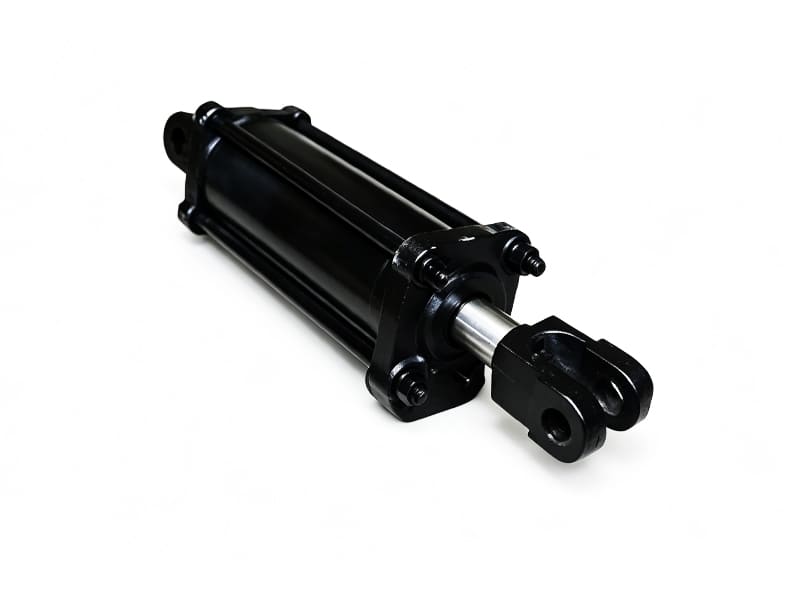
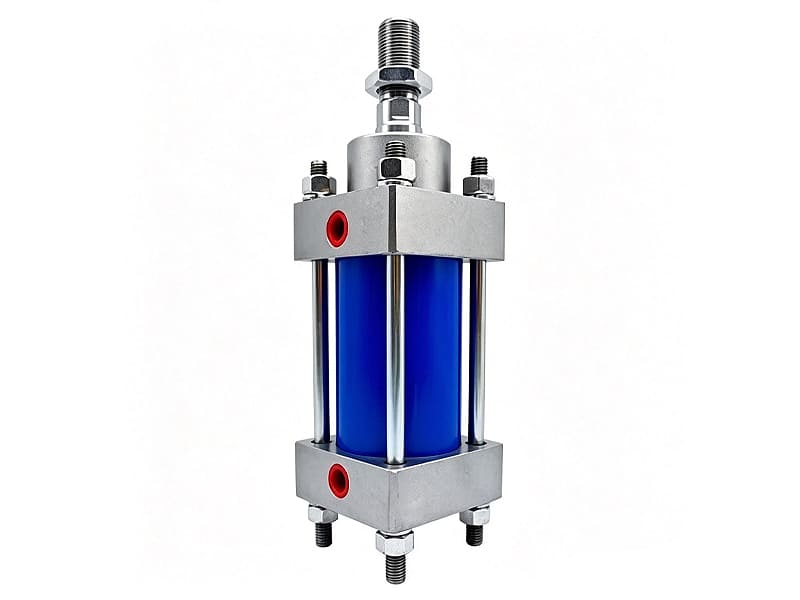
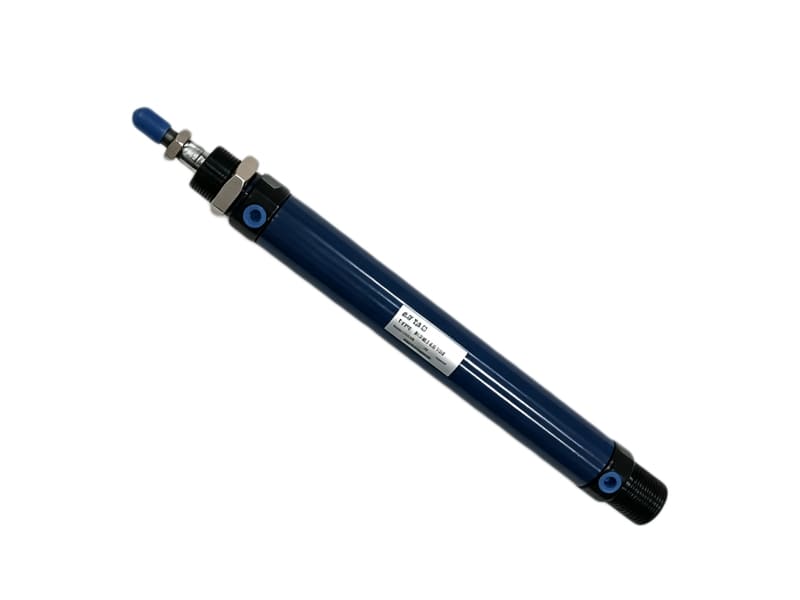
Low Pressure Hydraulic Cylinders
Low-pressure hydraulic cylinders use oil pressure to push the piston, converting hydraulic energy into mechanical energy. They mainly perform linear motions like pushing, pulling, lifting, or positioning. Their working pressure is generally below 70-100 bar. They are widely used in light-load actuators like industrial automation equipment and agricultural machinery.
Low-pressure hydraulic cylinder’s material selection complies with both Chinese and international standards,wall thickness is calculated based on working pressure and safety factors, cylinders are built as light-weight as possible without sacrificing safety. The piston rod is made from 35# or 45# seamless steel tube. After machining, it goes through quenching and high-temperature tempering to improve strength and toughness, so it resists deformation under load.
We have precision boring and honing processed, and we strictly control seal installation to ensure reliable sealing and extend the cylinder’s service life. Custom production is available according to your drawings.
Your Reliable Supplier for Low Pressure Hydraulic Cylinders
Compared with high-pressure hydraulic cylinders, low-pressure one’s work under lower pressure. They have thinner barrel walls, smaller piston rods and light compact overall structure, making them easy to fit into equipment with limited space. They also require high precision in friction surfaces and fit clearances.
We have many years of experience manufacturing low-pressure hydraulic cylinders, serving industries including agricultural machinery, automated equipment and material handling. We make special treatments for equipment from different industries, for example, on lifting platforms where multiple cylinders need to lift together, we strictly control the bore size to keep fit clearances consistent. We also use precision boring and roller burnishing to get a smooth surface that reduces friction and improves synchronization.
We can produce custom cylinders based on customer drawings and real-world working conditions, and go through professional technical review. We'll review the optimization suggestions if needed to ensure stable and reliable cylinder performance.
Low-Pressure Hydraulic Cylinders
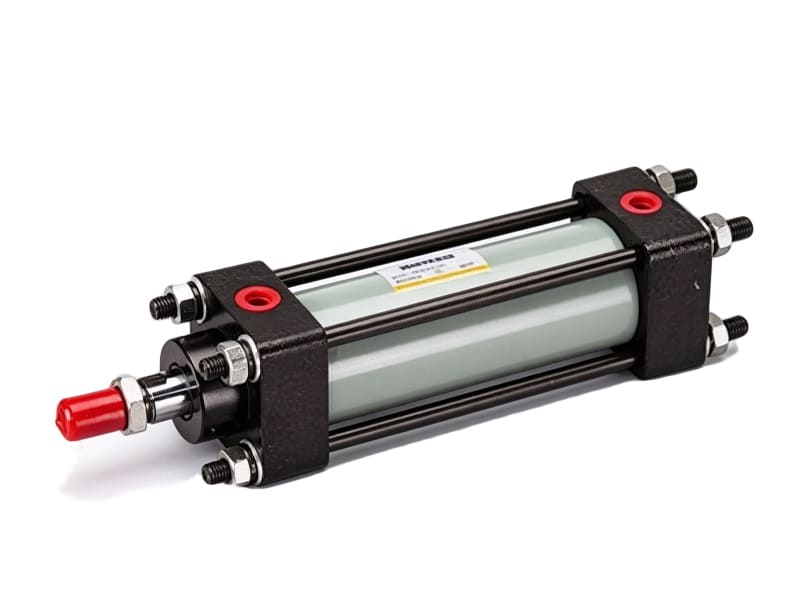
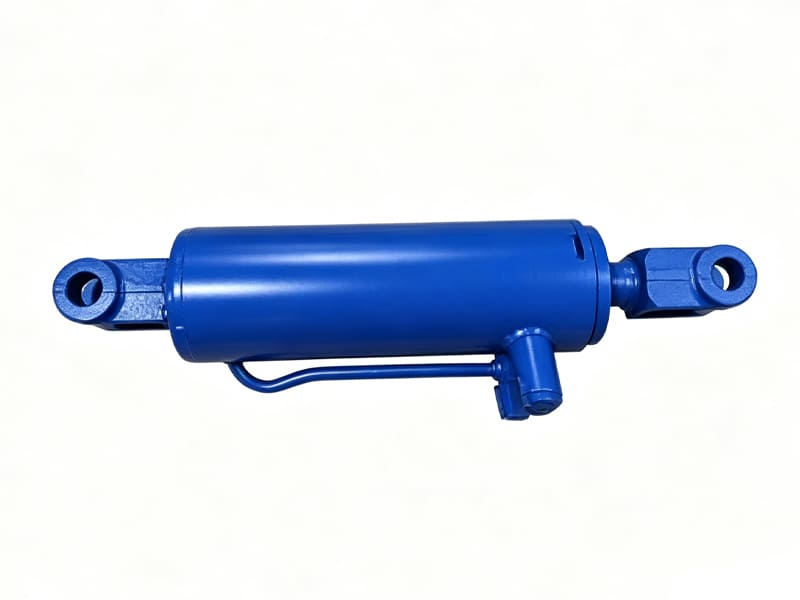
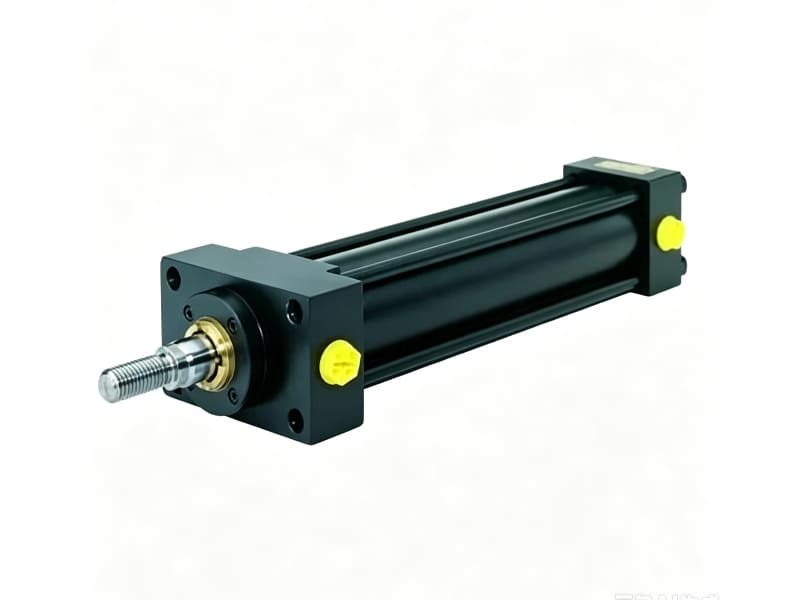
Applications of Low-Pressure Hydraulic Cylinders
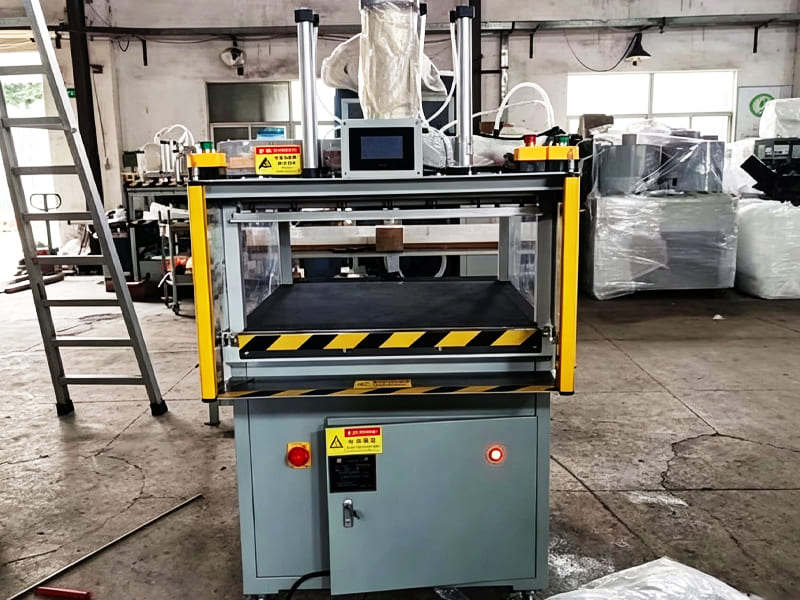
Automated Packaging Machinery
Low-pressure cylinders are used in automated packaging equipment. They mount on the conveyor frame, and hydraulic oil drives the piston rod which has a pusher plate on to extend and retract. When materials arrive, the sensor triggers the cylinder, the piston rod quickly extends to push the goods away and then retracts for the next cycle. Low-pressure cylinders have low oil compressibility, so pressure transfers quickly after direction changes. This makes them well-suited for fast and high-frequency packaging lines.
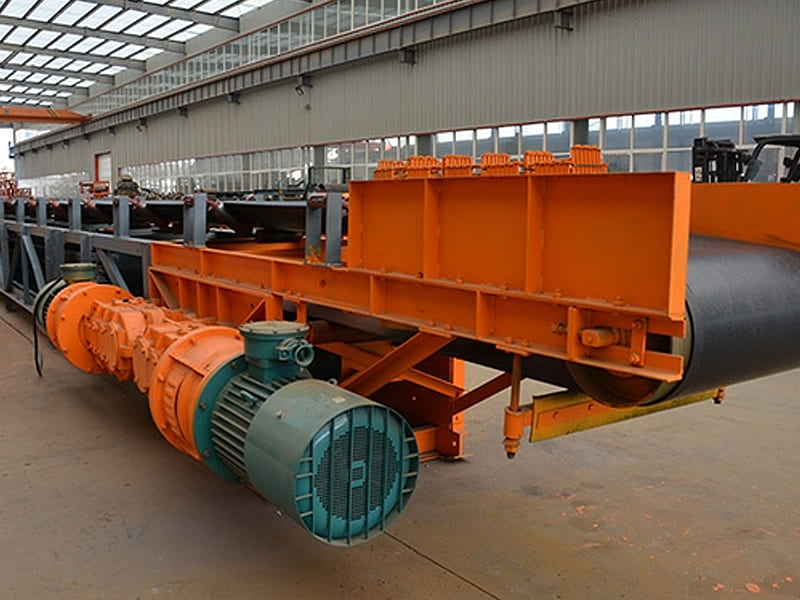
Conveyor Belt Tensioning Systems
Low-pressure hydraulic cylinders are also used in conveyor belt tensioning systems. The cylinder is mounted at the tail end of the conveyor; the piston rod connects to the bearing housing of the tensioning roller. When the piston rod extends, it pushes the roller to move and tightens the conveyor belt. The cylinder has a pilot-operated check valve that locks the oil pressure inside, even when the pump stops, the piston stays in position for a long time, keeping the belt tension steady.
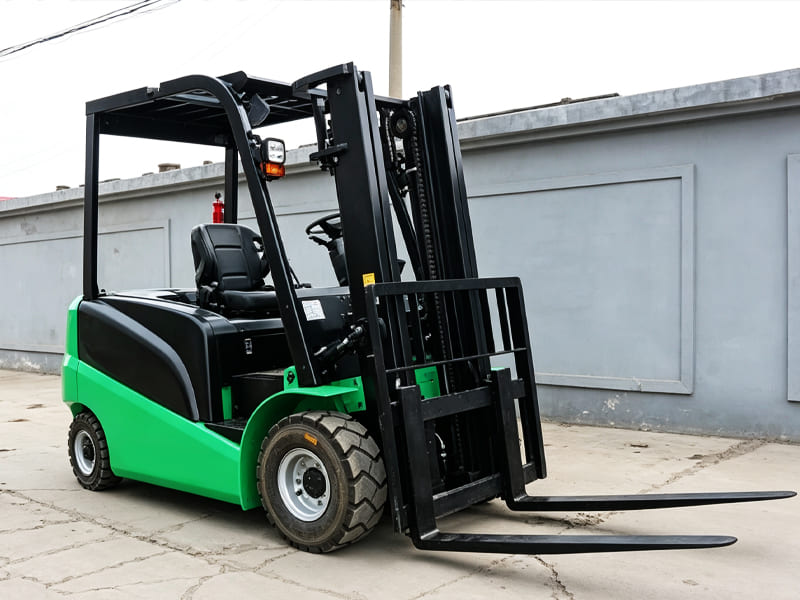
Battery-Powered Forklift Tilt Cylinders
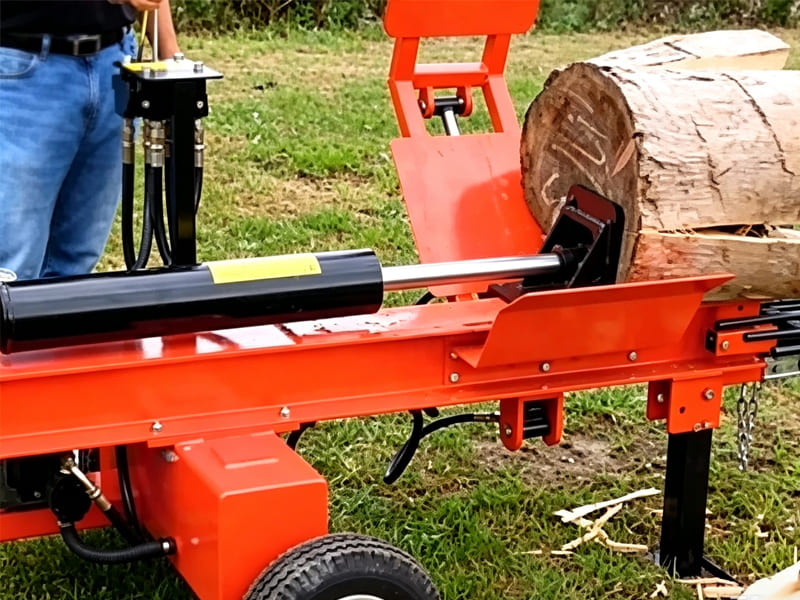
Wood Splitting Equipment
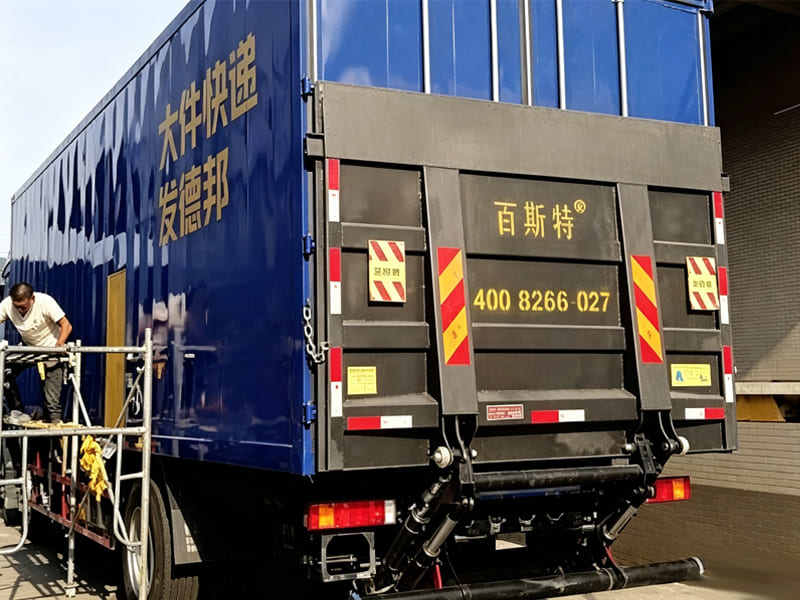
Vehicle Tail Lift Systems
Low-pressure cylinders are used in vehicle tail lifts, it mounted at the rear of the truck. When hydraulic oil is supplied, the piston rod extends and pushes the lifting arm to rotate, raising the tail-lift platform level with the truck cargo bed. The cylinder has compact and lightweight design to reduces the tail lift’s overall weight, it takes up less of the truck’s payload capacity, and allows the vehicle to carry more cargo.
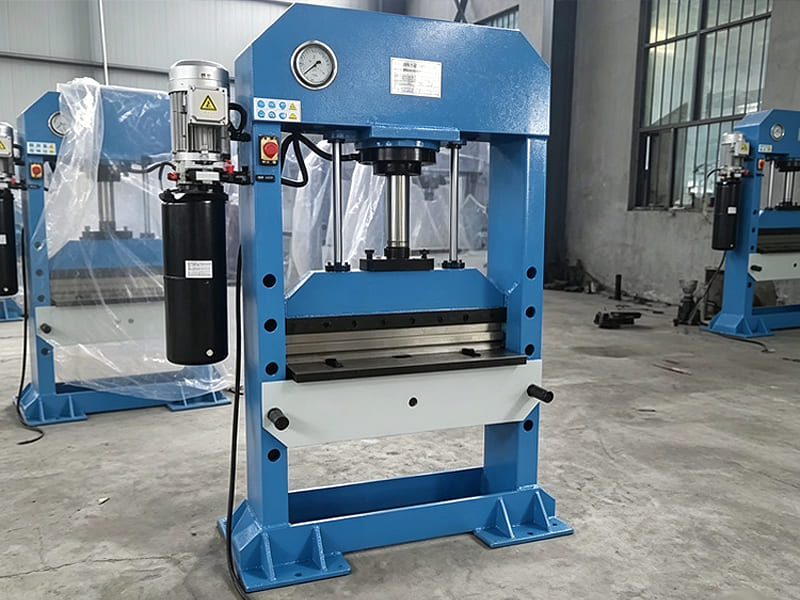
Light-Duty Presses
Low-pressure hydraulic cylinders are used in light-duty presses. They extend the piston rod to drive the slider down quickly. When it touches the workpiece, the speed slows down for pressing and holding pressure. After processing, the cylinder pulls the slider back to its starting position, The hydraulic system has overload protection, if abnormal pressure occurs, such as from a jammed die or stacked material, it automatically releases pressure to protect the tooling and machine.
Insufficient Thrust Under Low System Pressure
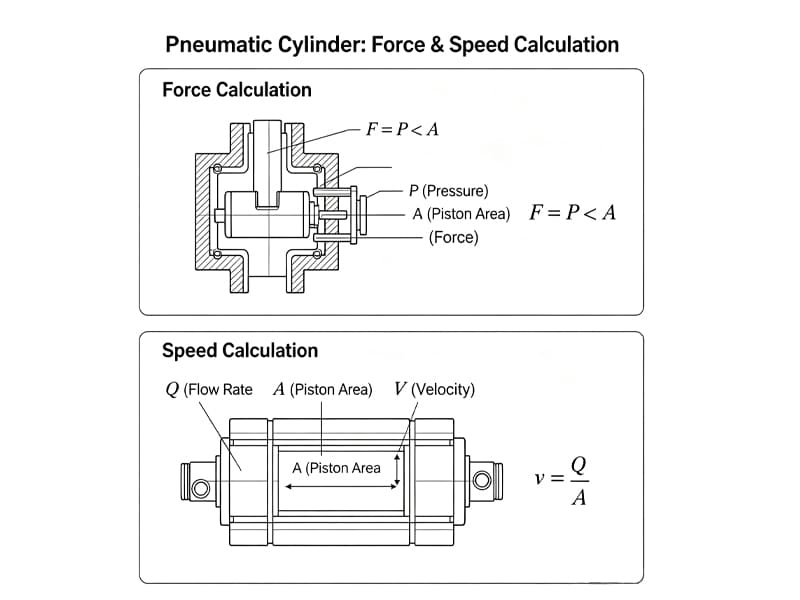
If the cylinder bore was not chosen properly and was made too small, then the cylinder's actual thrust may not be able to withstand the actual working load. This cause problems like lifting, pushing, or pressing not having enough force. Oil seal damage causes internal leakage, and low pressure systems are more sensitive to leaks, which makes the thrust issue even worse.
Before production, we always do a thrust calculation based on your load, pressure, stroke, and other working parameters. If the result is lower than the load force, we will suggest increasing the cylinder bore or raising system pressure to help customers get well matched cylinders. During production, we control the fit clearances and use low friction seal designed for low pressure systems. This reduces internal leakage and ensures that the cylinder delivers enough force.
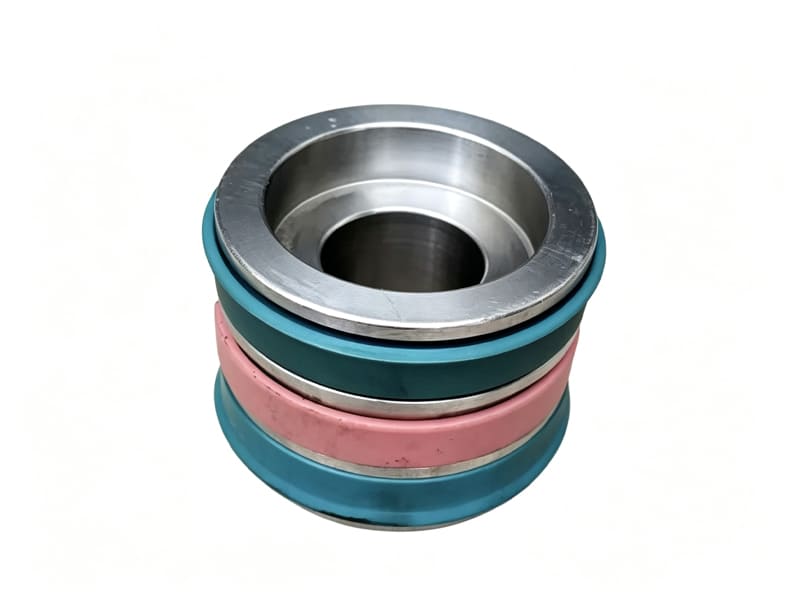
High Seal Friction Prevents Start-Up at Low Pressure
Internal Leakage During Extended Holding Periods
Certifications
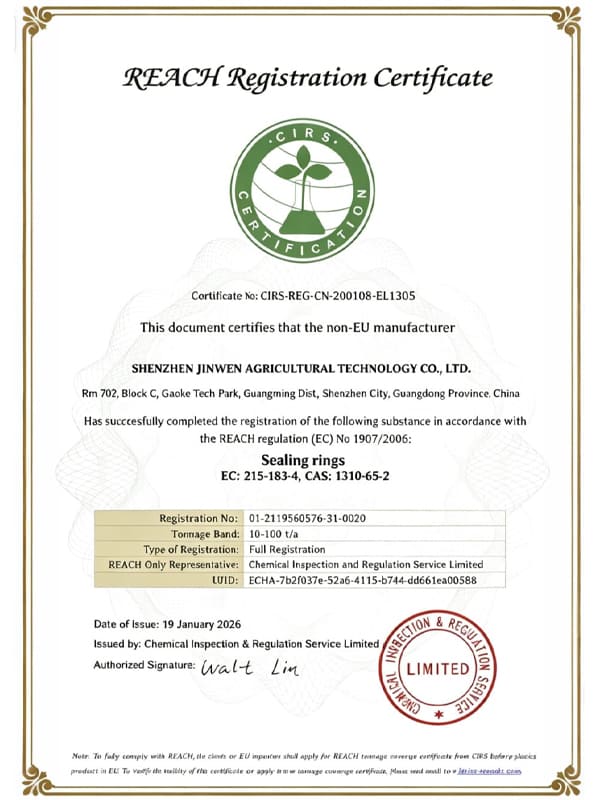
REACH Certificate
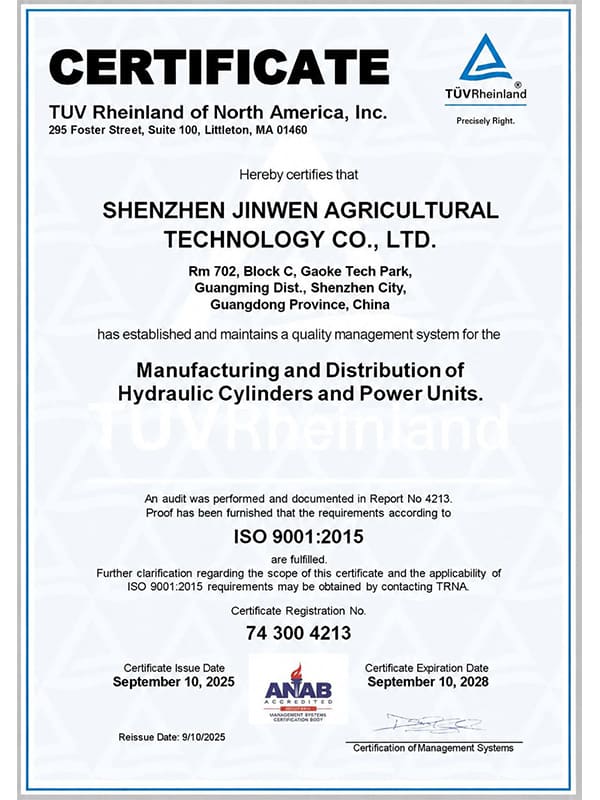
ISO 9001 Certificate
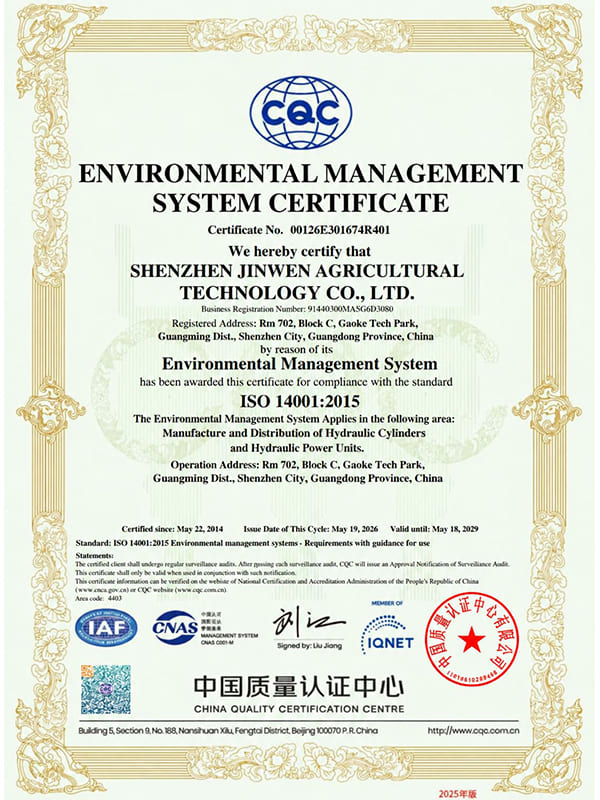
ISO 14001 Certificate
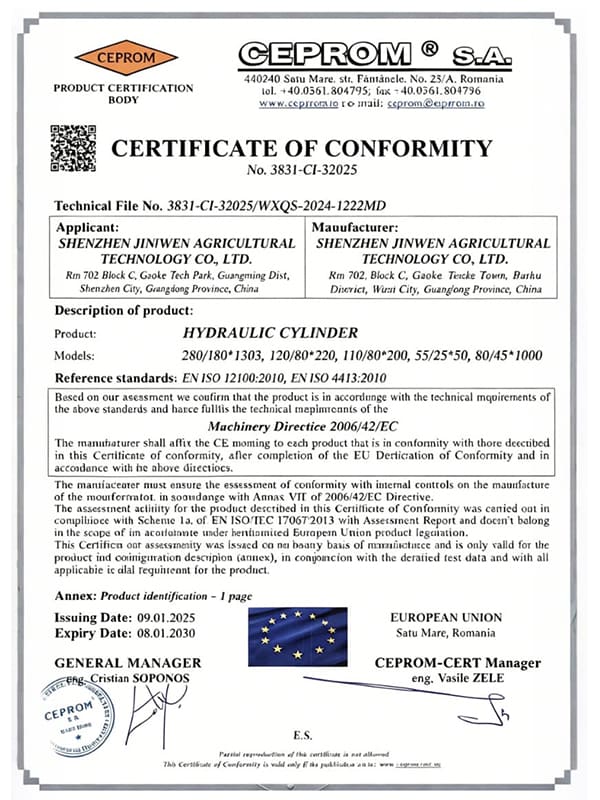
Certificate of Conformity
Why Work with Us
Low-Friction Seals
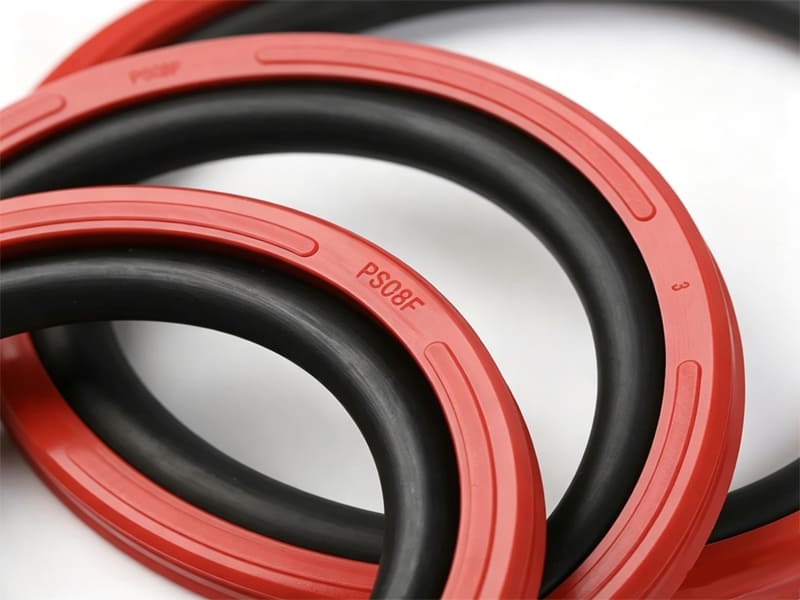
We use seals with a low compression rate and add non-metallic guide rings to keep the piston away from the cylinder bore metal. This cuts down friction. We also use special tools when installing the seals to prevent any damage.
Mass Standardized Production
We use standardized mass production. Cylinder barrels are machined on the same equipment to keep consistent inner-hole dimension, we also measure the outer diameter and match each piston to its barrel individually, to ensures the cylinders all perform the same way.
Standard Seals
All our hydraulic cylinders use standard-size sealing parts that are widely available on the market, customers just need to give us the bore and rod diameters, and they can buy replacements online or in local stores, this makes things more convenient and cuts down waiting time.
Free Sizing Support
We offer free support for cylinder selection, based on key data like mounting distance and barrel outside diameter that you provide, we do the calculations and review, then give you selection advice and reference drawings, helps avoid picking the wrong cylinder.
How to Customize Your Low Pressure Hydraulic Cylinders
Send Your Drawing
Provide us the detailed drawing or physical sample or critical dimensions, working pressure, mounting details.
Working Environment
Whether the cylinders works in high temperature, humidity, salt spray, dust and high frequency, pressure.
Get Quick Quote
We review all details of drawing and requirements and provide optimization suggestions with our experiences if necessary.
Production Procedure
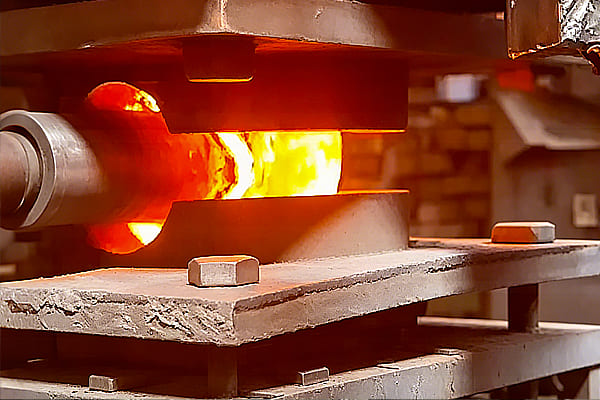
Integral forging
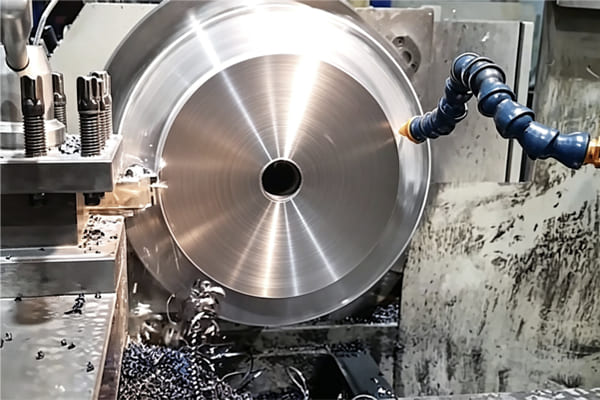
Turning
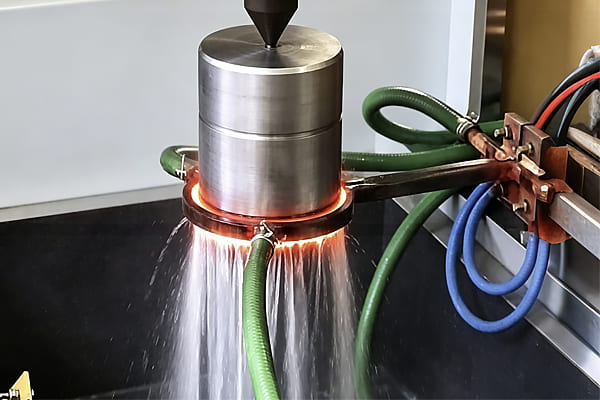
Induction hardening
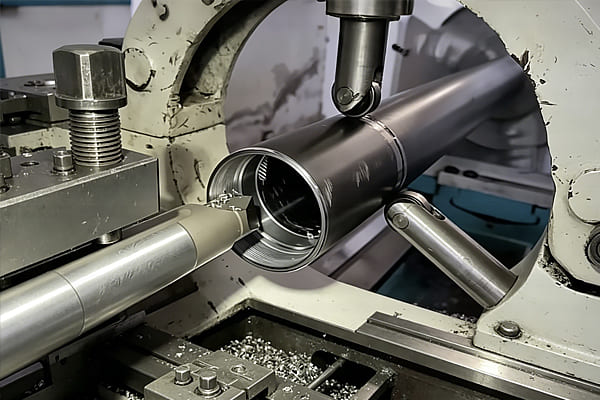
Cylinder barrel turning
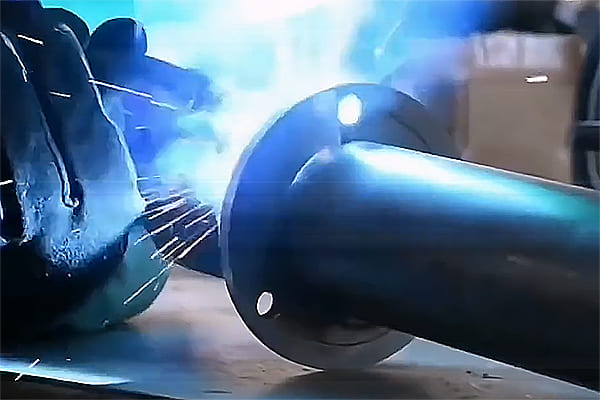
Welding
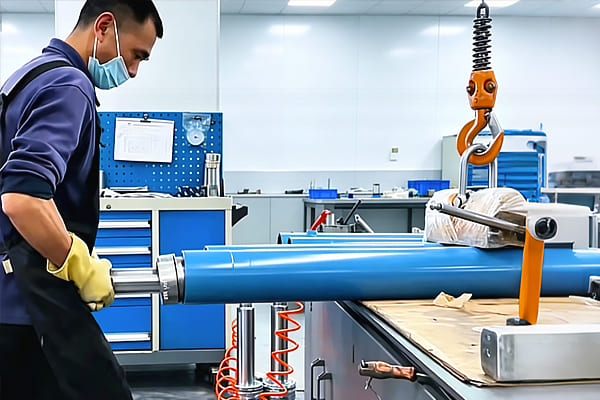
Assembly
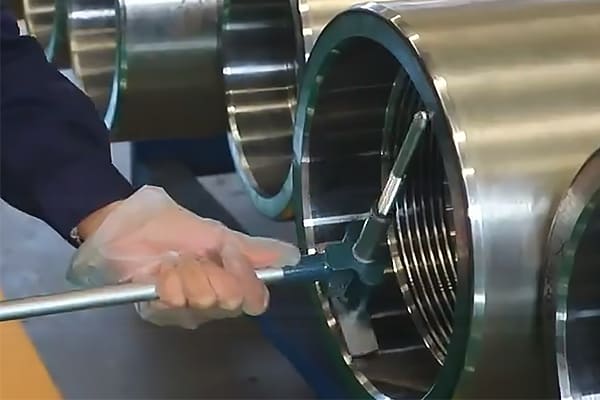
Dimensional measurement
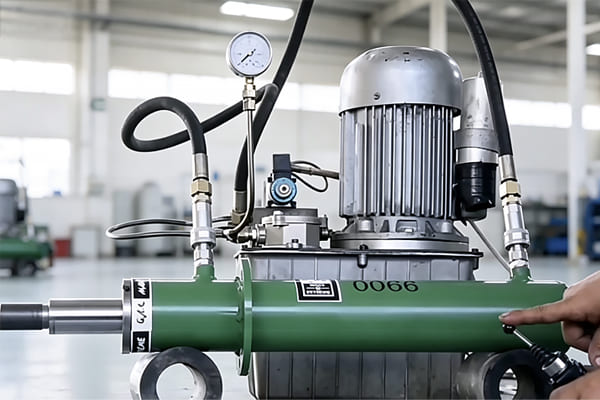
Pressure test