
Aftermarket Hydraulic Cylinders Manufacturer
Each cylinder is tested at 1.5 times its rated working pressure before delivery.
MOQ starts from 1 piece, and Lead time is 15–30 days.
We will offer the best solution and a detailed quote based on your replacement needs.
Brands We Serve in Hydraulic Industry










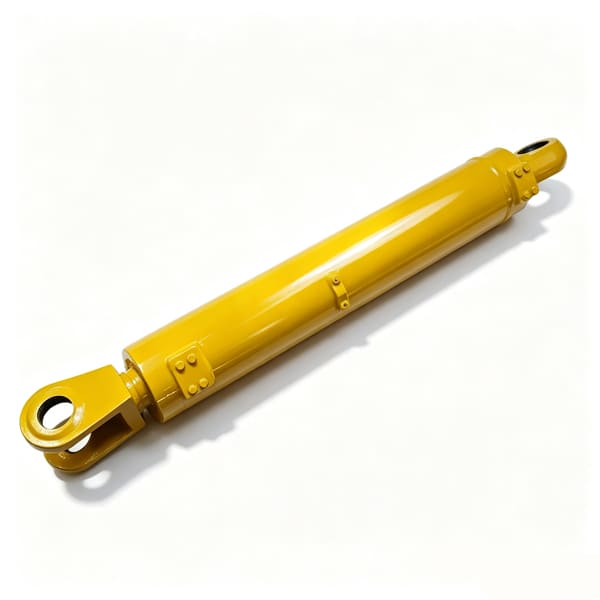
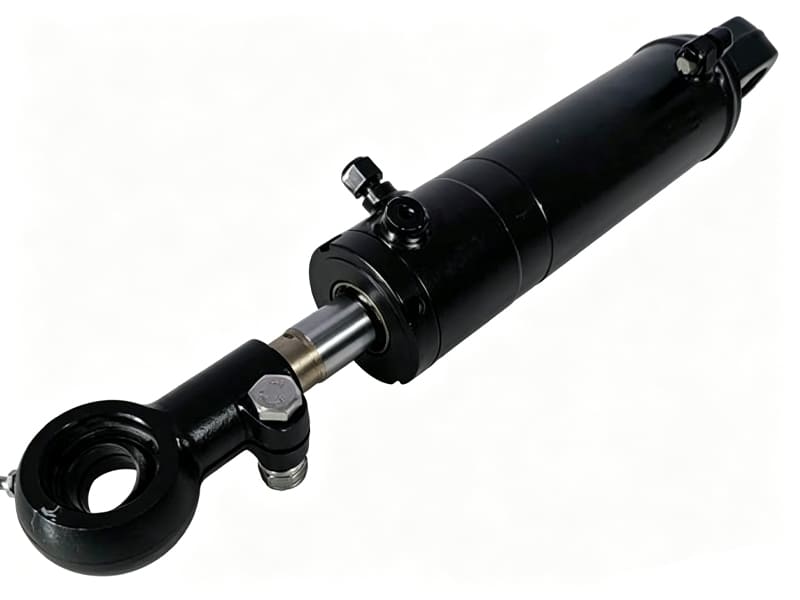
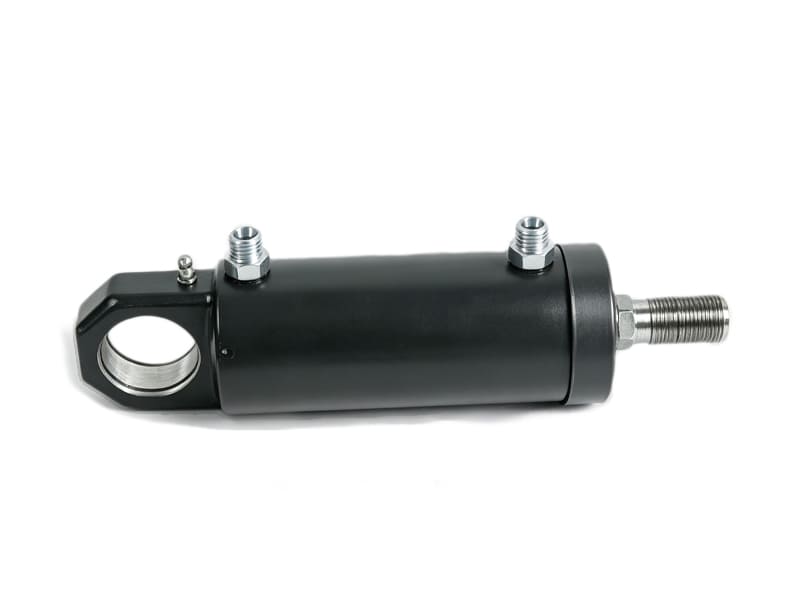
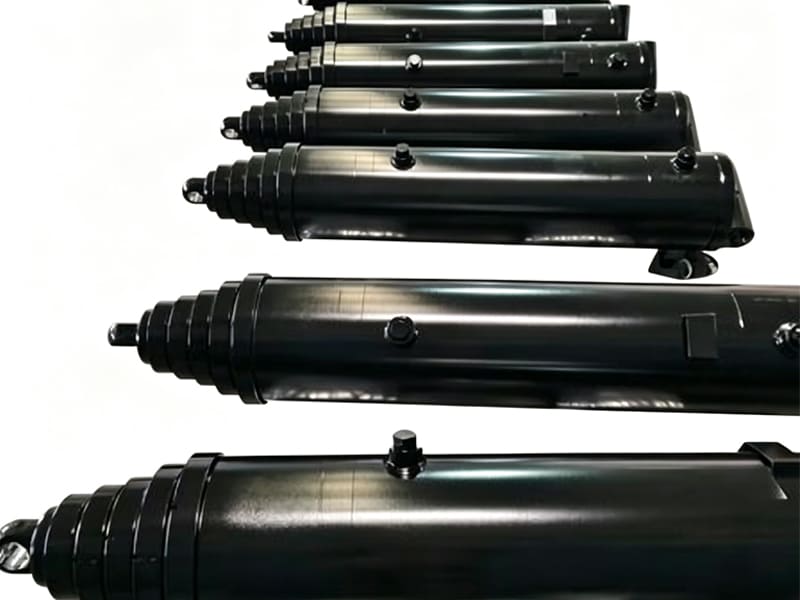
Aftermarket Hydraulic Cylinders
Your Reliable Supplier of Aftermarket Hydraulic Cylinders
Aftermarket Hydraulic Cylinders
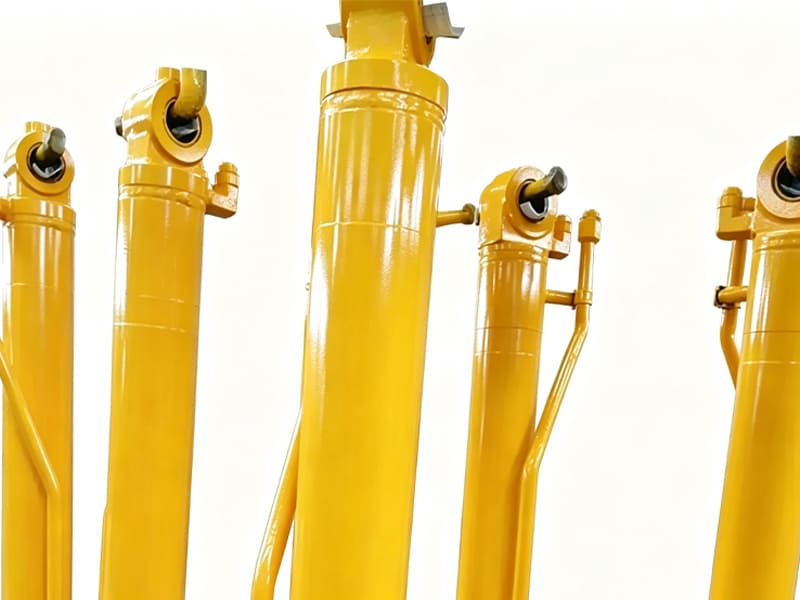
Applications of Aftermarket Hydraulic Cylinders
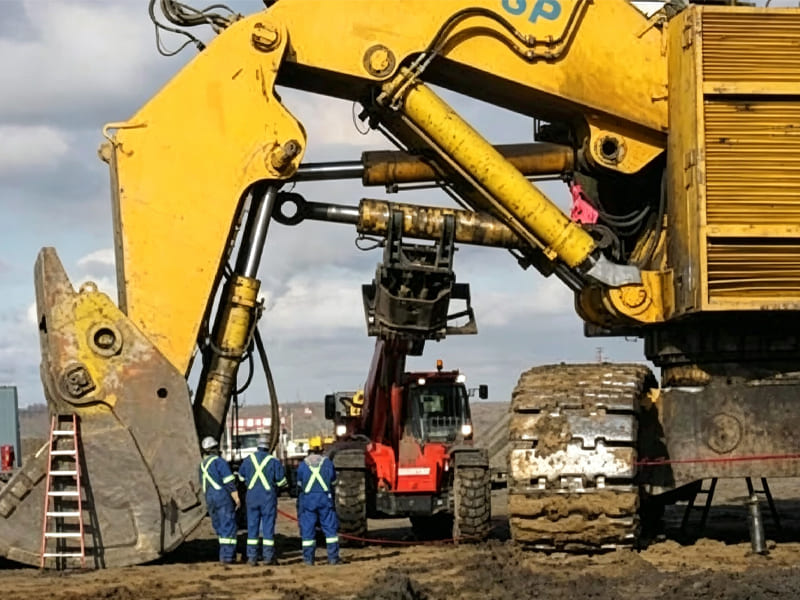
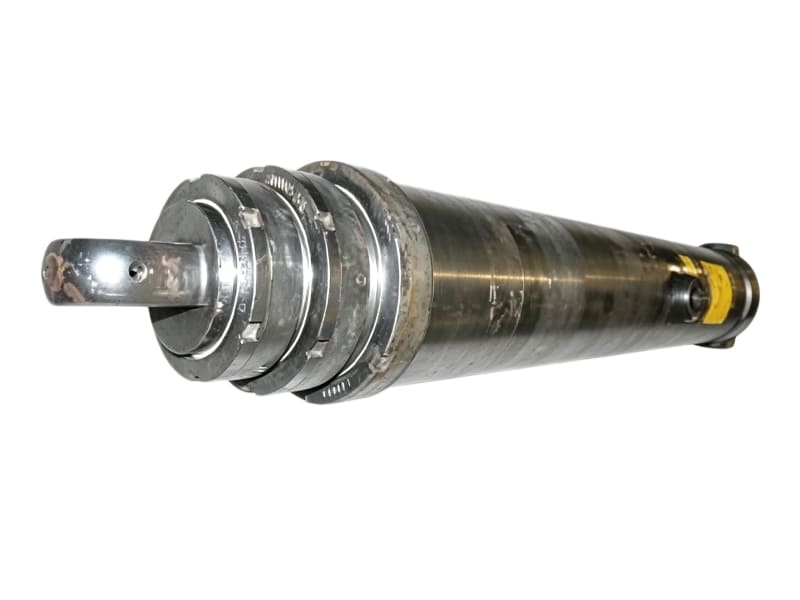
Excavator Boom
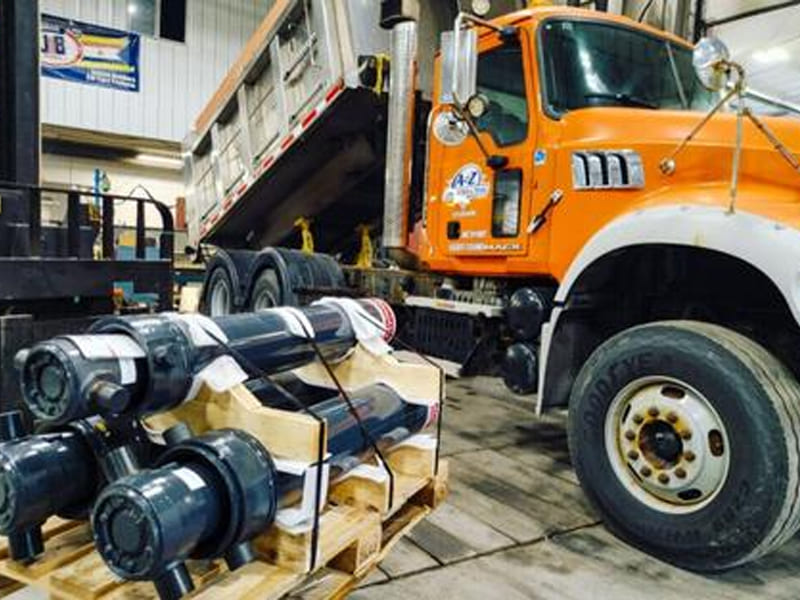
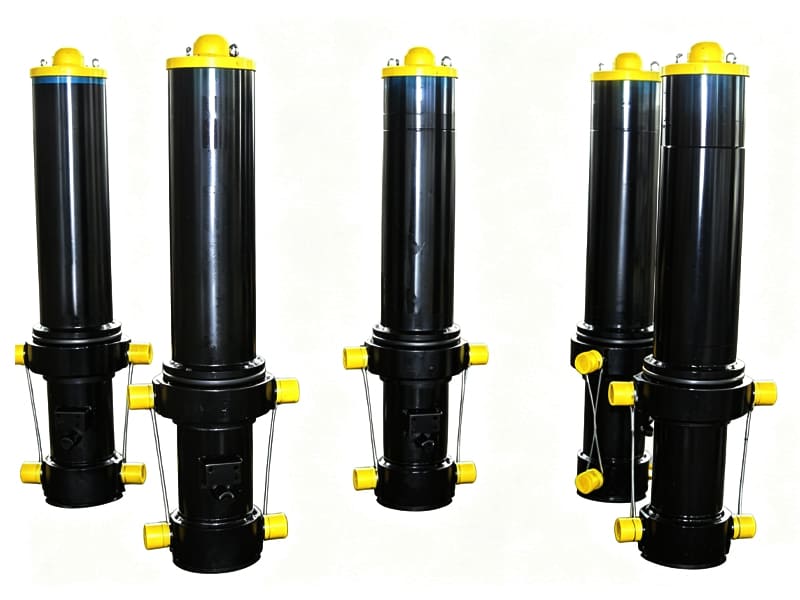
Dump Truck Hoist
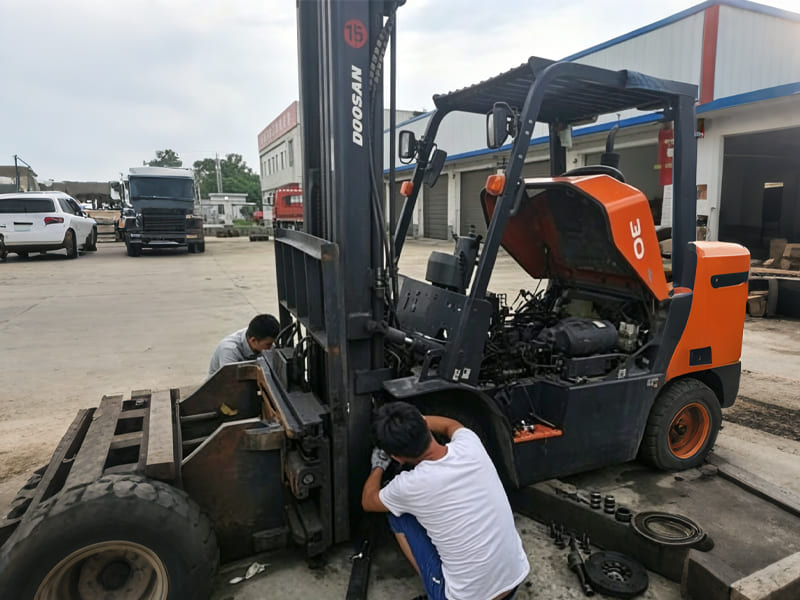
Forklift Mast Tilt and Lift
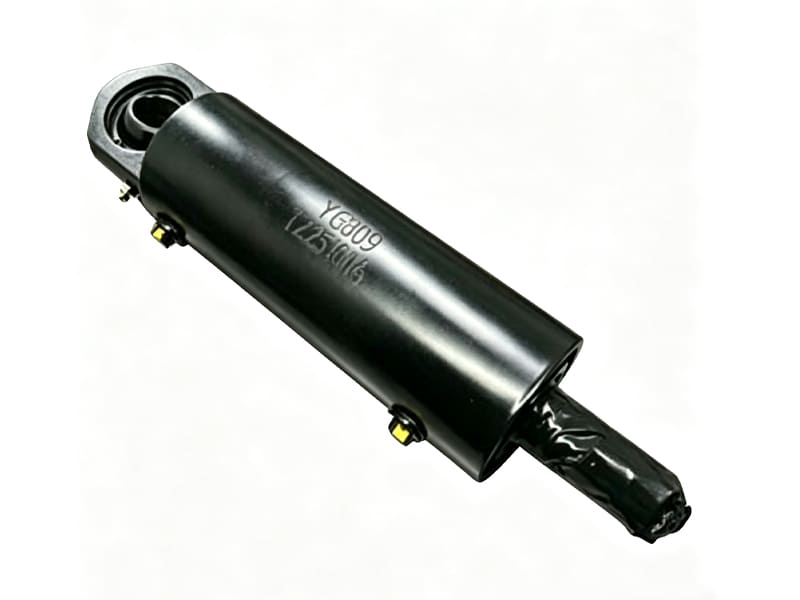
Aftermarket cylinders are also used to replace forklift tilt cylinders. They extend and retract to tilt the mast forward and backward. Tilting forward lets the forks go under a pallet; while backward make the cargo’s center of gravity rearward to prevent goods from slipping off during transport. The replacement cylinder is made to original specs, so there's no need to change the forklift's existing structure, to help speed up equipment return-to-service.
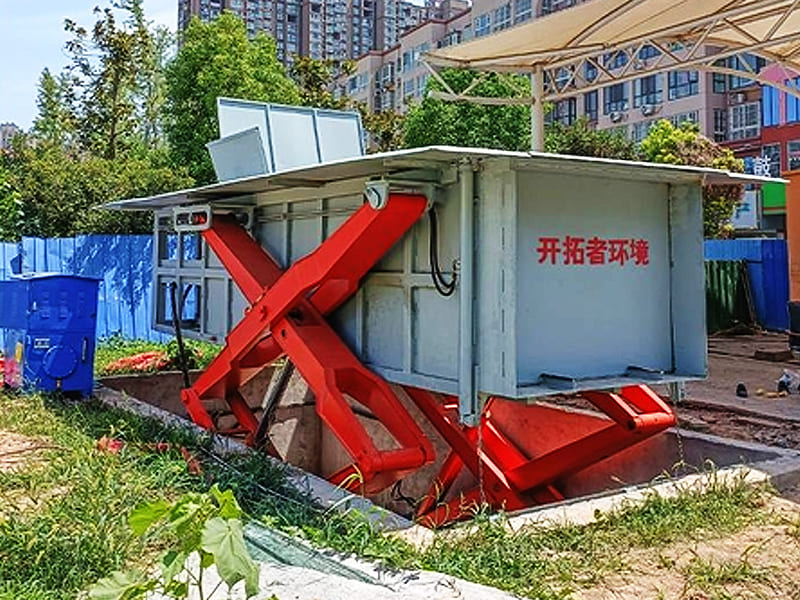
Waste Compactor
Aftermarket hydraulic cylinders are used for replacements on waste-compacting equipment,the cylinder uses high-pressure oil to push the piston rod with a pusher head attached. It moves forward slowly and holds pressure to squeeze air out of the waste and compress it into shape. These aftermarket cylinders are adding dust scraper that effectively removes dust. The piston rod also has an increased-thickness plating layer, let the cylinder to work reliably in heavily dusty and highly corrosive operating conditions.
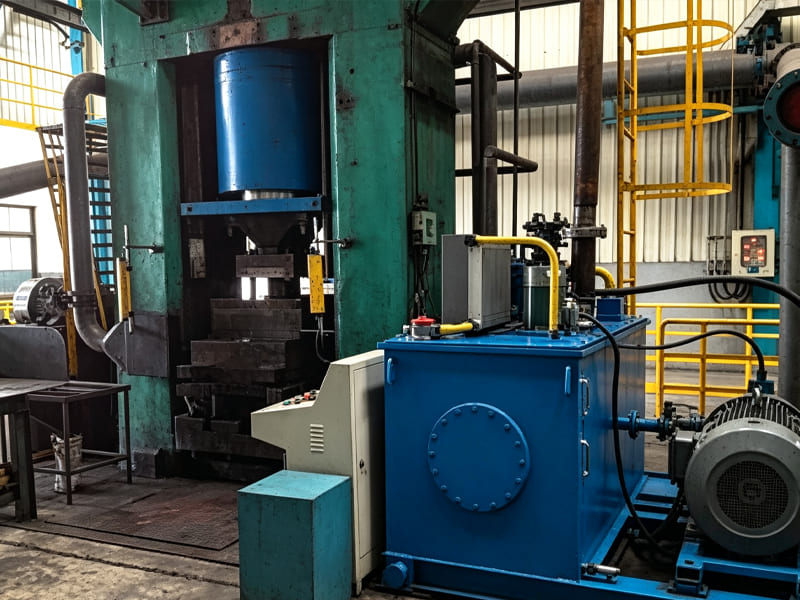
Industrial Press
Aftermarket replacement cylinders are also used in industrial press cylinders., the cylinder is mounted vertically inside the upper beam. High-pressure oil enters the main cylinder's upper chamber, pushing the piston rod connected to the slide block downward along the guide rails to clamp the workpiece. According to the customer’s actual working pressure and hold-pressure duration, we use optimized anti-extrusion sealing solutions to keep stable pressure-holding performance for the machine.
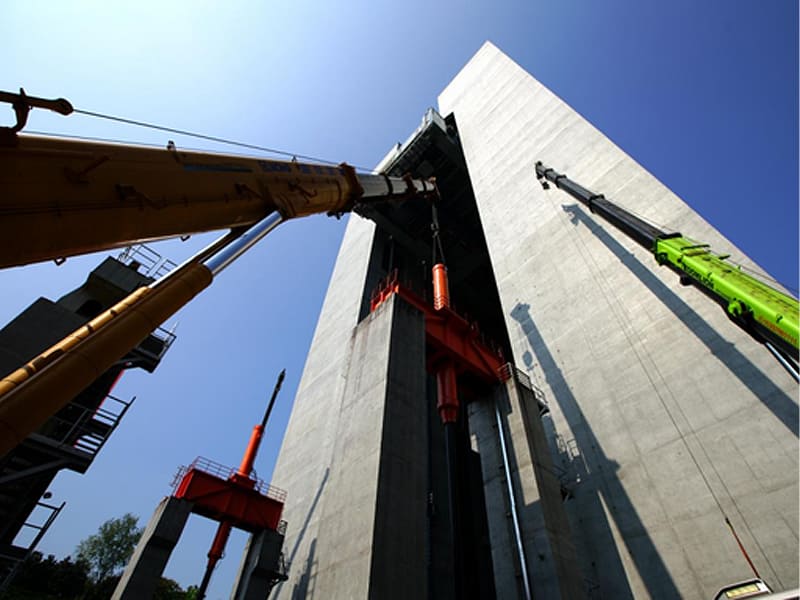
Hydraulic Gate Hoist
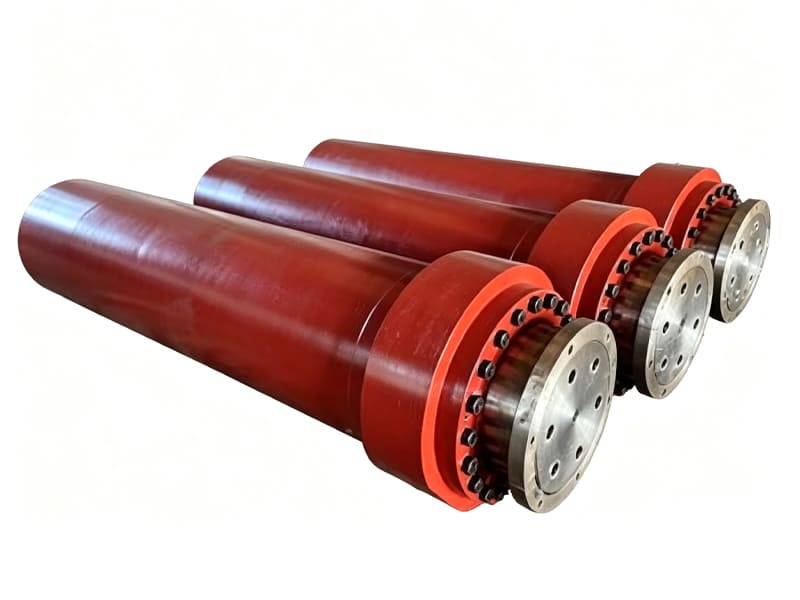
Aftermarket hydraulic cylinders used for gate hoist equipment; the cylinder is mounted on the bracket with trunnion bearings. It extends and retracts the piston rod to raise and lower the gate, opening and closing it to cut off or restore water flow. Manufactured to match the original structure and mounting dimensions, it also comes with a counterbalance valve, which ensures precise gate travel and reliable locking and pressure holding.
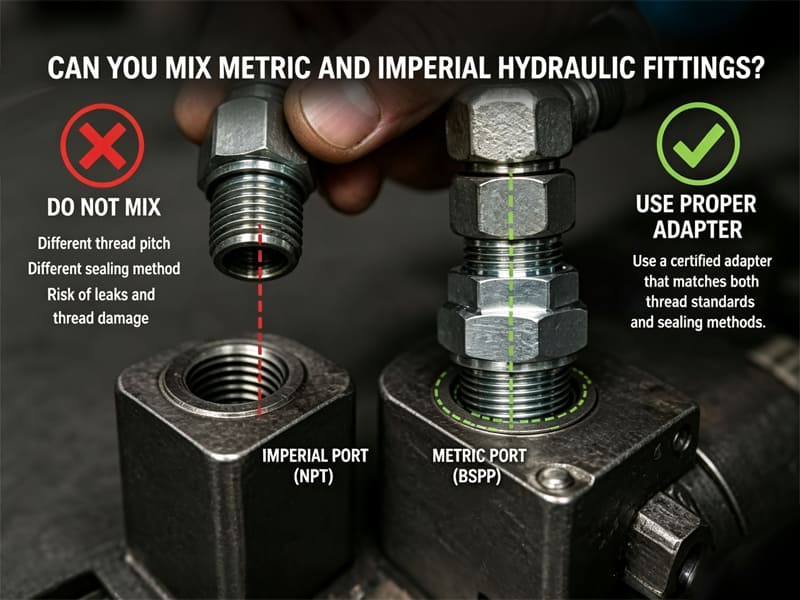
Port Orientation and Thread Type Incompatibility
Some manufacturers only check mounting dimensions; cylinder bore and rod diameter while ignoring port-related details. This can lead to ports that don't match the original cylinder, such as wrong port orientation or incorrect thread sizes. As a result, the existing hoses can't connect, and have to modify the piping, which adds extra cost and extends downtime.
To solve this problem, we focus on verifying port parameters before receiving cylinder replacement requests. We will confirm port position, thread specification and fitting style, based on the customer's information or by measuring the old cylinder. We machine strictly to those specs and do a test fit with the fittings after production. This ensures that the replacement cylinder connects directly to the existing lines with no on-site modifications needed.
Shorter Seal Life Than Original Equipment
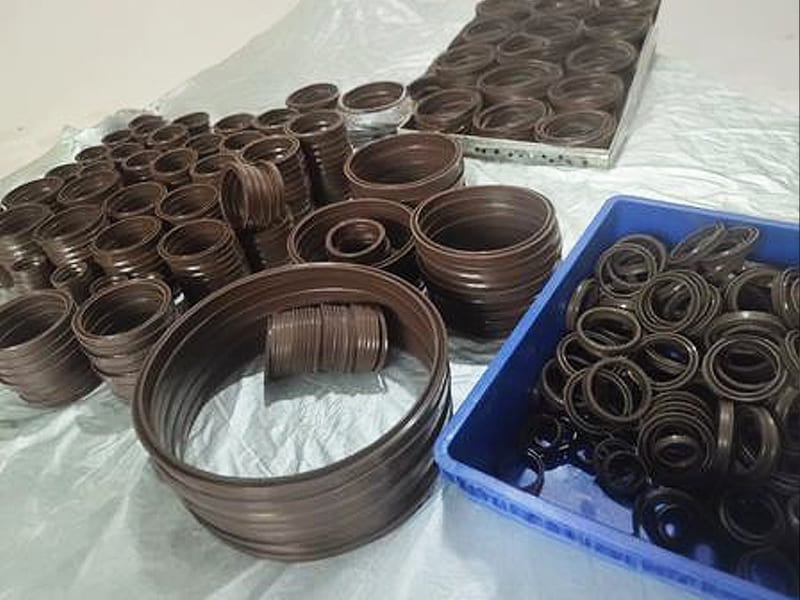
Aftermarket hydraulic cylinders often have shorter-life seals compared with original parts. This is usually not caused by poor cylinder body quality, it because using generic seal kits without custom-selection according to actual working temperature, cycle frequency and pressure-holding requirements. That leads to external leaks, loss of force, and unstable operation.
To solve this problem, we collect working-condition information including temperature, pressure-holding demand and operating environment before production, based on that, we choose the right seal solution. For example, in high-heat environments we use fluor rubber seals, which stay flexible and don't become brittle at high temperatures, so they last longer. We also check every seal before installation to make sure there are no burrs or scratches, so we don't damage the seal during assembly.
Piston Rod Corrosion from Inferior Chrome Plating
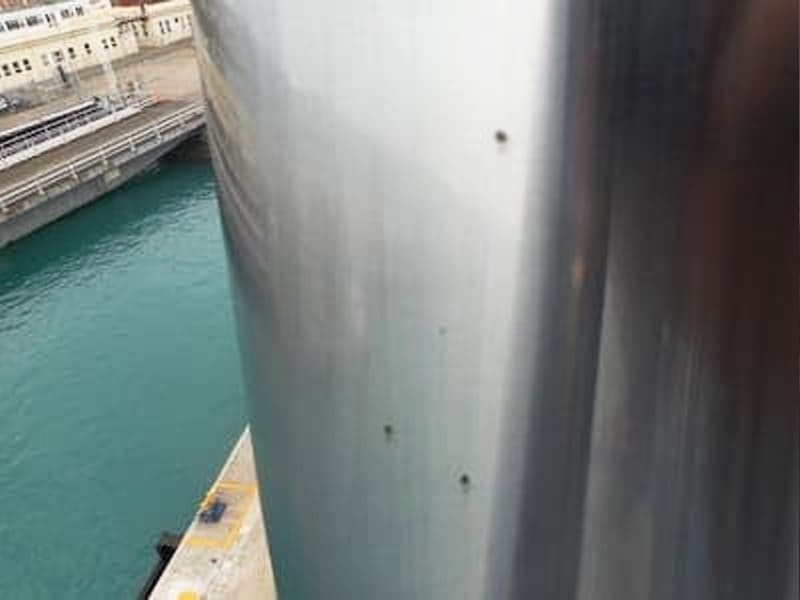
If the chrome plating on the piston rod has pinholes or is too thin, moisture will penetrate under the coating and corrode the steel in humid working conditions, expanding rust will make the coating peel off. The rust-damaged piston rod will scratch the sealing rings and cause external oil leakage, leading to insufficient cylinder pressure and malfunction.
We polish the rod before plating to improve surface roughness, this reduces hydrogen bubble adhesion during electroplating and reduce create the pinholes, so early-stage rust on piston rods can be prevented at the early. For highly corrosive environments like ports or marine applications, we will add extra anti-corrosion treatment to further improve the piston rod's corrosion resistance.
Certifications
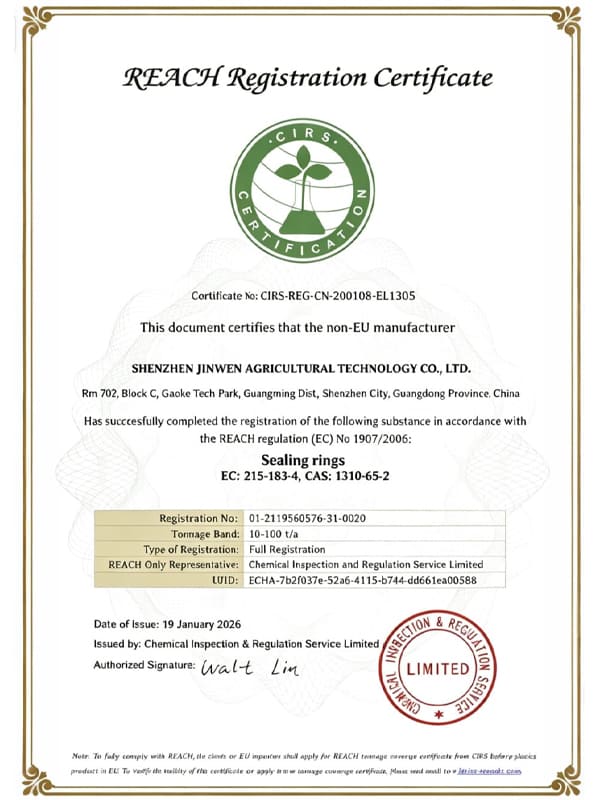
REACH Certificate
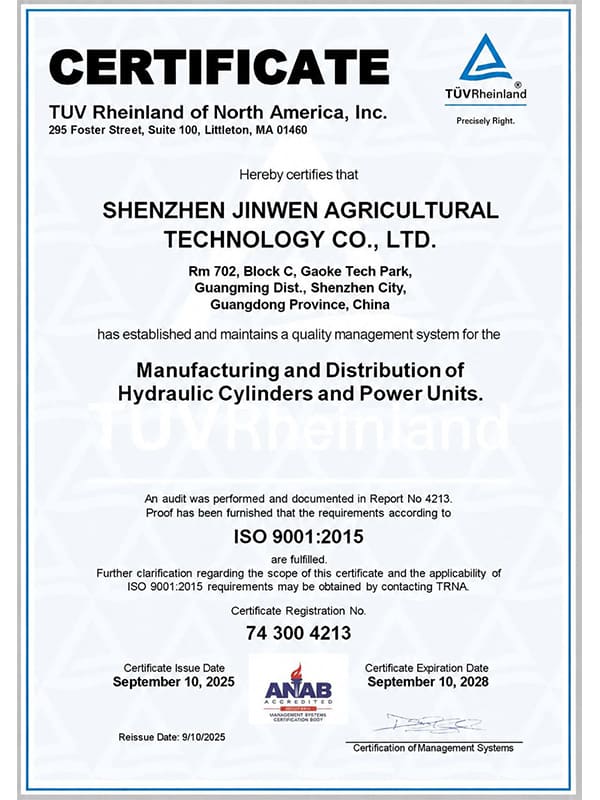
ISO 9001 Certificate
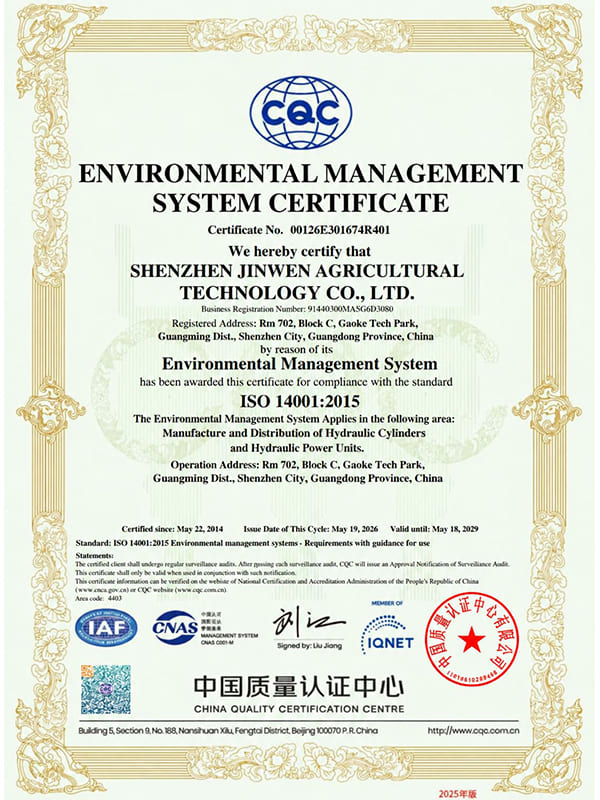
ISO 14001 Certificate
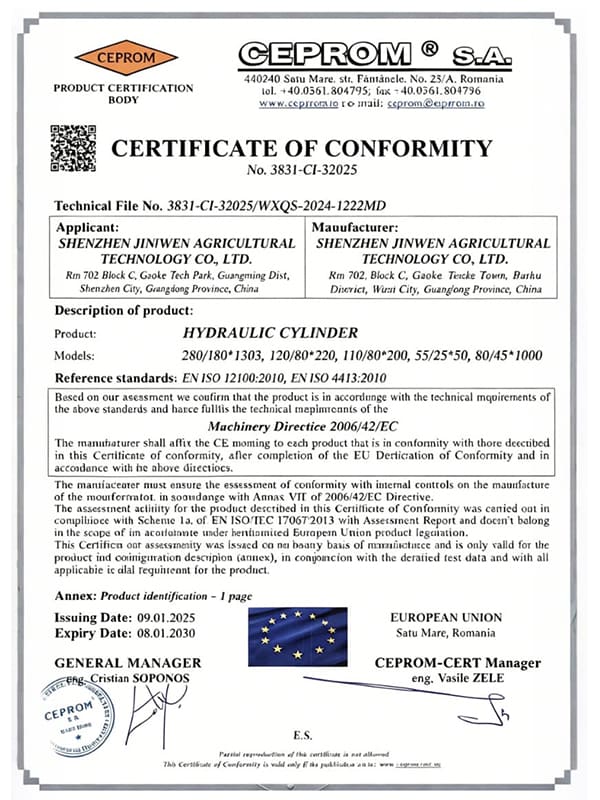
Certificate of Conformity
Why Work with Us
Full-Size Replication for Drop-In Fit
Strictly copy the cylinder mounting dimensions 1:1, we measure the key dimensions of the old cylinder and check our records to confirm the specs before production, it can be installed in place directly, with no on-site modification to your equipment.
OEM-Compatible Bore and Rod Specifications
We machine cylinders to the original bore and rod diameter specs, and don't change the sizes on a whim., by controlling machining tolerances to make sure the new cylinder delivers the same output force and movement response as the original equipment.
No Downgrade In Material and Workmanship
We follow the same material and process standards as the original manufacturer; the piston rods go through quenching-and-tempering and hard chrome plating. Welds are inspected by ultrasonic testing, to prevent early cylinder failure and reduces the risk of downtime and repairs.
Application-Matched Sealing System
Select suitable seals for different working conditions such as dust, high temperature and corrosion, this greatly reduces oil leakage and wear-related failures, and the seal parts are from commonly-available market grades for easy replacement in future maintenance.
How to Customize Your Aftermarket Hydraulic Cylinders
Send Your Drawing
Provide us the detailed drawing or physical sample or critical dimensions, working pressure, mounting details.
Working Environment
Whether the cylinders works in high temperature, humidity, salt spray, dust and high frequency, pressure.
Get Quick Quote
We review all details of drawing and requirements and provide optimization suggestions with our experiences if necessary.
Production Procedure
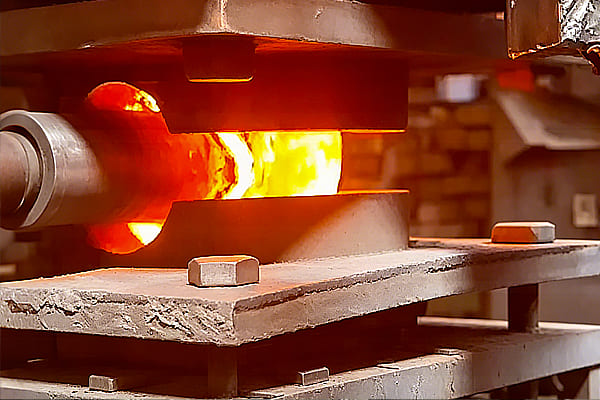
Integral forging
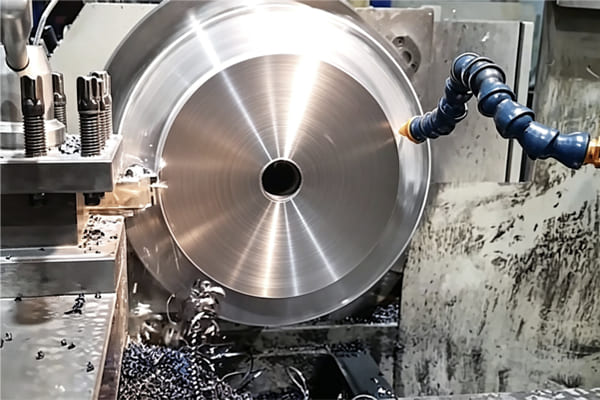
Turning
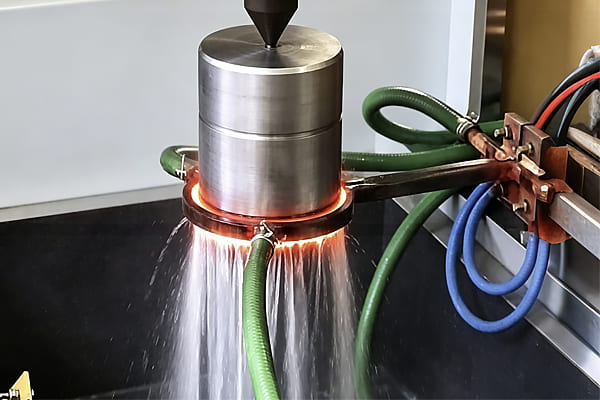
Induction hardening
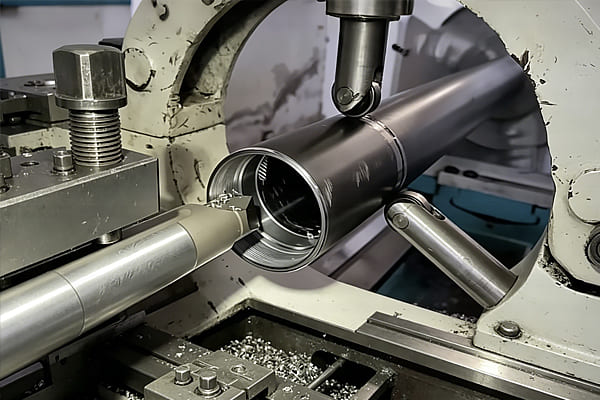
Cylinder barrel turning
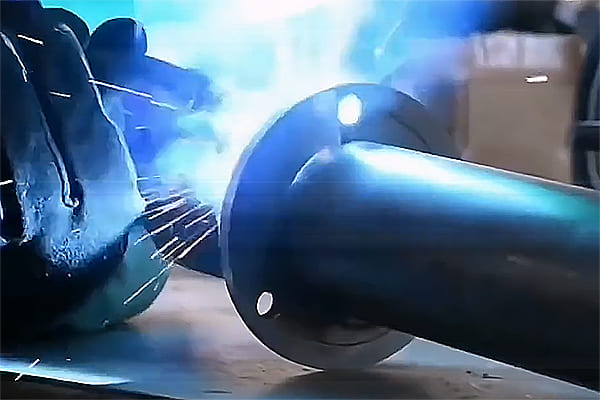
Welding
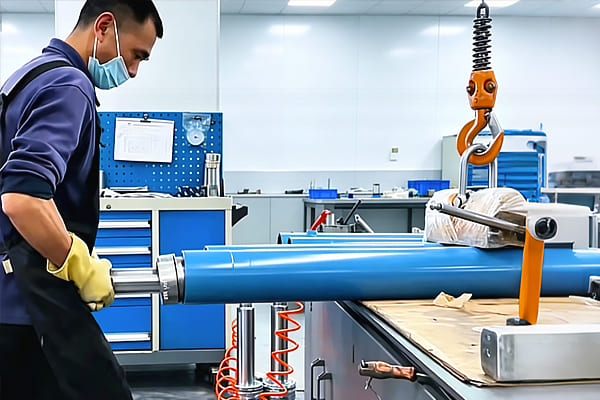
Assembly
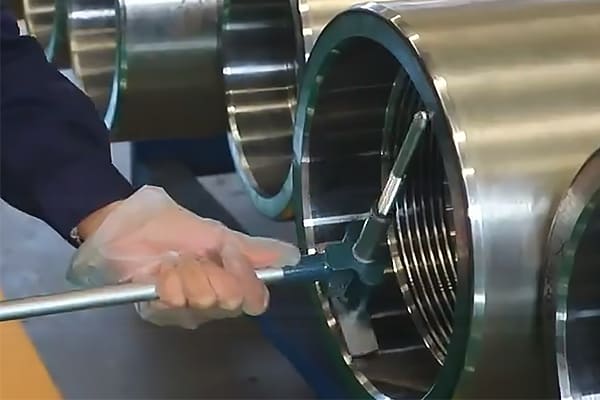
Dimensional measurement
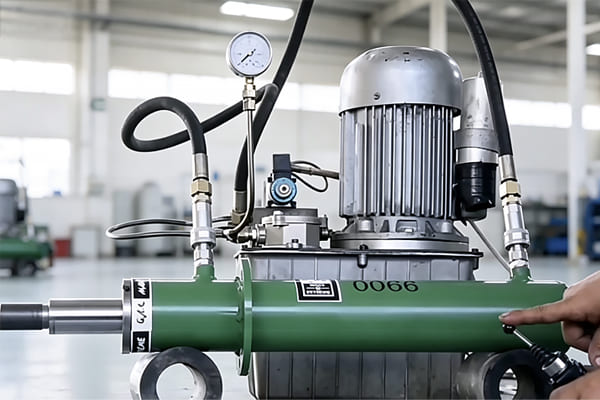
Pressure test