Cylinder tube hardness reaches HV400 and above. MOQ starts from only 1 piece. Send us your drawings or specs for an engineering review and quote.
Brands We Serve in Hydraulic Industry
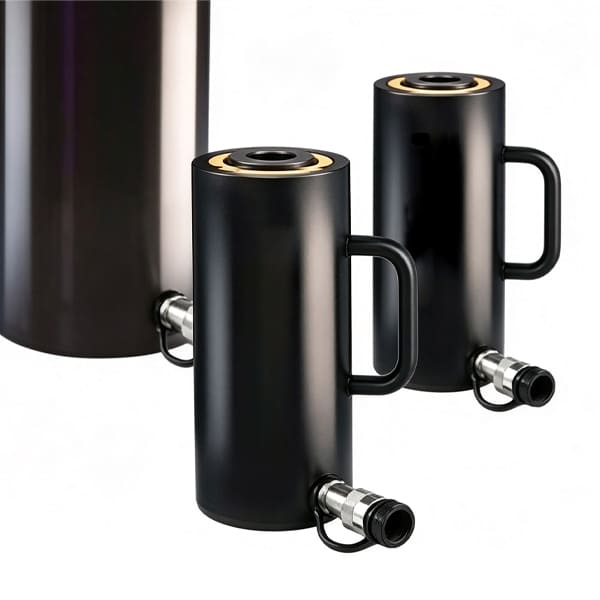
Aluminum Hydraulic Cylinders
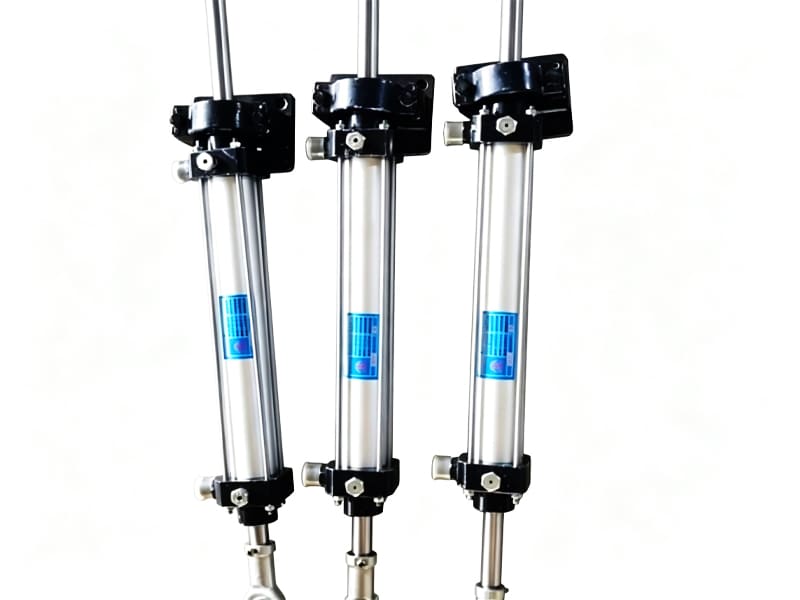
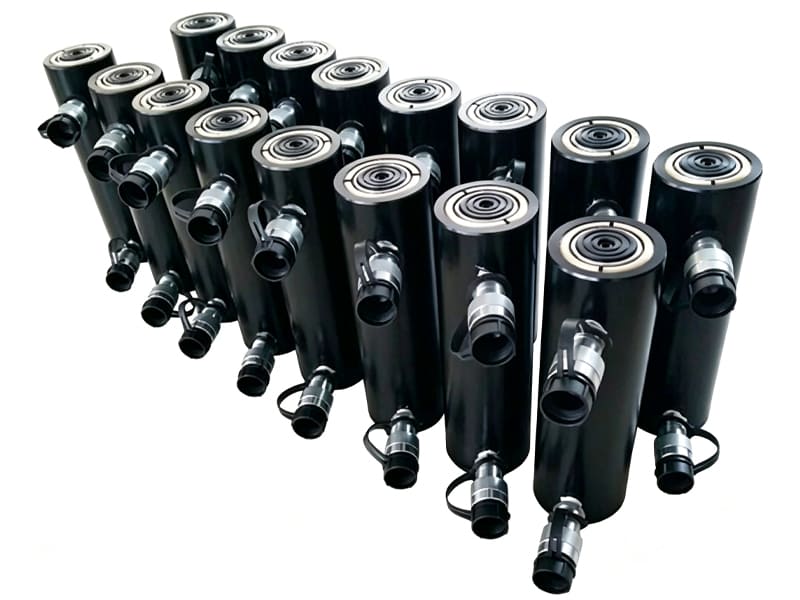
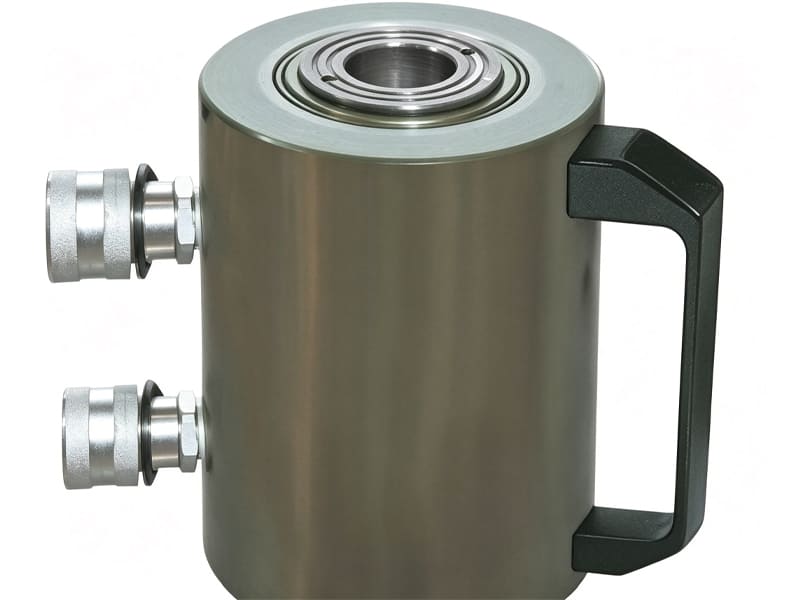
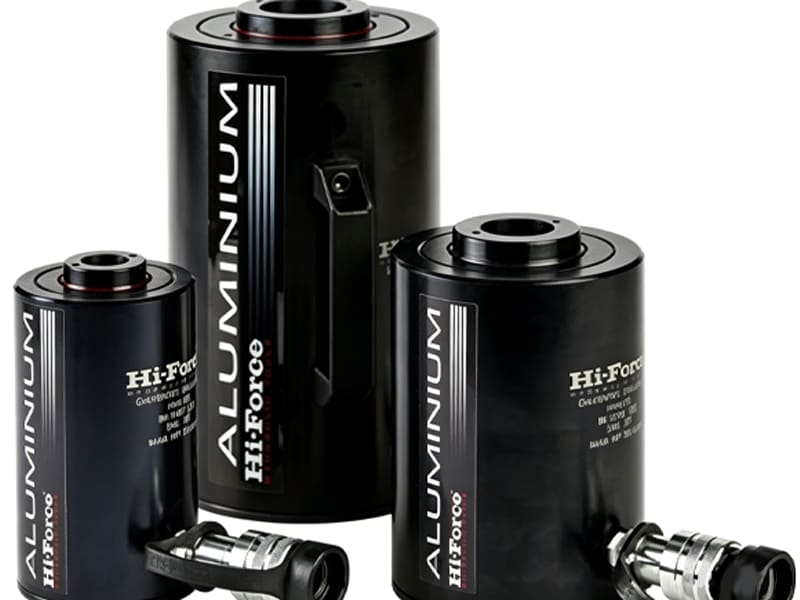
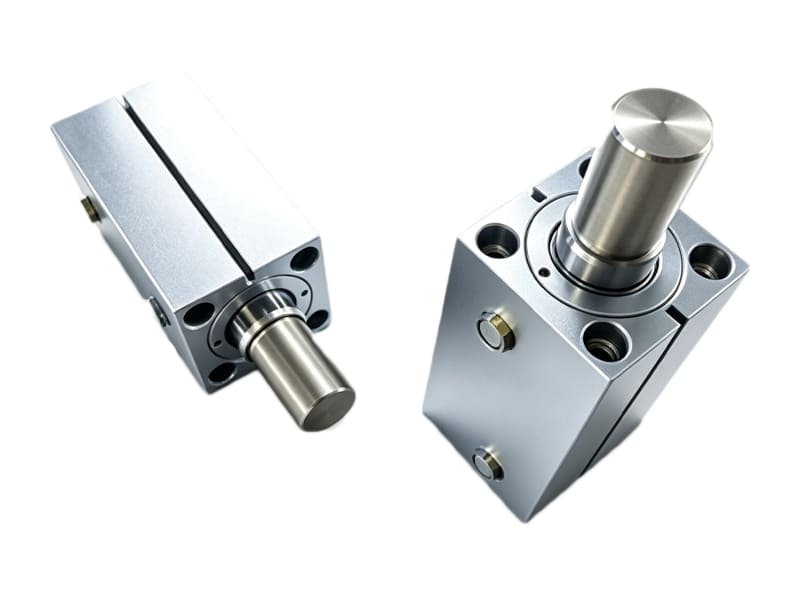
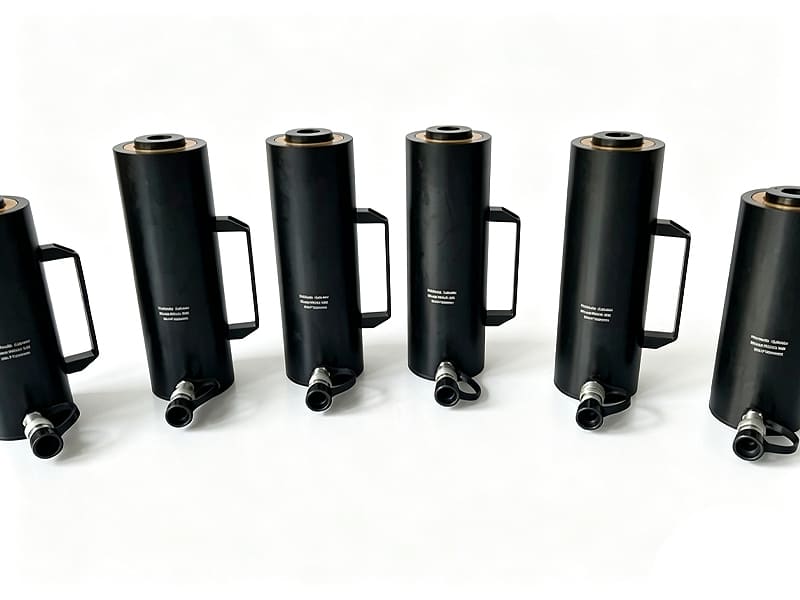
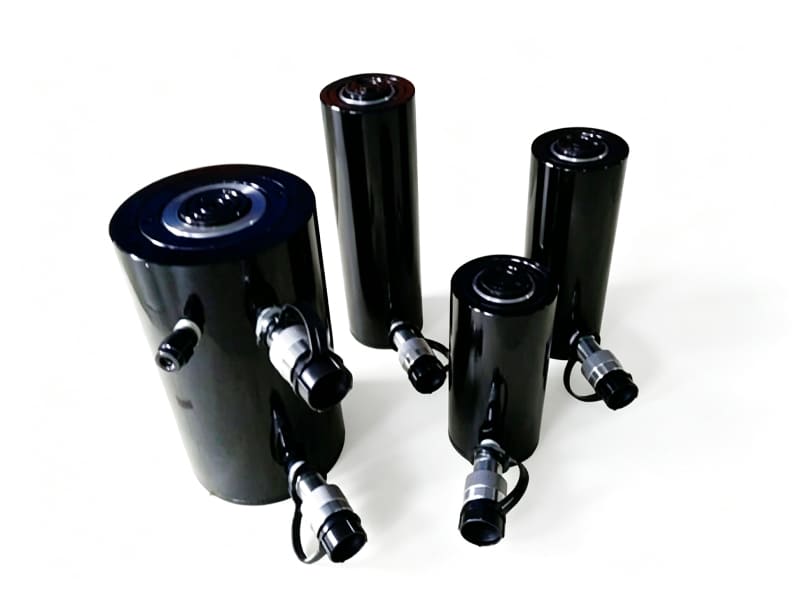
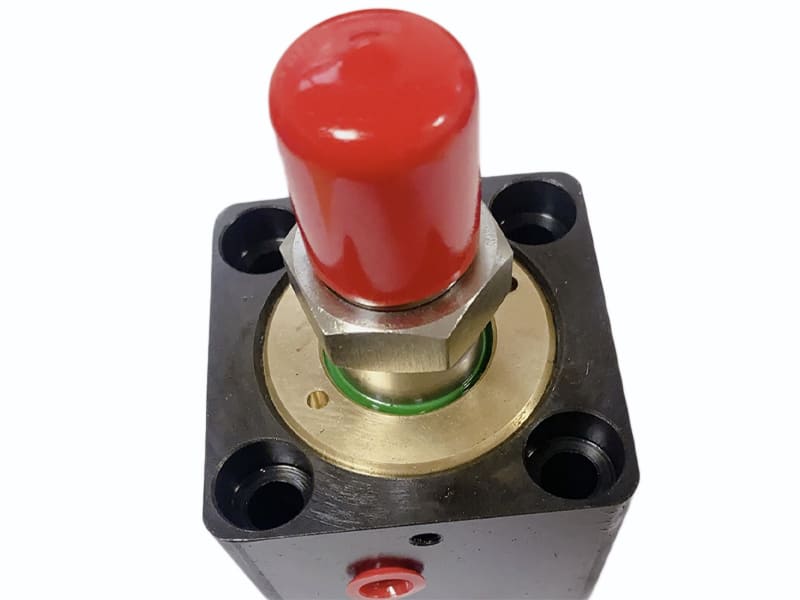
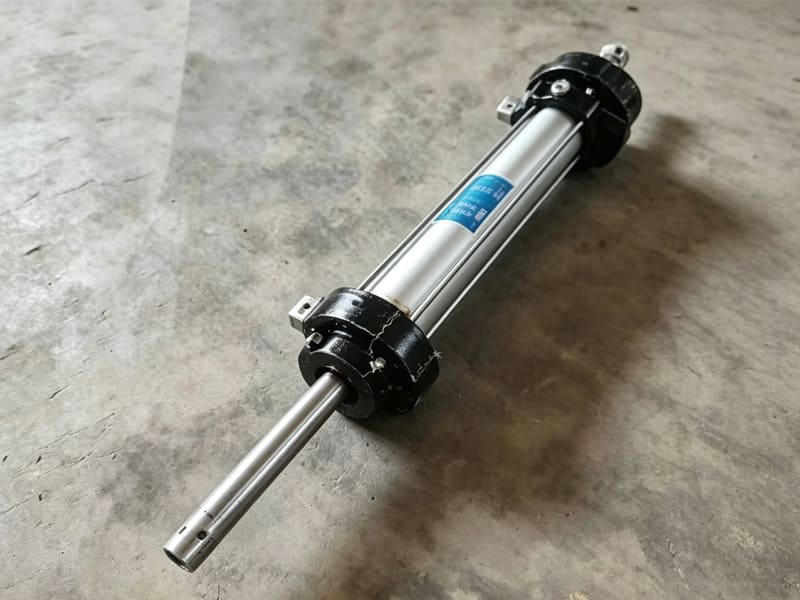
Our aluminum hydraulic cylinder barrels are made of aluminum alloy. Under the same working pressure, they are 45-55% lighter than carbon-steel cylinders. The max working pressure reaches 21 MPa. Aluminum can form a natural protective oxide film on its surface, giving our cylinders good corrosion resistance. So they are ideal for port and coastal equipment exposed to salt spray.
Most of our aluminum cylinder barrels use 6082-T6 extruded aluminum tubing for better deformation resistance. For piston rods, which slide repeatedly against seals, we use 45# steel or 40Cr as base material with hard-chrome plating. The plating thickness is over 0.03 mm and surface hardness reaches HV900 minimum for superior wear resistance.
We apply skiving-roller burnishing for inner bores. Custom manufacturing is available according to your drawings or specifications.
Your Reliable Supplier of Aluminum Hydraulic Cylinders
Compared with steel hydraulic cylinders, aluminum ones have lower hardness. The base hardness of 6082-T6 aluminum is around 100 HV, while regular carbon steel reaches 230-260 HV. Aluminum is easier to dent and scratch, so aluminum hydraulic cylinders demand higher precision for welding and thread machining.
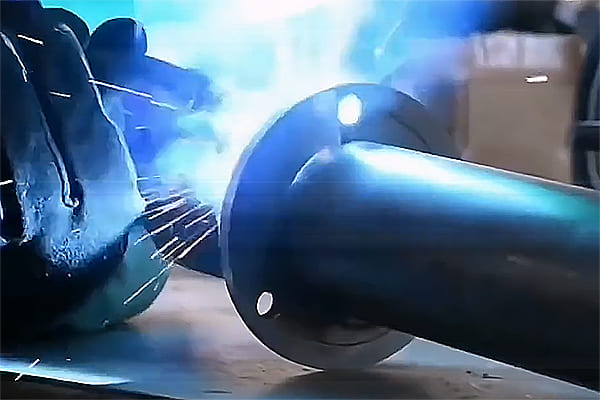
With over ten years of experience in aluminum hydraulic cylinder manufacturing. When welding aluminum cylinder barrels, we use 4047 welding wire with high silicon content. We strictly control preheat temperature at around 150 °C and fine-tune argon gas flow repeatedly to avoid welding defects such as pores and hot cracks. Aluminum is relatively soft, so it tends to stick to cutting tools during boring. We use diamond reamers with sufficient coolant to prevent chip buildup. Finally, we perform roller burnishing on the bore surface. This creates a hardened layer on the inner wall and improves its wear resistance.
We offer highly flexible custom solutions for aluminum hydraulic cylinders with adjustable materials, processes and mounting styles. Based on your equipment type and working conditions, we will provide suitable material and process options for your requirements.
Aluminum Hydraulic Cylinders
Applications of Aluminum Hydraulic Cylinders
Medical Devices
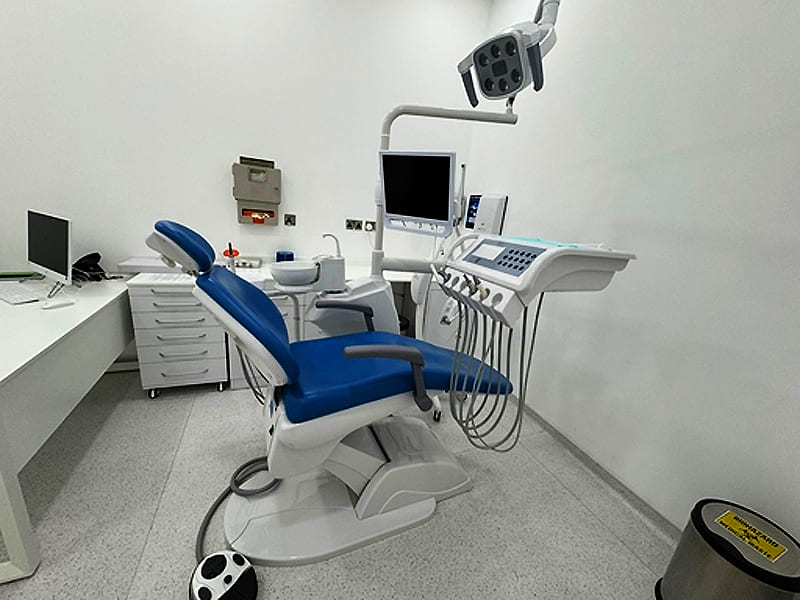
Aluminum hydraulic cylinders are widely used in medical devices such as operating tables and dental chairs. They power the equipment to lift, tilt and adjust angles. This application requires significant weight reduction. Aluminum cylinders are 40-60% lighter than steel versions. When fitted on operating tables and hospital beds, they make it easier for nurses to move and transfer patients.
Race-Car Service Equipment
Aluminum hydraulic cylinders power race-car service equipment like fast lifts and transmission supports to perform lifting, holding and positioning tasks. These applications demand excellent heat dissipation and stable performance. Aluminum conducts heat really well. Heat built up from frequent lifting can escape quickly through the cylinder wall. This keeps oil temperature in check and prevents seals from aging too fast, so your equipment runs reliably.
Packaging Machinery
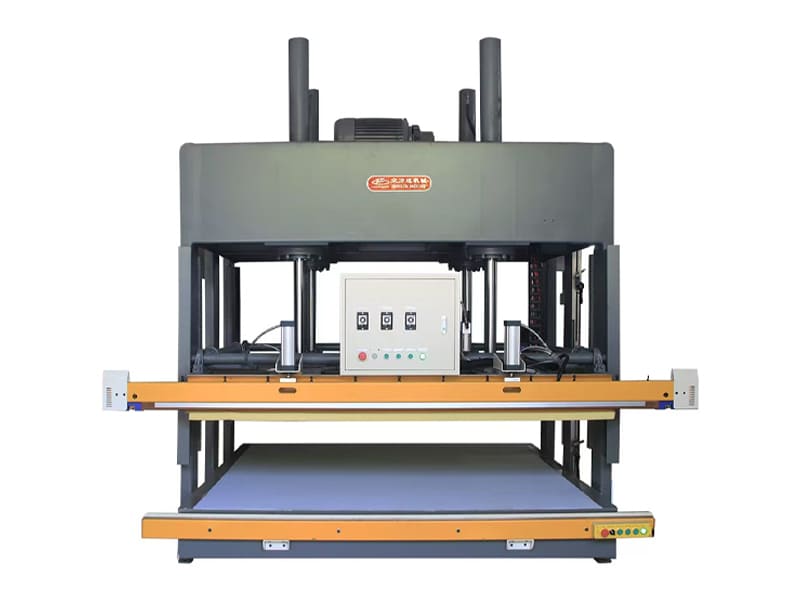
Aluminum hydraulic cylinders are widely used in packaging machinery. They power equipment such as sealers and labelers to press down, lift and push materials. These applications require highly stable movement. Our precision-machined aluminum hydraulic cylinders create little friction during back-and-forth strokes and deliver steady output. They can handle non-stop cyclic work on production lines.
Aerial Work Equipment
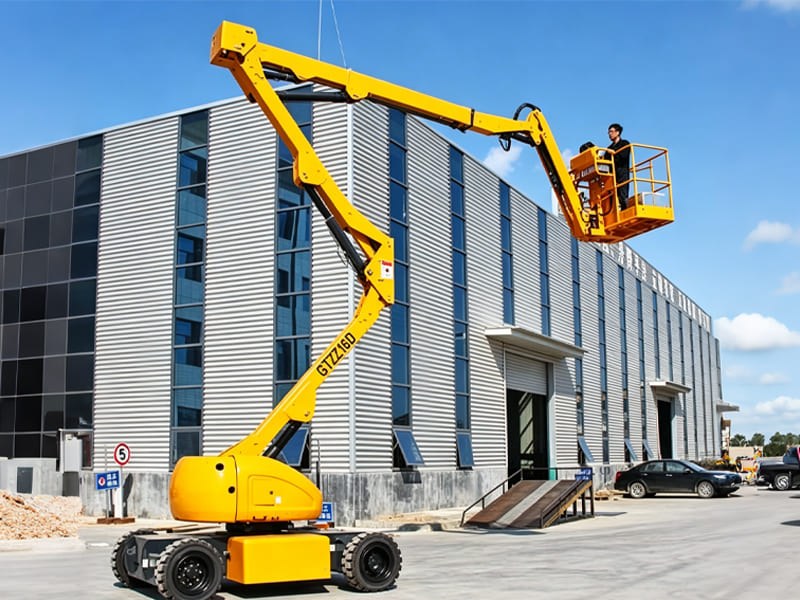
Aluminum hydraulic cylinders power aerial work equipment such as self-propelled articulated boom lifts to handle luffing, lifting, extension and leveling movements. These applications require good anti-tipping performance and easy on-site installation and replacement. Our aluminum hydraulic cylinders weigh less. They reduce weight on the upper boom section, making the whole machine more stable and less likely to tip over. What’s more, no lifting gear is needed for on-site fitting and replacement, so maintenance work becomes much easier.
Woodworking Machinery
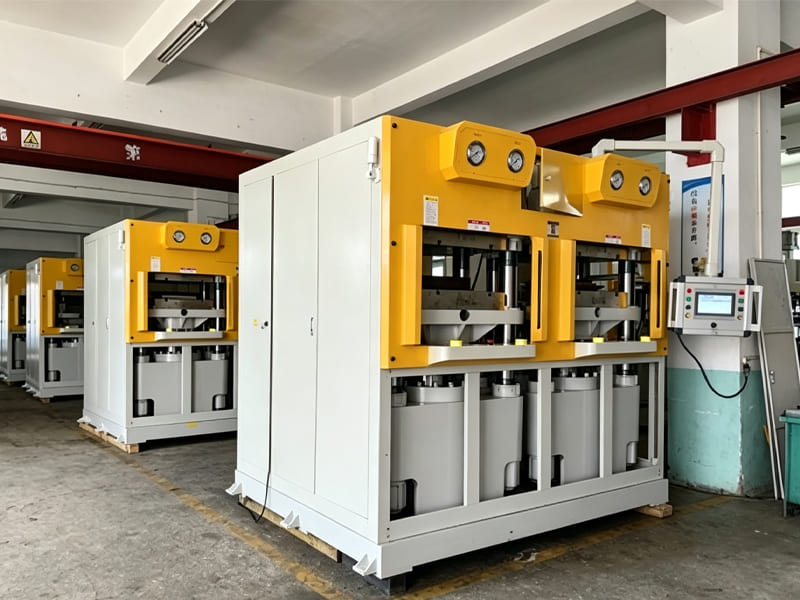
Aluminum hydraulic cylinders power wood-processing machines such as hot presses and log debarkers to carry out pressing and clamping operations. These applications require good oxidation resistance and high positioning accuracy. Our aluminum hydraulic cylinders resist organic-acid corrosion from wood, so the barrels hardly rust or shed metal chips. This keeps your boards free from contamination. Besides, these cylinders are lightweight. They have lower moving inertia, so they respond fast and position more accurately. This gives you boards with consistent dimensions.
Marine and Offshore Equipment
Aluminum hydraulic cylinders power marine and offshore equipment such as watertight hatches and steering gears to open, close and steer rudders. These applications demand great corrosion resistance and good low-temperature impact performance. Our aluminum hydraulic cylinders go through hard-anodizing and sealing treatment to stand up to harsh marine salt spray. Besides, aluminum keeps good toughness even at minus-dozens-degrees sea-site temperatures. It will not crack easily under impact, for better overall safety.
Plunger Buckling on Aluminum Hydraulic Cylinders
Plunger buckling failure is one of the common issues for aluminum hydraulic cylinders. Aluminum does not resist bending as well as steel. If you make the plunger thin and long to save weight, the risk of buckling increases. Once the plunger bends under pressure, it may jam during operation. In severe cases, this can lead to safety risks.
To solve this problem, we use multi-direction forged and heat-treated 7050 aluminum alloy for our plungers. Standard extruded materials often have uneven internal grain structure. Material treated with this process has a far more uniform internal structure. It offers better strength and impact resistance than regular extruded aluminum. This improves the plunger’s bending resistance at the material level. Besides, we give practical suggestions according to your actual working conditions. If your equipment sees impact loads during operation, we will recommend installing a buffer valve to reduce damage from sudden high-pressure shocks to the plunger.
Cast-Body Microporosity Leakage on Aluminum Hydraulic Cylinders
Microporosity leakage is a common failure for cast aluminum hydraulic cylinders. When molten aluminum cools and solidifies during casting, its volume shrinks. If casting parameters are not well controlled, some areas cannot get enough molten metal feed. Tiny invisible holes form inside the cylinder body. Once the cylinder works under continuous high pressure, hydraulic oil seeps into these micro-holes and creates leak paths. This can causes oil leakage. Worse still, the cylinder body may crack completely.
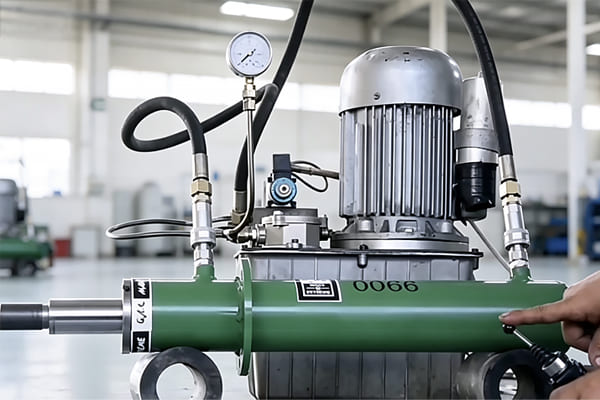
To solve this problem, our foundry uses low-pressure casting. The aluminum liquid forms and cools under pressure. Compared with standard casting, it greatly reduces micro-holes inside the cylinder. We also select A356 or A357 aluminum material to meet your actual needs, paired with dedicated T6 heat treatment to improve material density. Besides, every cylinder goes through pressure-testing and leak-check on our test bench before shipment to ensure quality.
Insufficient Impact Toughness on Aluminum Hydraulic Cylinders
Aluminum hydraulic cylinders have limited impact toughness so they are normally made as light duty cylinders. When hit suddenly, steel absorbs shock by deforming. But if local impact force goes beyond what aluminum can take, it will crack. Those cracks keep spreading and may break the cylinder apart.
For welded aluminum cylinder barrels, we follow precise welding procedures. We pre-heat workpieces to 150 °C before welding and check temperature with an infrared thermometer to keep heat evenly distributed. We hold welding temperature between 150-200 °C. After welding, we cover parts with thermal insulation material for slow cooling, then perform stress-relief treatment. We only take them out once temperature drops below 150 °C. This fixes material weakness caused by welding and stops the cylinder from cracking easily. Besides, We also keep close quality control during machining. On high-stress crack-prone areas like seal groove bottoms, we turn then polish surfaces to get roughness below Ra0.8. We round all sharp corners and remove burrs with both nylon brushes and vibratory finishing. This eliminates surface tool marks and helps prevent crack initiation at these points under impact.
Certifications
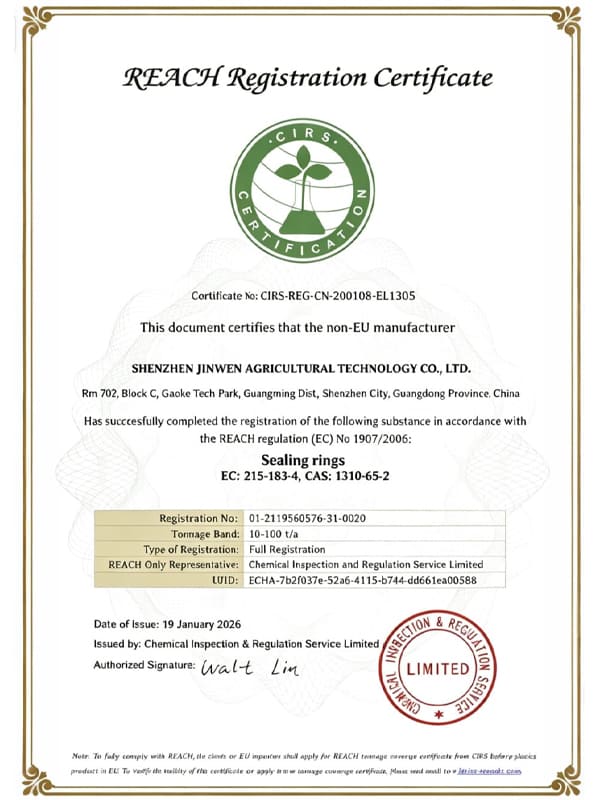
REACH Certificate
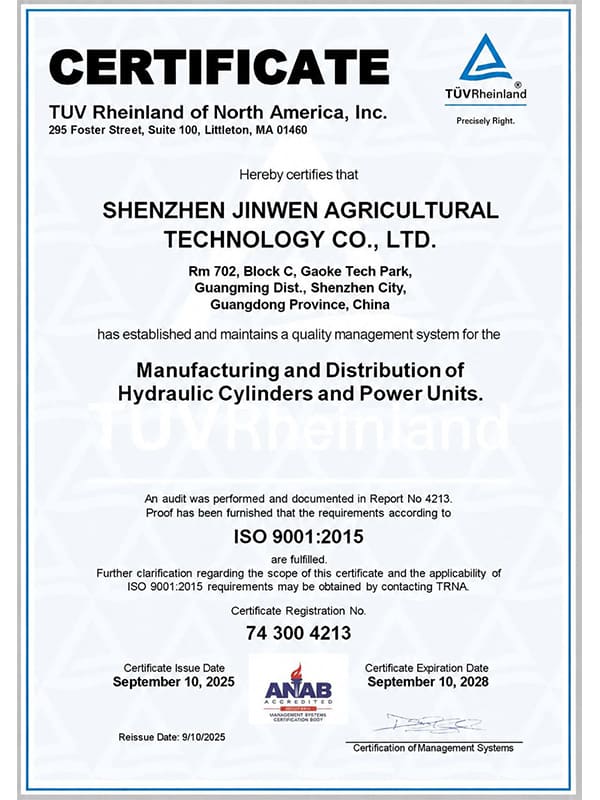
ISO 9001 Certificate
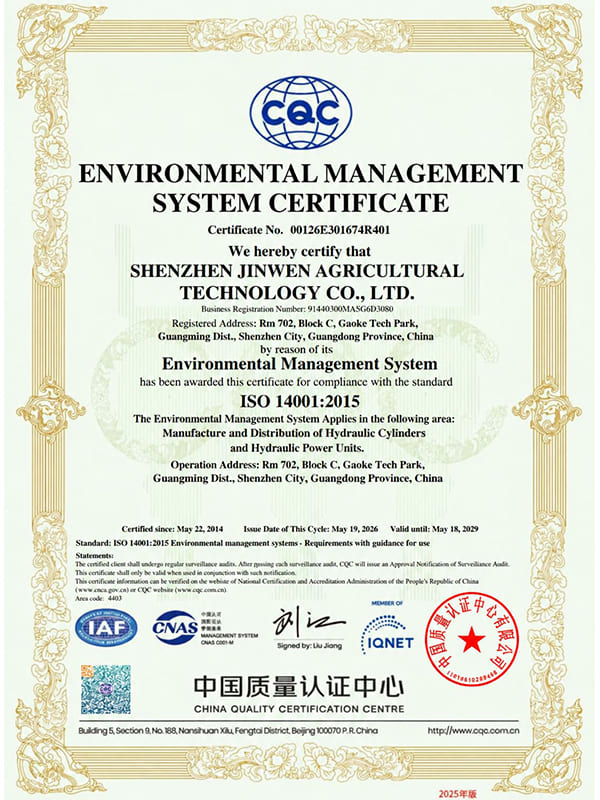
ISO 14001 Certificate
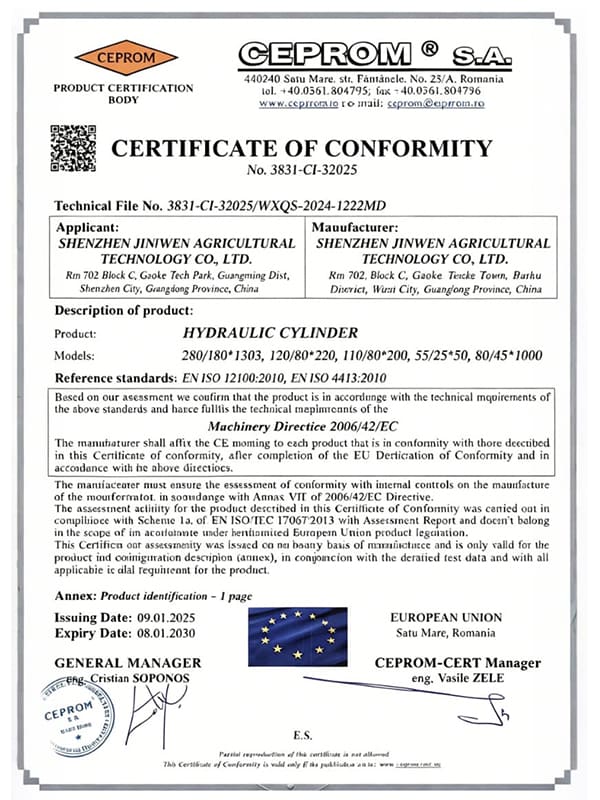
Certificate of Conformity
Why Work with Us
Optical Non-Destructive Inner Wall Inspection
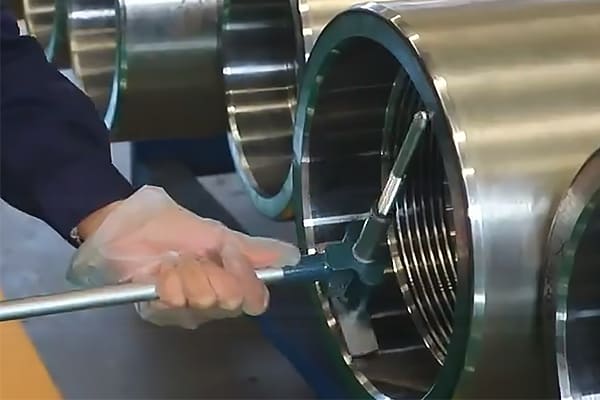
We use an industrial endoscope to inspect the entire inner surface of the barrel for dents and other blemishes.
Thermal-Expansion-Adapted Sealing System
We will match a complete sealing setup specifically for your actual on‑site operating temperature.
Seamless OEM Replacement
We can build custom aluminum hydraulic cylinders that fit right in place with no changes to your existing equipment.
Transparent Process Communication
We’ll send you short video clips of key steps including raw-material incoming checks, so you can avoid mismatched-dimension problems.
How to Customize Your Aluminum Hydraulic Cylinders
Send Your Drawing
Provide us the detailed drawing or physical sample or critical dimensions, working pressure, mounting details.
Working Environment
Whether the cylinders works in high temperature, humidity, salt spray, dust and high frequency, pressure.
Get Quick Quote
We review all details of drawing and requirements and provide optimization suggestions with our experiences if necessary.
Production Procedure
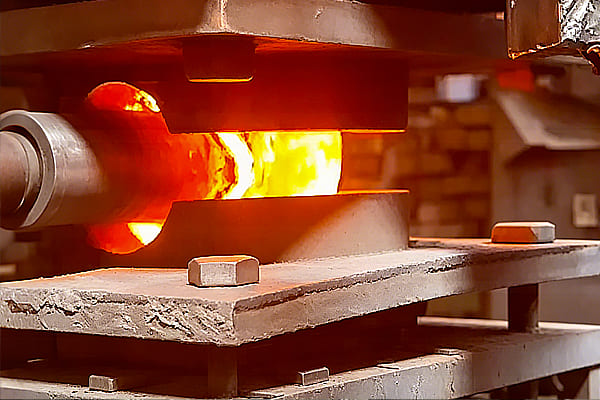
Integral forging
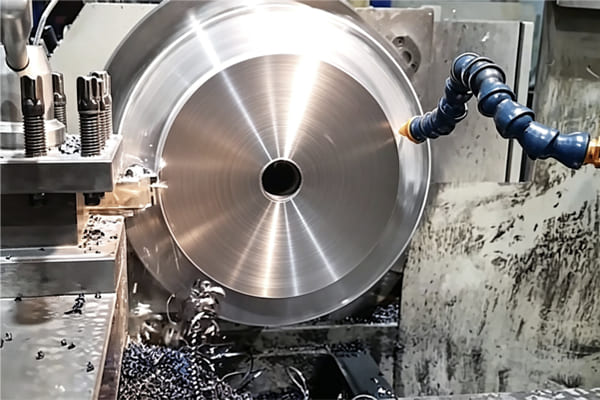
Turning
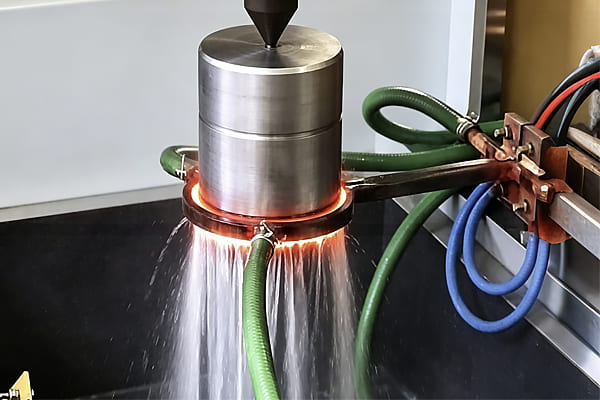
Induction hardening
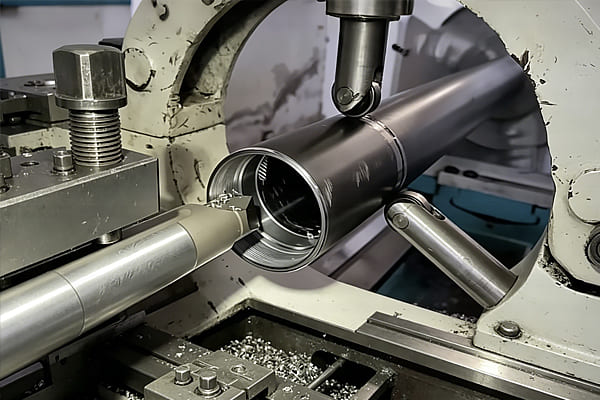
Cylinder barrel turning
Welding
Assembly
Dimensional measurement
Pressure test
Get Free Quote Today!
You'll receive a comprehensive Technical Quote Package, including:
Customized Quote: Transparent pricing in EXW/FOB/CIF.
Technical Data Sheet: Material specs, seal brands, and surface treatment details.
Lead Time & Logistics: Precise production schedule and shipping estimates.