
Stainless Steel Hydraulic Cylinders Manufacturer
Cylinder bore surface roughness below Ra 0.3 μm.
MOQ starts from only 1 piece.
Send us your drawings or specs for an engineering review and quote.
Brands We Serve in Hydraulic Industry














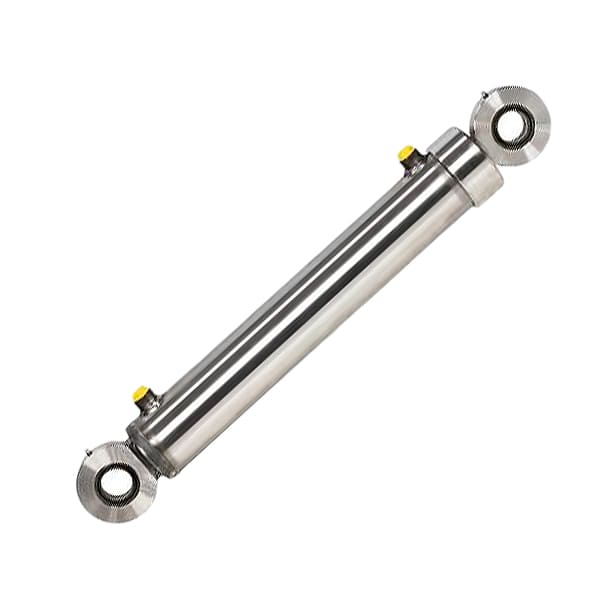
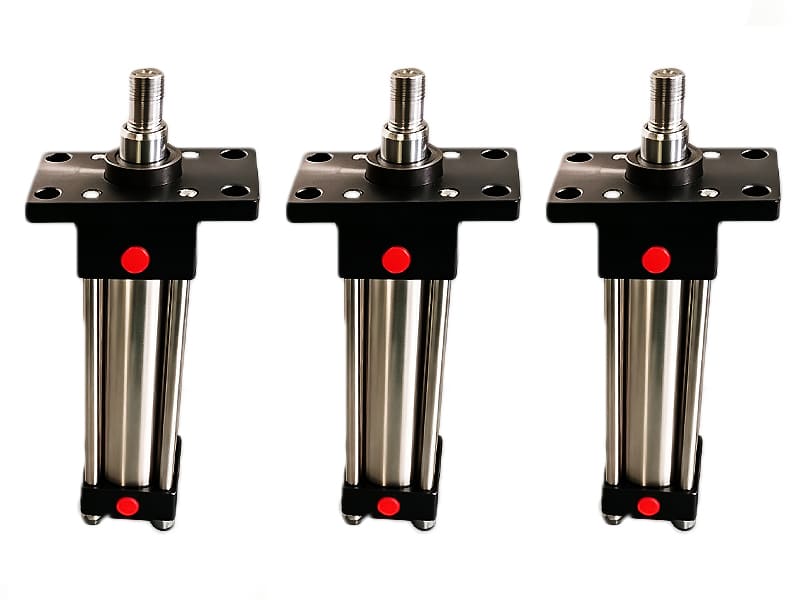
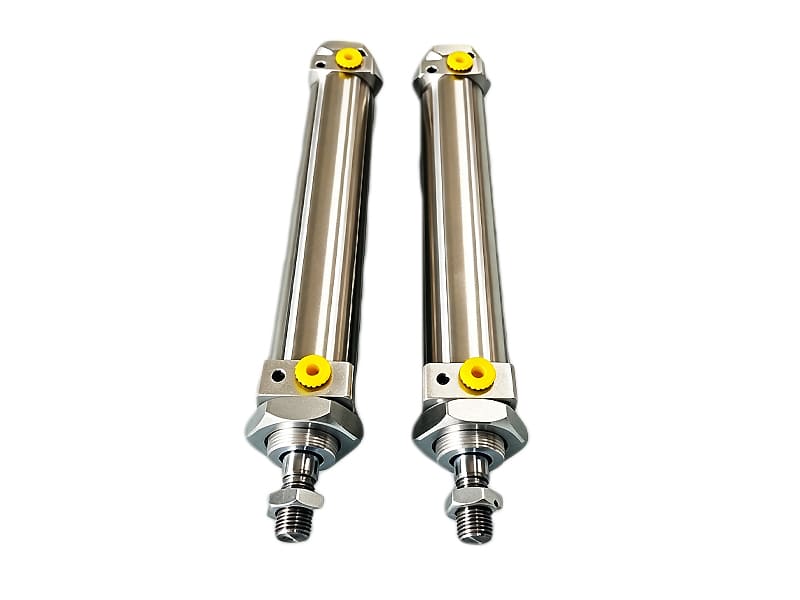
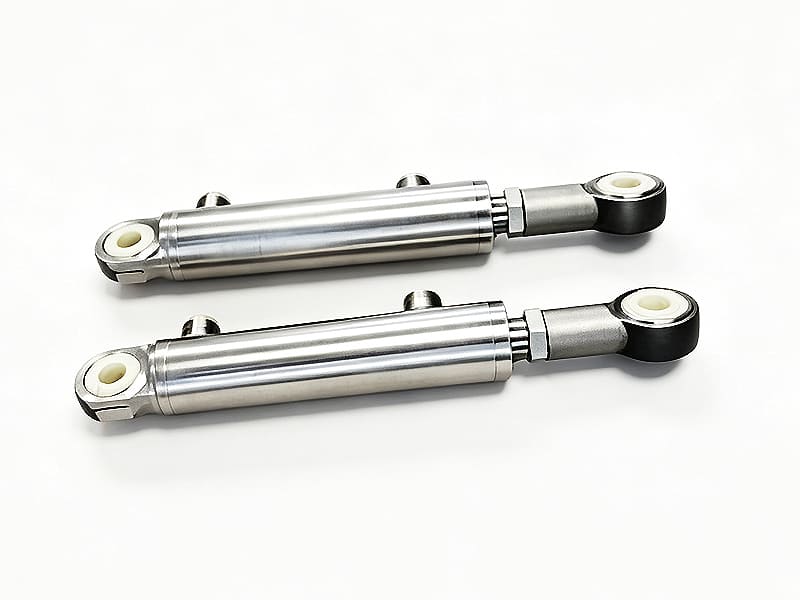
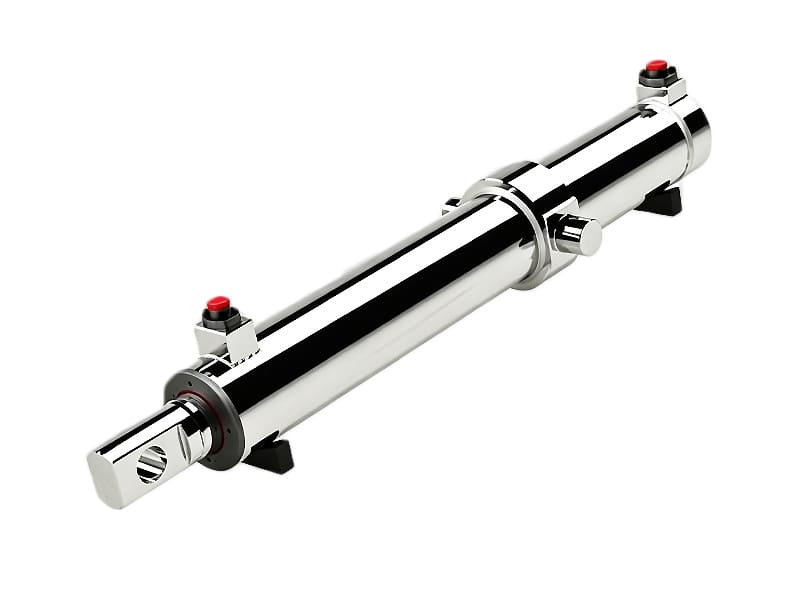
Stainless Steel Hydraulic Cylinders
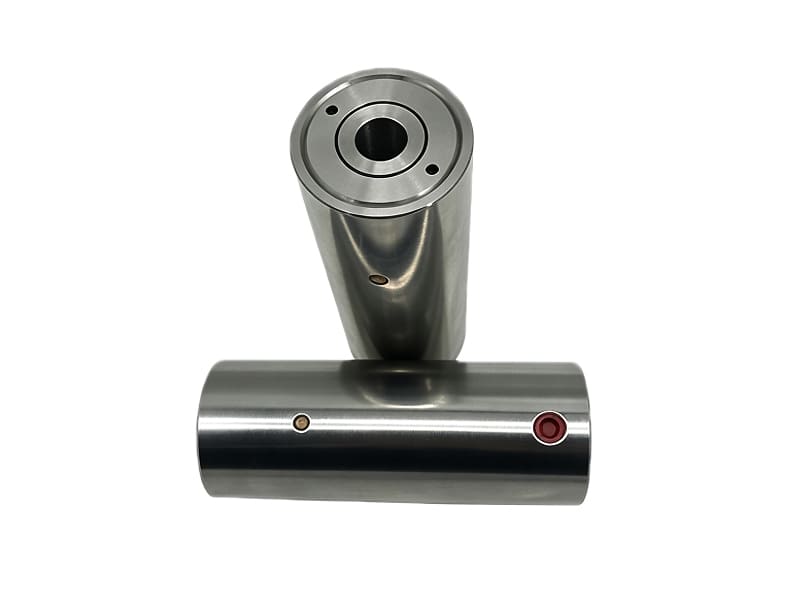
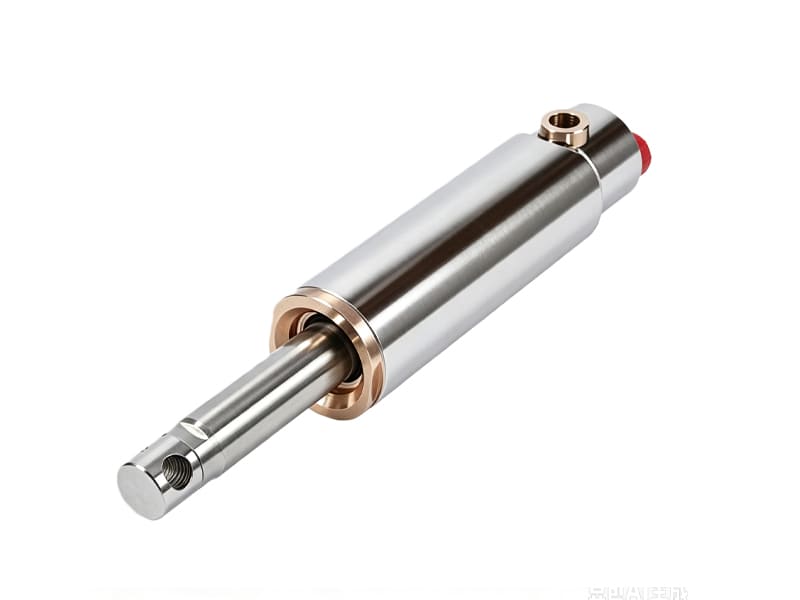
The main components of a stainless steel hydraulic cylinder, such as the cylinder tube and piston rod, are made of stainless steel. These cylinders can work at pressures up to 16 MPa. Compared with other hydraulic cylinders, stainless steel cylinders offer better corrosion resistance. In coastal salt-spray conditions, regular carbon steel gets badly rusted within 1-3 months, while stainless steel stays largely free of rust for 3-5 years. so they are widely used in coastal salt-spray, humid, and mild acid-alkali environments.
We typically use austenitic stainless steel for cylinder tubes and piston rods. The most popular grades are 304 and 316L. 304 works great for normal operating conditions. Go with 316L if your application involves high chloride-ion levels or sees constant seawater exposure.
Our stainless steel hydraulic cylinders are made by machining. We can produce custom cylinders according to your drawings or specifications.
Your Reliable Supplier of Stainless Steel Hydraulic Cylinders
Stainless Steel Hydraulic Cylinders
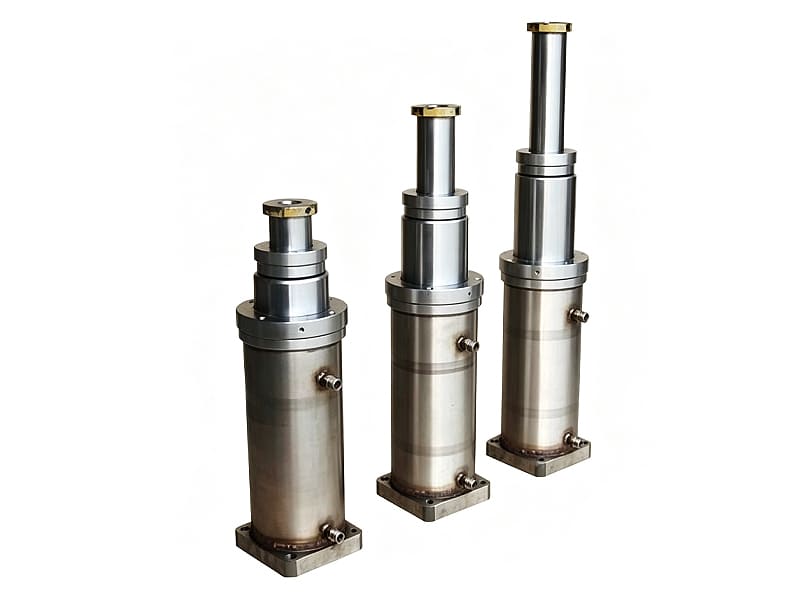
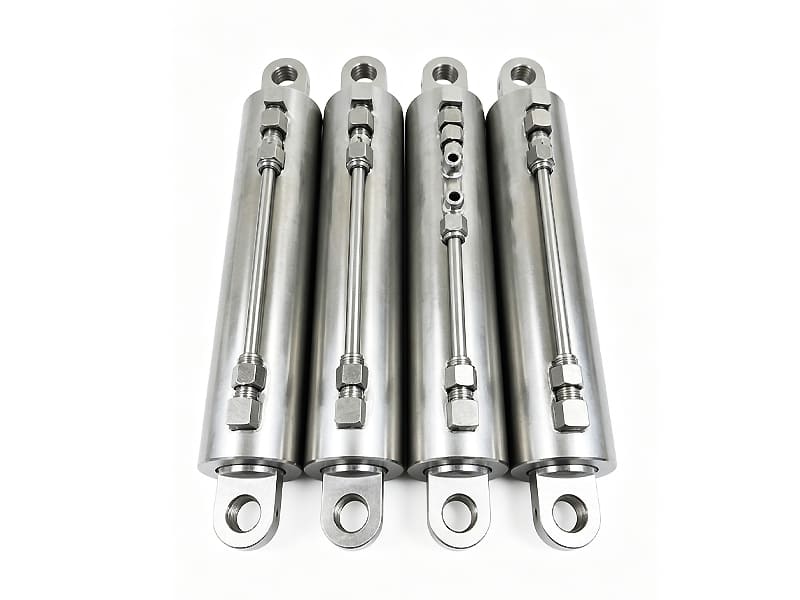
Applications of Stainless Steel Hydraulic Cylinders
Chemical Equipment
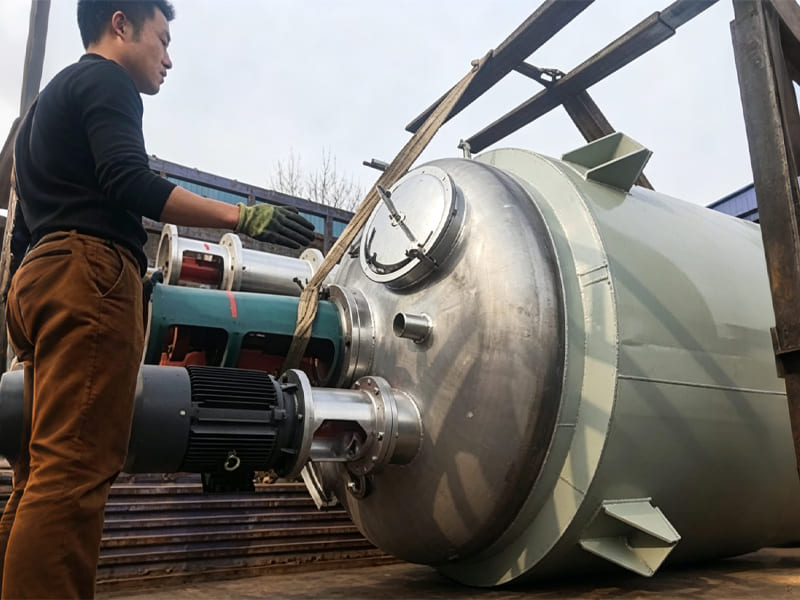
Stainless steel hydraulic cylinders power various valves on chemical equipment to open, close and switch media flow. These applications demand excellent corrosion and high-temperature resistance. Stainless steel hydraulic cylinders feature a protective chromium-oxide film, which helps them resist acid, alkali and salt-spray corrosion in chemical-plant environments. Besides, stainless steel also handles high temperatures better than regular steel.
Food-Processing Machinery
Pharmaceutical-Processing Machinery
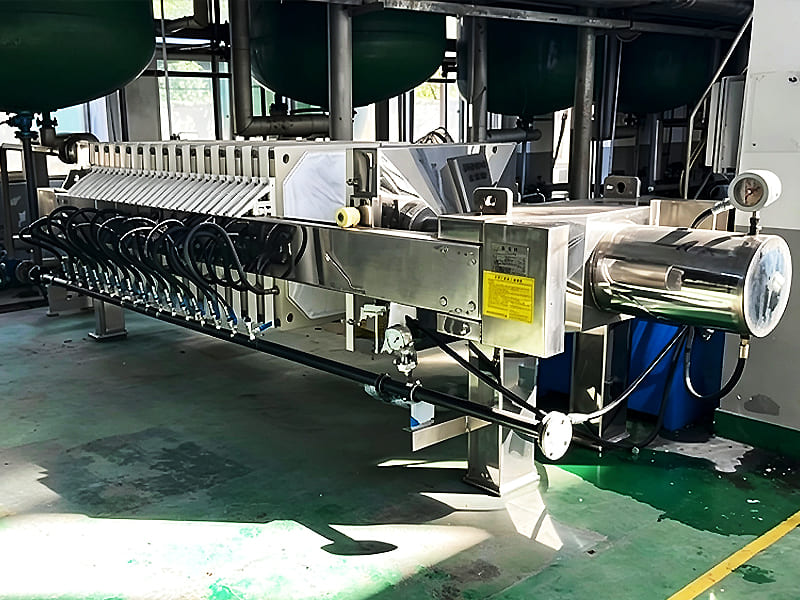
Stainless steel hydraulic cylinders are widely used in pharmaceutical-processing equipment. They power tablet presses to compress and form tablets. These applications demand great cleanability and high-temperature performance from the equipment. Stainless steel has a smooth surface, so powder does not stick easily. It can be cleaned thoroughly with simple rinsing. Besides, 316L stainless steel can handle repeated exposure to 121 °C high-temperature steam and resist surface rust well.
Semiconductor-Manufacturing Equipment
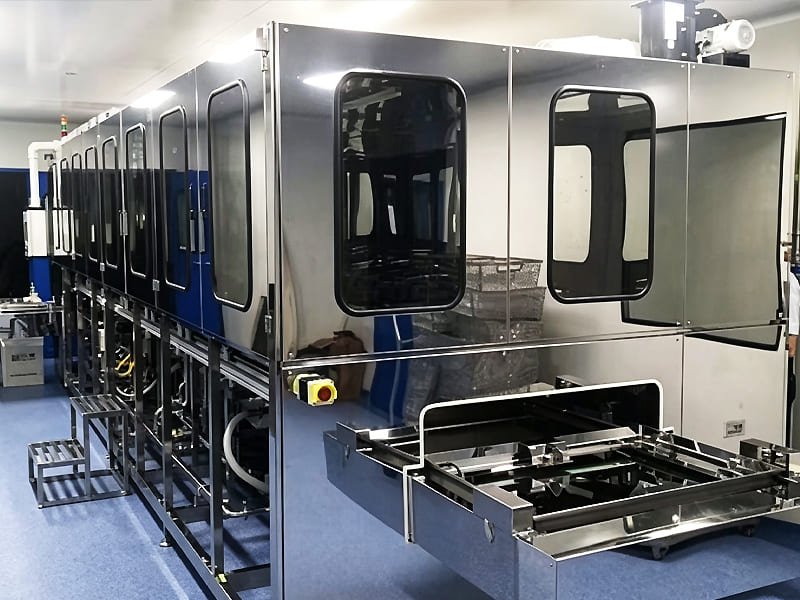
Stainless steel hydraulic cylinders power semiconductor manufacturing equipment such as wafer transfer machines and lithography machines, enabling robot-arm extension, retraction, lifting and work-table positioning. These applications demand great resistance to particle contamination and high-temperature deformation from the equipment. Smooth stainless steel bodies paired with hard-chrome-plated piston rods produce very few wear debris during operation. This keeps fine particles from contaminating wafers. Besides, stainless steel hydraulic cylinders do not deform easily even with fluctuating ambient temperatures, so lithography machines can run steadily.
Desalination Equipment
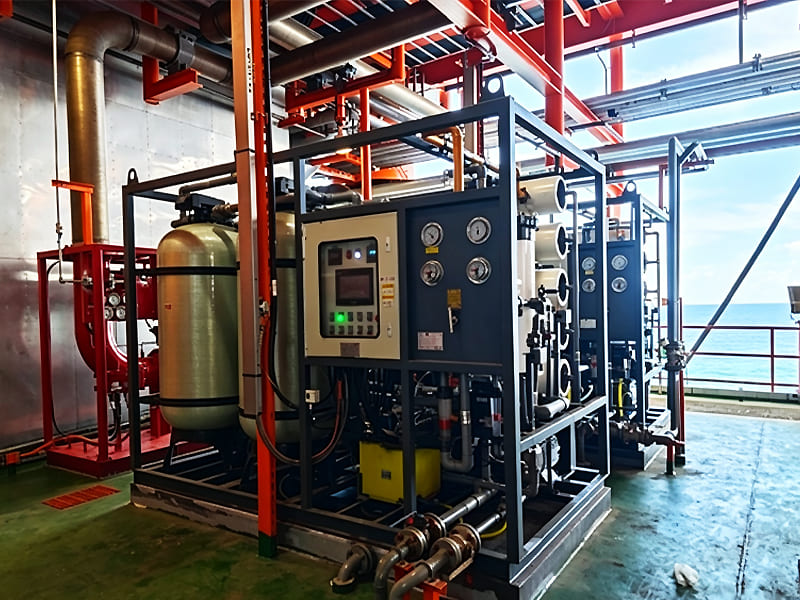
Stainless steel hydraulic cylinders are mainly used in various desalination equipment to power high-pressure valves and push or retract descaling scrapers. These applications demand strong resistance to chloride-ion corrosion. Seawater is high in chloride ions, and coastal areas see heavy salt-spray conditions. Stainless steel forms a dense, stable protective film to stand up to seawater and salt-spray corrosion.
Textile Printing and Dyeing Machinery
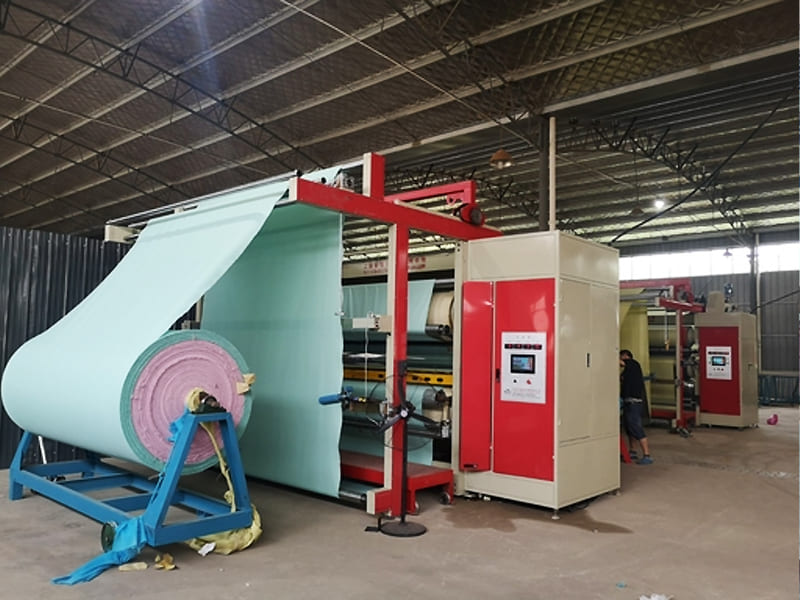
Stainless steel hydraulic cylinders power textile printing and dyeing machinery such as dyeing machines and heat-setting machines, enabling fabric lifting, swinging and fabric-width adjustment. These applications demand strong resistance to high-temperature oxidation and repeated hydraulic shock. Operating at around 200 °C, heat-setting machines make regular steel flake off and shed particles, while stainless steel produces almost no such debris, keeping contaminants off the fabric. Besides, dyeing machines shift direction very often, so cylinders face continuous hydraulic shock. Stainless steel offers good shock resistance and is less likely to crack.
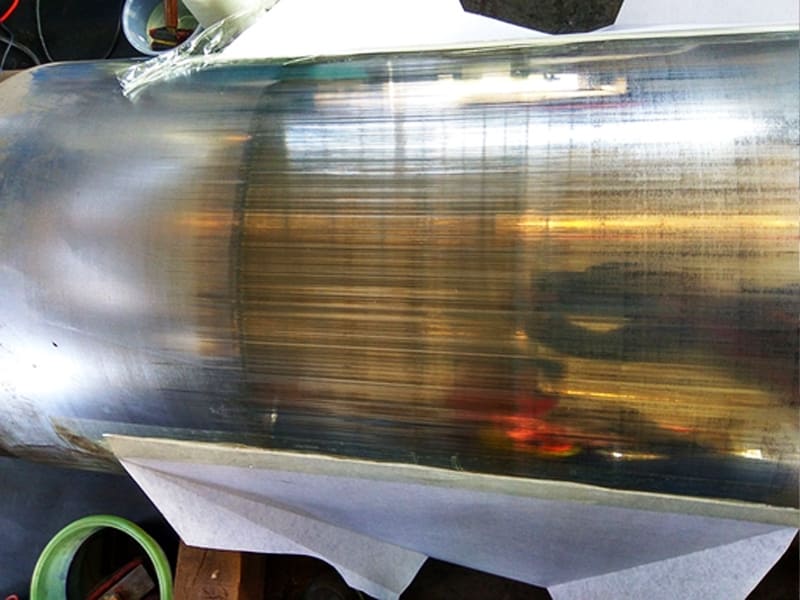
Galling on Stainless Steel Hydraulic Cylinders
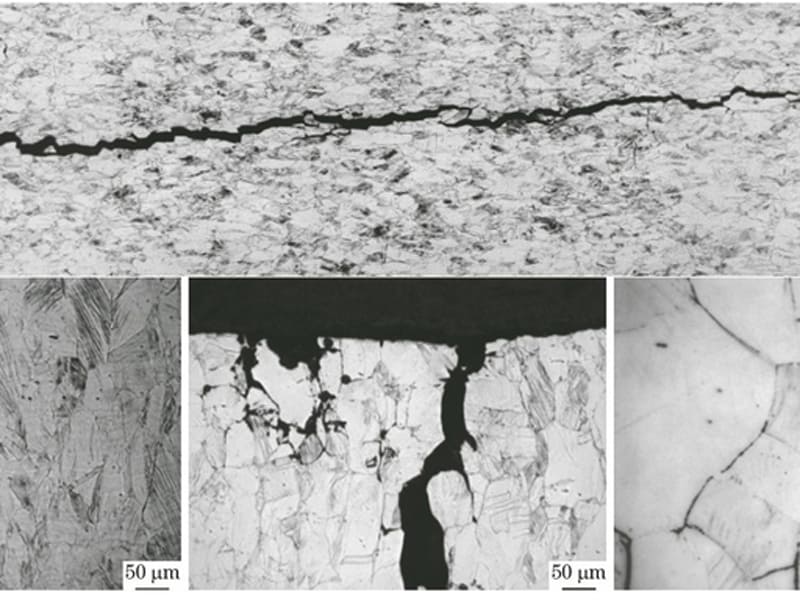
Stress Corrosion Cracking on Stainless Steel Hydraulic Cylinders
Magnetic Transformation on Stainless Steel Hydraulic Cylinders
Certifications
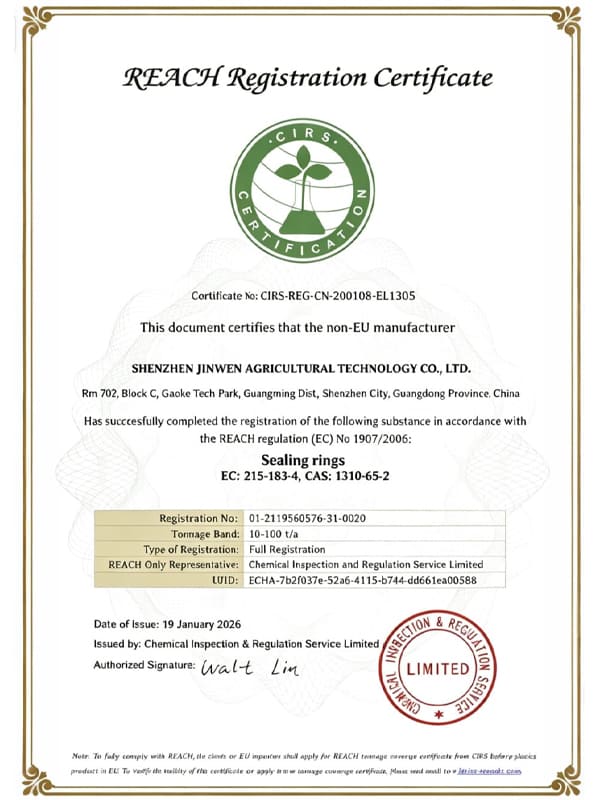
REACH Certificate
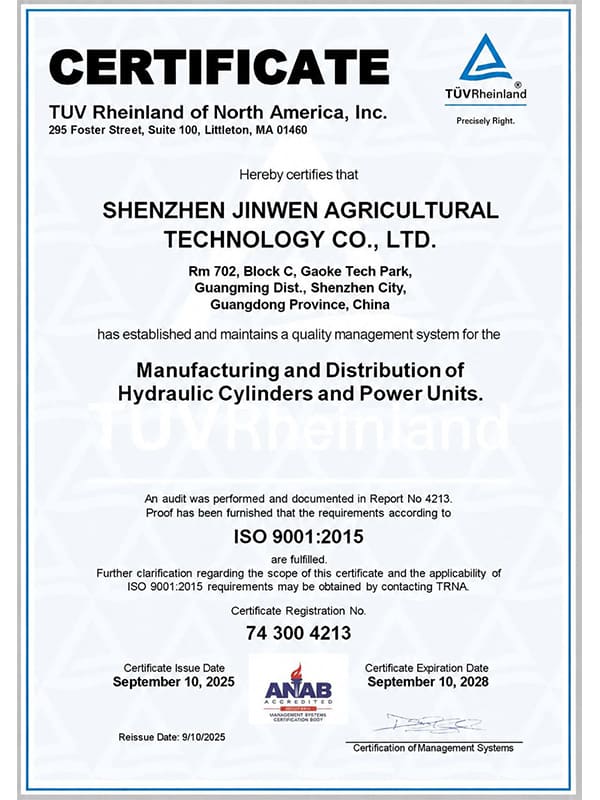
ISO 9001 Certificate
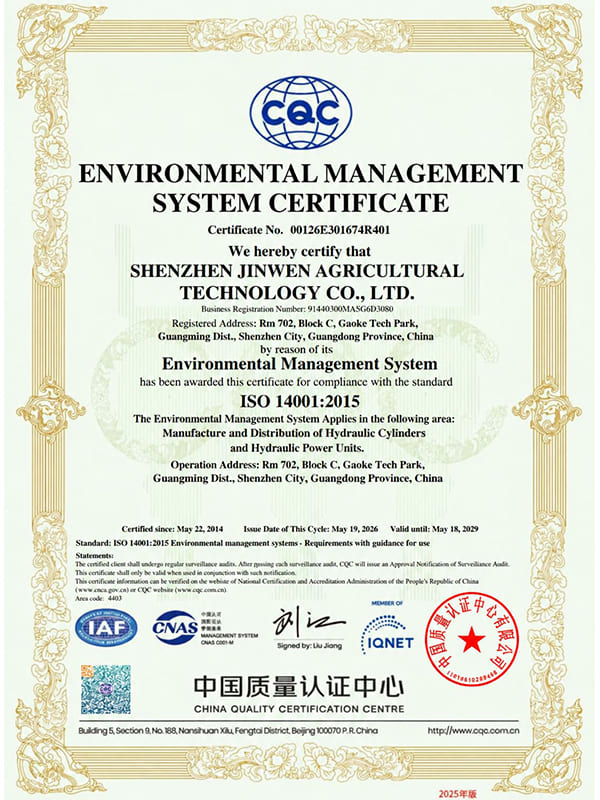
ISO 14001 Certificate
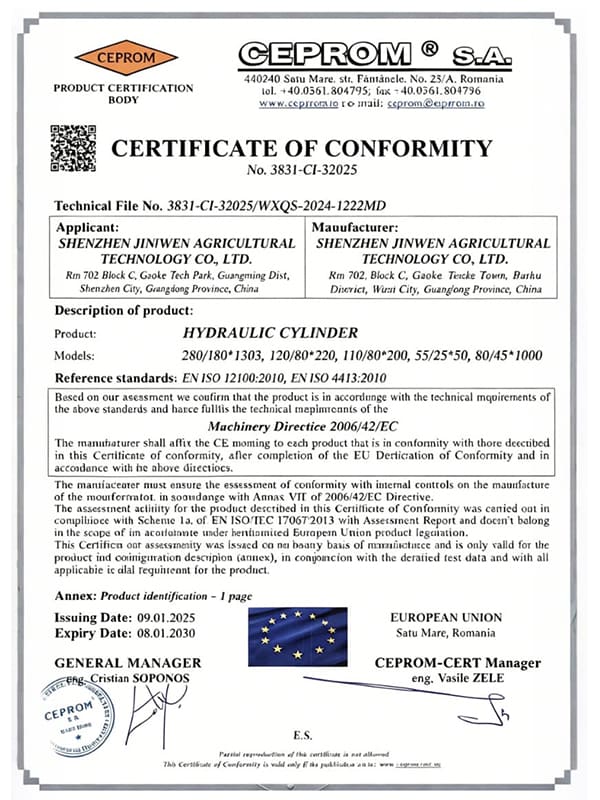
Certificate of Conformity
Why Work with Us
Condition-Driven Material Optimization
Sensitization-Free Welding Control
We can prevent local loss of corrosion resistance around welds after stainless-steel welding.
Stable Non-Magnetic Structure Process
We can keep cylinder magnetism at a very low level, so it will not disrupt equipment sensitive to magnetic fields.
Rapid Prototyping
We can quickly produce samples according to your drawings for your on-site assembly and testing.
How to Customize Your Stainless Steel Hydraulic Cylinders
Send Your Drawing
Provide us the detailed drawing or physical sample or critical dimensions, working pressure, mounting details.
Working Environment
Whether the cylinders works in high temperature, humidity, salt spray, dust and high frequency, pressure.
Get Quick Quote
We review all details of drawing and requirements and provide optimization suggestions with our experiences if necessary.
Production Procedure
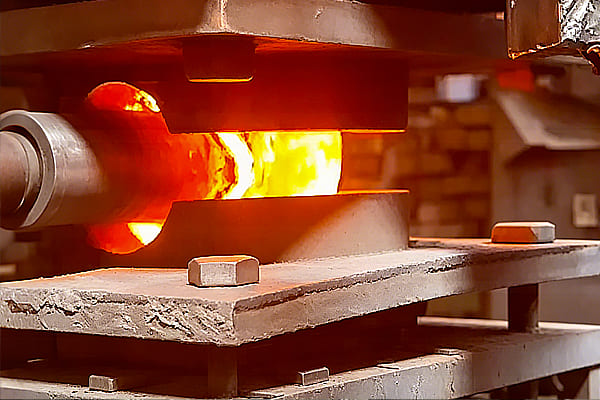
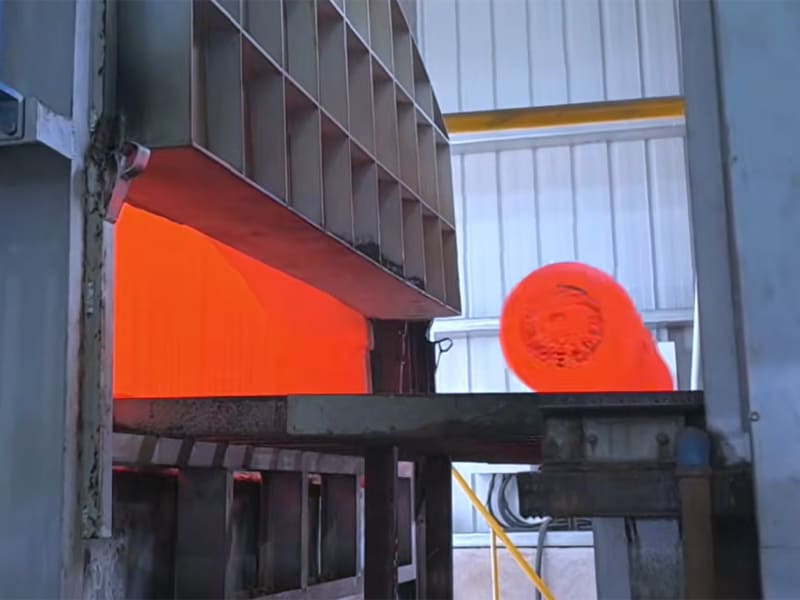
Integral forging
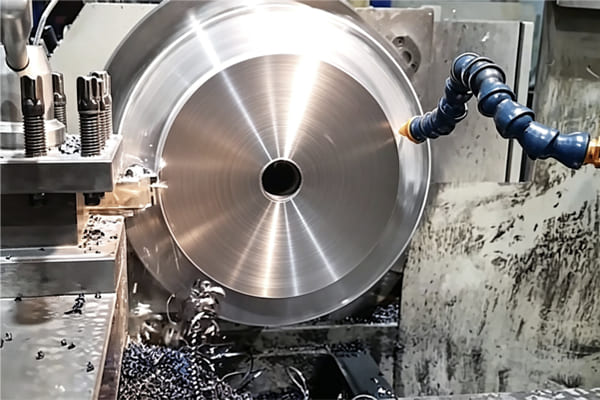
Turning
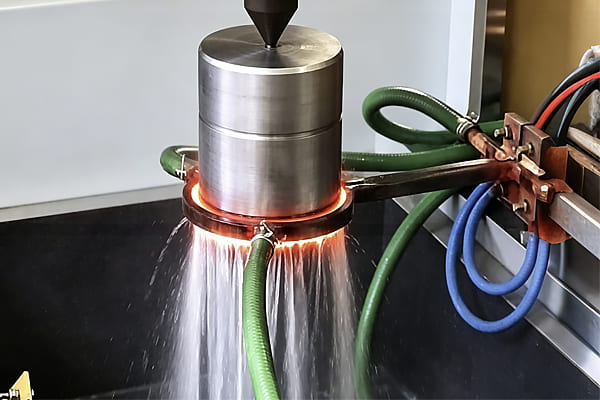
Induction hardening
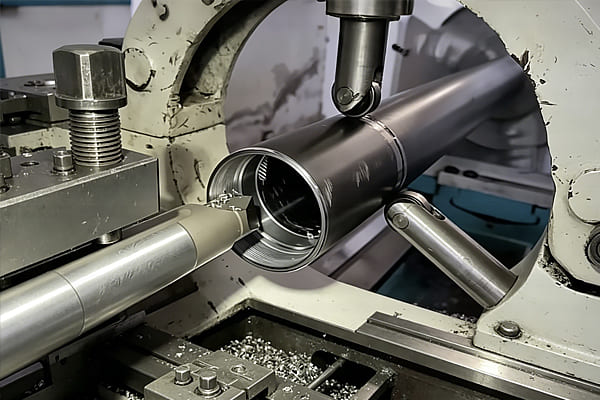
Cylinder barrel turning
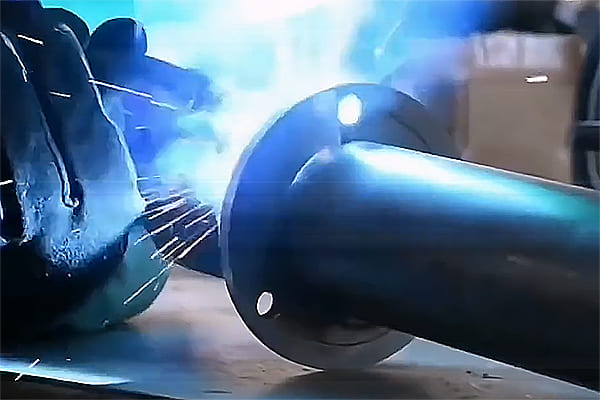
Welding
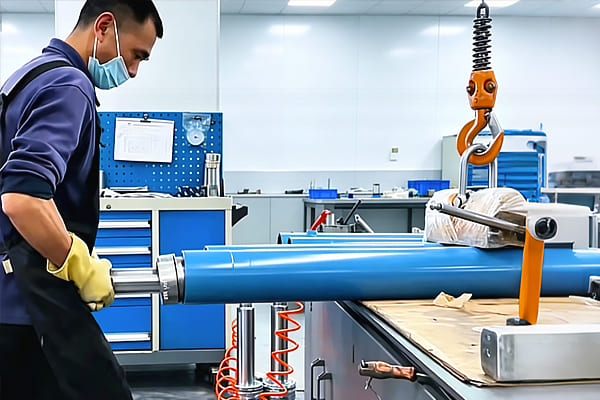
Assembly
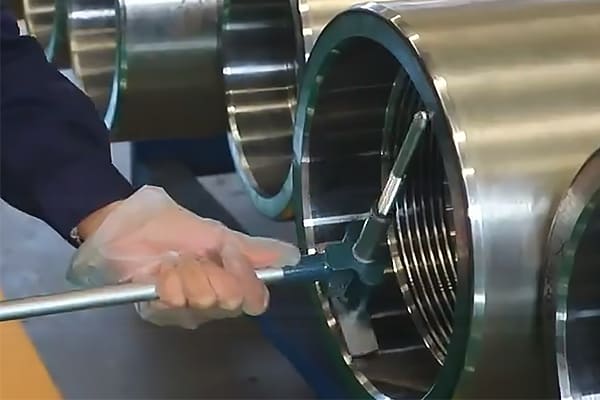
Dimensional measurement
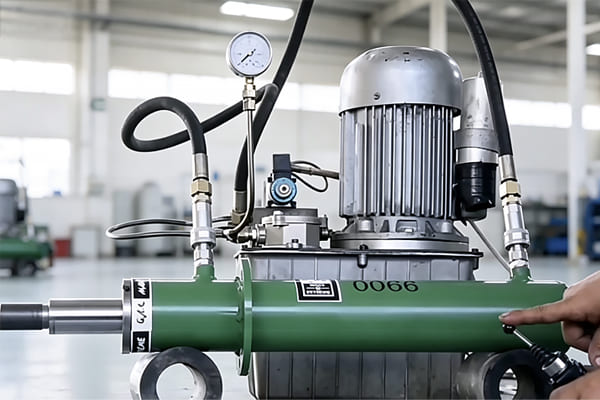
Pressure test