
High Pressure Hydraulic Cylinders Manufacturer
Bore sizes from 30 mm to 500 mm.
MOQ starts from only 1 piece.
Send us your drawings or specs for an engineering review and quote.
Brands We Serve in Hydraulic Industry













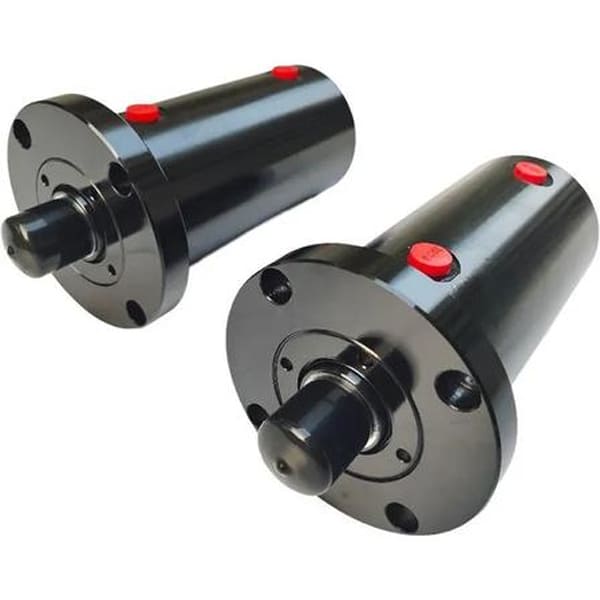
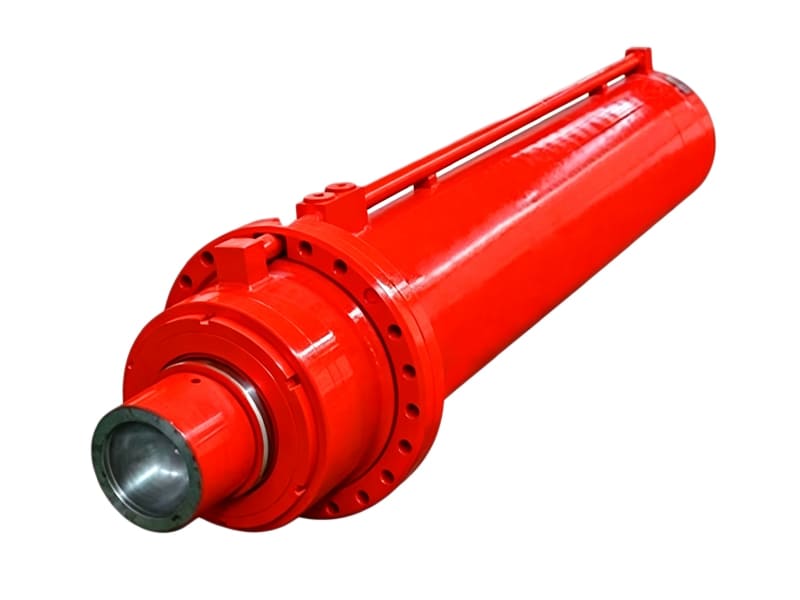
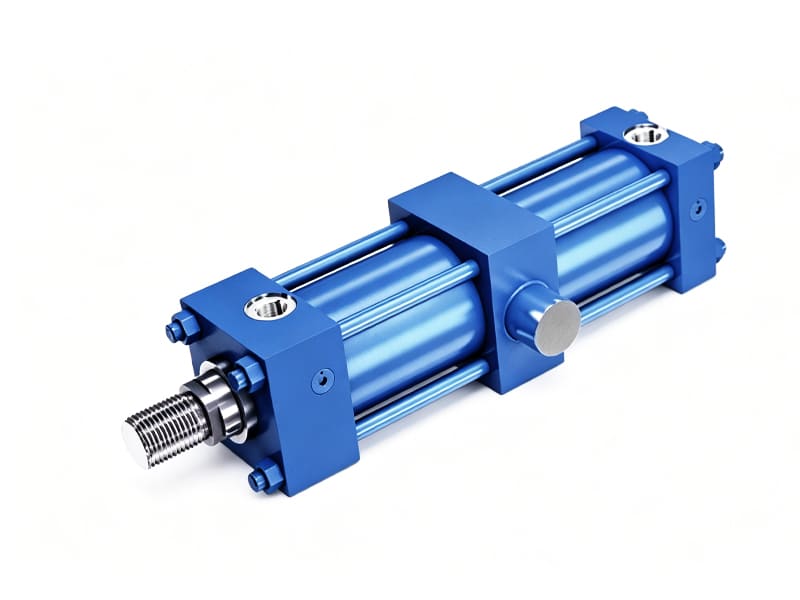
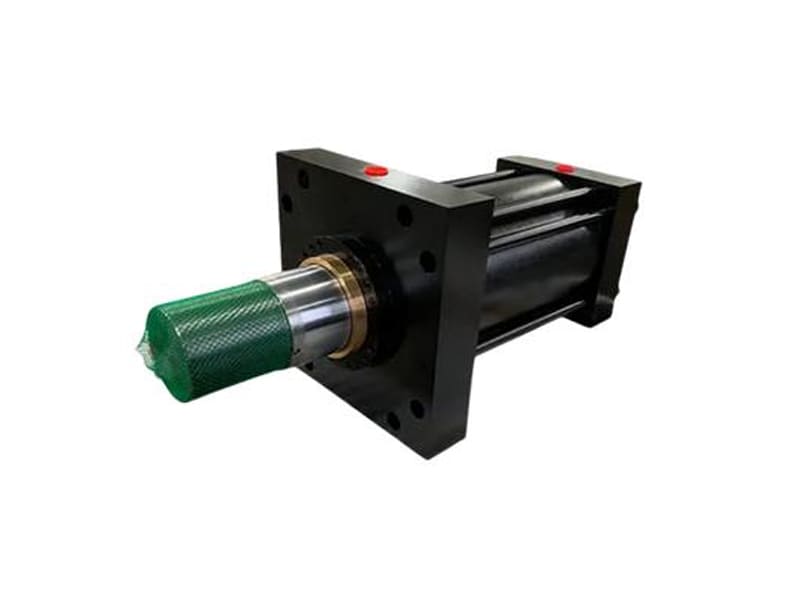
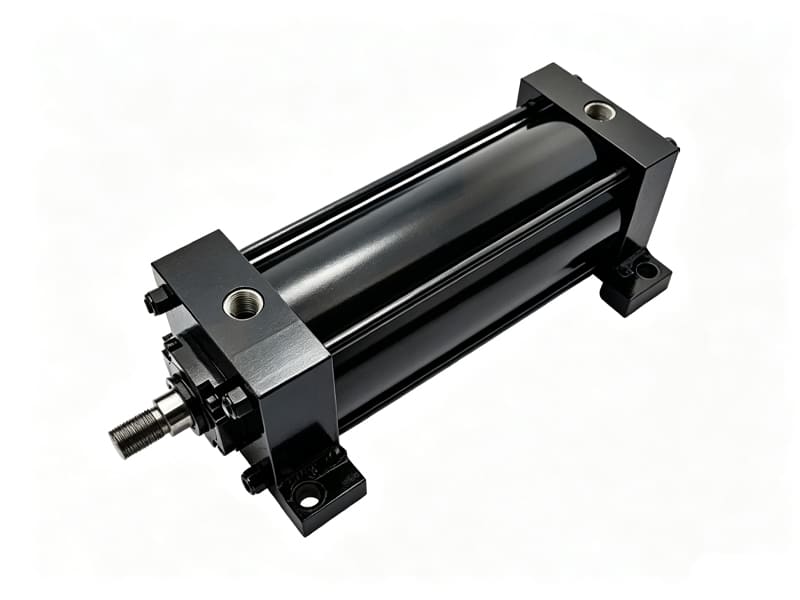
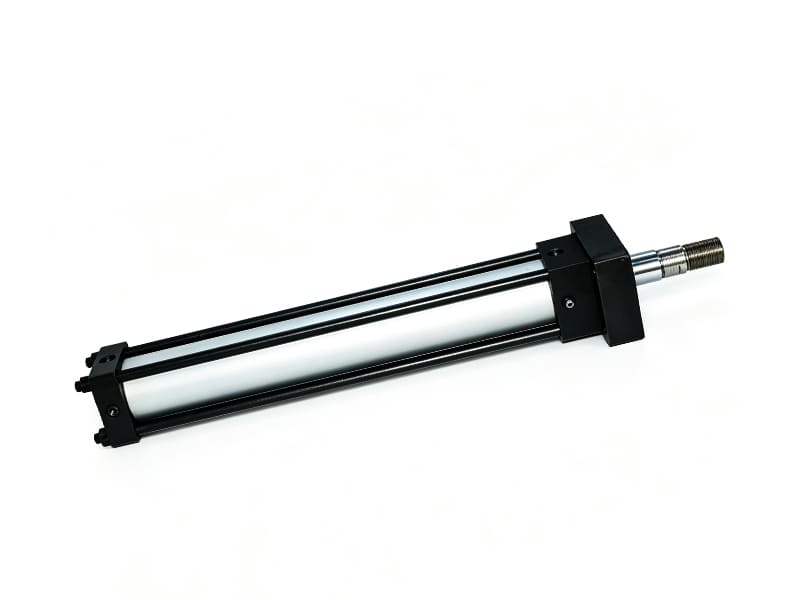
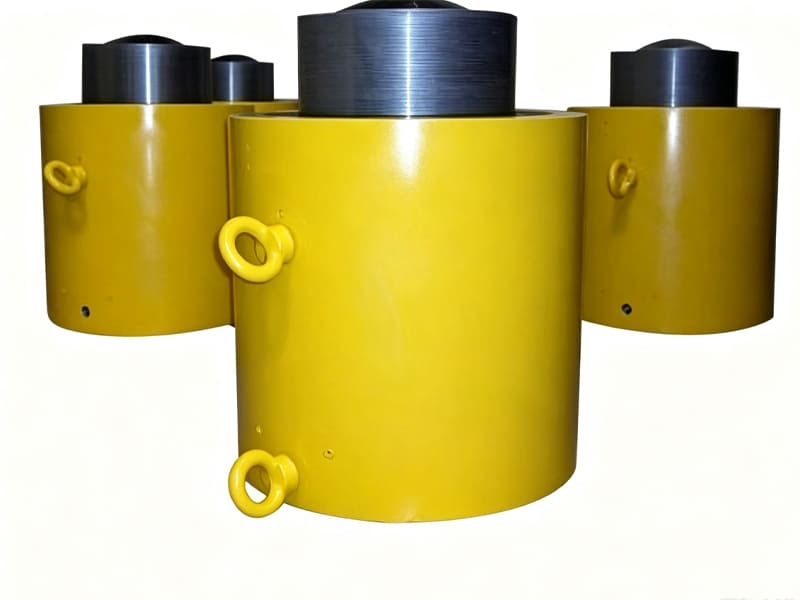
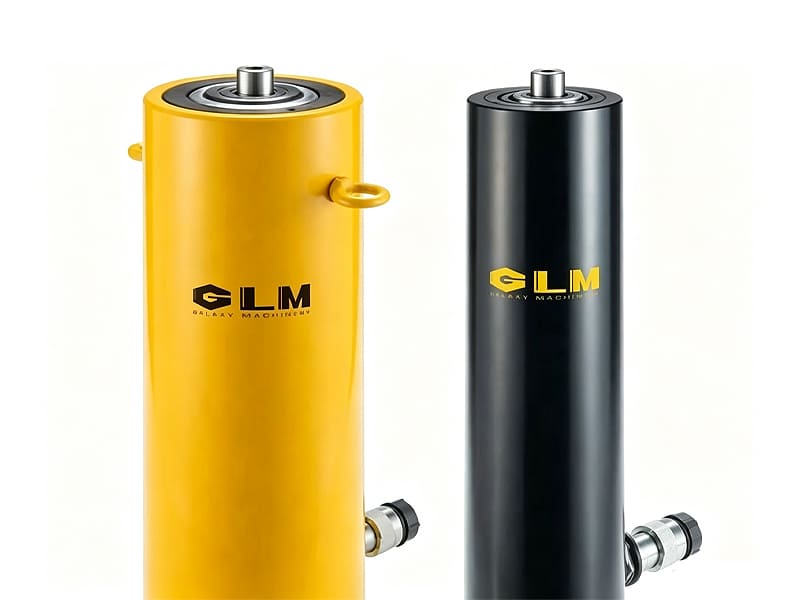
High Pressure Hydraulic Cylinders
High pressure hydraulic cylinders are heavy-duty units working at 20-30 MPa. Compared with standard cylinders of the same bore size, their tube walls are 40-70 % thicker to withstand higher internal pressure. They are widely used for heavy-duty work on construction and mining machinery.
We use 27SiMn seamless steel tubes for our cylinder barrels. We apply quenching and tempering treatment to them, giving them a yield strength above 835 MPa. This keeps barrels from expanding or deforming under high pressure. We recommend seals according to your hydraulic oil type and actual operating temperature. For normal working conditions, nitrile rubber is a good option. It resists swelling and aging during long-term contact with hydraulic oil. If your operating temperature runs high, we suggest FKM. It delivers superior heat resistance for continuous service up to 200 °C.
We can build custom cylinders according to your drawings or specifications. Every cylinder goes through a 1.5× rated-pressure leak test before shipment.
Your Reliable Supplier of High Pressure Hydraulic Cylinders
Compared with standard hydraulic cylinders, high pressure units endure constant internal pressure of 14-21 MPa. This puts much higher squeeze force on seals and creates strong outward expansion stress on cylinder barrels. If you pick the wrong seals or the barrel bore is not machined accurately enough, seals will wear out quickly. This causes oil leakage, and at worst, even barrel rupture.
With over ten years of experience in high pressure hydraulic cylinder manufacturing, we make all our barrels from seamless steel tubes meeting YB/T 4934. For construction-machinery cylinders, we use precision tubes with 80-500 mm inner diameter and 500-1000 MPa yield strength. This reduces outward barrel expansion under high pressure. For 14-21 MPa working pressure, we fit seals of 92-97 Shore A hardness, which resist being squeezed into component gaps and tearing. For pressure over 21 MPa, we go with fabric-reinforced V-packing seals. Their internal fabric layer handles heavy compression. This allows continuous operation up to 40 MPa, helping to lower the risk of seal damage.
We offer highly flexible custom solutions for OEM hydraulic cylinders with adjustable materials, processes and mounting styles.
High Pressure Hydraulic Cylinders
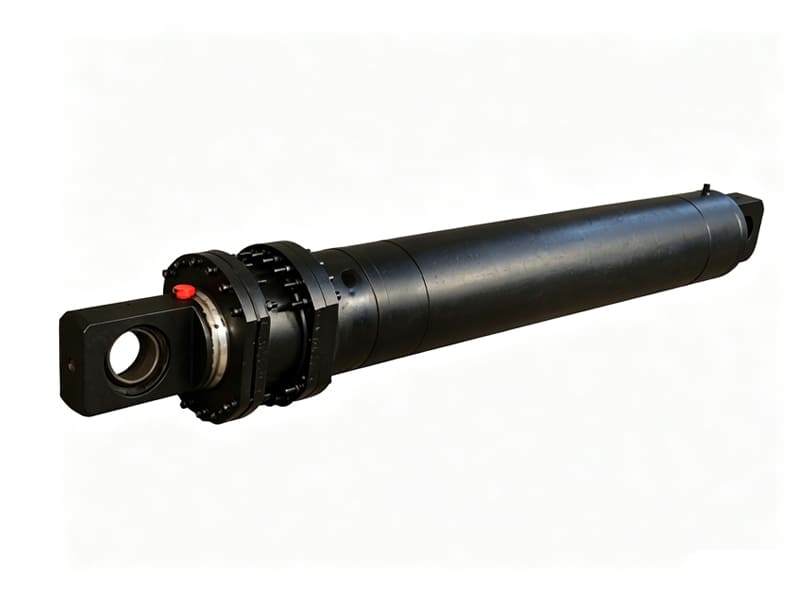
Applications of High Pressure Hydraulic Cylinders
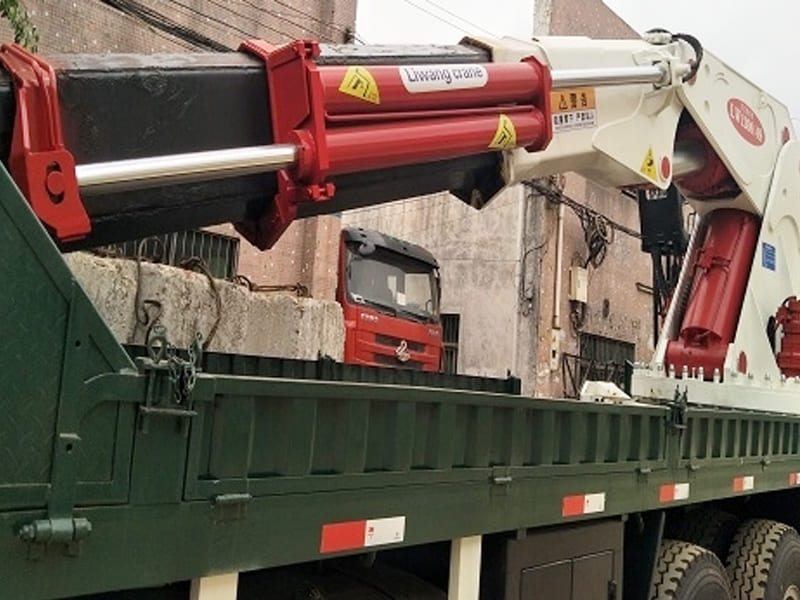
Lifting-Transport Machinery
High pressure hydraulic cylinders power cranes and aerial work equipment for lifting and boom extension. These applications demand high thrust from cylinders, which also need to fit limited mounting spaces. At equal thrust output, a 25 MPa high pressure cylinder has a 25 mm smaller bore than a 16 MPa medium-low pressure unit, so it is better suited for equipment with limited installation space.
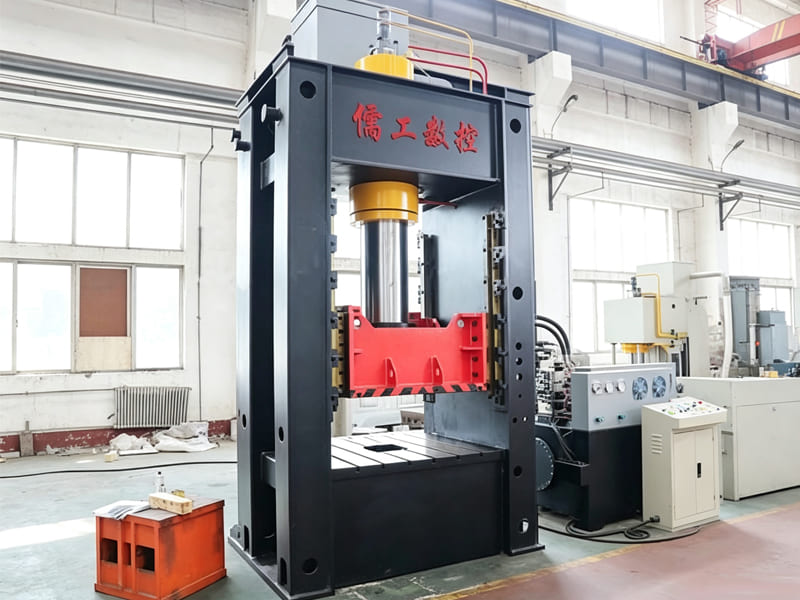
Metal-Forming Equipment
High pressure hydraulic cylinders power metal-forming equipment such as hydraulic presses for pressing and workpiece ejection. These applications demand very high tonnage thrust. High pressure cylinders work at 25-40 MPa, so they can supply the pressing force needed for metal forming and satisfy workpiece forming requirements.
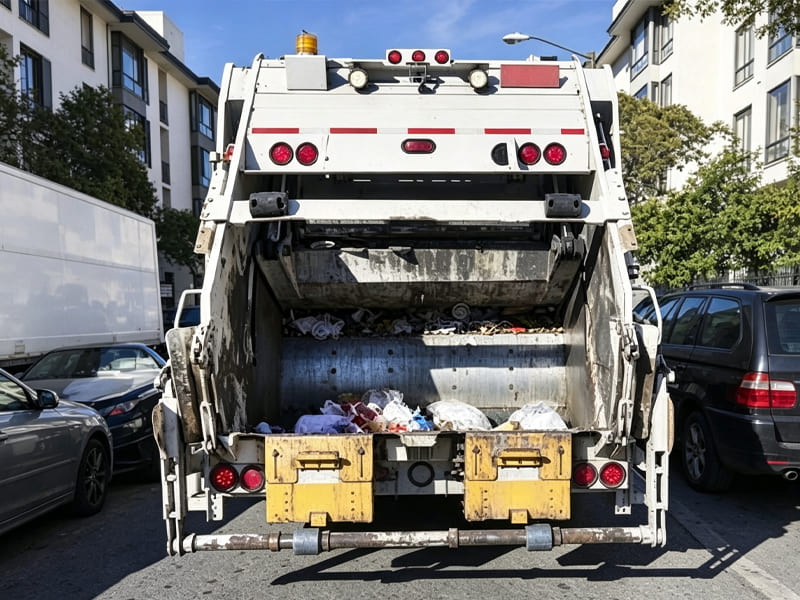
Sanitation Machinery
High pressure hydraulic cylinders power sanitation machinery including rear-loader garbage trucks and street sweepers for waste compression, hopper tipping and brush lifting. For these applications, cylinders need good shock resistance, side-load tolerance and strong corrosion resistance. High pressure cylinders have a piston guide bearing length 1.2-1.5 times the piston rod diameter, so they stand up to shocks and side loads from waste compression. At the same time, piston rods feature heavy-duty chrome plating together with hydrolysis-resistant polyurethane seals. This combination resists corrosion from waste leachate and acid and alkaline wash water.
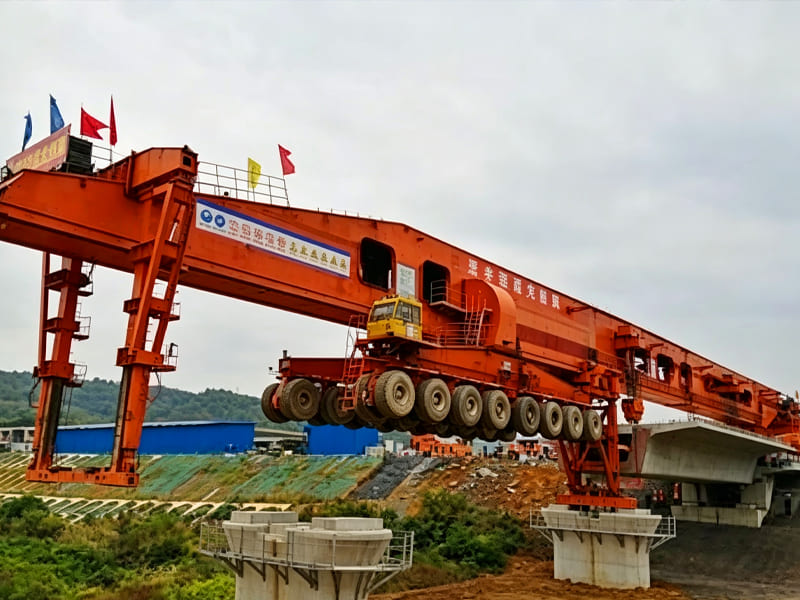
Road-Bridge Construction Machinery
High pressure hydraulic cylinders power road-and-bridge construction machinery such as bridge erecting machines and pile drivers for jacking, shifting and pile-hammer lifting. These applications demand reliable pressure-holding and locking performance from cylinders. High pressure cylinders use PTFE composite seals, with internal leakage kept below 0.5 mL/min. When fitted with hydraulic locks, they deliver dependable locking to stop suspended heavy loads from dropping and secure construction-site safety.
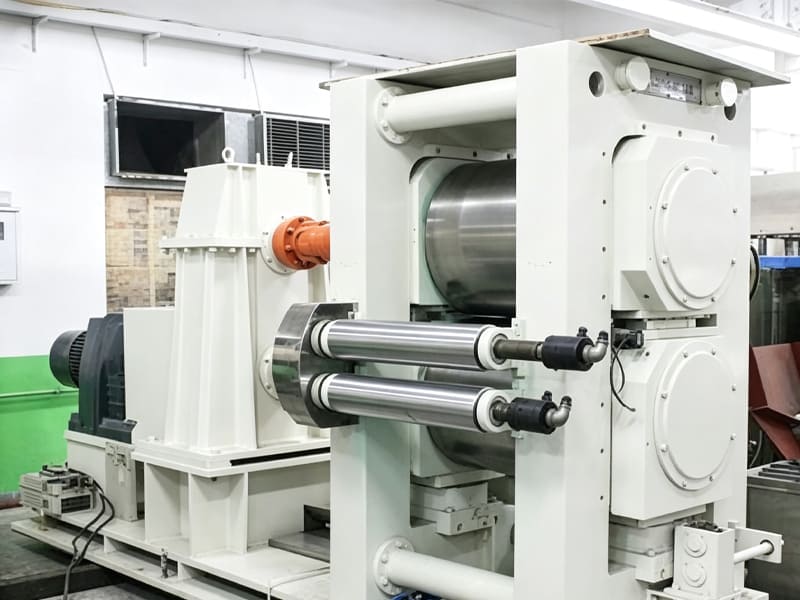
New-Energy Equipment
High pressure hydraulic cylinders power new-energy equipment such as lithium-battery roller presses and solar tracking brackets for material rolling and bracket angle adjustment. These applications demand high thrust output in confined spaces and fast response from cylinders. High pressure cylinders can deliver 70-ton thrust with a maximum bore size of 200 mm. They also feature a smaller bore diameter, so they require far less oil volume. This cuts the overall response lag of the cylinder unit by around 20 % compared with low-pressure systems.
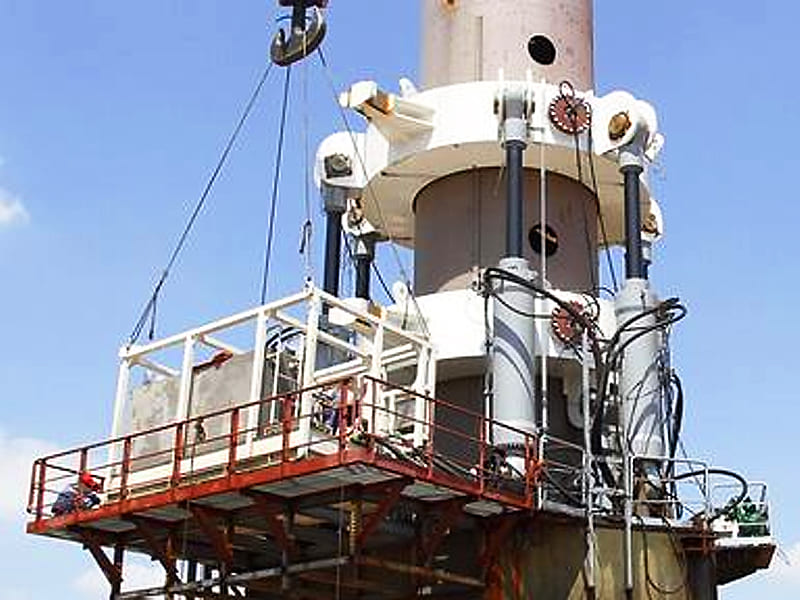
Offshore Equipment
Our high pressure hydraulic cylinders power marine equipment like offshore drilling platforms and subsea valves for leg jack-up and subsea valve actuation. These applications demand strong corrosion resistance and high side-load tolerance from cylinders. We fit piston rods with thick chrome plating plus ceramic coating, paired with salt-fog and hydrolysis-resistant FKM seals. This design withstands long-term seawater exposure and salt-fog corrosion. Our guide sleeves and wear bands run roughly 50% longer than standard units. We hold piston-to-barrel clearance within 0.05-0.10 mm, a combination that handles wave-driven eccentric sway loads, preventing scoring of the barrel bore.
Thrust Drop from Internal Leakage on High Pressure Hydraulic Cylinders
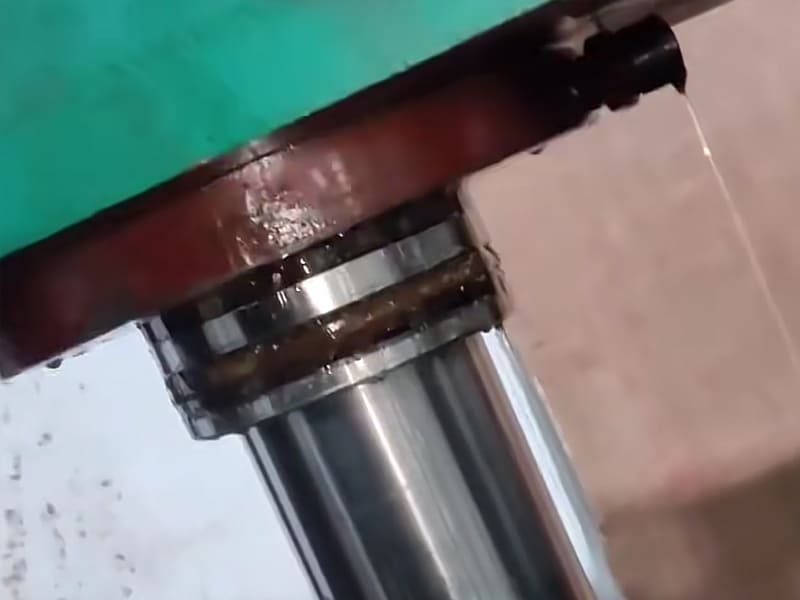
Thrust drop is a common failure for high pressure hydraulic cylinders. Cylinders generate thrust from the pressure difference between high-pressure and low-pressure chambers. When internal leakage occurs, oil from the high-pressure chamber flows straight into the low-pressure chamber. This reduces the pressure differential and cuts the cylinder’s effective working pressure, leading to thrust drop. This internal oil bypass mostly comes from failed piston seals. High-pressure fluid forces the piston seal into piston-barrel clearances, causing seal roll-over and loss of sealing performance.
To solve this problem, we process cylinder bores following these sequential steps: rough boring, semi‑finish boring, temperature-controlled fine boring and roller burnishing. We keep bore surface roughness below Ra0.2 μm and roundness within 0.02 mm. Even with minor seal wear, oil cannot form leakage paths. Most high-pressure cylinders use 0.02-0.05 mm radial clearance between piston and barrel. We narrow this clearance to 0.02-0.03 mm, and adopt wider wear bands. This minimizes piston tilt under side loads and prevents excessive one-sided stress on the seal rings.
Fatigue Cracks in Cylinder Tubes on High Pressure Hydraulic Cylinders
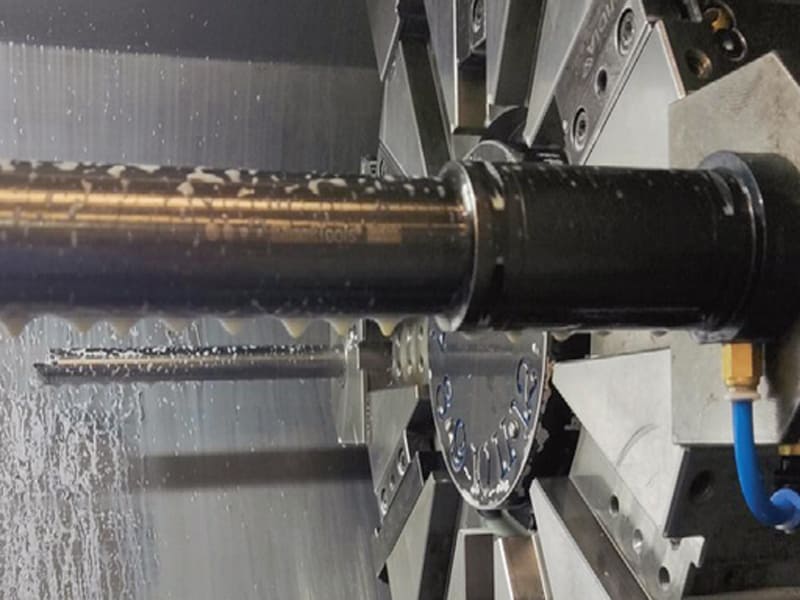
Under high-pressure conditions, the inner wall of high pressure hydraulic cylinders bears the maximum hoop stress, so most cracks appear on the bore surface. One cause is non-metallic inclusions such as sulfides and oxides within the steel matrix. When the cylinder undergoes repeated pressure cycles, stress concentrates at these impurities, forming micro-cracks. Besides, insufficient tool cooling during fine boring causes thermal damage to the bore surface and forms brittle white layers, which crack under the impact of high-pressure oil.
To lower the risk of cylinder bore cracking, we proactively check working pressure and cycle frequency with customers upon receiving their drawings. When working pressure exceeds 25 MPa and expected pressure cycles go above 100 000, we recommend upgrading from standard 45# steel to 27SiMn, which delivers a tensile strength of 980 MPa and yield strength of 835 MPa after quenching and tempering. We also use multi-pass fine boring for cylinder bores. Coolant is supplied through the boring bar and sprayed directly onto the tool tip to remove cutting heat. This reduces the possibility of brittle white layers on the bore inner wall.
Piston Rod Bending under Side Loads on High Pressure Hydraulic Cylinders
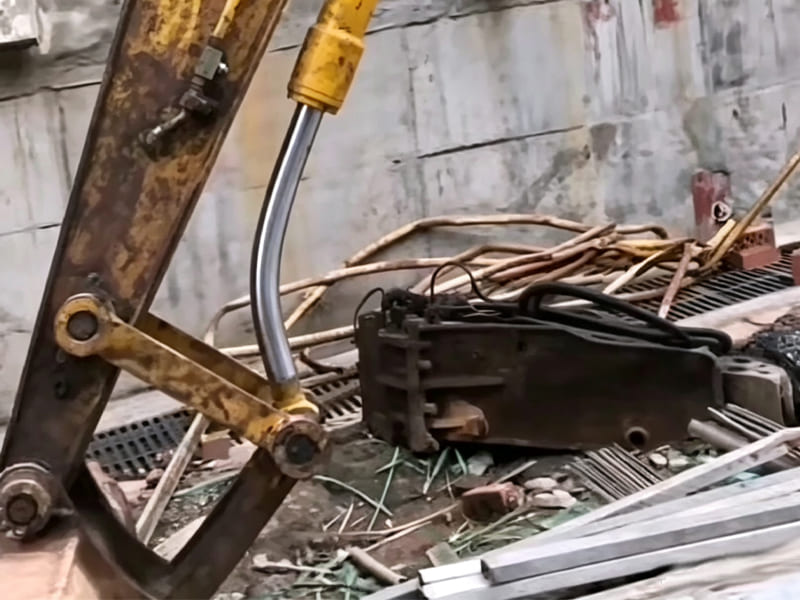
When the high pressure hydraulic cylinder is operating, it builds up lateral bending moments. The further the piston rod extends, the greater the risk of piston-rod buckling. Many customers tend to ignore the effects of lateral loads when selecting hydraulic cylinders. If the actual operating load approaches or even exceeds the theoretical critical buckling value of the piston rod, the piston rod will bend and deviate. Eccentric motion resulting from continuous operation causes uneven seal wear, which leads to gradual oil leakage of the cylinder. The bent and deformed piston rod is often only discovered upon disassembly and inspection.
To reduce the risk of this piston-rod bending failure, we apply two key measures: diameter optimization and heat treatment. Take our mining lifting cylinder for example. We enlarged the piston-rod diameter from 80 mm to 85 mm, which greatly boosts its bending resistance and raises the critical buckling load from 4.5 tons to 6.2 tons. For our piston rods, we select 40Cr steel. After rough turning, we perform quenching and tempering to preserve the toughness of the rod core. We then carry out medium-frequency quenching and keep the hardened-layer depth within 1.8-2.2 mm. This gives the rod excellent surface wear resistance, while the core can resist bending deformation.
Certifications
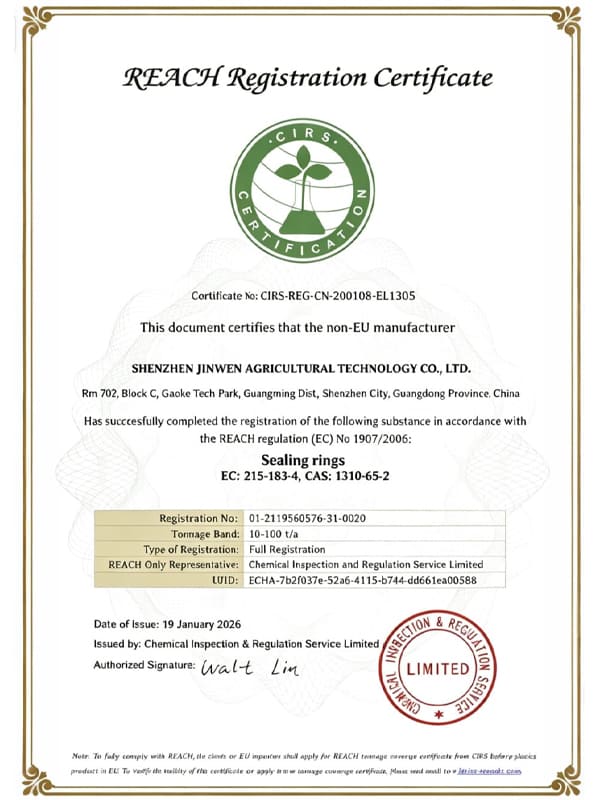
REACH Certificate
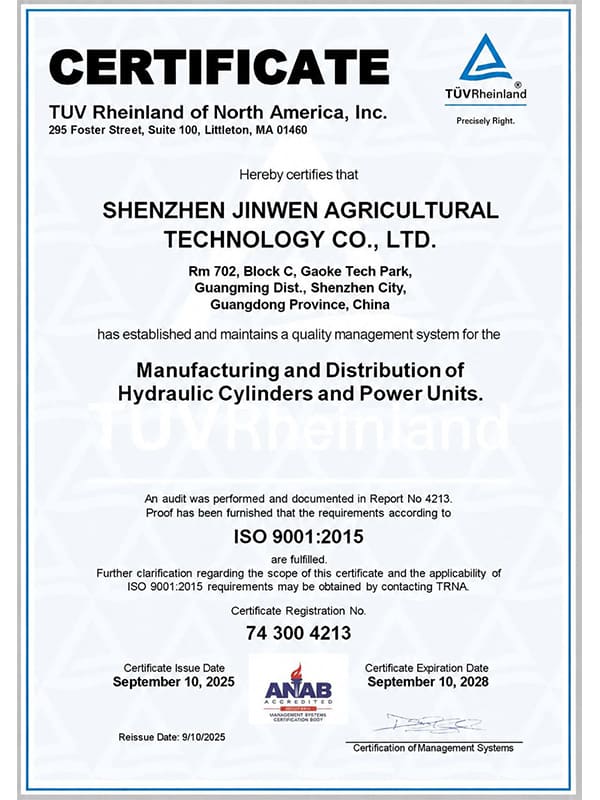
ISO 9001 Certificate
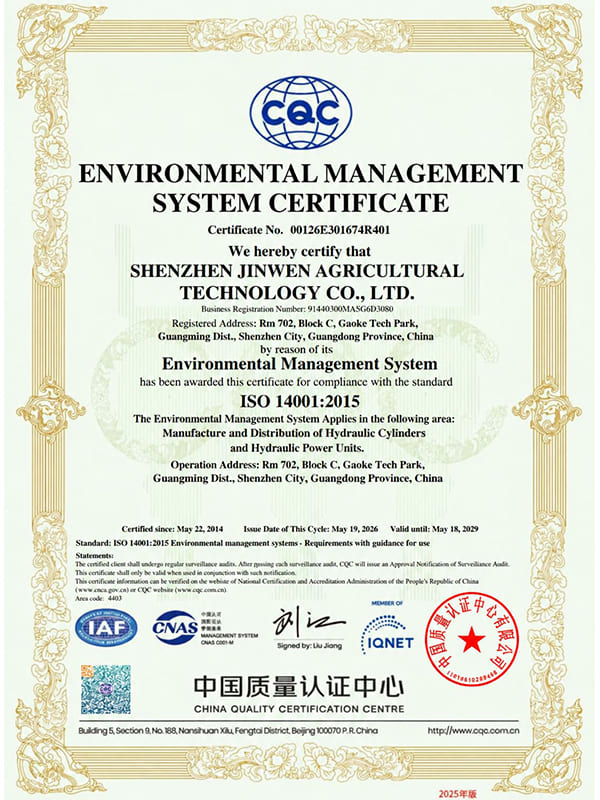
ISO 14001 Certificate
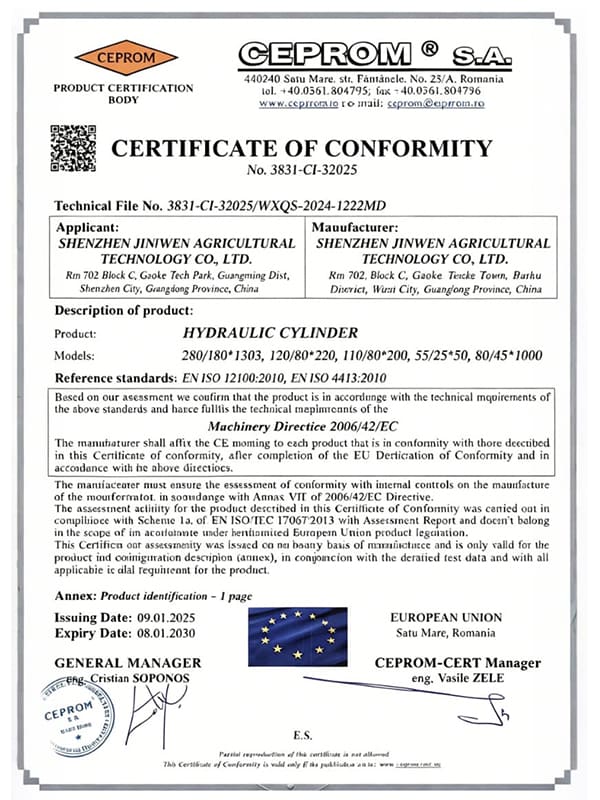
Certificate of Conformity
Why Work with Us
Advanced Sealing System Selection for Extreme Pressures
We will work from your drawing-based data such as peak pressure and operating temperature to offer you combined sealing options from multiple international brands.
Precision Machining of Piston Rods and Cylinder Tubes
We rough-bore and hone our cylinder tubes, and apply centerless grinding and polishing to piston rods to get their outer-surface roughness down to Ra0.2.
Condition-Based Optimization for Your Operating Environment
After receiving your drawings, we will review the cylinder’s operating conditions and provide suggestions for dust-shield selection and anti-rust measures for threaded joints.
Full Traceability and Pressure Testing Protocols
We maintain full traceable records for every hydraulic cylinder from raw-material intake to finished-product shipment and conduct factory pressure tests with all test data kept on file.
How to Customize Your High Pressure Hydraulic Cylinders
Send Your Drawing
Provide us the detailed drawing or physical sample or critical dimensions, working pressure, mounting details.
Working Environment
Whether the cylinders works in high temperature, humidity, salt spray, dust and high frequency, pressure.
Get Quick Quote
We review all details of drawing and requirements and provide optimization suggestions with our experiences if necessary.
Production Procedure
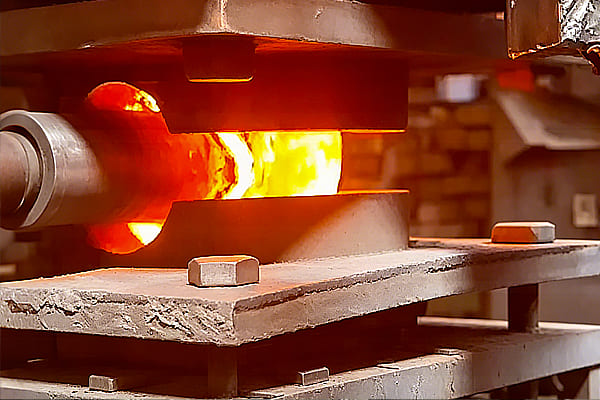
Integral forging
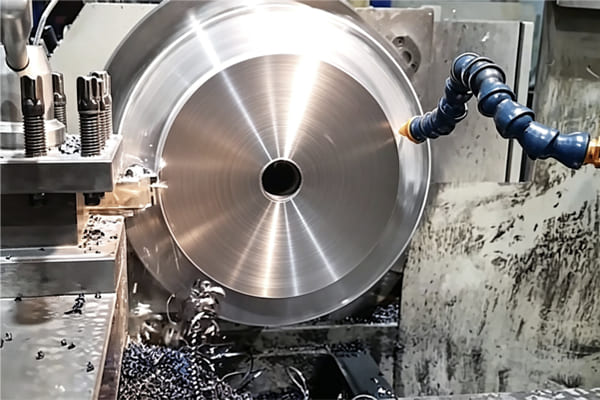
Turning
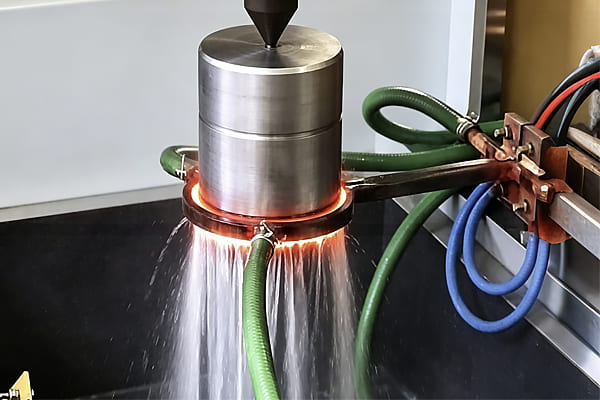
Induction hardening
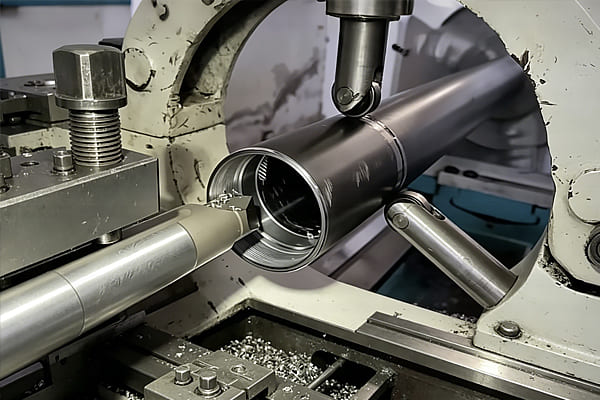
Cylinder barrel turning
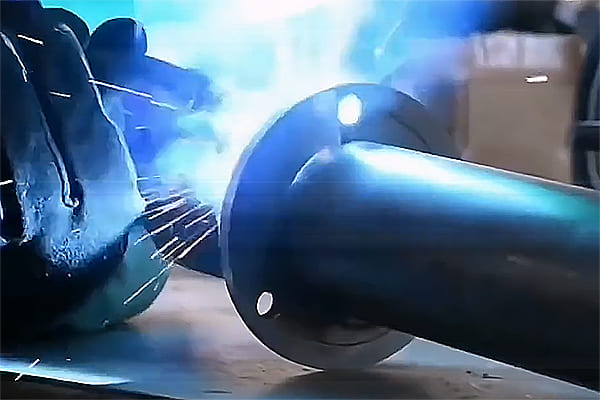
Welding
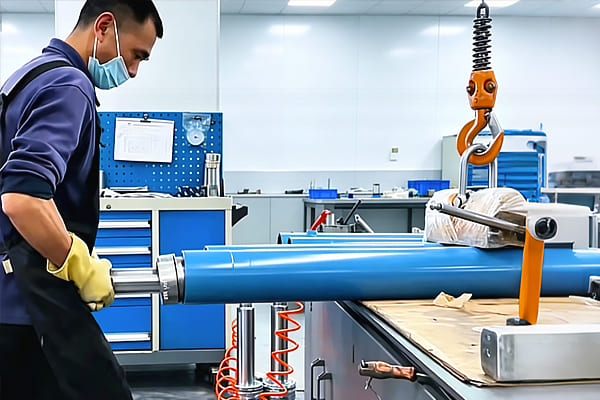
Assembly
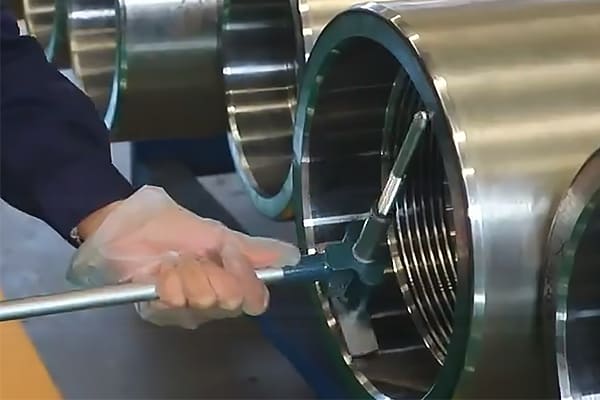
Dimensional measurement
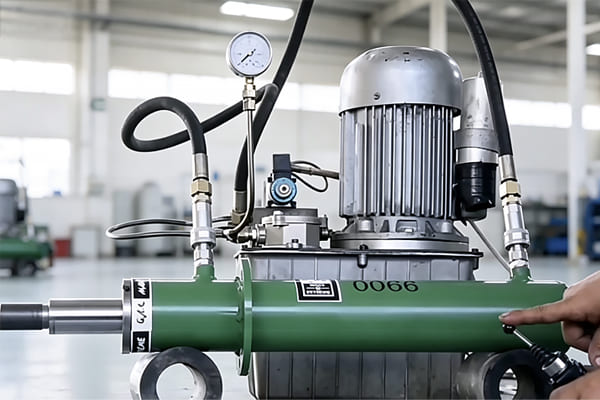
Pressure test