
Custom Plunger Hydraulic Cylinders Manufacturer
12-meter deep-hole machining, HV850 hard chrome plating, 100% pre-delivery pressure testing.
MOQ start from 10 pieces, flexible batch production, 4–6 weeks delivery time.
Brands We Serve in Hydraulic Industry














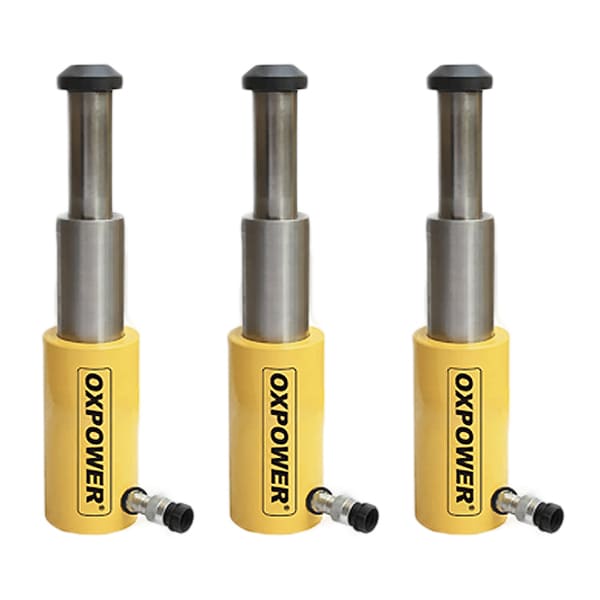
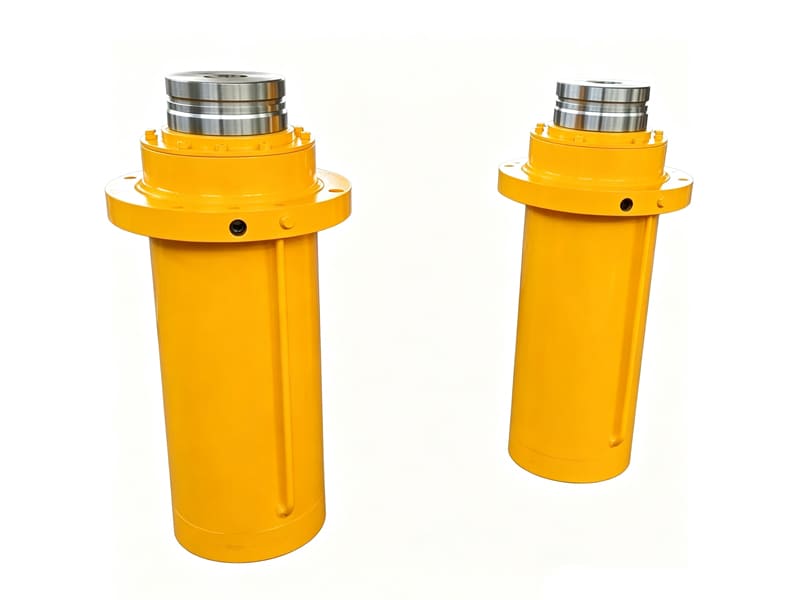
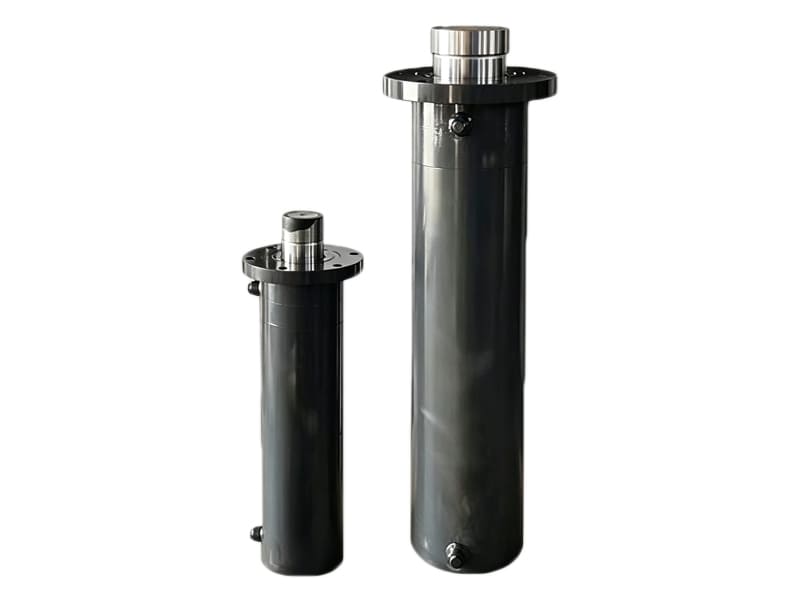
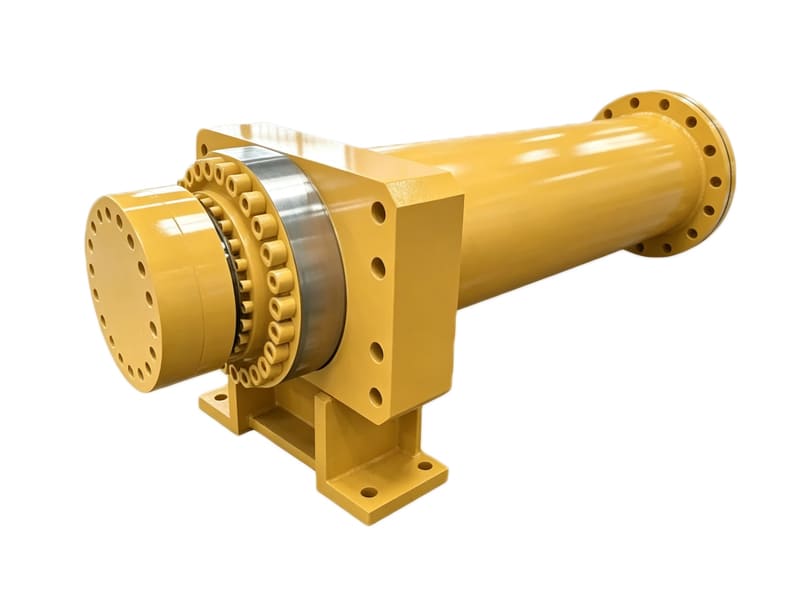
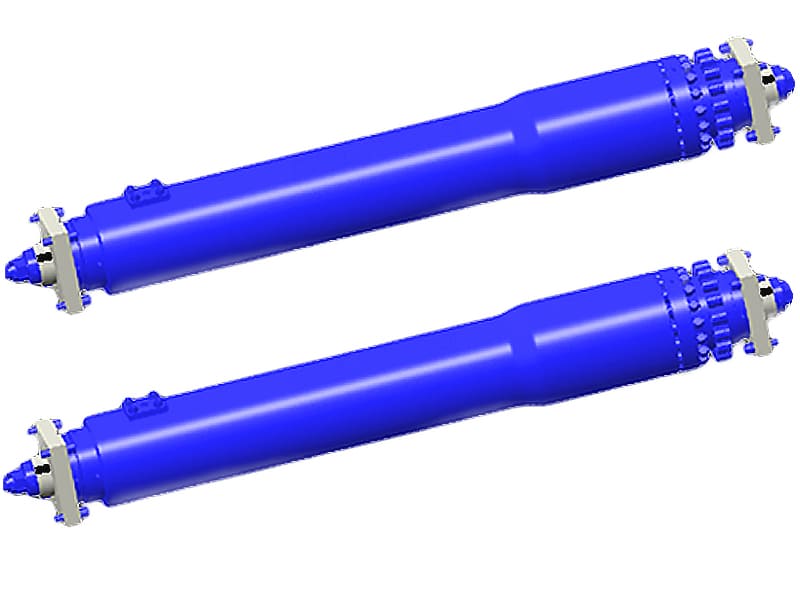
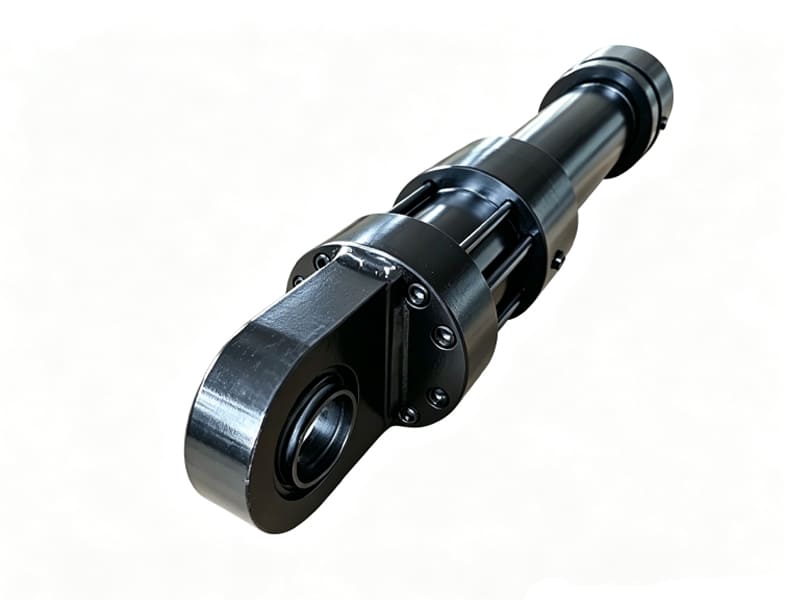
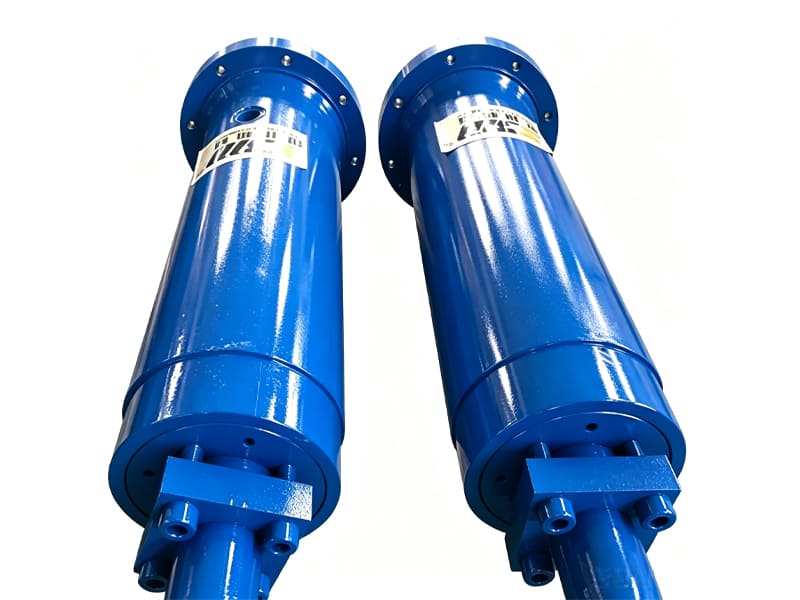
Plunger hydraulic cylinders
Your Reliable Supplier of Plunger Hydraulic Cylinder
Due to their simple structure, plunger hydraulic cylinders are required for machining precision and material consistency. Hydroforce has specialized in custom plunger cylinders for nearly 20 years. We provide reliable custom manufacturing services based on supplied drawings for global customers.
We follow the design specifications for production. With abundant machining experience, we provide improvement advice on materials and processes. These recommendations target potential risks such as long-stroke loading and highly corrosive dusty environments. Our factory is equipped with automatic machining and precision honing facilities, making plunger rod surface roughness≤Ra 0.2μm. According to ISO 9001, each of our plunger hydraulic cylinder passes the test at 1.5 times rated pressure, ensuring zero leakage and smooth operation in severe conditions.
Bulky tie-rod designs are removed by oAs an OEM partner focusing on global markets, we have complete supply chains and large-scale production capacity. From drawing review, process suggestions and after-sales support, Hydroforce helps customers reduce operational risks and works as a trusted manufacturer for custom hydraulic components.
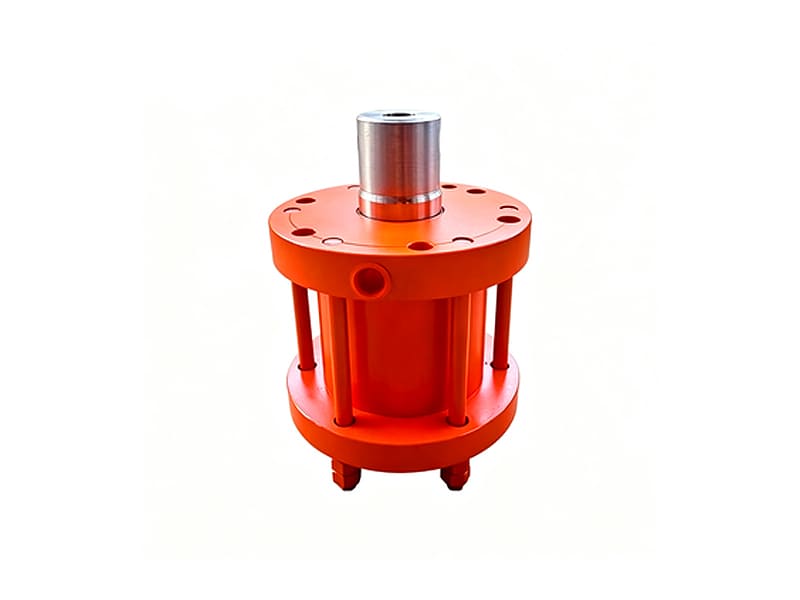
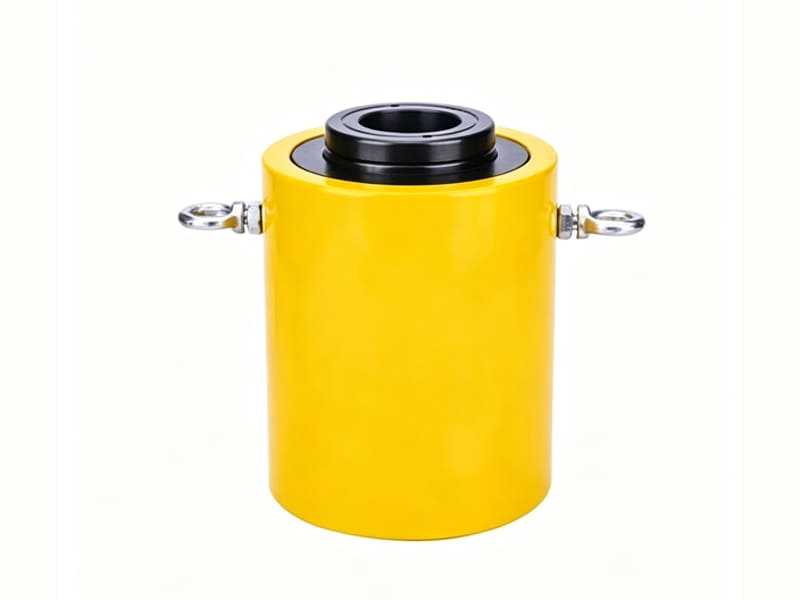
Plunger Hydraulic Cylinders
Applications of Plunger Hydraulic Cylinders
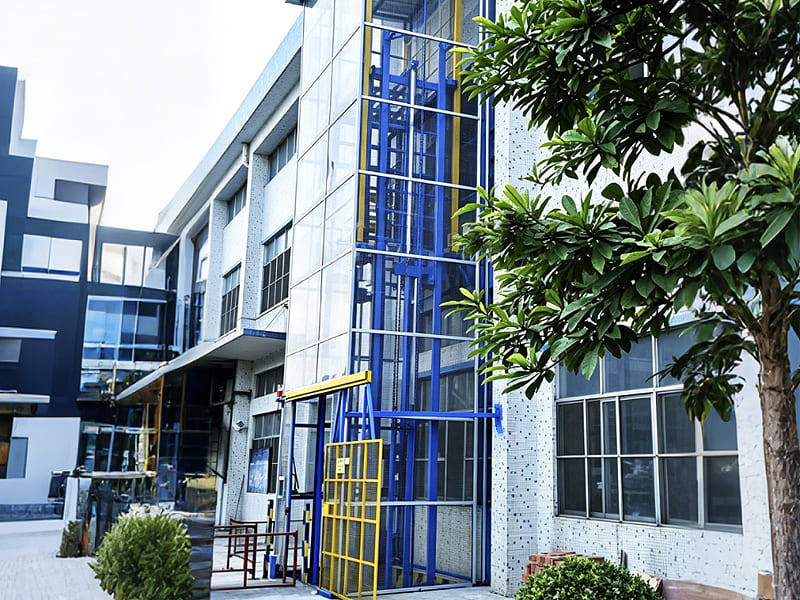
Aerial Work and Construction Machinery
Plunger hydraulic cylinders are widely used in aerial work and construction machinery industries. When fitted on lifting equipment, they use hydraulic pressure to push the plunger to overcome loads for vertical lifting while the platform’s own weight enables lowering.
Their solid cylinder bodies and high-strength guide sleeves can effectively withstand heavy lateral loads during platform lifting. The piston-free simple structure reduces the risks of cylinder rupture and internal leakage, ensuring the safety of people and goods during operation.
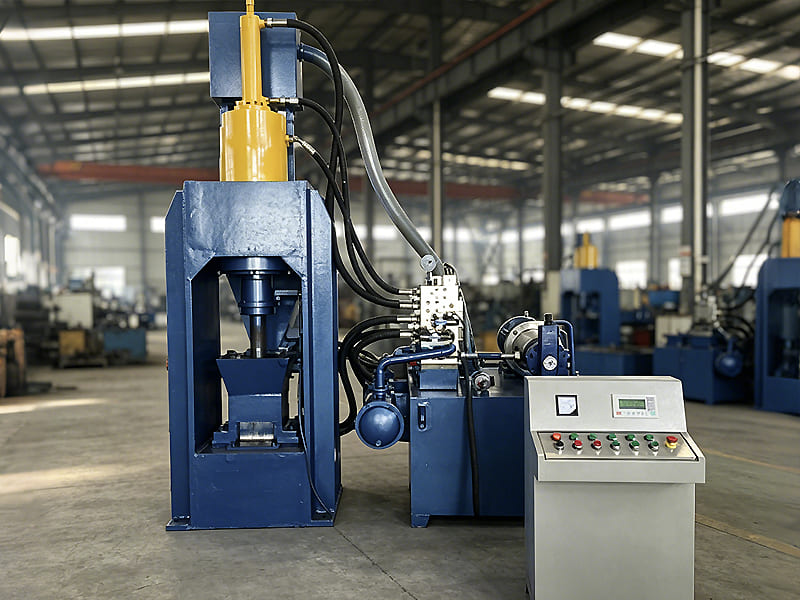
Heavy-duty Forging and Metallurgical Equipment
Plunger hydraulic cylinders act as main cylinders for heavy-duty forging and metallurgical equipment. They generate extreme one-way force for metal pressing. Auxiliary cylinders on both sides pull the slide blocks for rapid reset.
Without internal pistons and seals, plunger hydraulic cylinders can withstand extreme impact loads. This cuts maintenance time and improves efficiency. The thick-walled or solid plunger rod structure provides stable and massive force output for metal forming.
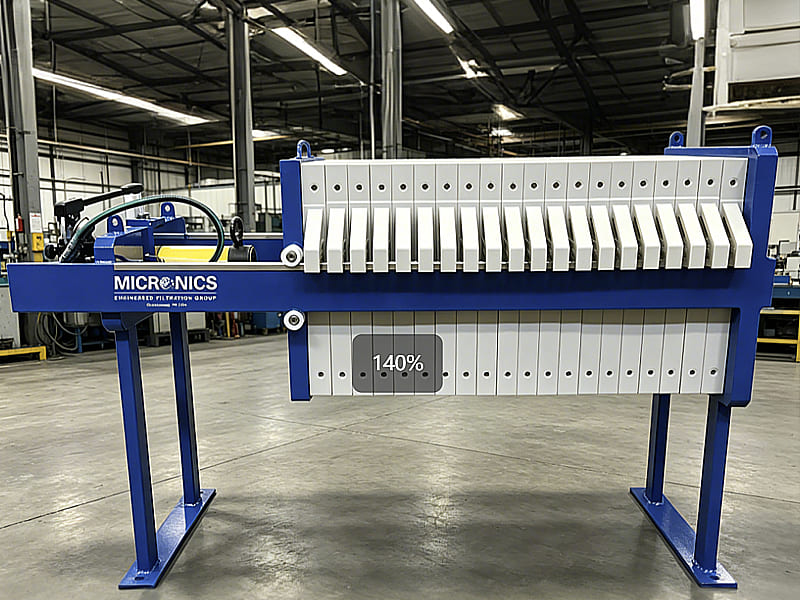
Solid Waste Treatment and Environmental Equipment
Plunger hydraulic cylinders applied in solid waste treatment and environmental equipment are installed horizontally or at a slight incline to press high-density waste or sludge. The plunger rod pushes waste into the compression chamber, and auxiliary structures or auxiliary cylinders retract the plunger.
The plunger rod and barrel have no sliding friction, so dust cannot cause cylinder failure. Fitted with double-lip dust seals, the cylinders effectively resist environmental erosion and remain leak-free without internal part replacement for several years.
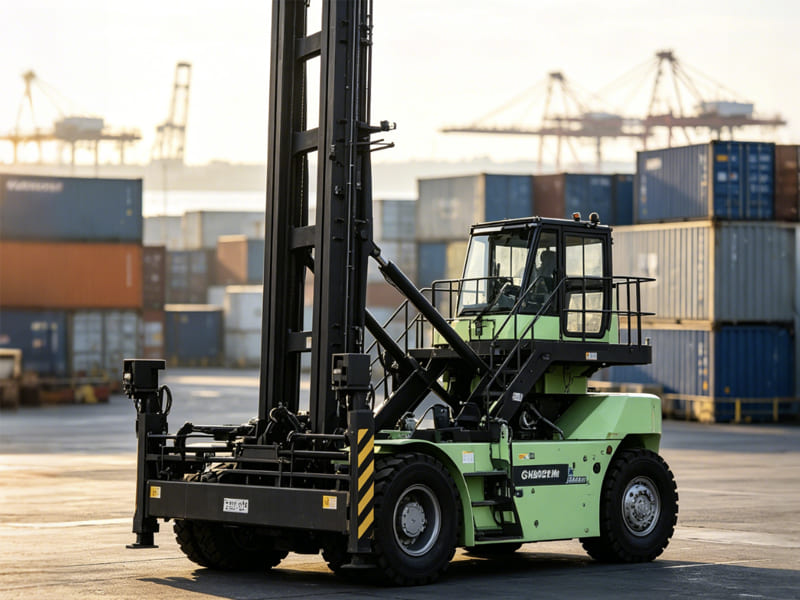
Specialized Lifting and Logistics Machinery
Plunger hydraulic cylinders are also widely used in specialized lifting and logistics equipment. Hydraulic oil drives the plunger rod to lift loads, while stable lowering is achieved by self-weight and constant oil return through throttle valves.
The cylinder barrel bore requires limited machining, reducing overall manufacturing costs of long-stroke, heavy-tonnage lifting cylinders. Their simple mechanical structure, paired with high-precision outer diameter guidance, enables freight elevators and lifts to maintain high positioning accuracy and stable operation.
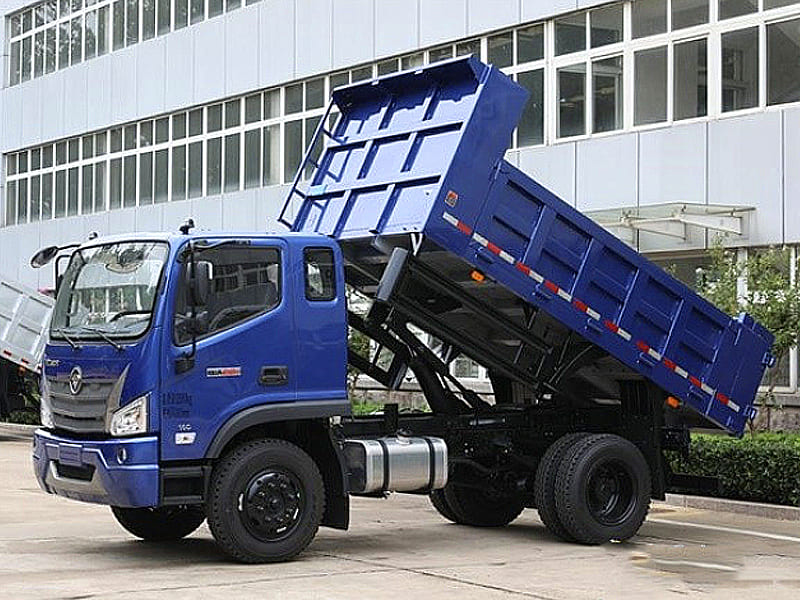
Agricultural Machinery & Equipment Industry
Plunger hydraulic cylinders provide vertical or inclined lifting force for agricultural equipment. During operation, hydraulic oil pushes the plunger rod to extend one-way and lift the trailer body or header and the plunger rod retracts by structural self-weight.
Farm work are filled with dust and muds. Featuring the piston-free design with fewer internal parts and no sliding friction between the plunger rod and barrel, plunger cylinders prevent total cylinder failure when external impurities enter. High cost-efficiency and low maintenance requirements, ideal for agricultural machinery.
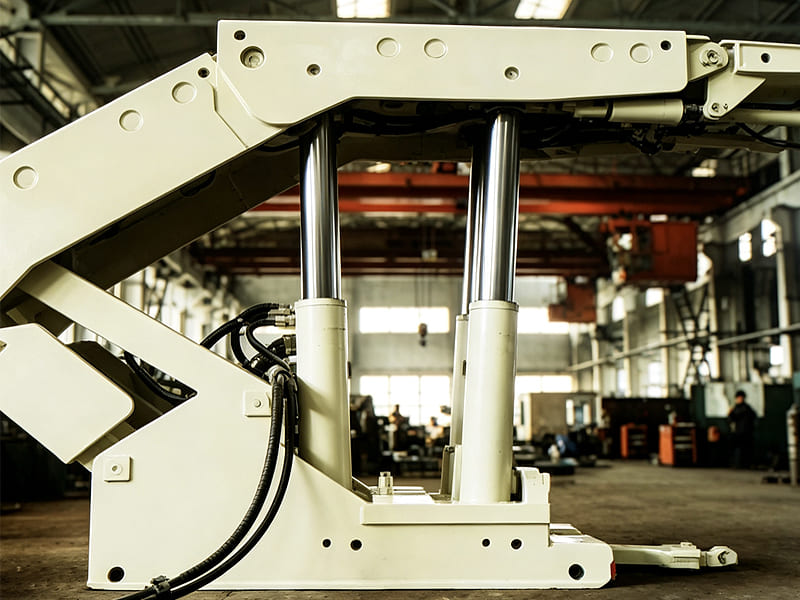
Surface and Underground Mining Equipment Industry
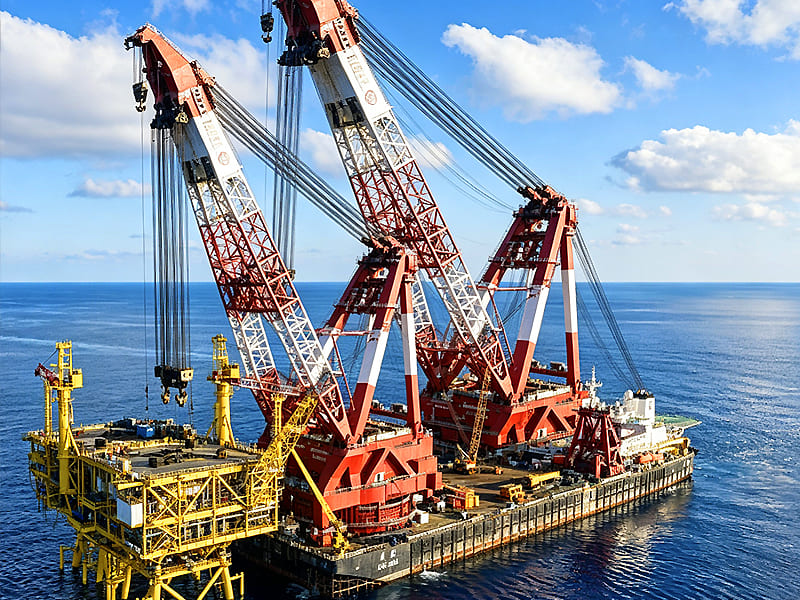
Marine Engineering & Shipbuilding Industry
Plunger cylinders serve as the main power sources for lifting, opening and closing, used to push open heavy watertight doors or lift booms when installed on offshore equipment.
Marine environments with high salt spray have strict anti-corrosion requirements. Plunger cylinders only require their exposed plunger rod to be treated with double-layer hard chrome plating, nickel-chrome plating, or ceramic cladding. The cylinders effectively prevent seawater corrosion, ensuring long-term operation.
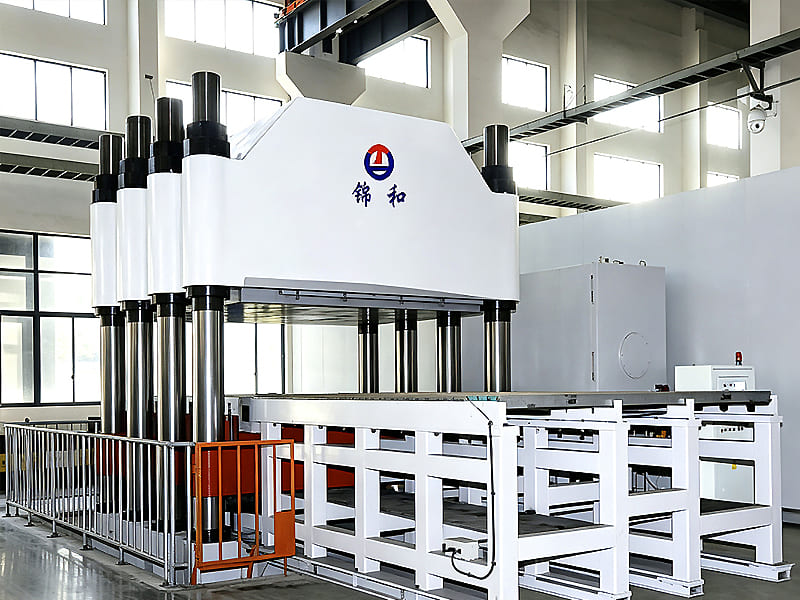
Rubber & Plastics Molding Machinery Industry
In rubber vulcanizers, plastic presses, and heavy-duty clamping systems, plunger cylinders usually serve as the main cylinders installed vertically upward. The plunger rod lifts the hot plate and clamps the mold, and the system enters a long pressure-holding curing stage.
The plunger cylinders feature only a plunger rod structure, eliminating internal leakage risks and ensuring stable clamping force over time. Large-diameter plunger cylinders only require outer surface machining of the plunger rod, greatly reducing processing difficulty and costs.
Guide Ring Wear & Leakage from Off-Center Load
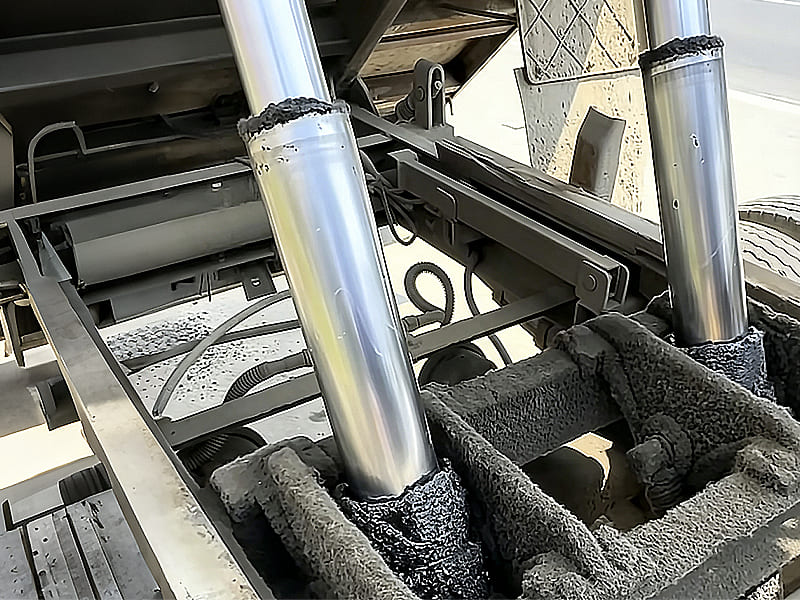
Plunger cylinders have no piston seals. During tipping and lifting, uneven roads or unbalanced cargo loading generate a large lateral bending moment on the plunger rod. If the lateral force exceeds the guide sleeve’s load limit, the plunger rod will abrade the copper sleeve or guide band. This prevents lifting the cargo box and causes on-site oil leakage.
For heavy lateral load working conditions, Hydroforce not only lengthens the guide sleeve, but also uses high-load copper-based alloy or bronze-filled PTFE composite guide bands to improve compressive strength. The plunger rod is treated with hard chrome plating and ultra-precision polishing. Its coating hardness exceeds HV850, and surface roughness is minimized, greatly reducing the friction coefficient. Every cylinder passes eccentric load simulation testing before delivery to guarantee excellent anti-eccentric load performance.
Seal Wear & Scoring from Dry Friction in Dusty Outdoors
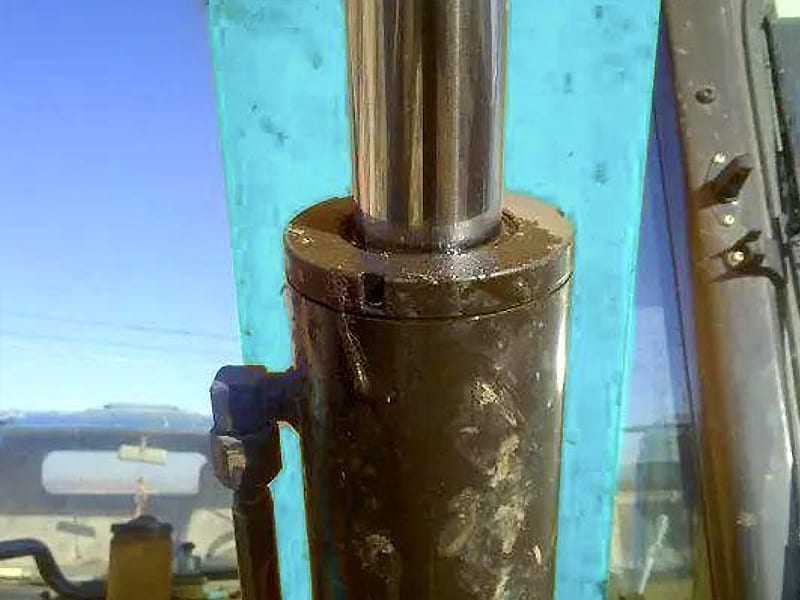
Open-pit mines, construction sites and cement plant stockyards contain large quantities of hard mineral dust. If the plunger rod wiper seals lack dust scraping performance, tiny particles will be drawn into the sealing chamber of the cylinder head. Sand grains trapped between the sealing ring and plunger rod continuously abrade the sealing lip and cause oil leakage.
To prevent dust ingress, we adopt a dual protective sealing structure at the cylinder head. The cylinder end is equipped with a polyurethane double-lip wiper seal, and a metal-cased polyurethane wiper is fitted on the inner side to prevent scoring caused by large particles. For severe working conditions, the plunger rod surface is subjected to quenching combined with chrome plating to increase surface hardness to resist scoring.
Coating Peel & Seizure in Marine Salt or Water
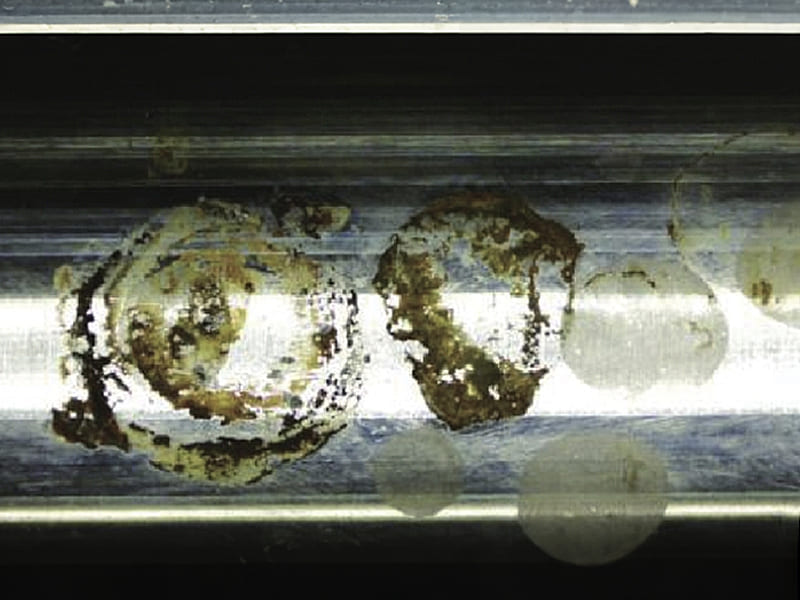
Plunger cylinders are frequently exposed to humid, high salt-spray environments. Conventional electroplated chrome layers feature numerous microcracks on the surface. Salt mist and moisture penetrate through these microcracks into the steel substrate, causing substrate rusting. Rust lifts and peels off the outer chrome coating and will sever the cylinder head sealing rings, resulting in cylinder seizure.
For such highly corrosive operating conditions, Hydroforce primarily recommends double-layer nickel-chromium electroplating or multi-layer composite nickel-chromium coating processes. For more stringent environmental requirements, thermal metal spraying or plasma surfacing processes are also available. Every batch of finished plunger rods undergoes neutral or acid salt spray testing. Coating quality inspection is carried out upon production completion to ensure stable cylinder operation under harsh corrosive conditions.
Certifications
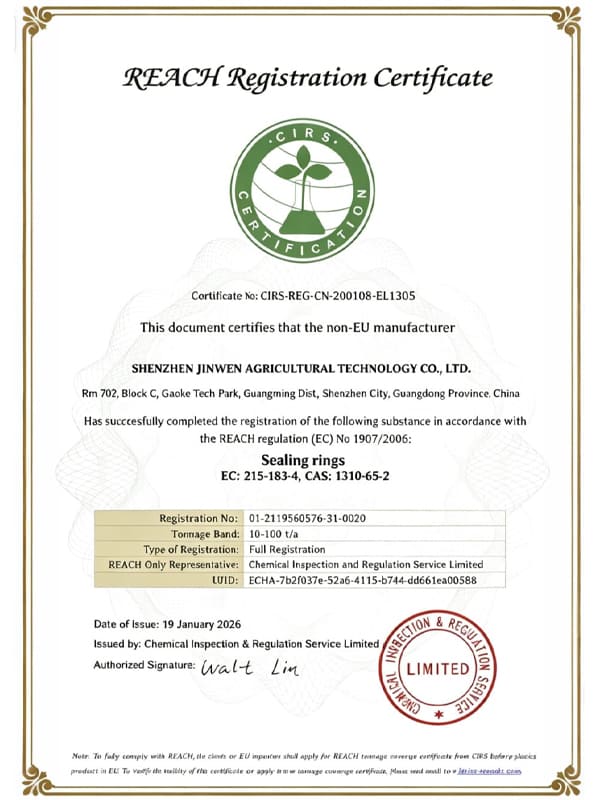
REACH Certificate
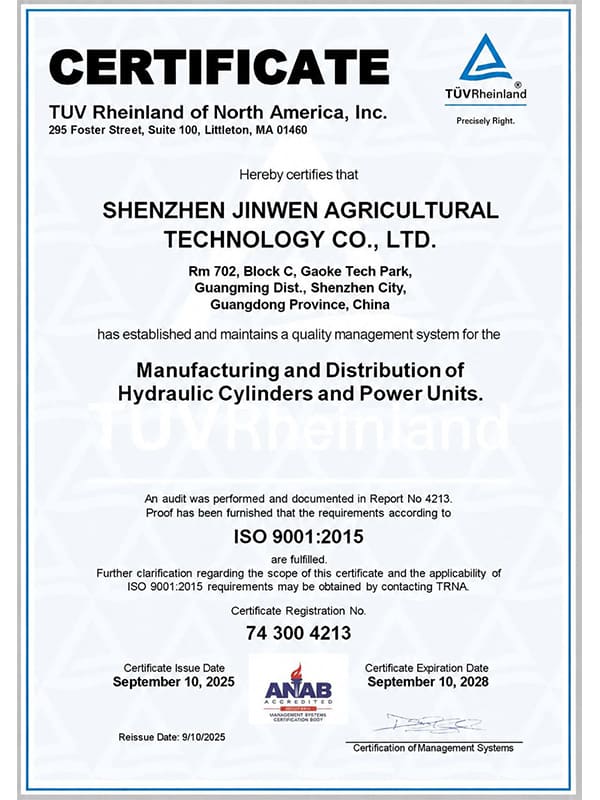
ISO 9001 Certificate
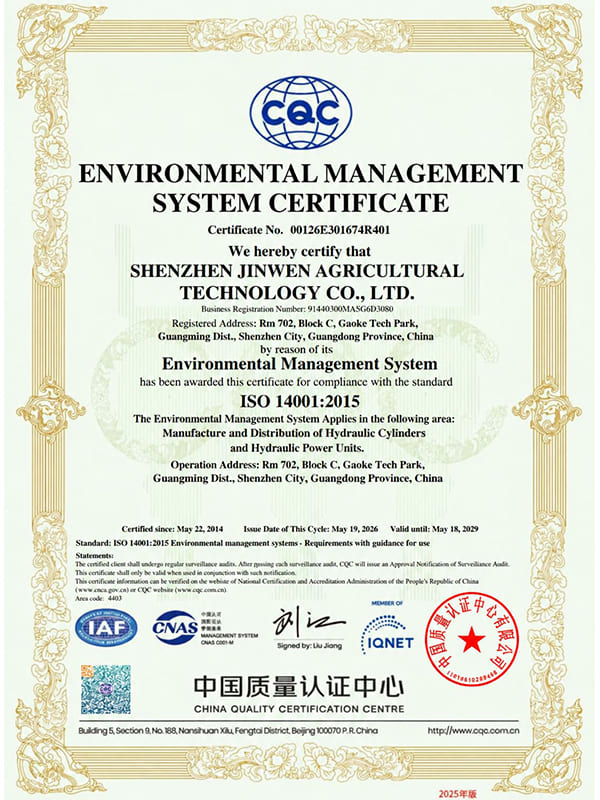
ISO 14001 Certificate
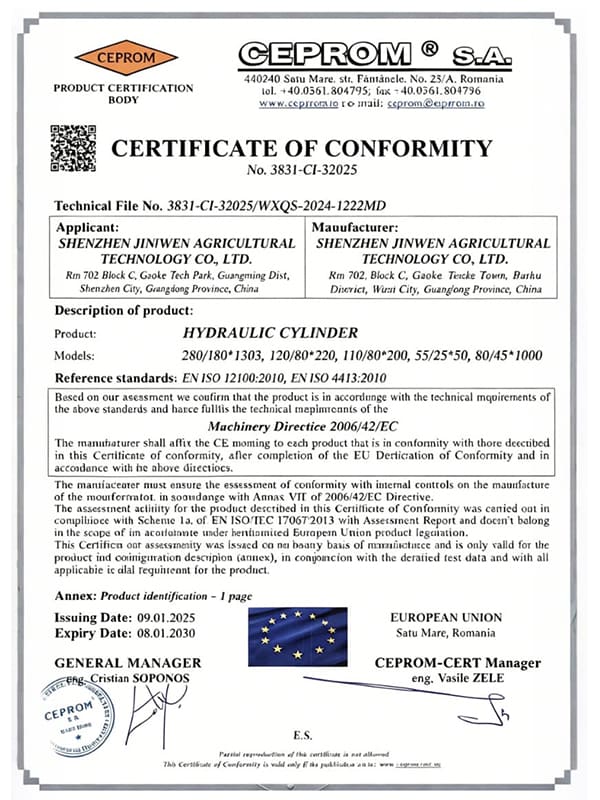
Certificate of Conformity
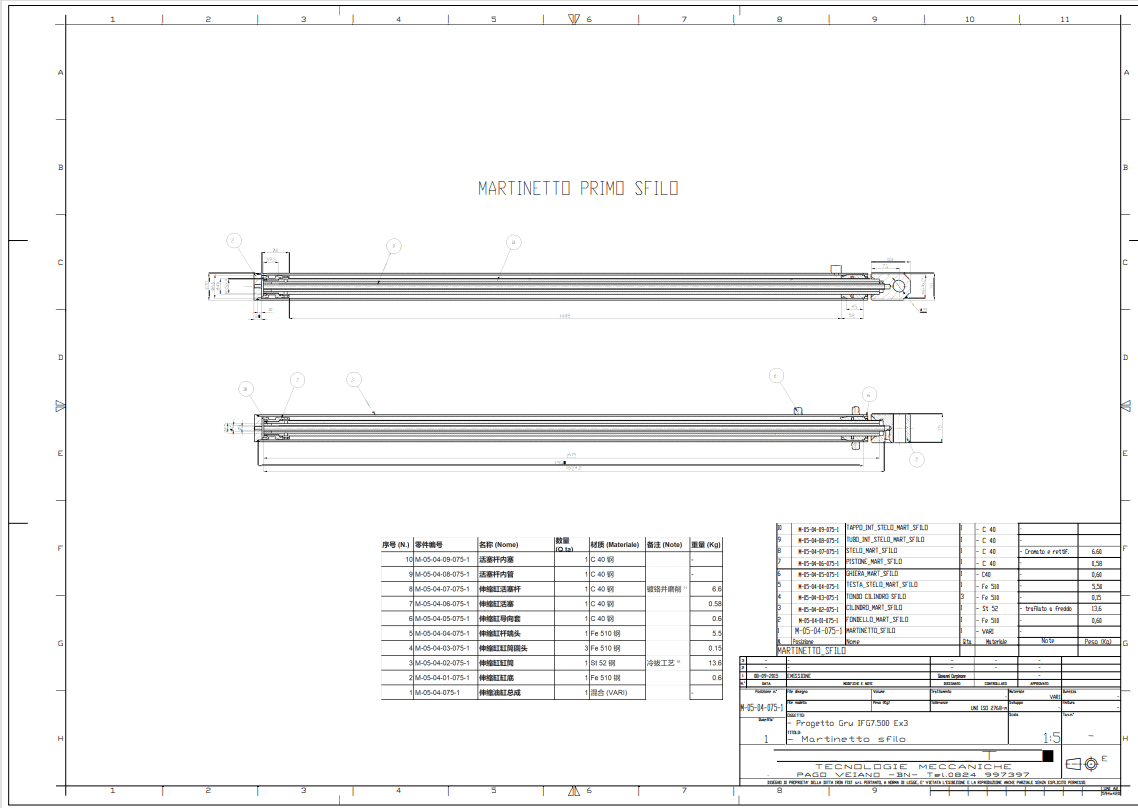
Customization of Plunger Hydraulic Cylinder
Production Procedure
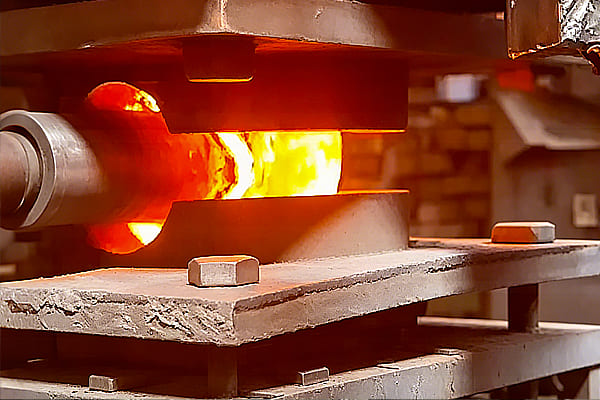
Integral forging
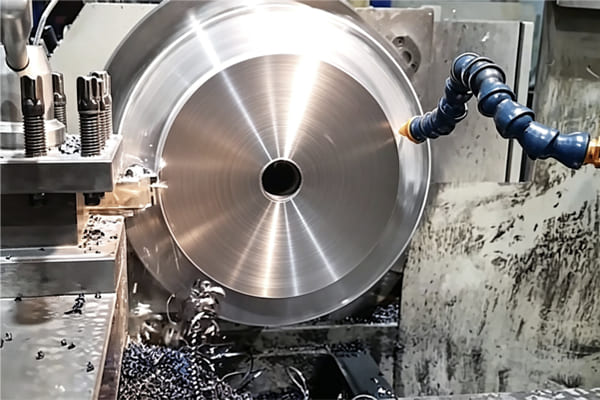
Turning
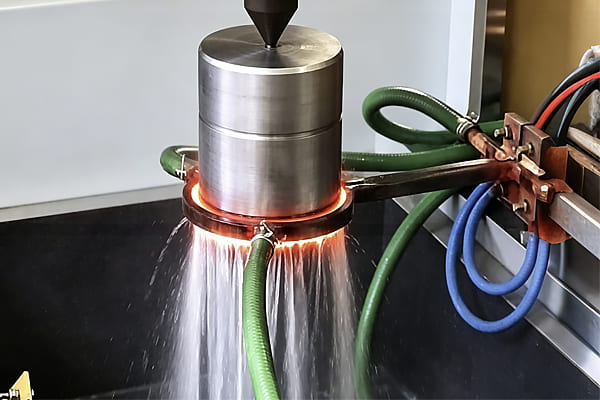
Induction hardening
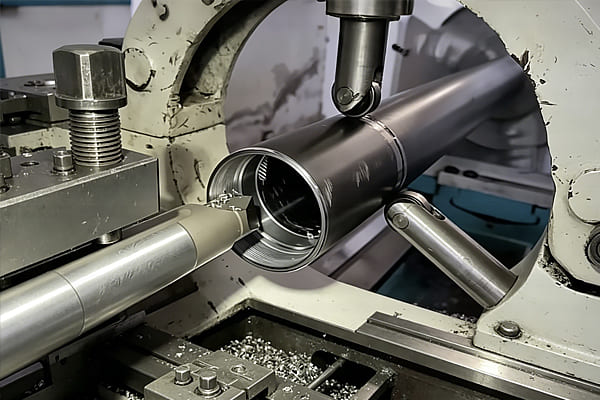
Cylinder barrel turning
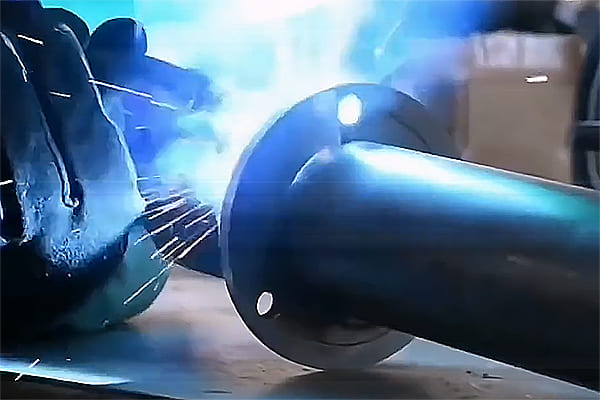
Welding
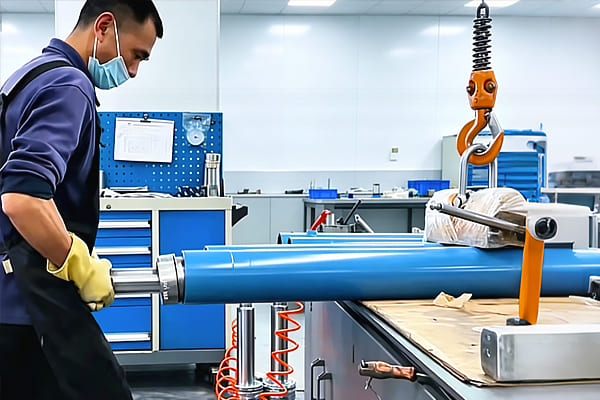
Assembly
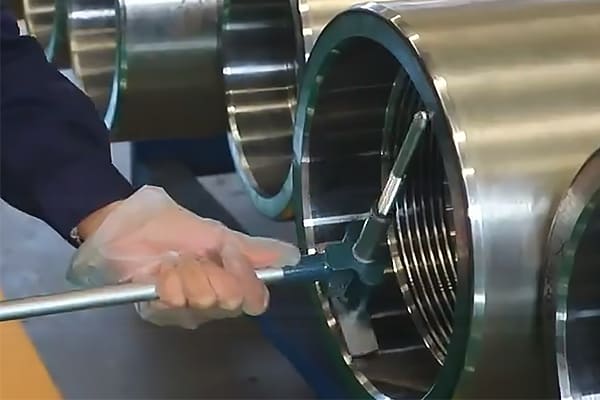
Dimensional measurement
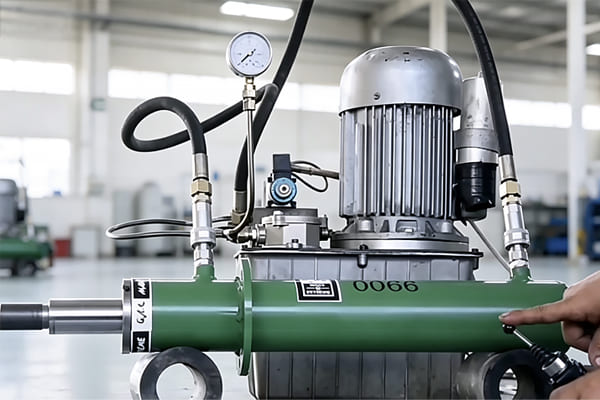
Pressure test